

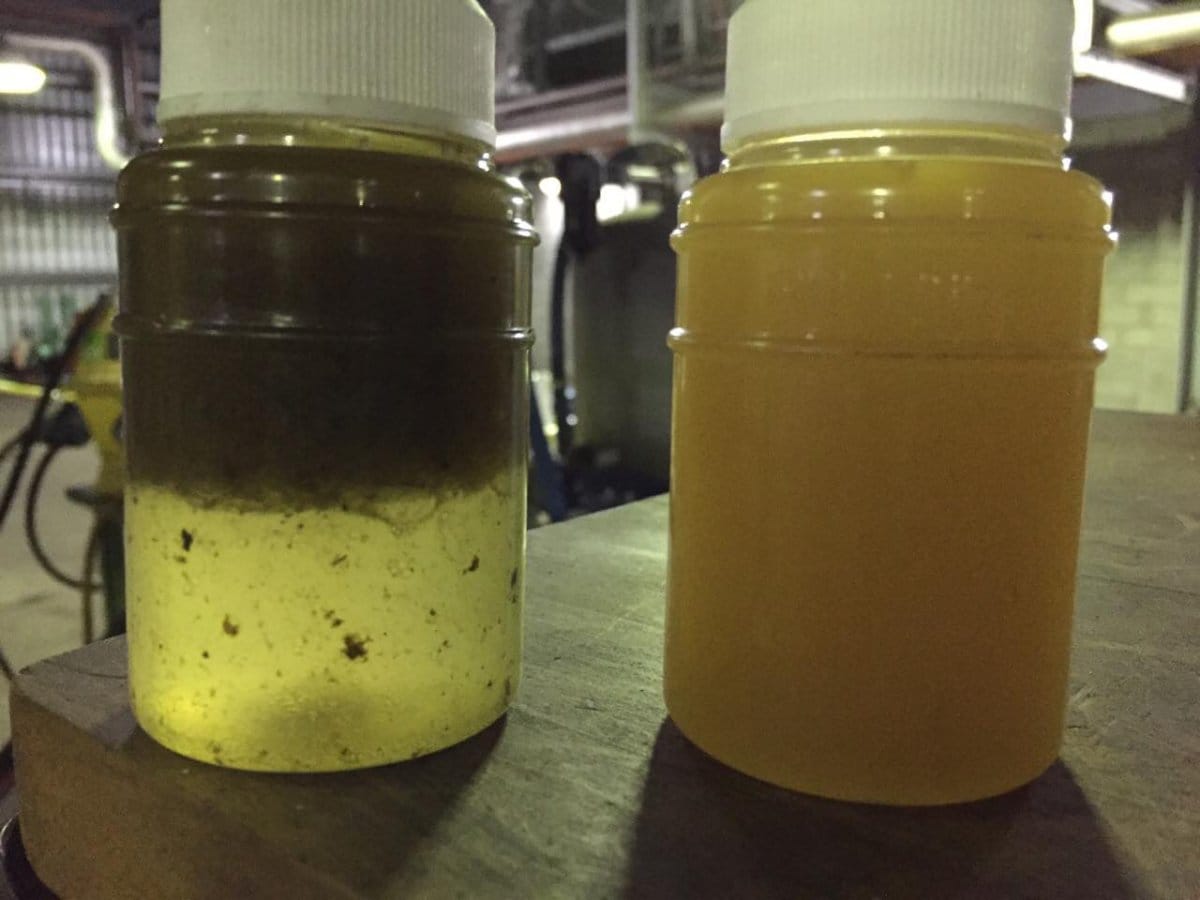
What if the persistent sludge in your hydraulic reservoir isn’t just particulate matter, but a living organism consuming your assets from the inside…

Quick Site Lubrication System Inspection Checklist
The most dangerous threats to your machinery are often the ones your laboratory reports won’t catch until it’s too late. You likely recognize the…
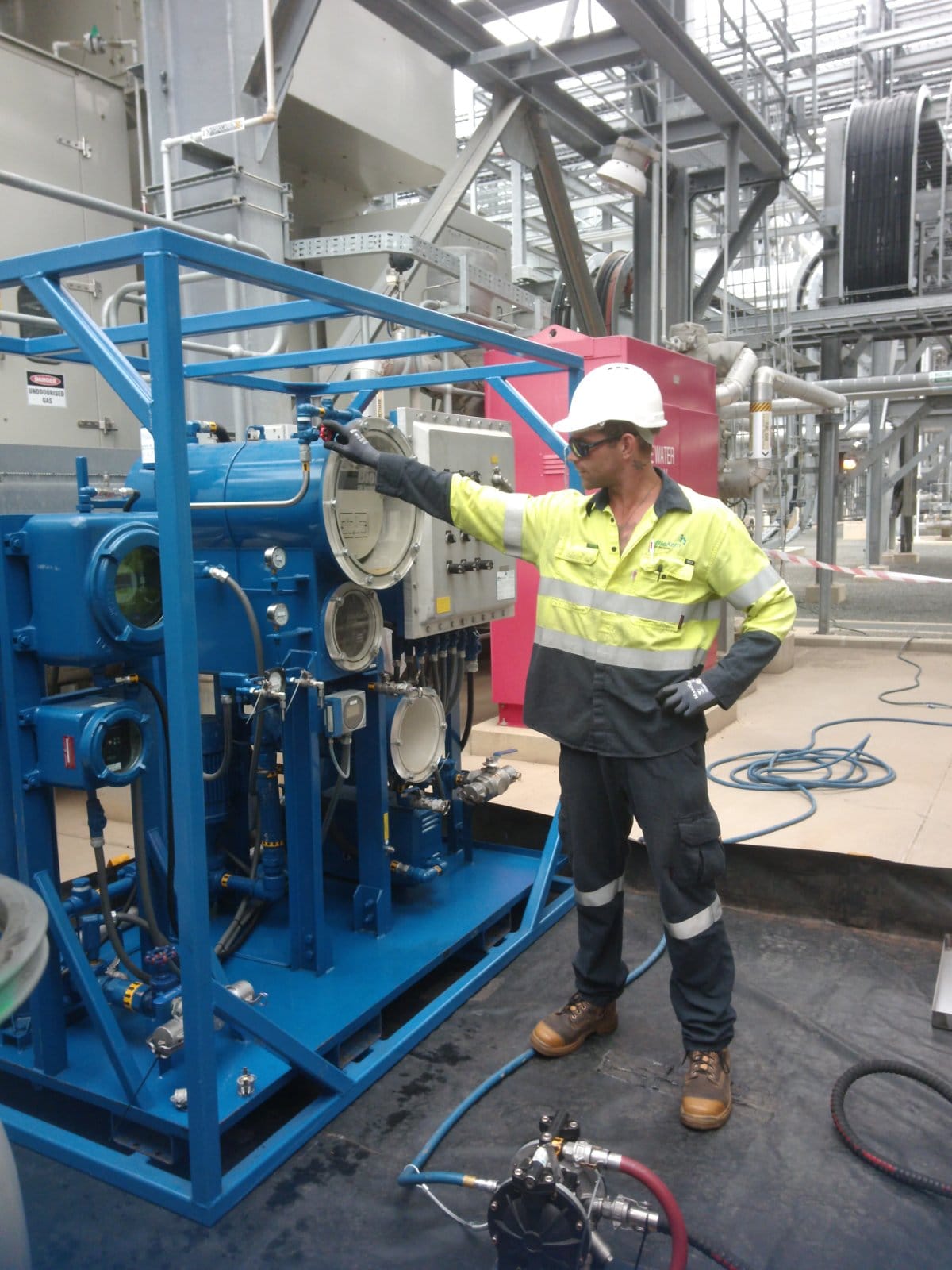
Optimising Lubricant Life via Viscosity Correction
With synthetic lubricant prices climbing by as much as 35% in the first quarter of 2026, can your facility afford to treat high-performance oil as a…
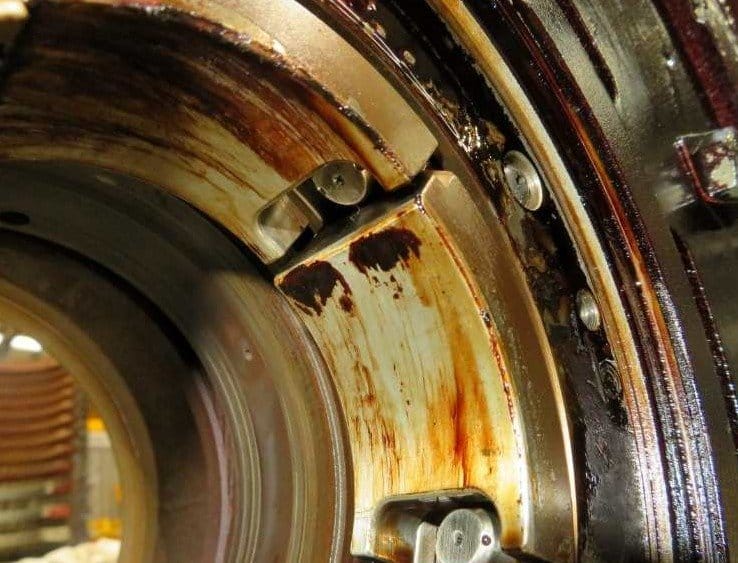
Managing the Effects of Temperature on Industrial Oils
Did you know that for every 10°C increase in operating temperature above its target, the life of your industrial lubricant is effectively cut in…
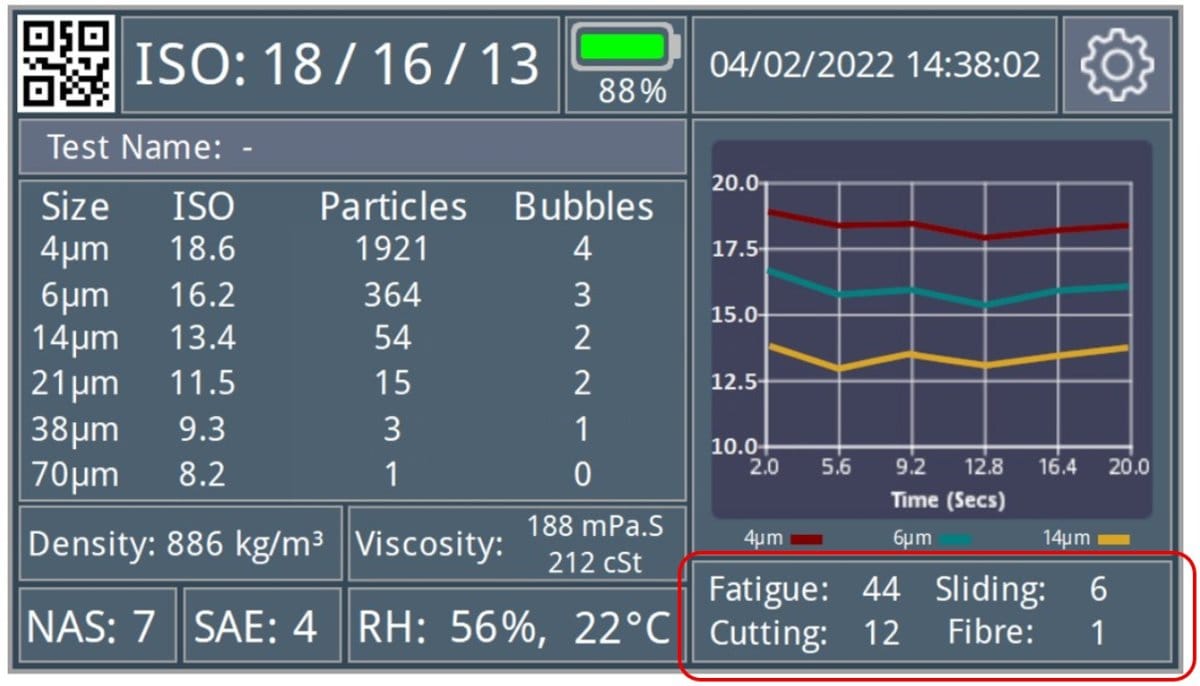
Deciphering Visual Features of Wear Particles
A standard particle count is essentially a headcount of the enemy, but it tells you nothing about their intent or origin. While tracking ISO…
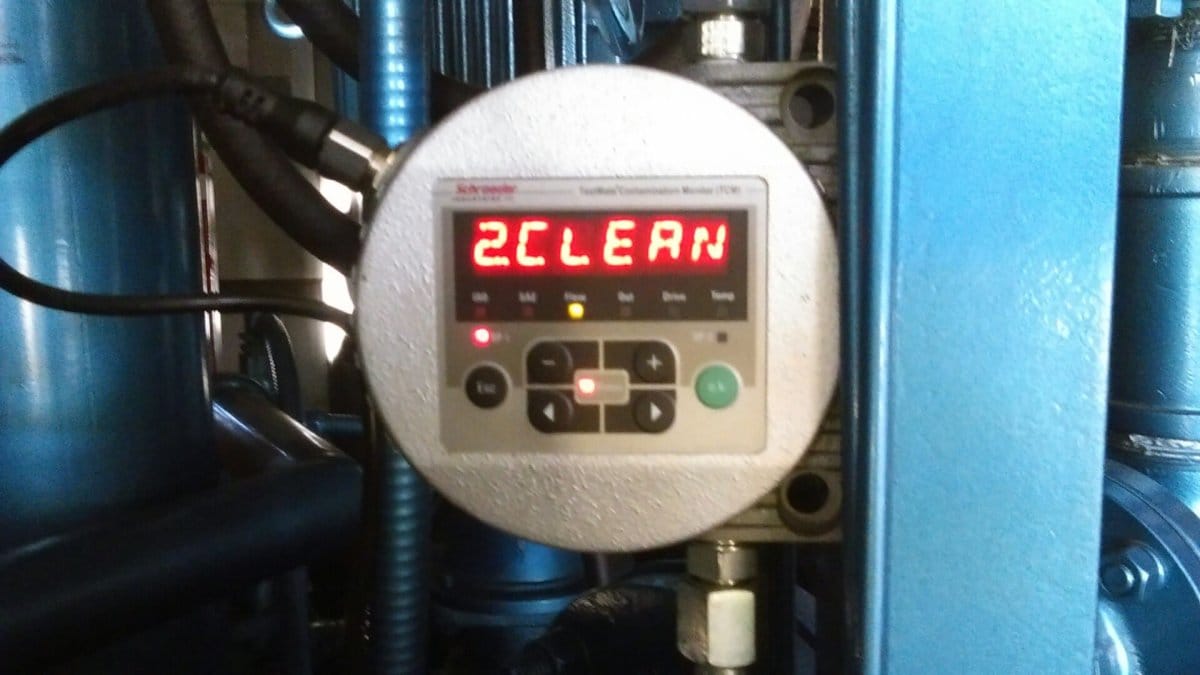
How to Extend Lube Oil Life: Expert Maintenance Tips
What if the lubricant currently circulating through your machinery isn’t a consumable expense but a permanent asset? Many operators assume that oil…
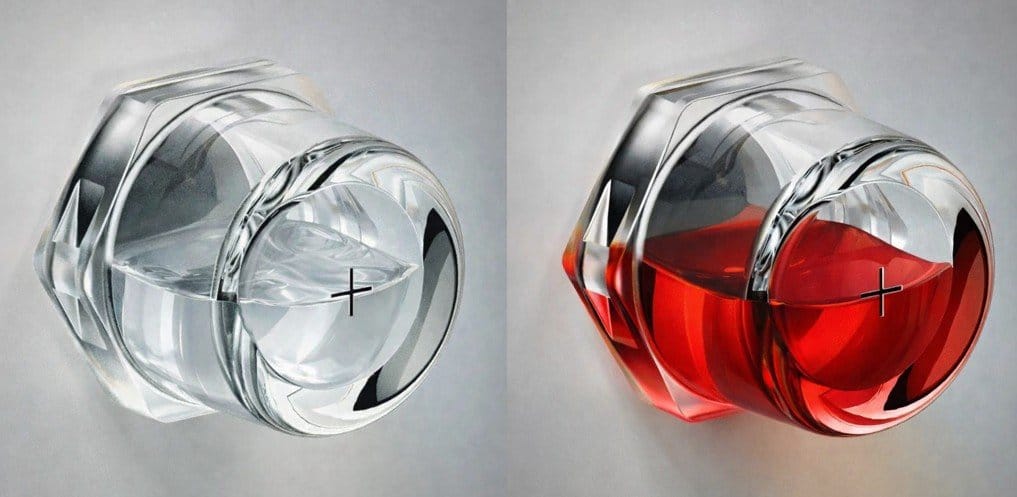
Lubricant Dyeing: Improving Tank Level Gauge Visibility
A lubricant you cannot see is a liability you cannot manage. In high-stakes industrial environments, the dyeing of lubricants to allow for…
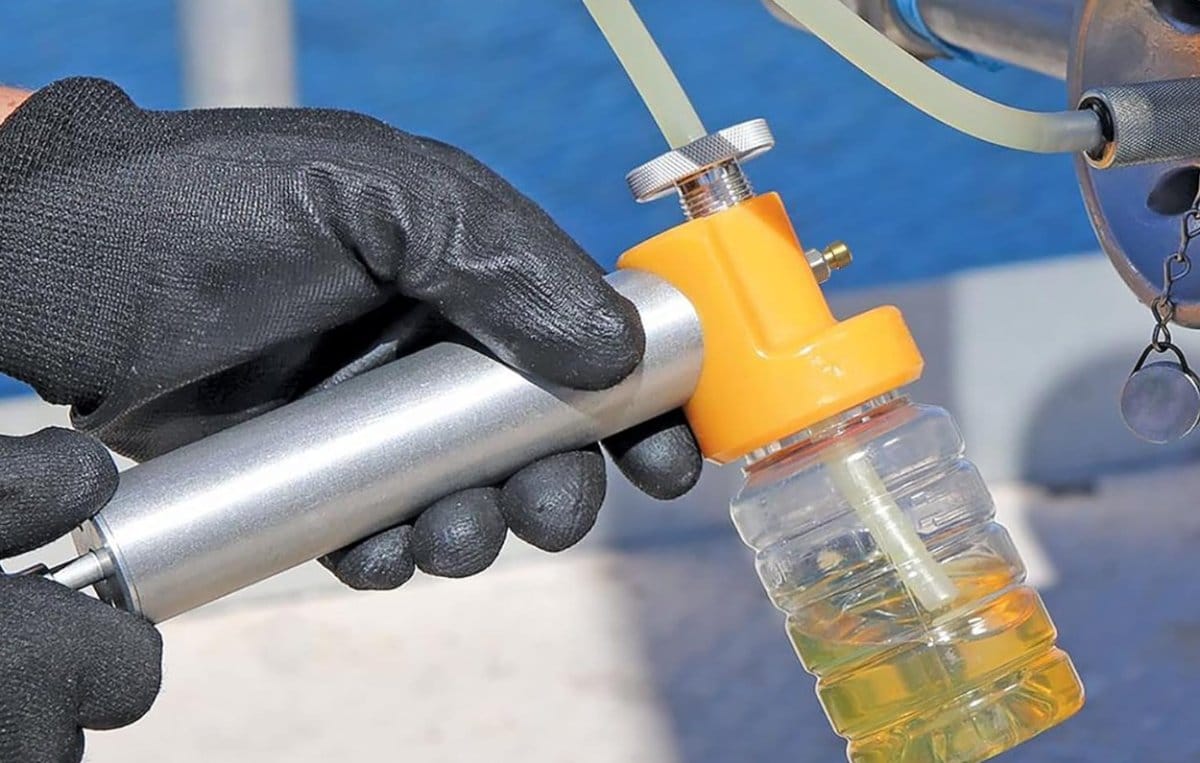
The Complete Guide to Hydraulic Oil Monitoring for Industrial Reliability
An estimated 85% of machine operation problems are caused by contaminated hydraulic fluid, with a single hour of unscheduled downtime for a hydraulic…
Should You Change to Synthetic Oils? Industrial Benefits
With the global synthetic lubricant market projected to reach $14.50 billion by 2034, it’s clear that heavy industry is moving away from traditional…
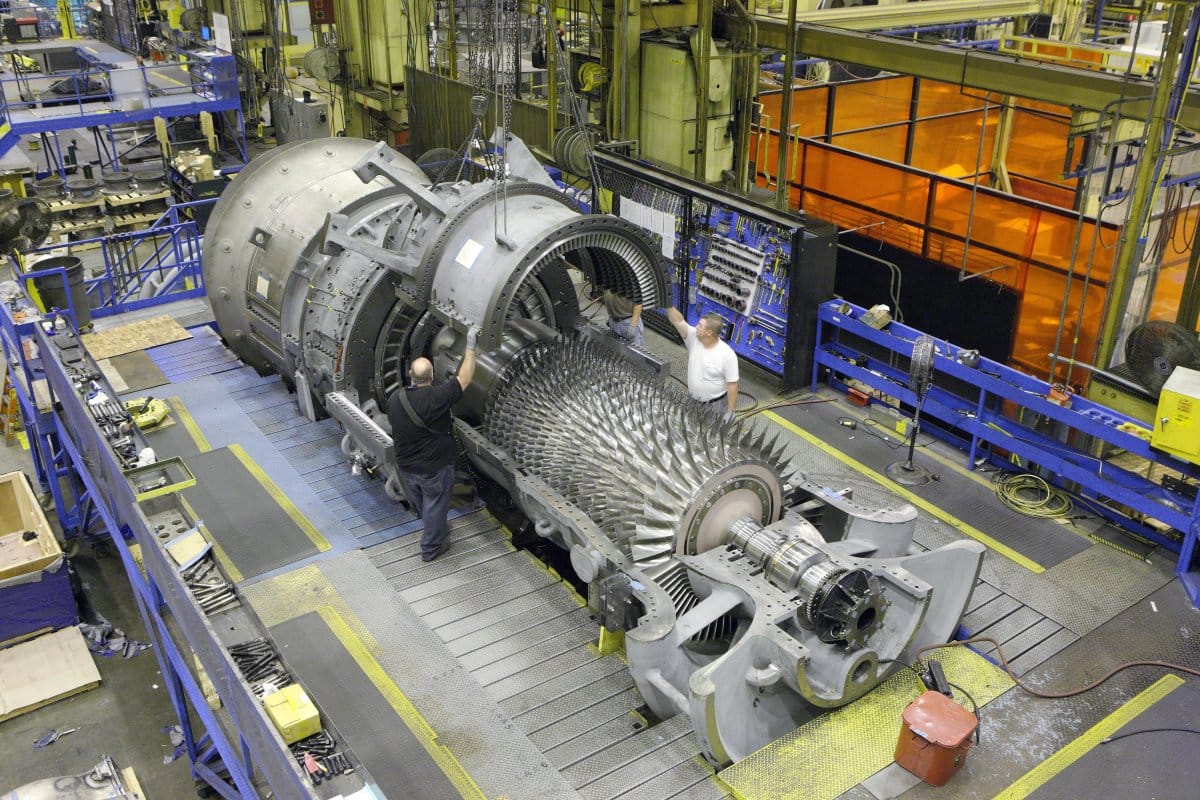
How to Extend the Life of Your Rotational Equipment
Did you know that unplanned downtime costs industrial manufacturers an average of A$260,000 every single hour? This staggering figure often forces…

The Critical Effects of Oil Contamination on Equipment
Up to 80% of hydraulic system failures are the direct result of particle contamination. It’s a sobering statistic for any operator facing the high…
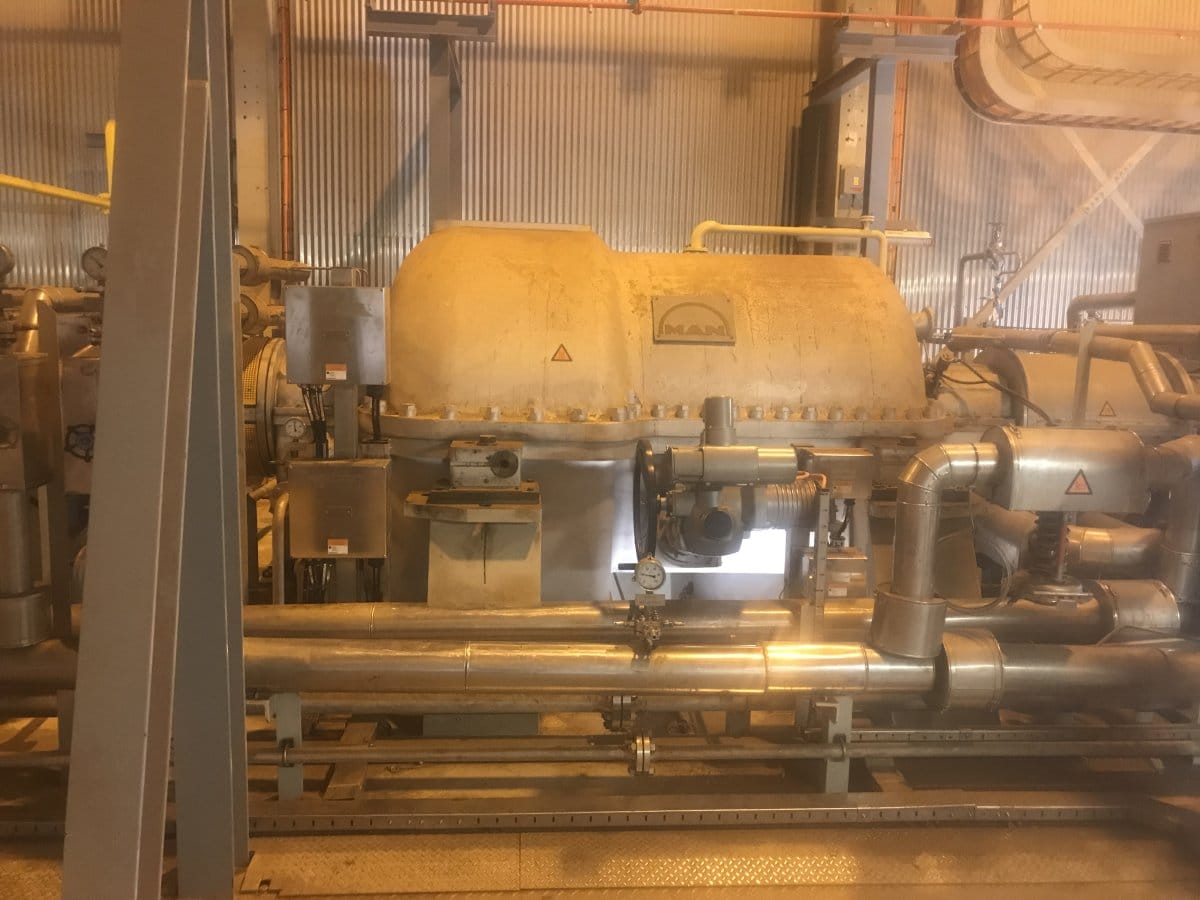
Causes of Moisture Damage in Industrial Compressors
Moisture in industrial compressors acts as a silent chemical catalyst, destroying lubricant integrity and additive packages long before you ever see…
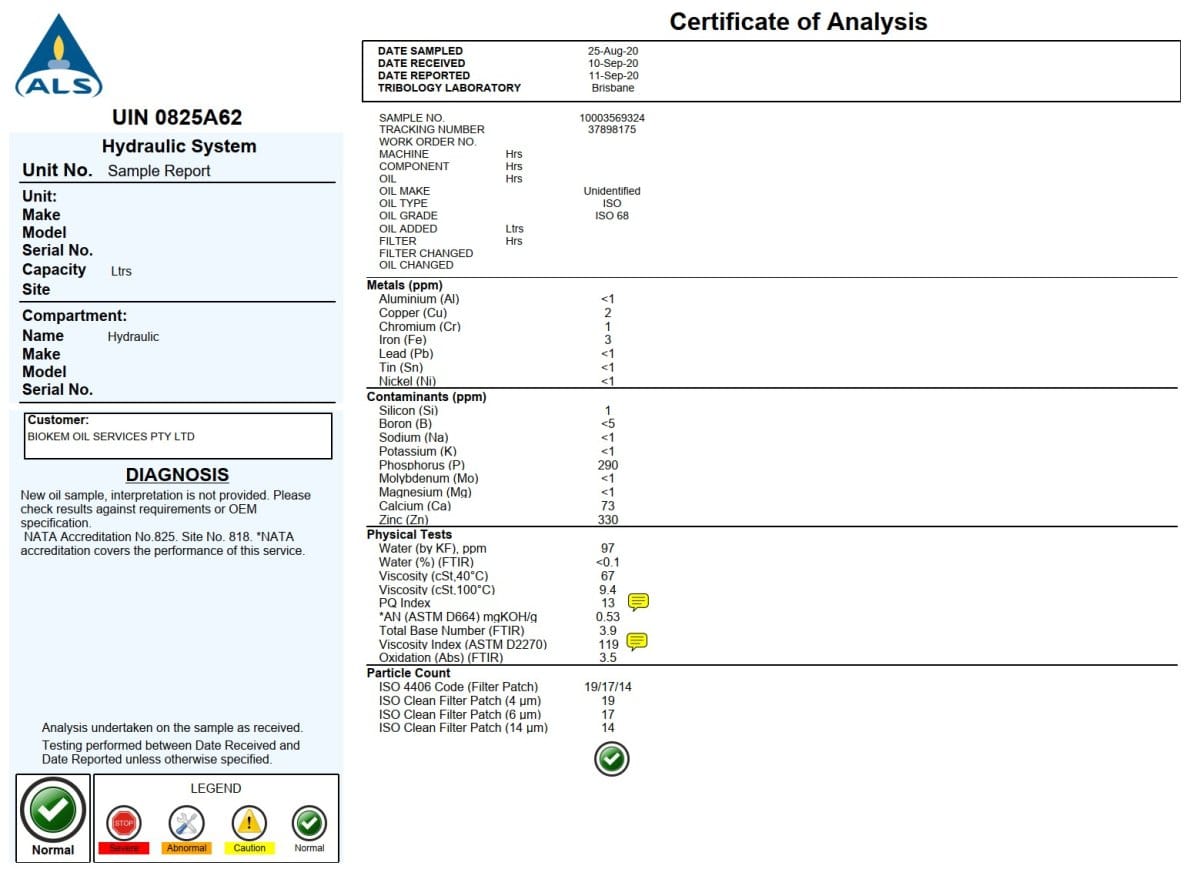
5 Key Indicators to Check on Your Lube Oil Lab Reports
Inadequate lubrication causes up to 50% of all premature bearing failures in modern manufacturing plants. While most facilities receive regular data,…

Best Practices for Managing Industrial Oil Cleanliness
Did you know that 80% of hydraulic system failures stem directly from particle contamination? It’s a staggering figure that underscores why Managing…

Why Topping Up Lube Oil Could Damage Your Equipment
Adding fresh oil to a struggling system feels like a responsible cost-saving measure, but it’s often the catalyst for a total mechanical breakdown….
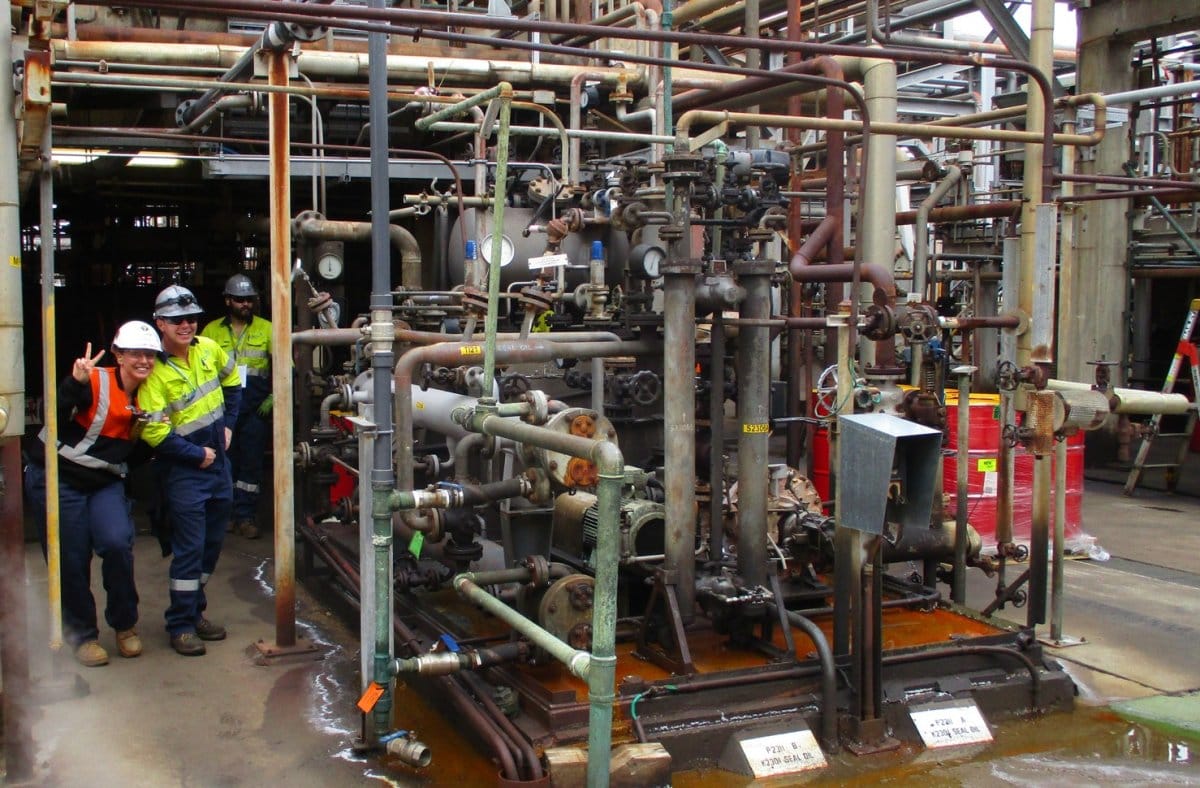
How Dry Lube Oil Extends Machinery and Lubricant Life
In the mineral mining industry, 40% of all energy consumed is used solely to overcome friction. This hidden operational cost proves that traditional…
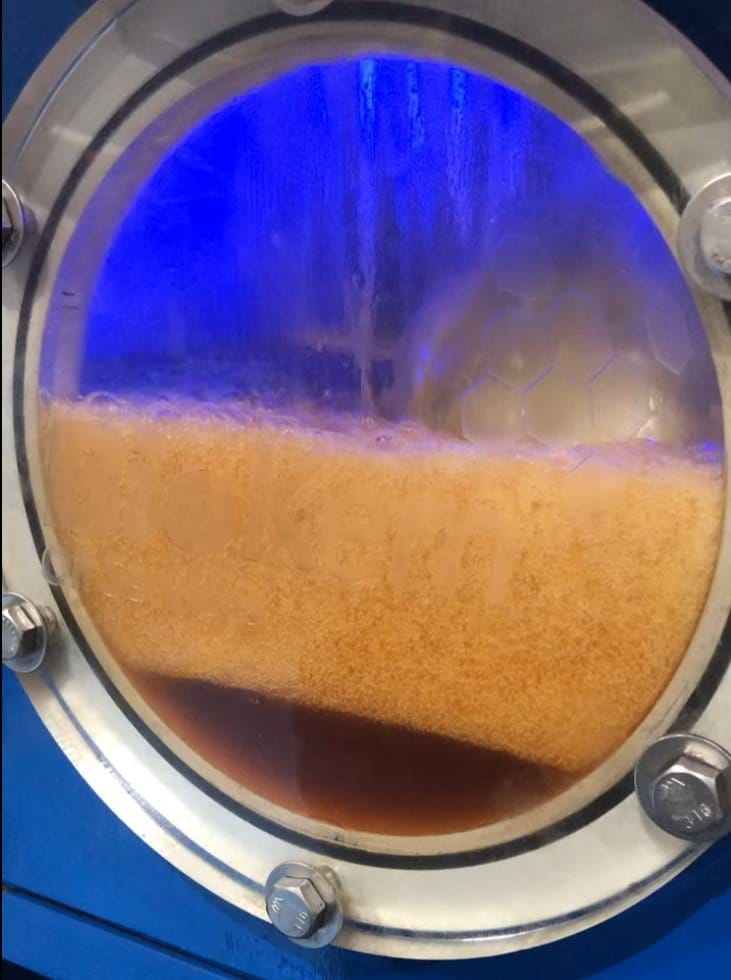
What Causes Foaming in Lube Oil? Key Causes and Solutions
Foaming is not merely a surface-level nuisance; it is a critical system health indicator signaling that your mechanical integrity or chemical balance…

Is Moisture in Your Compressor Lube Oil Causing Hydrogen Embrittlement?
The presence of just 1,000 parts per million of water in your lubricant can slash the life of a bearing by as much as 75%. While many operators wait…
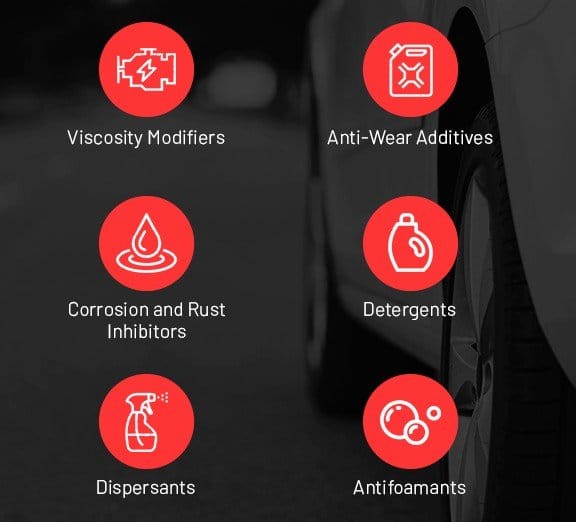
Lube Oil Additive Depletion: The Industrial Guide to Asset Protection
Your critical lubricants are not static assets; they are dynamic chemical solutions that begin to degrade the moment they enter service. While many…
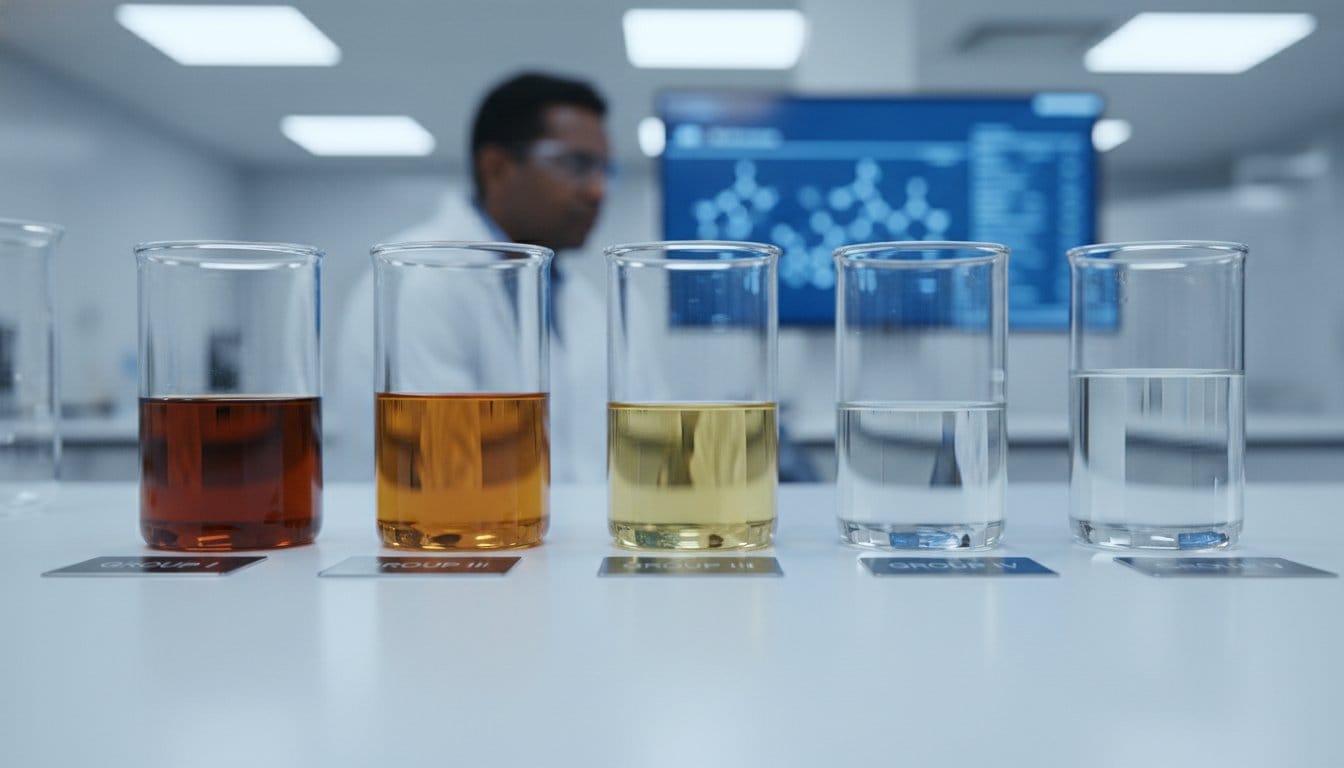
Understanding Lubricant Oil Groups: The Definitive Guide to API Classifications
Your choice of base oil is the primary predictor of how your lubricant will age, oxidise, and respond to advanced filtration. Many reliability…