

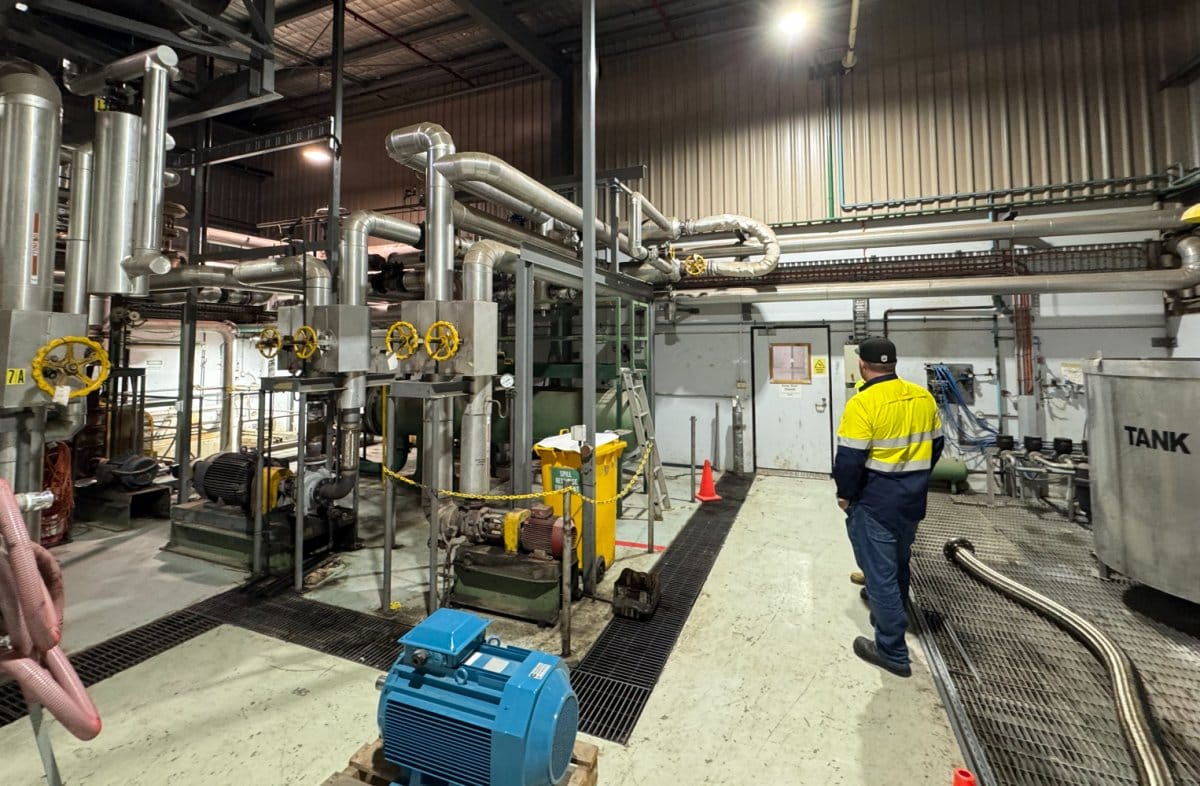
Treating your heat transfer fluid as a simple consumable is a costly mistake that often leads to irreversible system fouling and dangerous safety risks. If you’re seeing rising energy costs or worrying about lowered flash points, you’re not alone. Many Australian industrial operators struggle with the hidden costs of fluid breakdown, often only noticing the issue when a pump fails or a heater loses efficiency. Maintaining regulatory compliance under the WHS framework requires more than just hope; it demands a structured, scientific approach to fluid health.
Understanding the science of Heat Transfer Fluid Degradation and Prevention allows you to transform these fluids from a recurring expense into a long-term asset. You’ll gain the technical insight needed to identify chemical breakdown mechanisms and implement proactive maintenance strategies that improve thermal efficiency and extend asset life. We’ll explore the technical causes of fluid aging, such as oxidation and thermal cracking, and provide a roadmap for maximizing equipment longevity through precise analysis and purification. By the end of this article, you’ll know exactly how to keep your systems running safely and at peak performance.
Key Takeaways
- Distinguish between thermal cracking and oxidation to accurately diagnose the chemical cause of system inefficiencies and safety hazards.
- Establish a rigorous monitoring schedule using laboratory oil analysis to master Heat Transfer Fluid Degradation and Prevention and avoid unscheduled downtime.
- Quantify the operational costs of carbon fouling and high acid levels to understand their direct impact on energy consumption and asset longevity.
- Adopt engineering controls like nitrogen blanketing and specific start-up protocols to protect fluid integrity from oxygen exposure and localized overheating.
- Learn why high-velocity Hot Oil Flushing is the only effective method for removing residual sludge and varnish that a standard fluid change-out leaves behind.
The Chemistry of Failure: Thermal Cracking vs. Oxidation
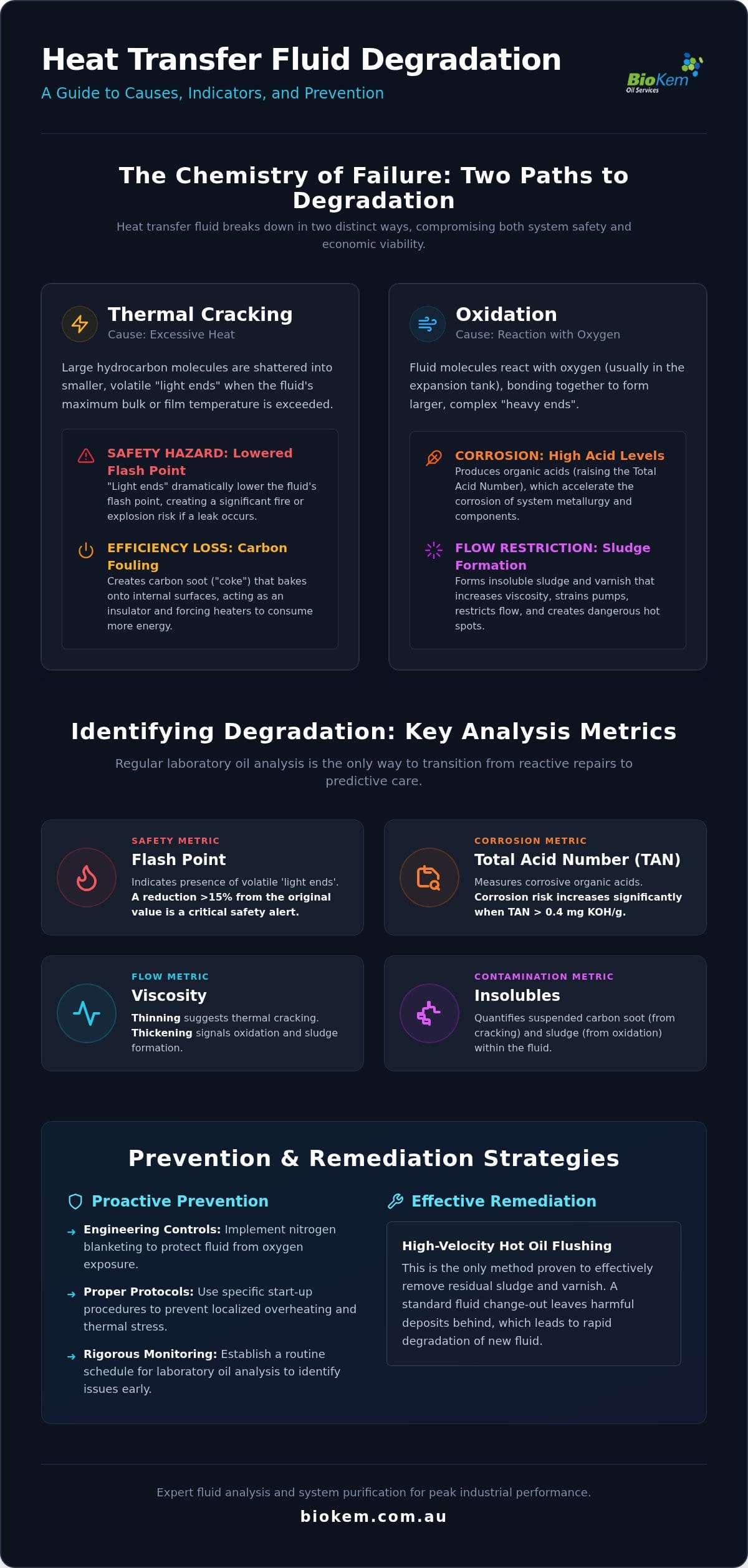
Heat transfer fluid degradation is the permanent chemical breakdown of the molecular chains that allow these oils to transport energy effectively. While many operators view fluid as a static medium, it’s actually a dynamic chemical system sensitive to thermal and environmental stress. Effective Heat Transfer Fluid Degradation and Prevention begins with identifying how these molecules split or bond under pressure. Understanding heat-transfer fluid characteristics is vital because the fluid’s thermal stability determines how quickly these reactions occur. When the fluid exceeds its maximum bulk or film temperature, the molecular bonds snap, leading to two distinct failure modes: thermal cracking and oxidation.
Thermal Cracking and the Risk of ‘Light Ends’
Oxidation and the Formation of Sludge
Oxidation is the result of the fluid reacting with atmospheric oxygen, typically within the expansion tank. Unlike cracking, oxidation creates “heavy ends” by bonding molecules together into larger, more complex structures. These reactions produce organic acids and insoluble resins that eventually settle as thick sludge throughout the system. A primary indicator of this process is an increase in the Total Acid Number (TAN). High acidity is problematic because it accelerates the corrosion of system metallurgy and increases fluid viscosity. As the fluid thickens, the pump must work harder to maintain flow, further reducing the overall thermal efficiency of the heat transfer system. Without intervention, this sludge restricts flow and creates localized hot spots.
These two mechanisms often act as a pincer movement on your operations. Cracking thins the fluid and creates fire risks, while oxidation thickens it and creates corrosive sludge. Together, they compromise the safety and economic viability of your industrial assets. Recognizing these chemical shifts early through routine analysis is the only way to prevent a total system shutdown.
Identifying Degradation: Key Indicators and Analysis Metrics
Relying on visual inspection is a recipe for disaster. By the time fluid looks visibly dark or cloudy, significant damage has likely already occurred. Regular laboratory testing is the backbone of Heat Transfer Fluid Degradation and Prevention. It provides a window into the chemical state of the system before mechanical failures manifest. Utilizing professional metrics for assessing heat transfer fluid condition allows maintenance teams to transition from reactive repairs to predictive care.
Laboratory reports focus on several critical variables that define fluid health. Viscosity is a primary indicator; thickening typically signals oxidation and sludge formation, while thinning suggests thermal cracking. The Total Acid Number (TAN) measures the concentration of organic acids. Once TAN exceeds a specific threshold, typically 0.4 mg KOH/g for many mineral oils, the risk of internal corrosion and varnish increases significantly. Flash point testing remains the most vital safety metric. A reduction of more than 15% from the original value often triggers safety alerts, as it indicates the presence of volatile light ends. Finally, pentane and heptane insolubles quantify the amount of carbon soot and sludge suspended in the fluid.
Physical Symptoms of Degraded HTF in the System
Mechanical symptoms often reveal what the oil is doing to the hardware. You might notice “cold spots” in your heat exchangers. These are often caused by sludge settling in low-flow areas, effectively blocking heat transfer. Increased pump noise or cavitation is another red flag. This happens when viscosity changes or light ends create vapor pockets. If valves are sticking or failing to actuate, it usually points to varnish buildup on internal components. These symptoms suggest that degradation has moved from a chemical issue to a mechanical one. If you notice these signs, a comprehensive fluid analysis and system review is the necessary first step.
Interpreting Lab Reports for Proactive Action
Reading a lab report requires looking beyond simple pass or fail limits. The real value lies in identifying trend changes over time. A sudden 5% jump in viscosity is more concerning than a steady, predictable rise over several years. Maintenance managers should also prioritize Filter Debris Analysis to detect microscopic metallic particles that signal pump or heater wear. For flash point safety, a reduction of 30°C below the manufacturer’s specification is generally considered the critical limit requiring immediate remediation. Monitoring these trends ensures you can intervene before a safety alert becomes an emergency.
The Operational Impact: Why HTF Degradation is an Economic Drain
The economic consequences of fluid failure extend far beyond the cost of replacement oil. In industrial settings, heat transfer fluid is a critical asset whose condition directly dictates operational overheads. Effective Heat Transfer Fluid Degradation and Prevention is essentially a strategy for protecting the bottom line. When fluid breaks down, it creates a cascade of inefficiencies that drain capital through increased energy consumption, accelerated wear, and lost production time. These costs are often “hidden” within standard maintenance budgets until a major component fails.
Carbon fouling represents one of the most significant of these hidden costs. Technical data suggests that a mere 1mm layer of carbon deposit on heater surfaces can increase energy costs by approximately 10%. This occurs because carbon acts as an effective insulator, resisting the flow of heat into the process fluid. To compensate, the burner or heating elements must work harder to achieve the same output. This inefficiency directly conflicts with modern sustainability goals, as it unnecessarily inflates the facility’s energy consumption and overall carbon footprint.
Thermal Resistance and Heat Transfer Efficiency
The physics of heat transfer relies on a stable boundary layer at the pipe wall. When degradation products like resins and coke settle, they disrupt this layer and create significant thermal resistance. This insulation effect prevents the heater from transferring energy efficiently to the bulk fluid. Consequently, the system must operate at higher temperatures to maintain process requirements. This paradoxically accelerates further thermal cracking, creating a self-reinforcing cycle of waste that eventually leads to localized overheating and potential tube rupture.
Mechanical Stress on Pumps and Seals
Degraded fluid is frequently laden with abrasive sludge and “coke” particles. These contaminants act as a grinding paste, rapidly eroding mechanical seals and internal pump components. As fluid viscosity increases due to oxidation, the pump motor must draw more power to maintain the required flow rate. This leads to higher utility bills and increased strain on the motor’s windings. Predicting these failures before they result in unscheduled downtime is possible through consistent oil analysis. By monitoring insoluble levels and viscosity trends, operators can avoid the massive expense of a total system flush and refill during peak production periods, ensuring the system remains an asset rather than a liability.
Proactive Prevention: Best Practices for Australian Industrial Systems
Preventing fluid failure requires a shift from passive observation to active engineering controls. Heat Transfer Fluid Degradation and Prevention is most effective when integrated into daily operational protocols rather than treated as an annual checkup. By controlling the environment in which the fluid operates, you can significantly slow the chemical reactions that lead to sludge and light ends. This proactive approach ensures that the fluid remains a stable medium for energy transport throughout its intended service life.
Nitrogen blanketing is the most effective mechanical defense against oxidation. Most oxidative damage occurs in the expansion tank where hot oil meets atmospheric oxygen. By maintaining a low-pressure blanket of inert nitrogen, you eliminate the oxygen contact necessary for the formation of organic acids and resins. Additionally, maintaining system insulation and checking valves for atmospheric ingress prevents moisture from entering the system, which can cause dangerous pressure spikes and accelerate internal corrosion.
Mechanical Defences Against Oxidation and Cracking
Maintaining a “cold seal” in the expansion tank is a critical yet often overlooked practice. This involves ensuring the oil in the tank stays below 60°C; at higher temperatures, the rate of oxidation doubles for every 10°C increase. Equally important is the management of flow rates during start-up and shut-down. Engaging the heater without reaching minimum flow velocities creates localized hot spots that shatter molecular chains. To manage the inevitable accumulation of carbon soot, utilizing Filters S.p.A. products provides the high-efficiency particulate removal required to keep heat exchanger surfaces clean and efficient.
The Maintenance Schedule: A Reliability-Centred Approach
Consistency is the foundation of reliability. For high-temperature industrial systems, a quarterly analysis cadence is the standard for catching subtle trend shifts before they manifest as mechanical failure. This testing should be part of a comprehensive proactive maintenance strategy that prioritizes asset longevity over immediate cost-cutting. Training operators to recognize early warning signs, such as unusual pump cavitation or slight increases in fuel consumption, allows for minor adjustments that prevent major downtime. If you need to establish a more rigorous monitoring program, you can request a technical system audit to identify specific vulnerabilities in your current setup.
Professional Remediation: Hot Oil Flushing and System Purification
A common misconception in maintenance is that a simple “drain and fill” procedure restores a system to its original state. In reality, stagnant oil and heavy sludge often cling to the internal pipework, leaving up to 15% of degraded fluid behind. This residual contamination immediately compromises the new charge, accelerating the cycle of Heat Transfer Fluid Degradation and Prevention failures. To achieve a true return to baseline efficiency, a mechanical intervention is required to strip away the varnish and carbon deposits that analysis alone cannot remove. Professional remediation is critical during system commissioning, fluid changeovers, or after a major degradation event has been identified. Understanding the cost of skipping oil flushing before startup makes clear why bypassing this step during commissioning is a high-stakes risk that frequently leads to premature asset failure within the first hours of operation.
Purification technologies like vacuum dehydration and varnish mitigation offer a way to recover fluid health without the need for a complete system replacement. These methods target the specific chemical contaminants, such as water and volatile light ends, that compromise safety and performance. By integrating these onsite solutions, industrial operators can maintain their thermal assets in peak condition while significantly extending the interval between major overhauls. For sites approaching a new startup, following a structured Commissioning Lubrication Systems: A Practical Checklist ensures that cleanliness standards are met from day one, preventing the infant mortality failures that contaminated systems so frequently experience.
The Science of High-Velocity Hot Oil Flushing
Effective Hot Oil Flushing requires achieving a high Reynolds Number. Standard circulation is often laminar, but remediation demands turbulent flow to create the shear forces necessary to scour internal surfaces. This turbulence lifts insoluble resins and coke particles into the flow stream for filtration. We utilize paddle flushing screens to monitor the debris removal in real time. This ensures the system is physically clean before new fluid is introduced, as detailed in our technical guides for industrial systems.
BioKem’s National Onsite Solutions
BioKem provides specialized onsite purification services across Australia, focusing on remediation that avoids total system shutdowns. Our vacuum dehydration technology removes water and volatile light ends while the system remains operational. This process restores flash points and viscosity, addressing the specific imbalances found during laboratory testing. Choosing onsite purification reduces environmental footprints and disposal costs. It’s a sustainable alternative to the traditional “waste and replace” model, aligning operational efficiency with long-term ecological responsibility.
Securing System Reliability and Thermal Efficiency
Managing industrial thermal assets requires a disciplined focus on fluid chemistry and mechanical integrity. Identifying the early signs of thermal cracking and oxidation through rigorous analysis is the first step in preventing catastrophic failure. By implementing a proactive strategy for Heat Transfer Fluid Degradation and Prevention, you protect your system from the insulating effects of carbon fouling and the corrosive impact of high acidity. This approach doesn’t just save money on energy costs. It ensures your facility meets modern safety and sustainability standards.
BioKem stands as the technical authority for Australian industries. As the sole distributor for Filters S.p.A. and providing nationwide onsite service, we specialize in high-velocity hot oil flushing and varnish mitigation. These services ensure your systems are restored to peak performance without the risks of a standard oil change. Speak with a BioKem specialist about your Heat Transfer System today to secure your equipment’s longevity. You can maintain a safe, efficient, and compliant operation with the right technical partnership.
Frequently Asked Questions
What is the difference between thermal cracking and oxidation in HTFs?
Thermal cracking occurs when high temperatures cause hydrocarbon molecules to shatter into smaller volatile components, which thins the fluid and lowers its flash point. Oxidation happens when the fluid reacts with oxygen, typically in the expansion tank, causing molecules to bond into larger structures. This increases viscosity and acidity, leading to sludge. While cracking creates fire risks, oxidation leads to corrosive deposits and mechanical blockages.
How often should I perform an oil analysis on my heat transfer system?
High-temperature systems should undergo laboratory oil analysis at least once every quarter to track chemical trends effectively. For systems operating at lower temperatures or under less stress, an annual check might suffice. Consistent testing is the foundation of Heat Transfer Fluid Degradation and Prevention because it identifies subtle shifts in viscosity or Total Acid Number before they manifest as mechanical failure or unscheduled downtime.
Can degraded heat transfer fluid be restored, or must it be replaced?
Degraded fluid can often be restored through onsite purification technologies like vacuum dehydration and high-efficiency filtration. These processes remove water, volatile light ends, and particulate matter to return the fluid to safe operating specifications. However, if the fluid’s reached its end of life limits for Total Acid Number or carbon insolubles, a full system flush and replacement may be the only viable option to protect the hardware.
What are the signs that my heat transfer fluid has reached its flash point limit?
A laboratory flash point reduction of 15% or more from the original value is a critical safety alert. Physical indicators often include pump cavitation or unusual pressure fluctuations caused by volatile light ends vaporizing within the system. Because these components are highly flammable, reaching this limit increases the risk of fire or explosion during a leak. Immediate remediation through light-ends removal or fluid replacement is necessary to maintain safety.
How does sludge in a thermal system affect energy consumption?
Sludge and carbon soot act as thermal insulators when they settle on heat exchanger surfaces. This layer resists the flow of energy from the burner into the process fluid, forcing the system to operate at higher temperatures to achieve the same output. Even a thin layer of fouling can increase energy costs by approximately 10%. This inefficiency places unnecessary stress on the heater and increases the facility’s overall carbon footprint.
Is hot oil flushing necessary if I am just changing the oil?
A simple drain and fill leaves behind residual sludge and varnish that can immediately contaminate the new fluid charge. Hot oil flushing uses high-velocity, turbulent flow to physically scour the internal pipework and remove these deposits. This ensures the system is clean and maximizes the service life of the new oil. Without flushing, the new fluid often degrades much faster due to the catalytic effect of the remaining contaminants. For a detailed breakdown of the financial and mechanical risks involved, see our analysis of the cost of skipping oil flushing before startup.
What is nitrogen blanketing and how does it prevent fluid degradation?
Nitrogen blanketing involves maintaining a low-pressure layer of inert nitrogen gas within the system’s expansion tank. This prevents atmospheric oxygen from contacting the hot oil, effectively stopping the oxidation process before it starts. Since oxidation is a primary driver of Heat Transfer Fluid Degradation and Prevention issues like sludge and acidity, this engineering control is one of the most effective ways to extend the life of expensive industrial fluids.
How do I know if my system requires varnish mitigation?
Systems typically require varnish mitigation if you notice sticking control valves, failing mechanical seals, or unexplained cold spots in heat exchangers. Laboratory metrics like the Membrane Patch Colorimetry (MPC) test can also quantify the potential for varnish formation. If your oil analysis shows rising insoluble levels or an increasing Total Acid Number, implementing varnish mitigation can remove these soft contaminants before they bake into hard, permanent carbon deposits on your equipment.