


A lubrication credential is most useful when it matches the work you do. ICML certification is helpful for lube techs who want to build structured…
Essential Noria Qualifications for Lubrication Planning
Choosing Noria qualifications for lubrication planning starts with the decisions each role must make. The most relevant training addresses the gap…
Why BioKem’s OFS VDOPS Are the Best in the World
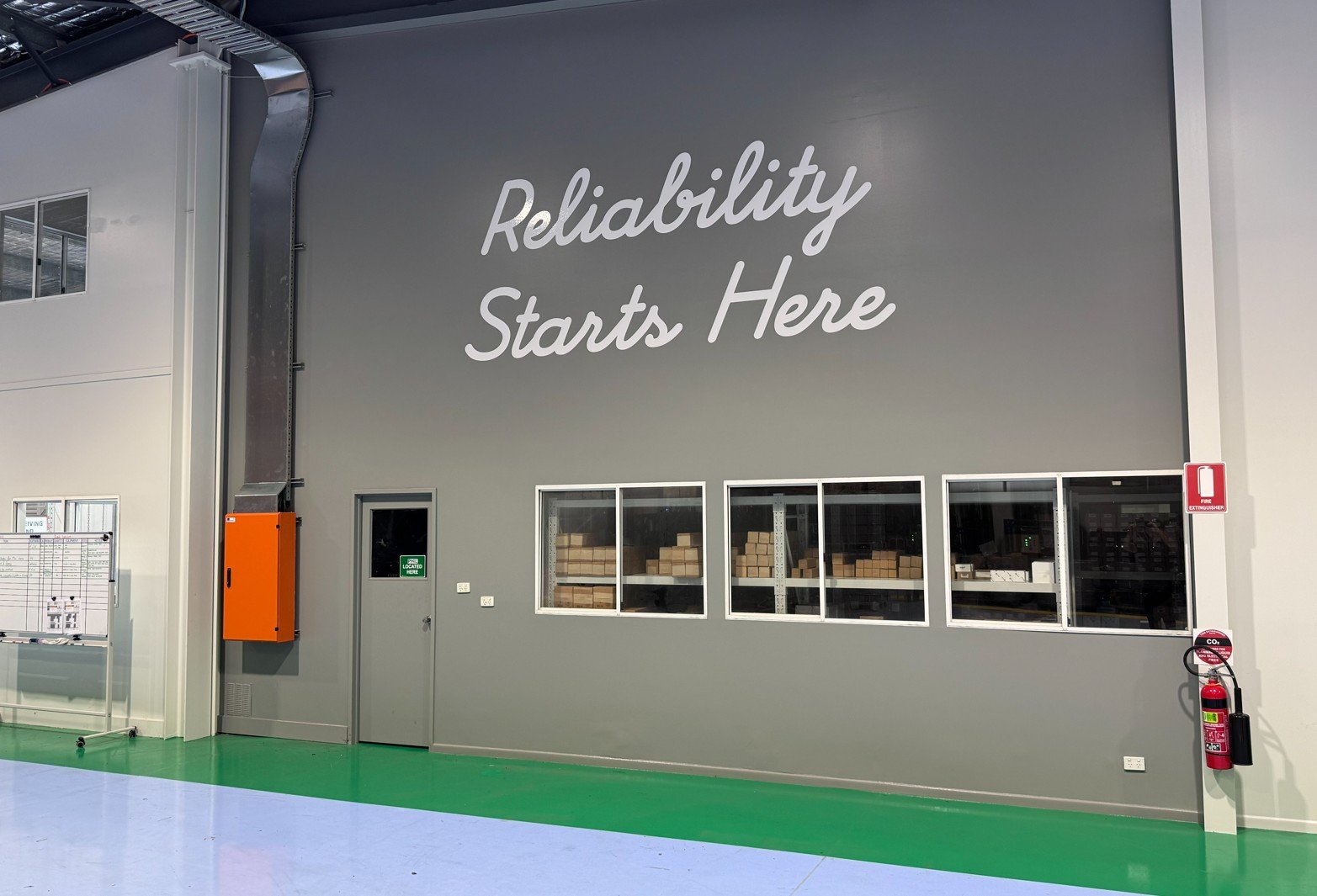
Clean oil requires more than removing visible particles. A vacuum dehydration oil purification system (VDOPS) uses vacuum, heat and filtration to…
Why FAT Is Critical for Lube Consoles & Coolers
An overlooked defect in a lubrication console or oil cooler can undermine equipment reliability after installation. A factory acceptance test (FAT)…
downtime cost calculator manufacturing: Everything You Need to Know
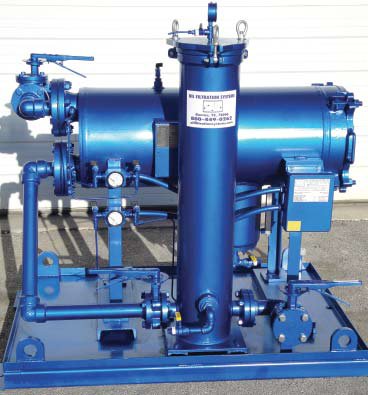
Hydraulic downtime is easier to prevent when fluid condition is treated as an operating signal, not just a consumable. Preventing hydraulic downtime…
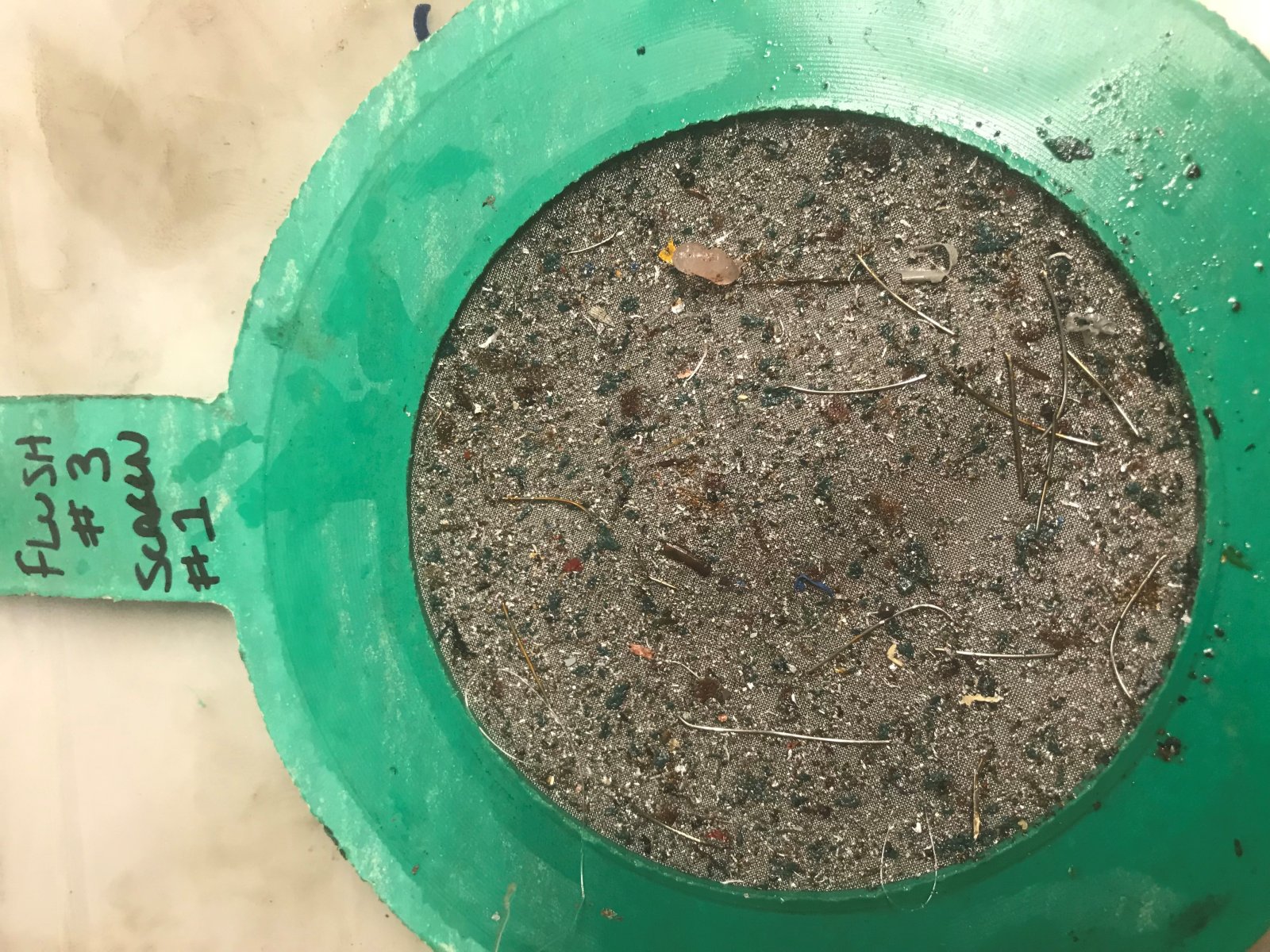
extending industrial equipment lifespan: Everything You Need to Know
Maintenance is more than an operating cost: it helps control the wear that shortens equipment life. Extending industrial equipment lifespan starts…
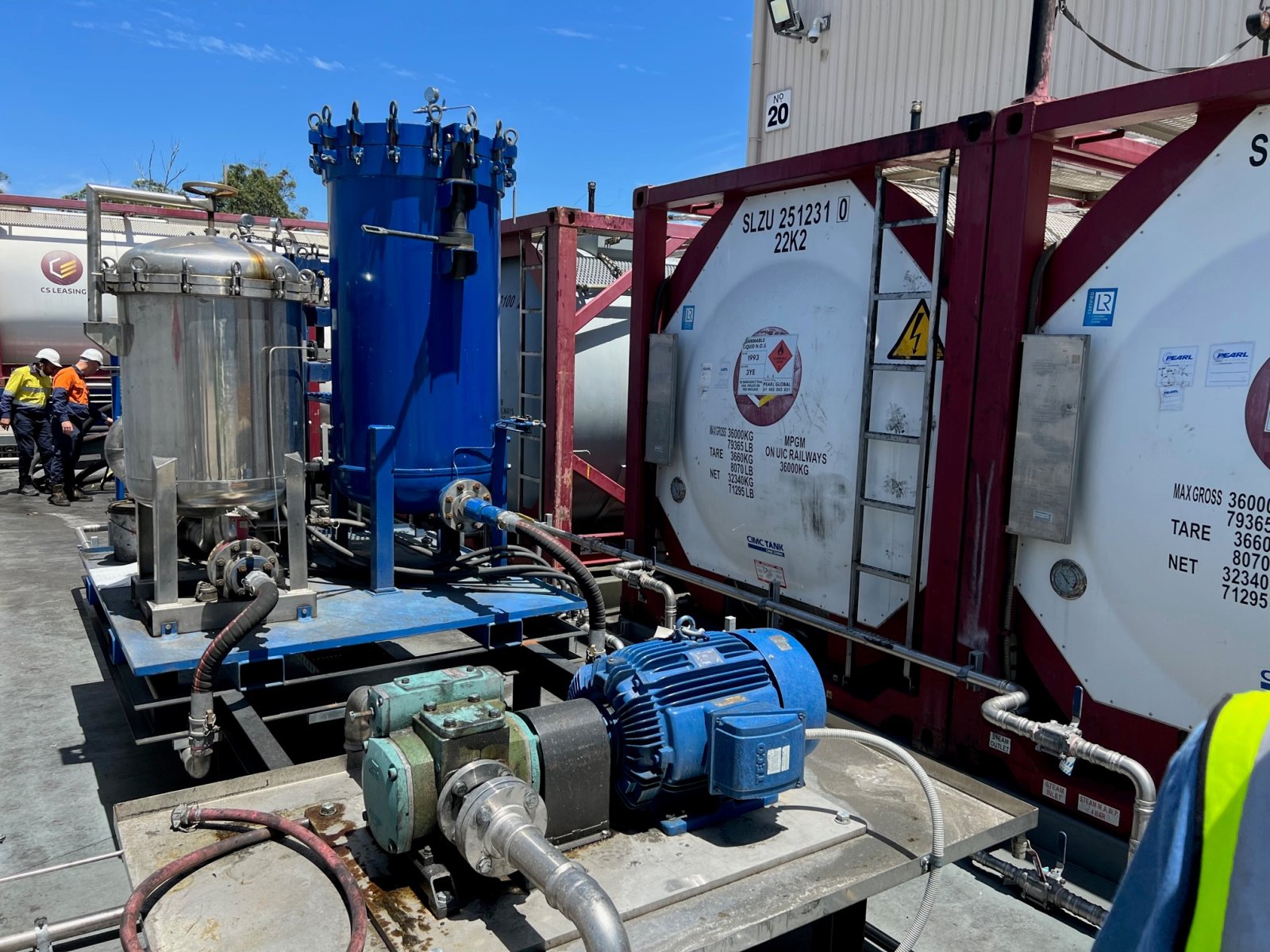
Injection Moulding Hydraulic Fluid Maintenance Guide
Clean oil is a pressure-control measure, not just a housekeeping task. Hydraulic fluid maintenance for plastic injection moulding machines should…
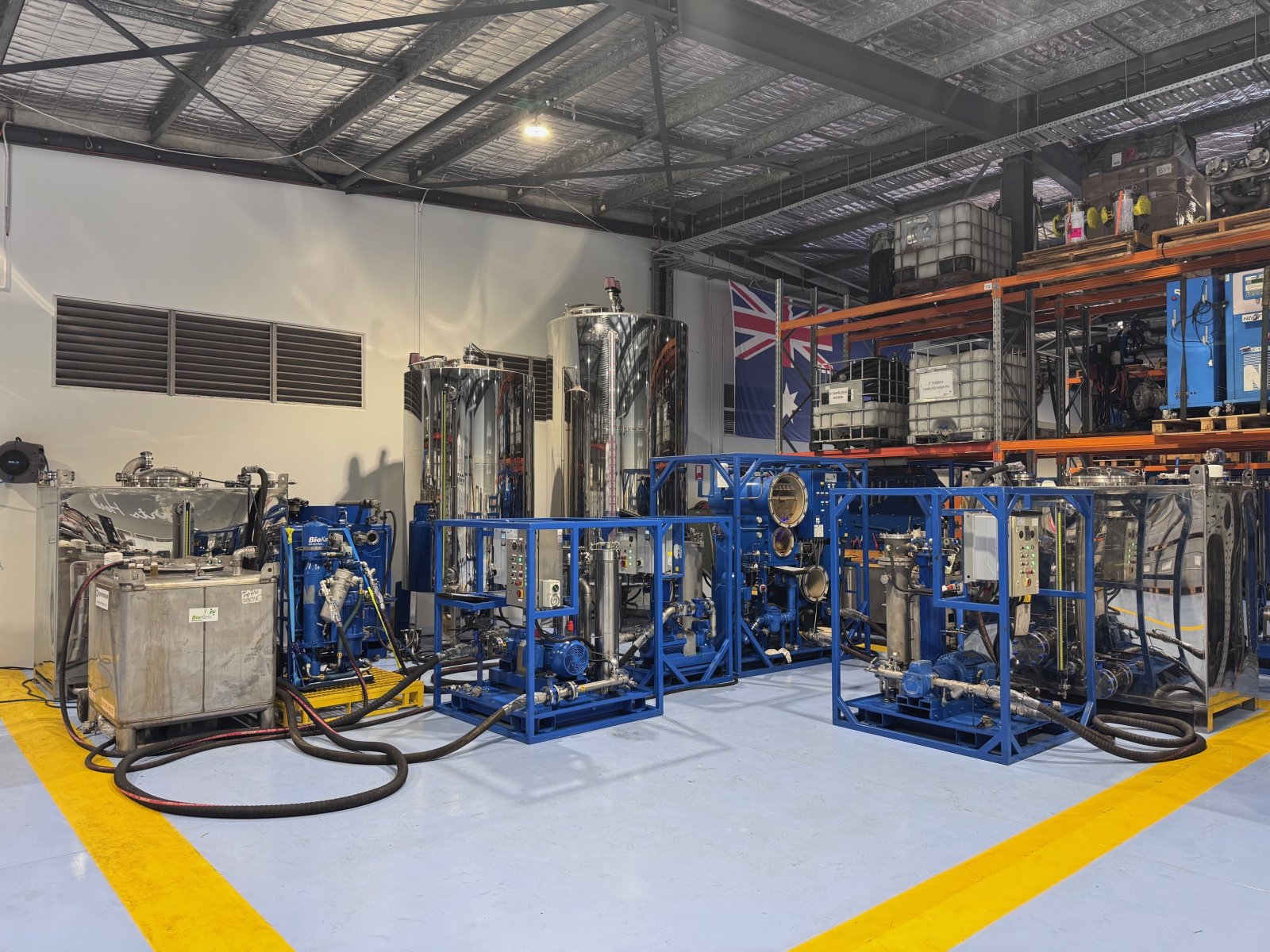
The Ultimate Guide to pipeline pre-commissioning cleaning
A pipe can look clean and still contain contamination that threatens equipment at start-up. Pre-commissioning hot oil flushing circulates heated oil…
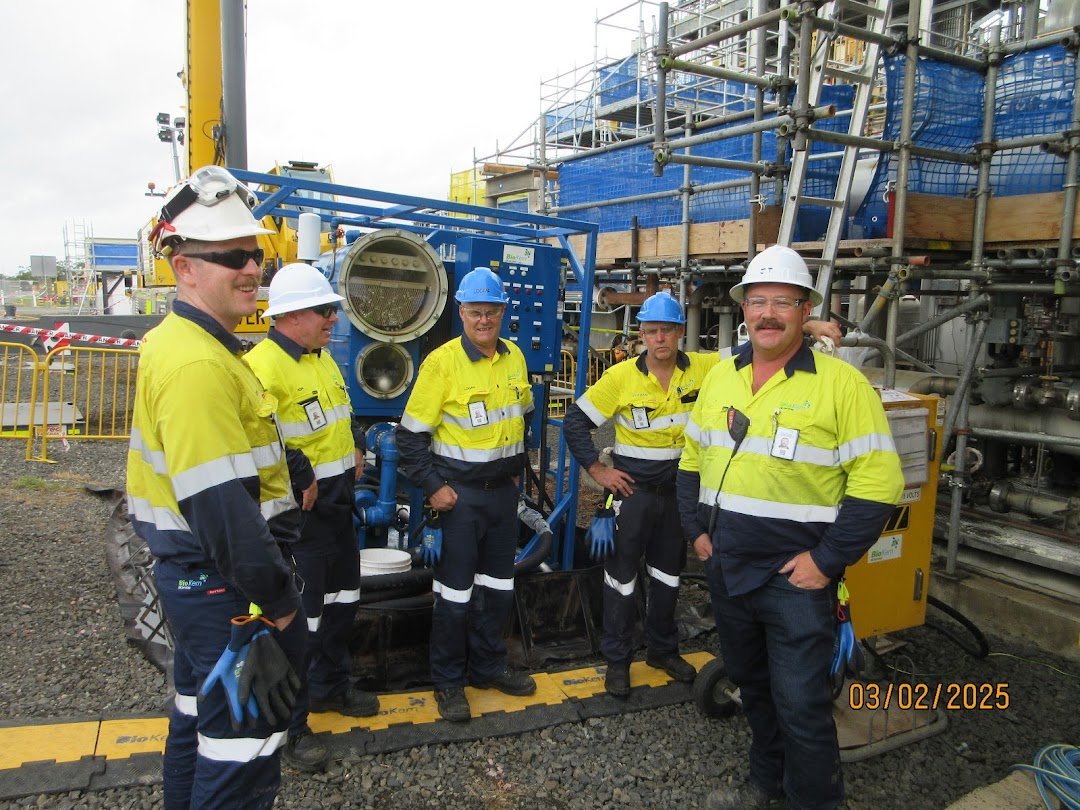
Transformer oil purification process: Everything You Need to Know
Oil that looks clean can still carry contaminants that affect hydraulic equipment. Hydraulic oil purification methods remove particles and other…
Causes of premature bearing failure Best Practices and Expert Advice
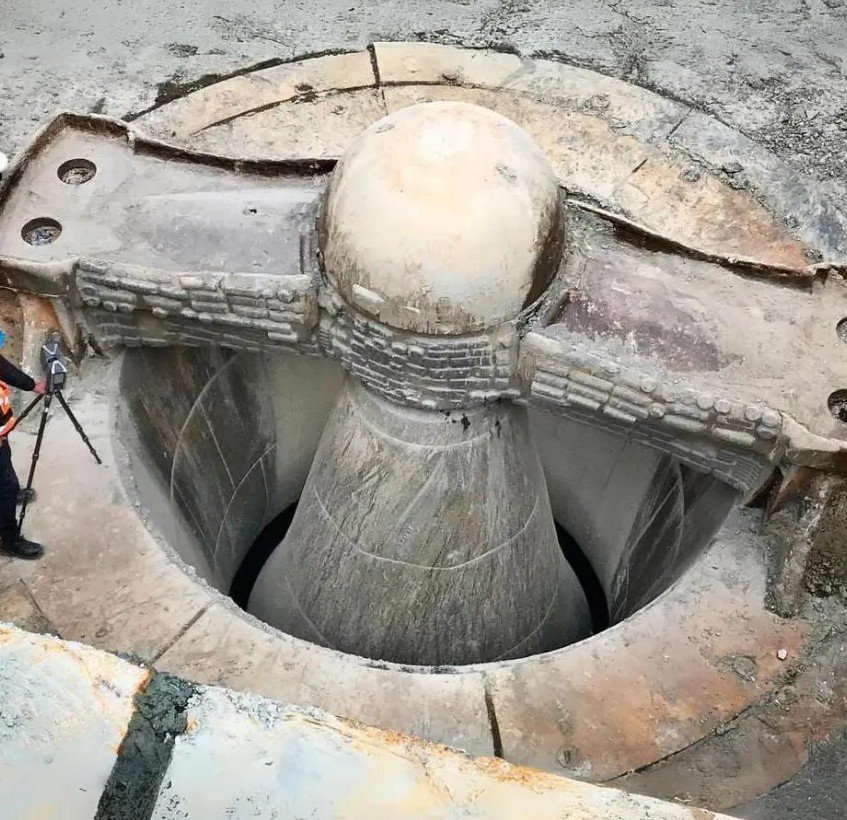
Lubrication-related problems account for 36% of premature bearing failures, while bearing fatigue accounts for 34%. Incorrect installation and…
Coalescer Working Principle: Clean Industrial Oil
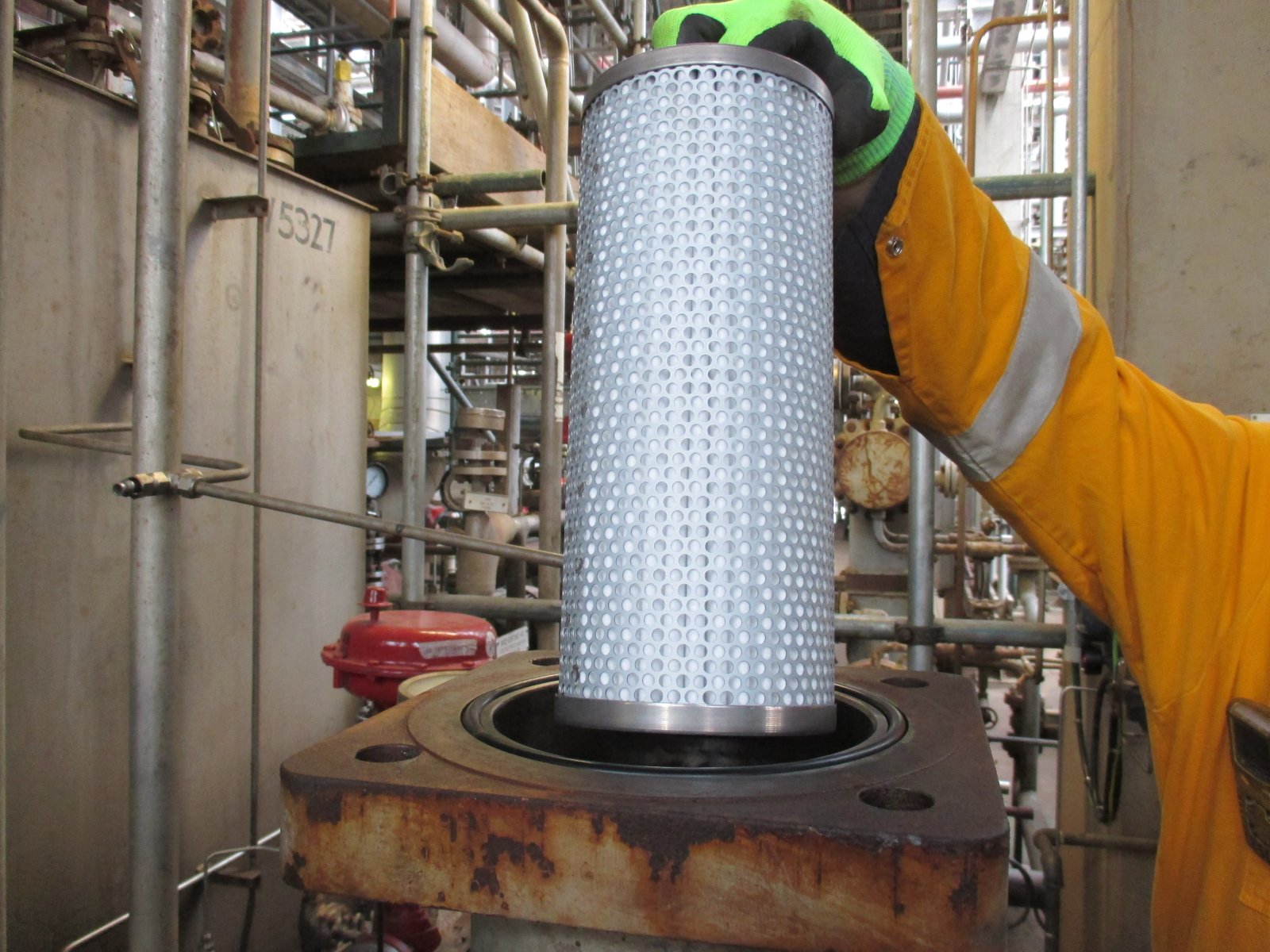
Clean oil depends on separating droplets, not just trapping solids. The working principle of an industrial oil coalescer is to capture fine liquid…
Complete turbine bearing failure analysis Guide for Success
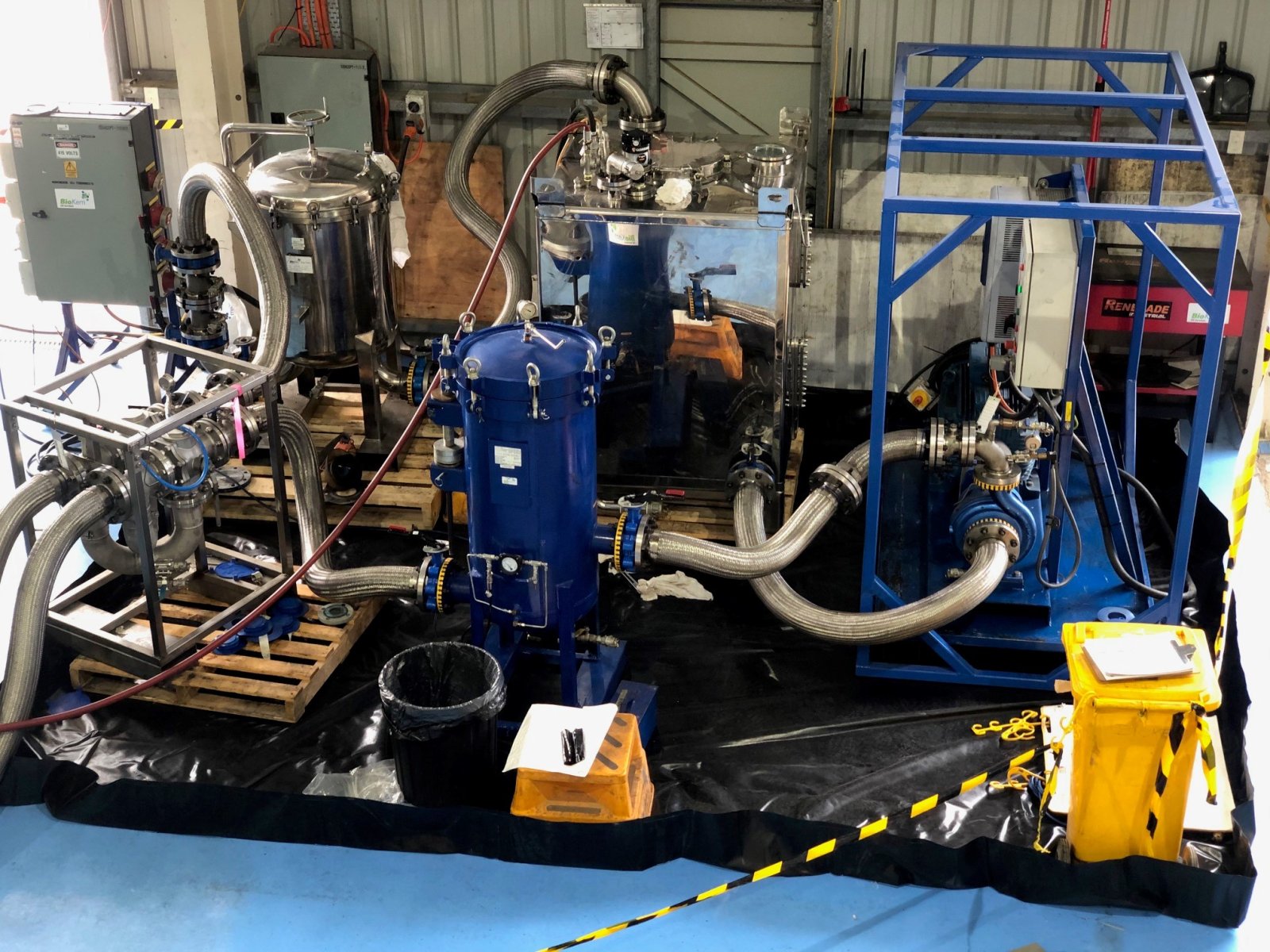
A damaged bearing rarely tells the whole story. Turbine bearing failure analysis matters because it connects physical damage with operating…
Tank Cleaning SWMS: Essential Safety Checklist
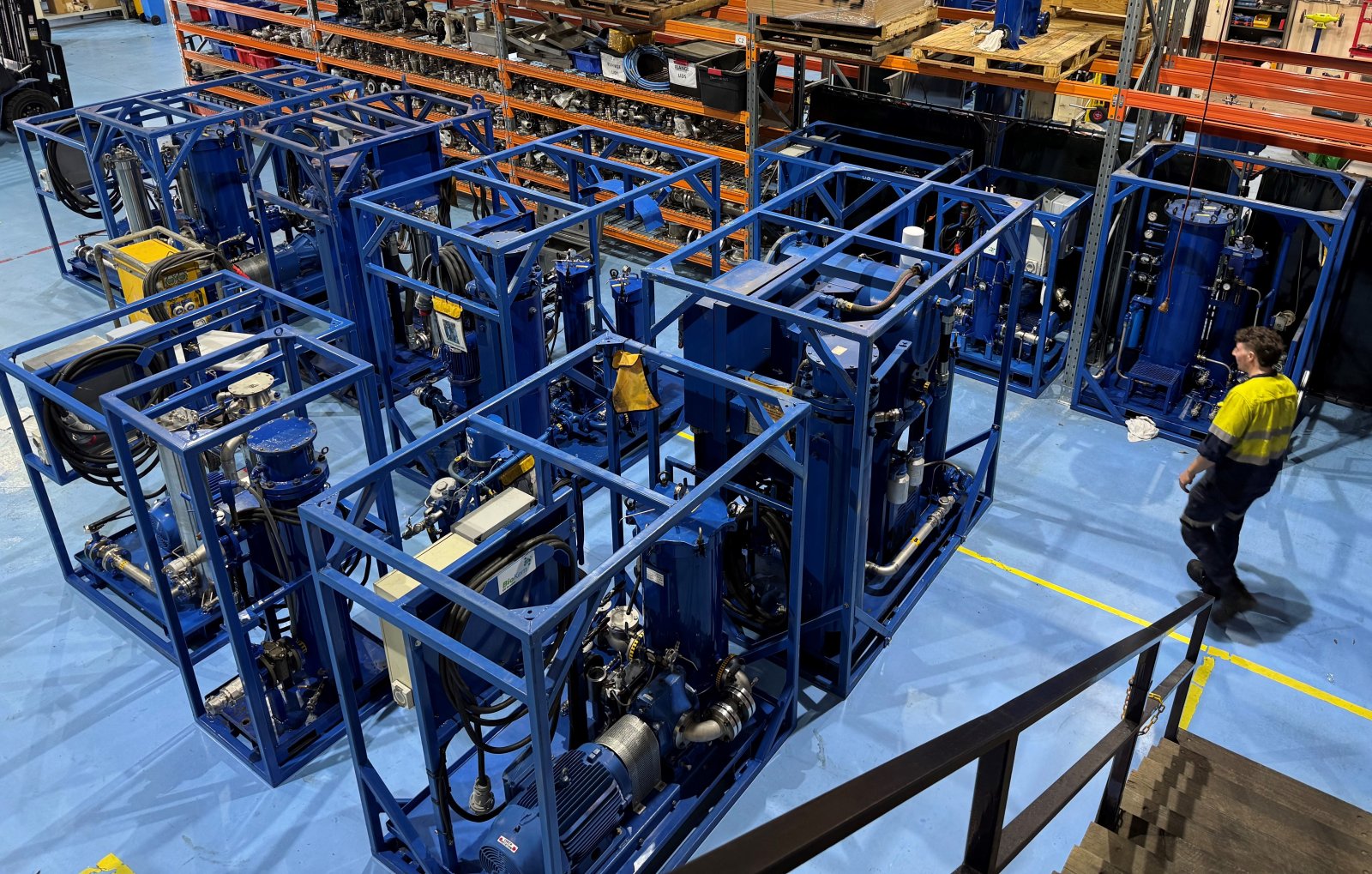
A safety work method statement (SWMS) for tank cleaning is required in Australia when the work is classified as high-risk construction work. Even…

The best oil sampling techniques: Everything You Need to Know
A clean bottle can’t rescue a sample taken from the wrong place. The best oil sampling techniques use the same active sampling point each time,…
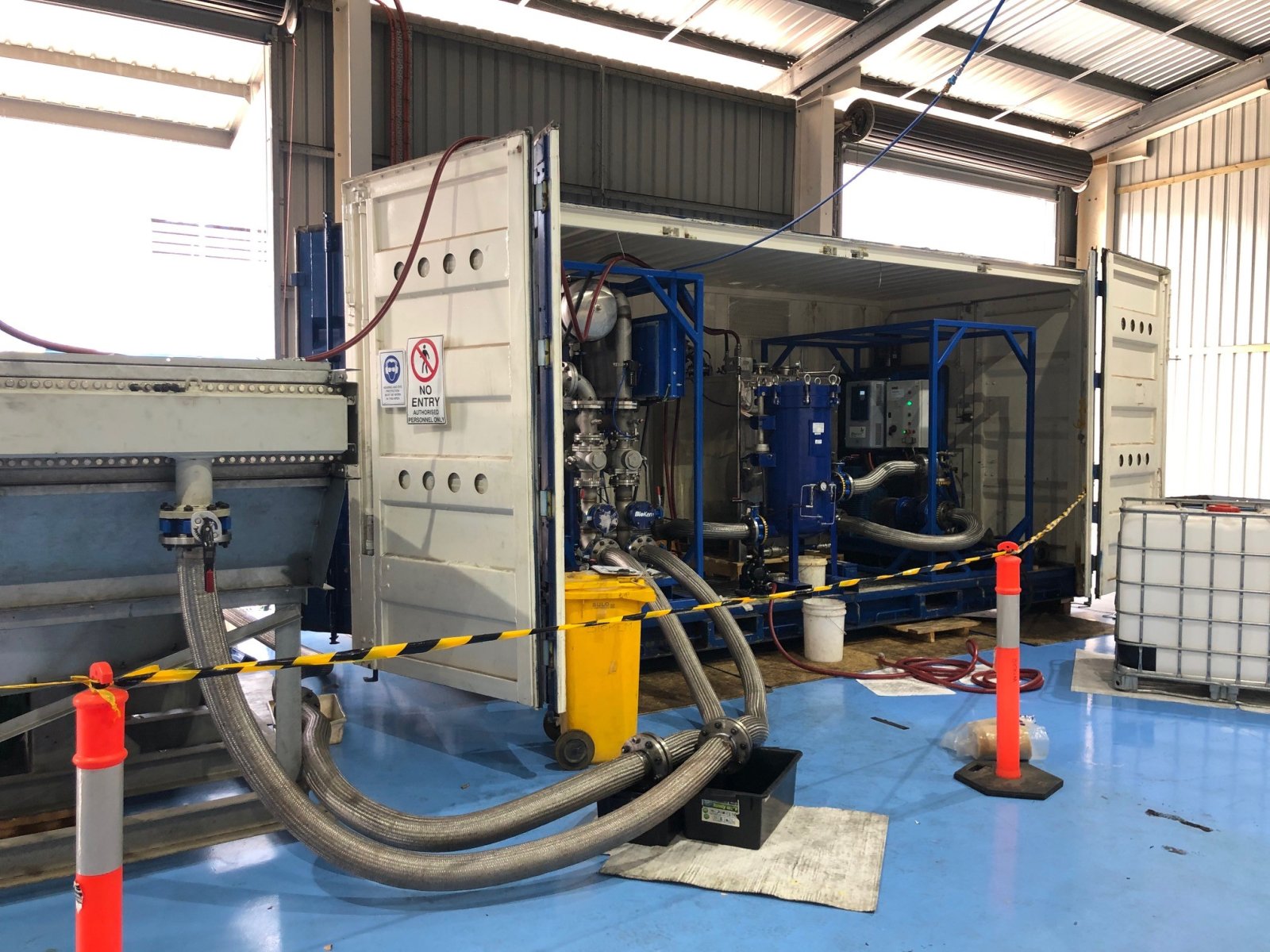
How to Master how to set up a lubrication program for Better Results
Cleanliness is a core control for equipment reliability, not a finishing step. There is no universal setup timeline: the work depends on the assets,…
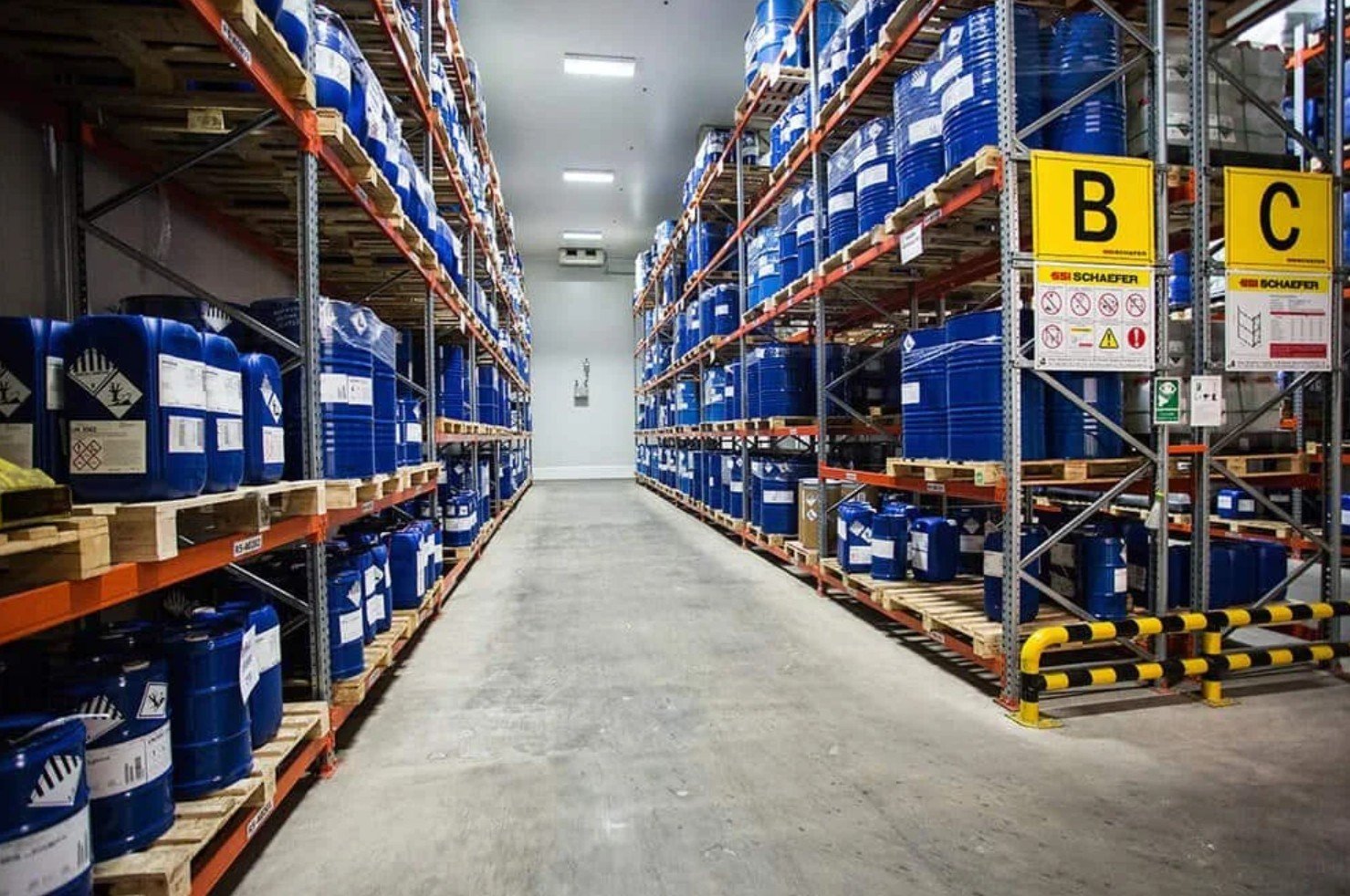
Pre-Qualifying Industrial Service Providers: Checklist
Re-qualify subcontractors annually or every two years. There is no universal regulatory cycle, so set the timing of your pre-qualification checklist…
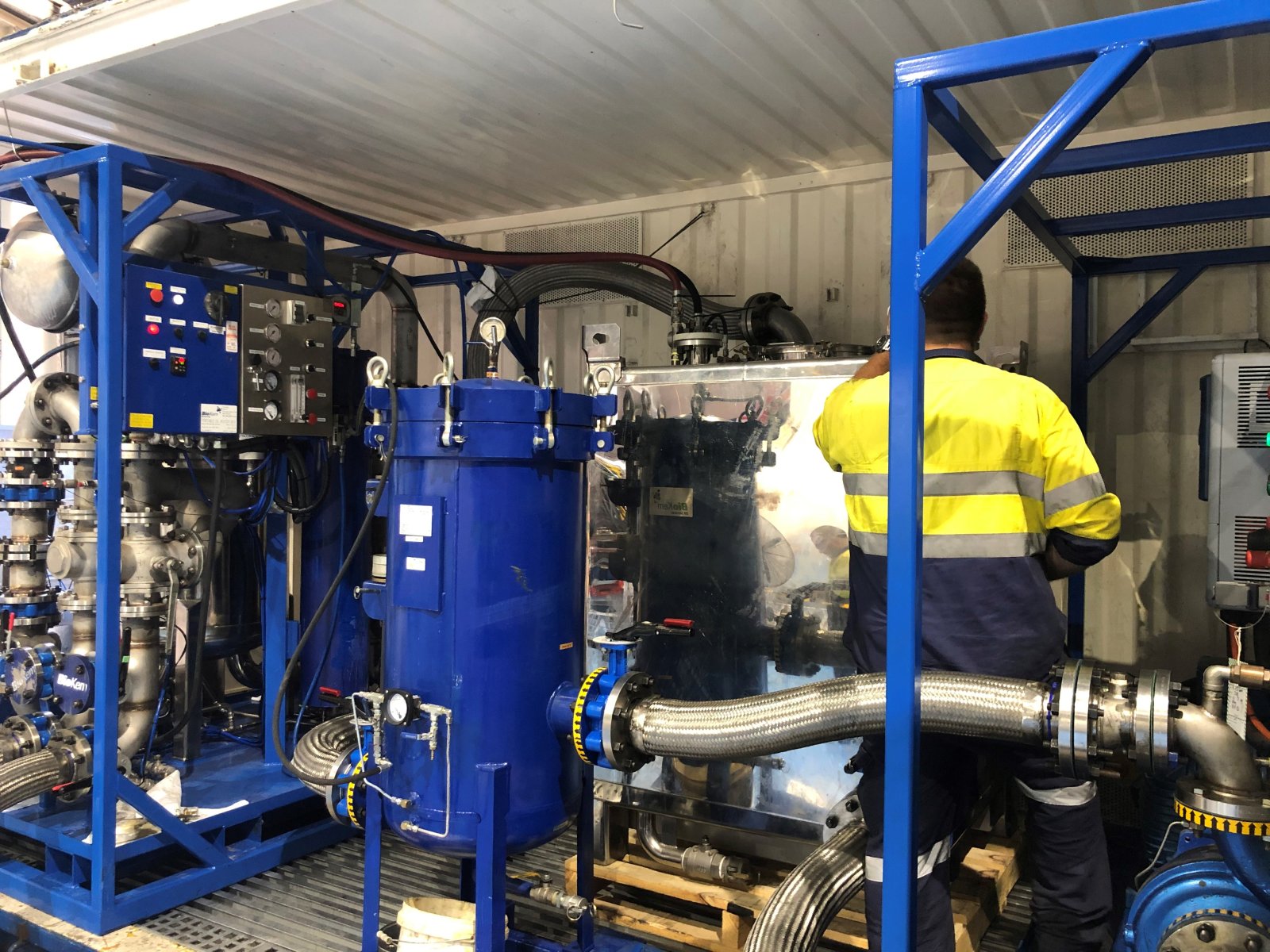
Complete common lubrication mistakes to avoid Guide for Success
Most lubrication failures stem from preventable process errors, not a lack of lubricant. Common lubrication mistakes to avoid include using oil or…
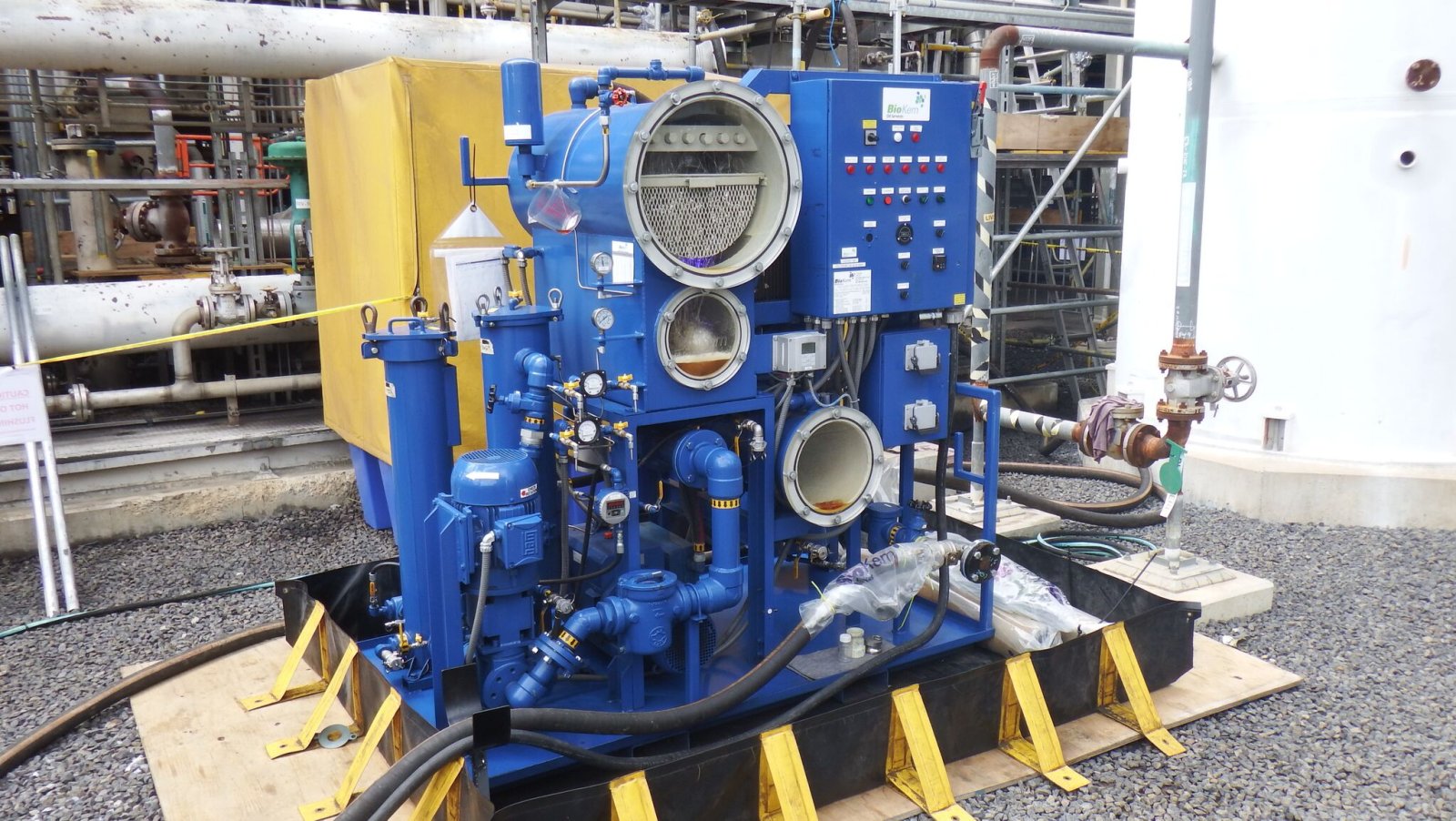
lubrication management best practices Best Practices and Expert Advice
Contamination can turn a suitable lubricant into a source of wear, heat and unreliable machine operation. Effective lubrication management best…
Are Aftermarket Oil Additive Packages Worth It?
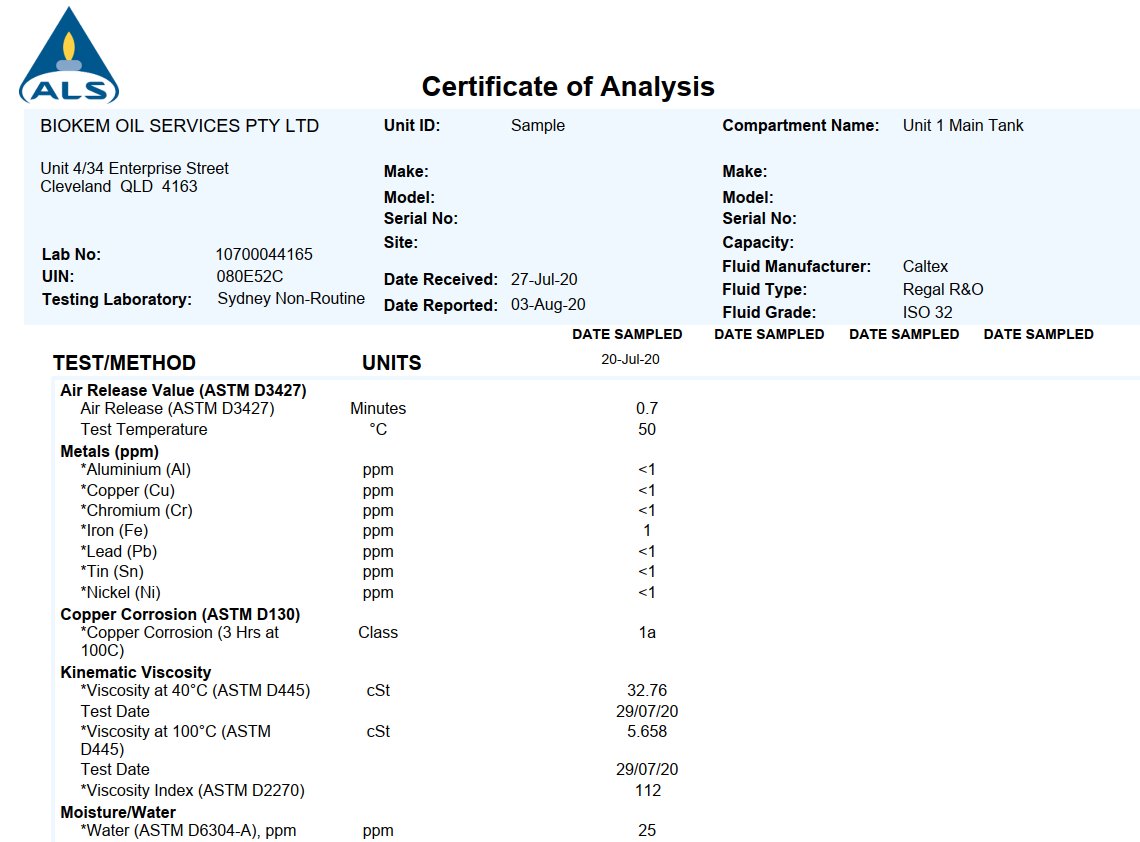
An aftermarket oil additive isn’t automatically an upgrade. Modern engine oils already contain a balanced additive package, and an untested product…
Warning Signs a Bearing Is About to Fail
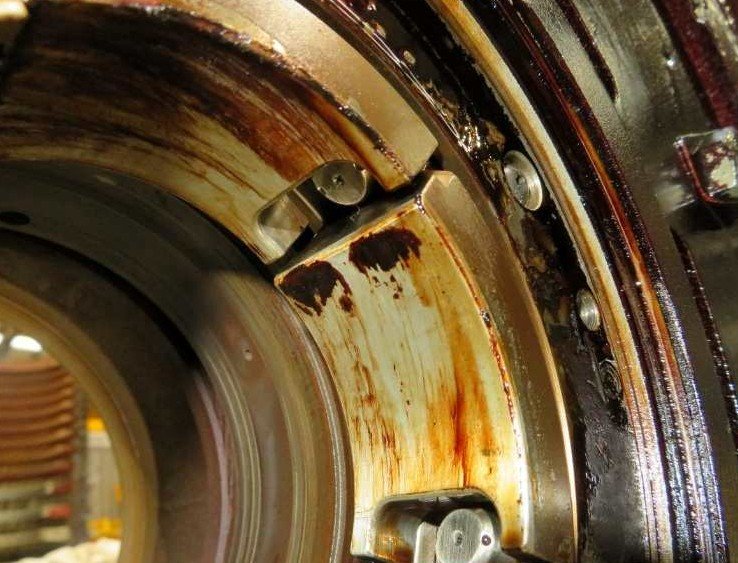
Yes, there are warning signs that a bearing is about to fail. A worn wheel bearing often hums or growls more loudly as road speed rises, while…