

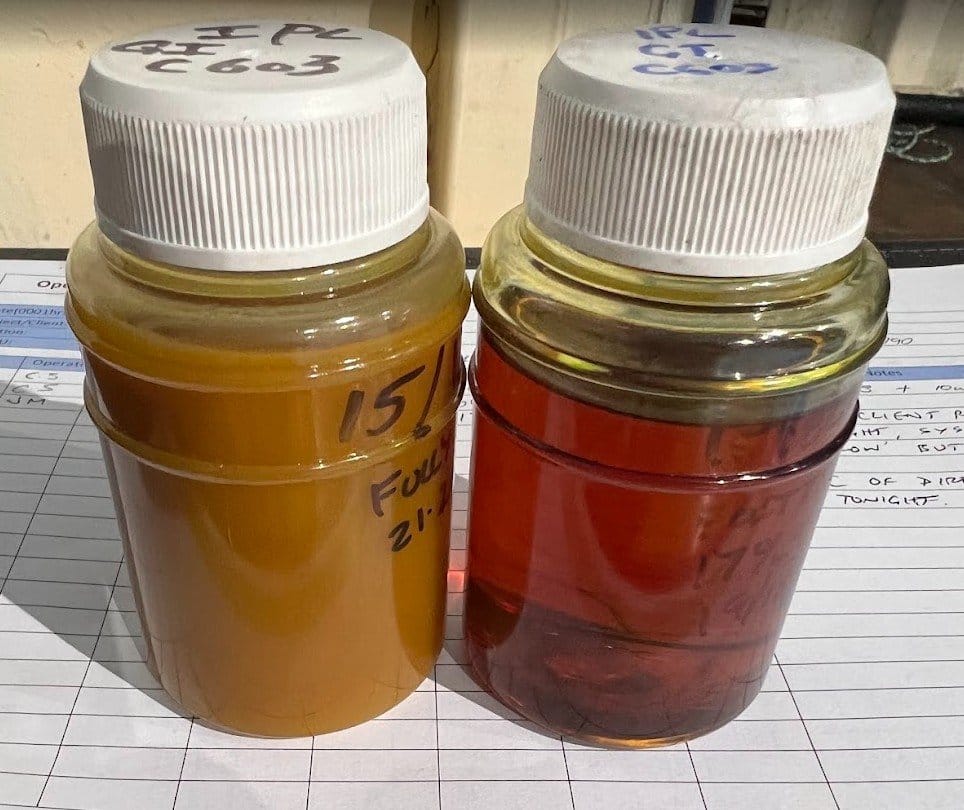
A higher ISO 4406 particle count is a reason to investigate, not a diagnosis. What Does a Sudden Increase in an ISO 4406 Particle Count Mean? It may…
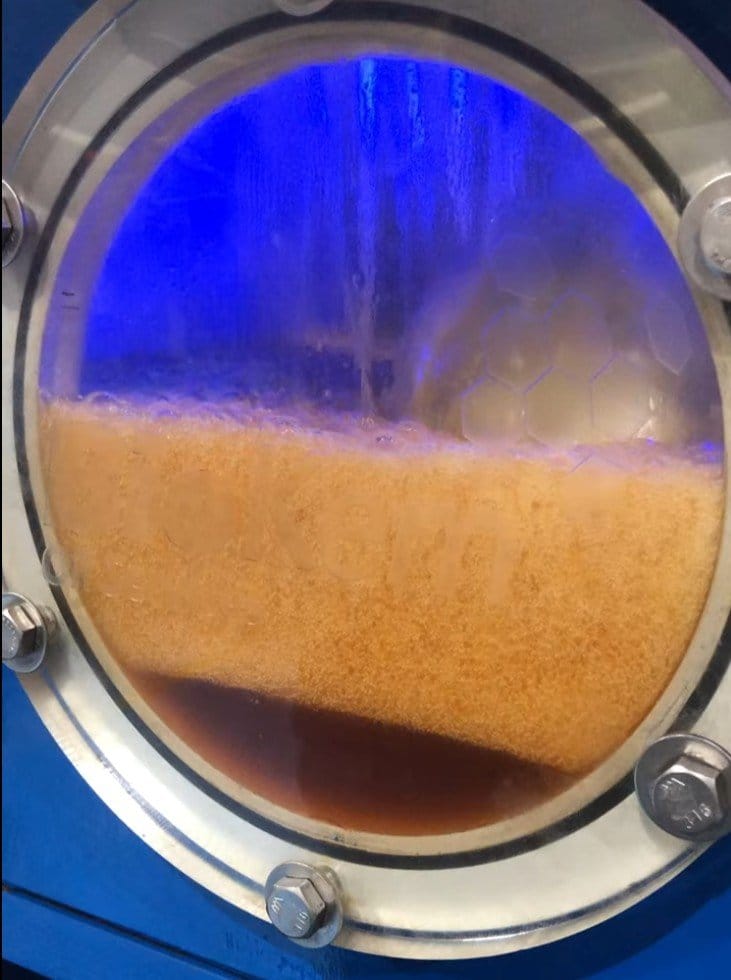
Lubrication System Flushing: 2026 Industrial Guide
Passive lubricant circulation does not decontaminate critical machinery; it simply washes clean fluid over settled debris. True industrial…
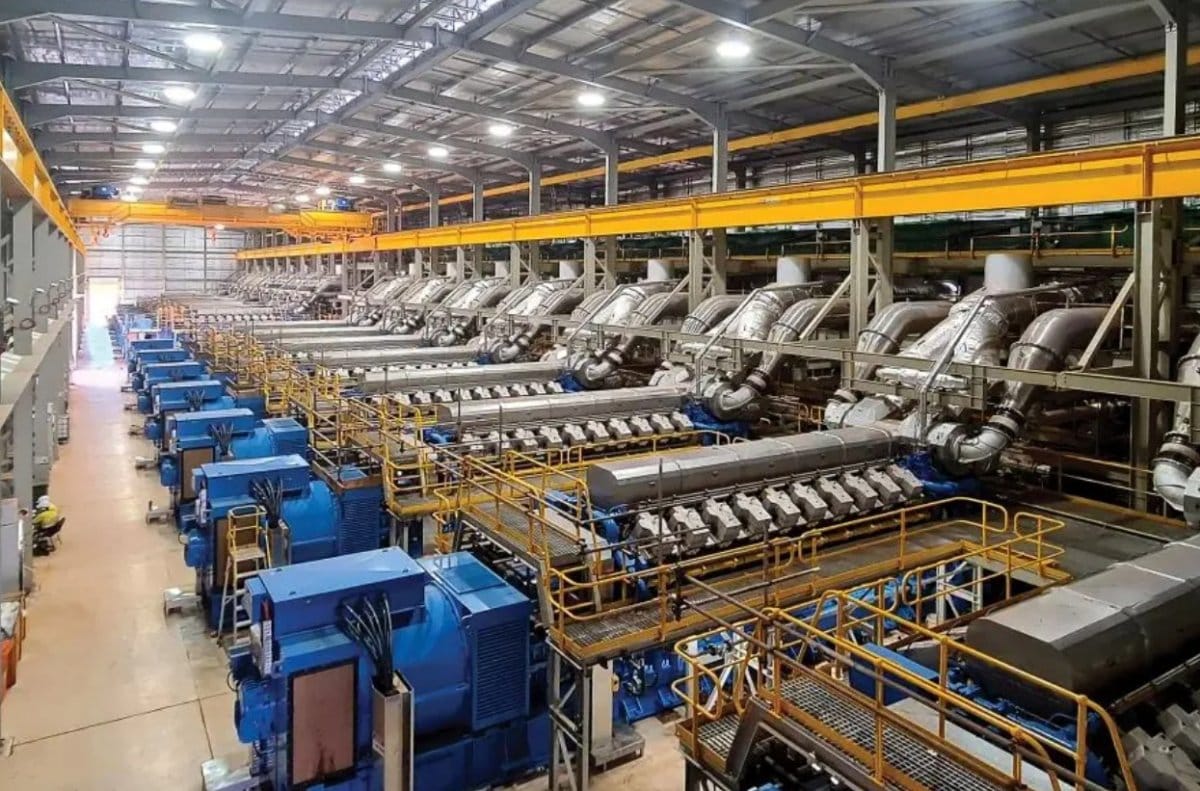
Successful Lube Oil Commissioning on new Bergen B36:45V20 gas-fired reciprocating engines for data centres
In 2026, unplanned IT downtime averages roughly $15,000 per minute, and it’s common for major outages to exceed $1 million. In this high-stakes…
Lubrication Oils Analysis: The Industrial Guide to Asset Health in 2026
Research shows that up to 80% of industrial machinery failures stem directly from fluid contamination, yet routine fluid sampling often fails to stop…
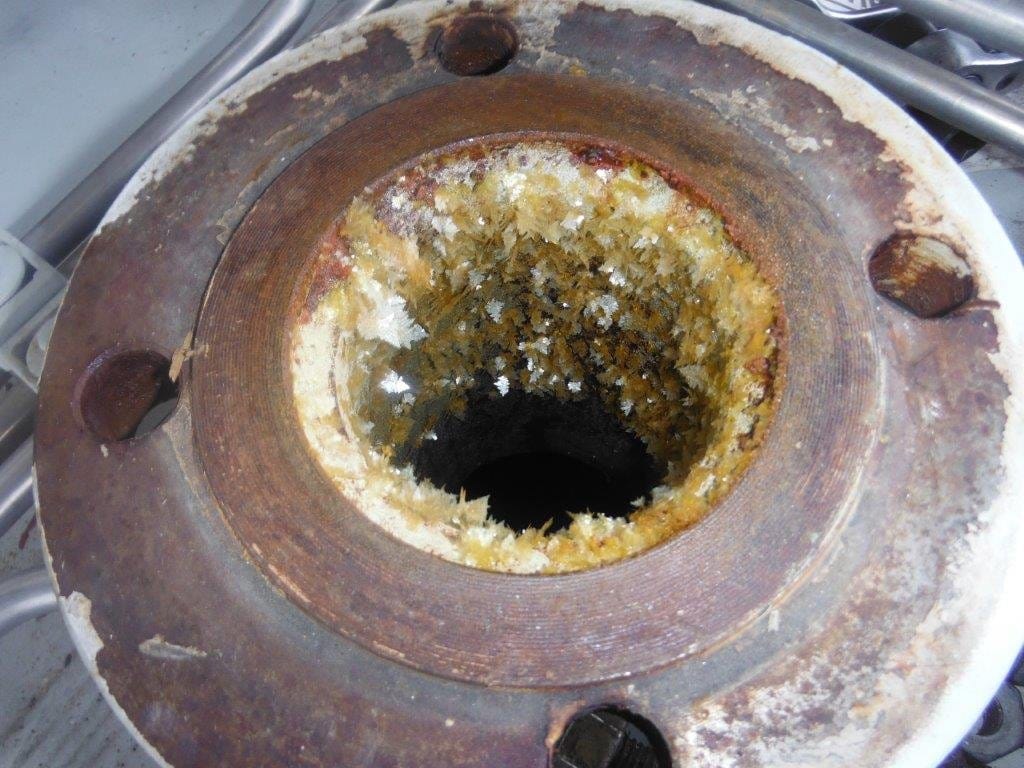
Chemical Cleaning Procedure for Carbon Steel Lines
Corrosion costs the Australian economy an estimated $78 billion annually, representing up to 5.2% of our national GDP. For maintenance engineers, the…
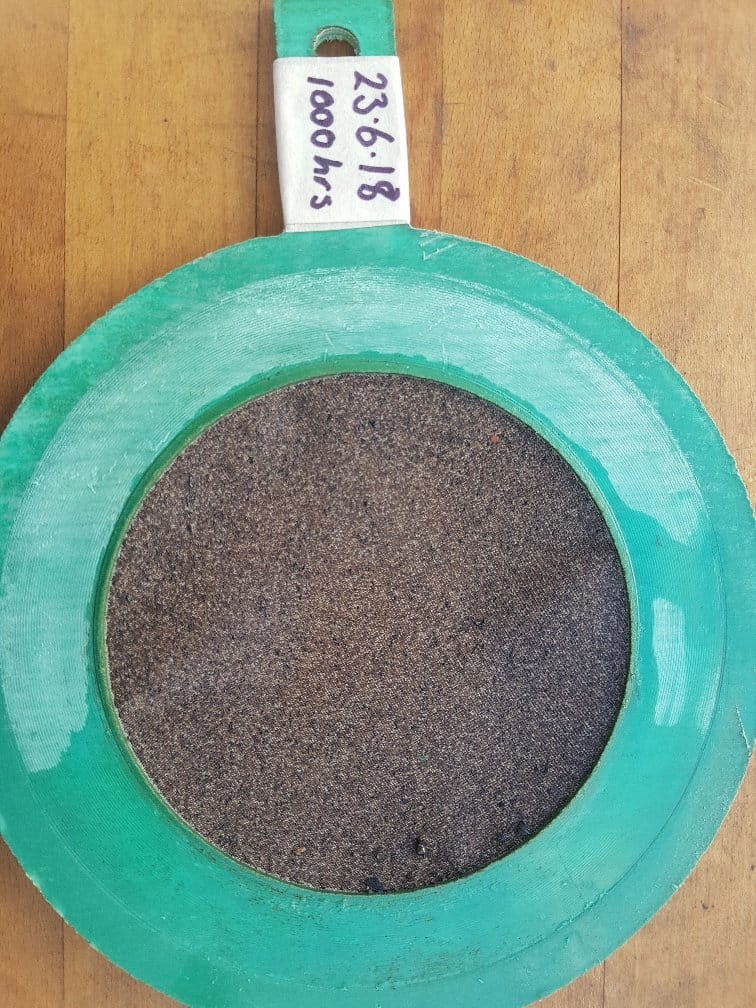
Defining Battery Limits for Better Hot Oil Flushing
A single undefined flange or a missing power outlet can be the difference between a successful maintenance shutdown and a multimillion-dollar repair…
Hot Oil Flushing: Guide to Flushing Bearing Circuits
Subjecting your high-value turbine or compressor bearings to a high-velocity oil flush is effectively sandblasting your most critical assets from the…
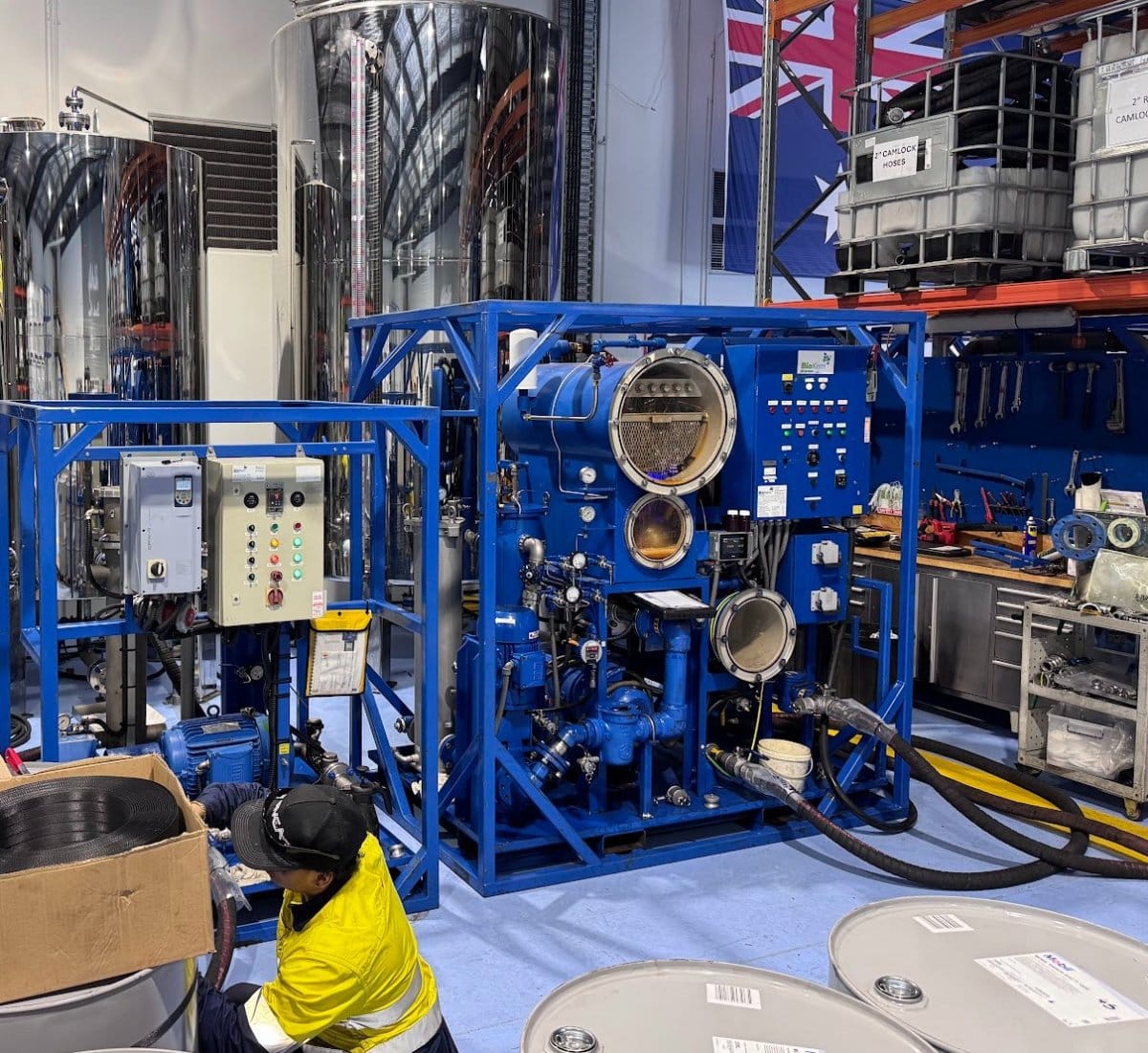
Vacuum Dehydrator Oil Purification: The Industrial Guide to Moisture Removal
Did you know that up to 80% of all hydraulic and lubrication-related equipment failures stem directly from oil contamination? While particulate…
ISO Cleanliness Codes: Guide to Industrial Oil Standards
Up to 82% of industrial equipment wear is the direct result of particle contamination within the lubricant. It’s a staggering statistic that proves…
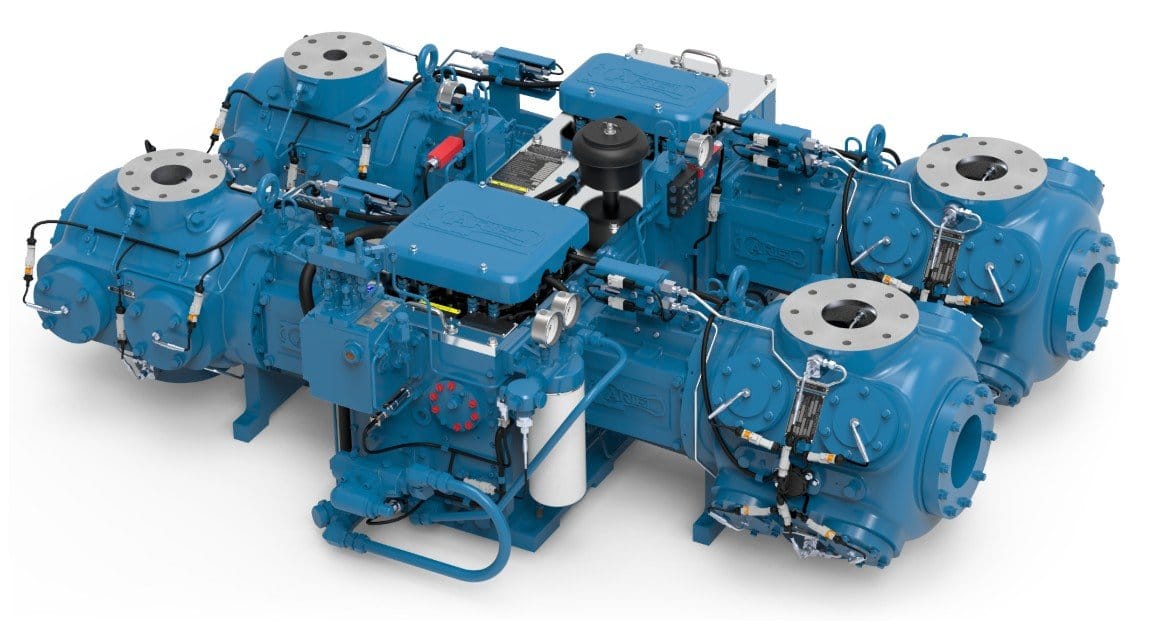
Guide to Industrial Compressor Lubrication Requirements
Compressor reliability isn’t just about the oil you put in; it’s about the cleanliness of the system it flows through. While many operators focus…
How to Select the Correct Machine Lubricant for Efficiency
Dispersants are projected to command 34.0% of the global lubricant additives market by 2026, yet even the most advanced chemical packages fail when…
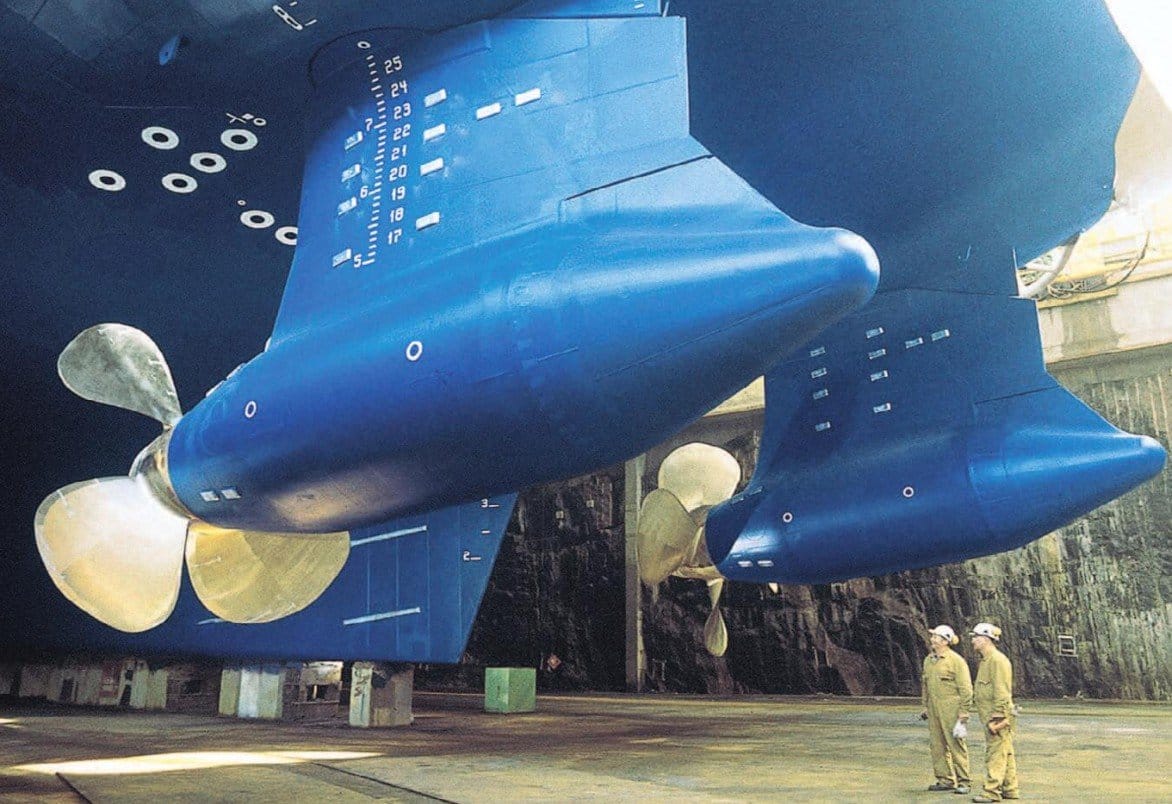
Azipod Maintenance: A Strategic Guide to Podded Propulsion Reliability
Did you know that approximately 80% of hydraulic system failures in marine environments are the direct result of fluid contamination? For vessel…

Solving Wind Turbine Gearbox Lubrication Issues
Approximately 80% of industrial gearbox failures are the direct result of particle contamination. For Australian wind farm operators, this statistic…
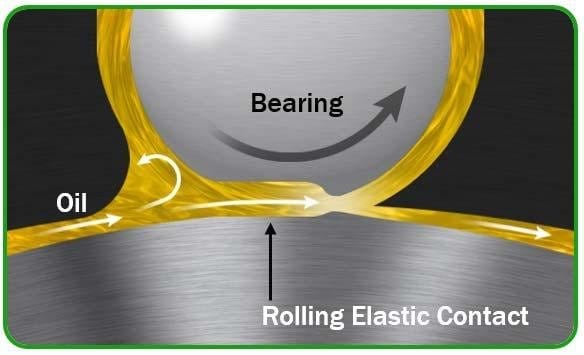
Guide to Hydrodynamic Bearings and Lubricant Wedges
Did you know that 80% of industrial machinery failures stem directly from particle contamination? In high-speed turbines and compressors, this…
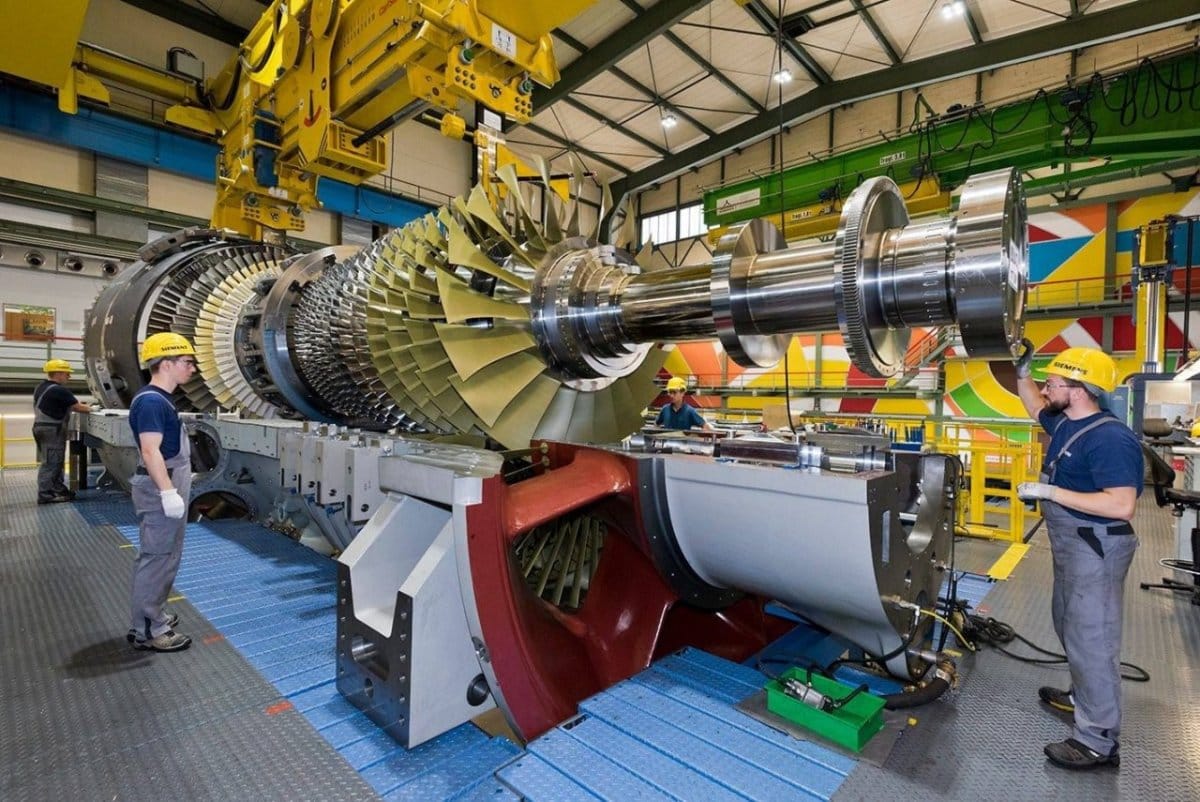
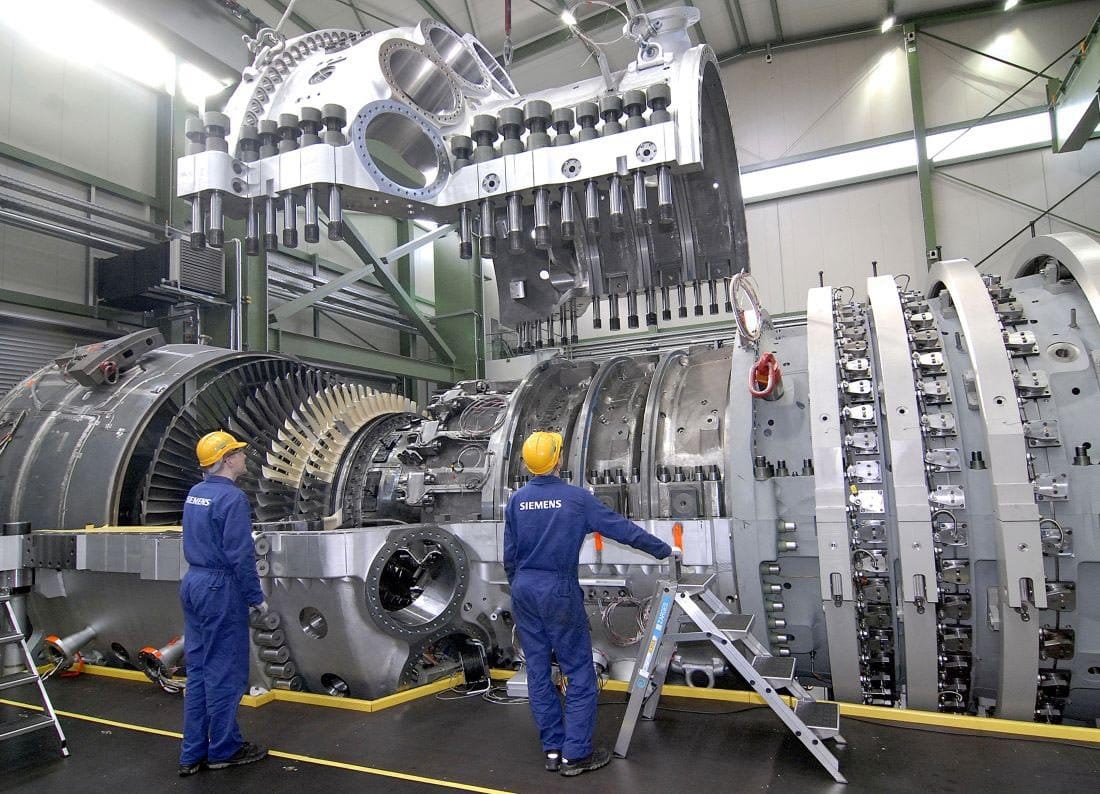
ASTM D6439 Oil Flushing: Expert Siemens Asset Maintenance
Did you know that approximately 30% of industrial machinery failures stem directly from inadequate lubrication and residual contamination? For…
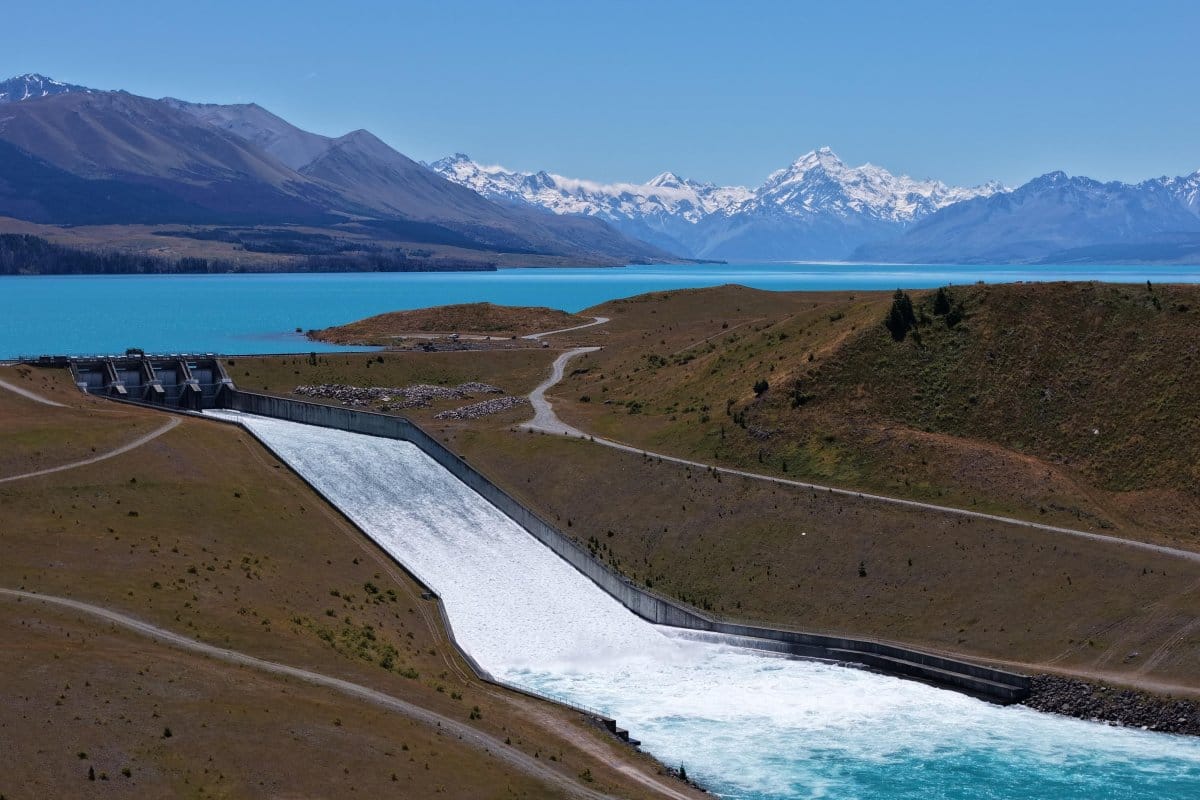
Common Hydro Power Lubrication Problems & Solutions
The most expensive turbine oil on the market cannot save a hydroelectric asset from the systemic reality of the “Contamination Trifecta.” Many…

Hydro Power Lubrication System Commissioning Guide
Commissioning represents the single most critical window to ensure total mechanical cleanliness for a hydroelectric turbine; standard oil changes…

How to Read Oil Analysis Reports: Maintenance Guide
Did you know that a single code increase in your ISO 4406 rating represents a 100% increase in the concentration of solid particles within your…
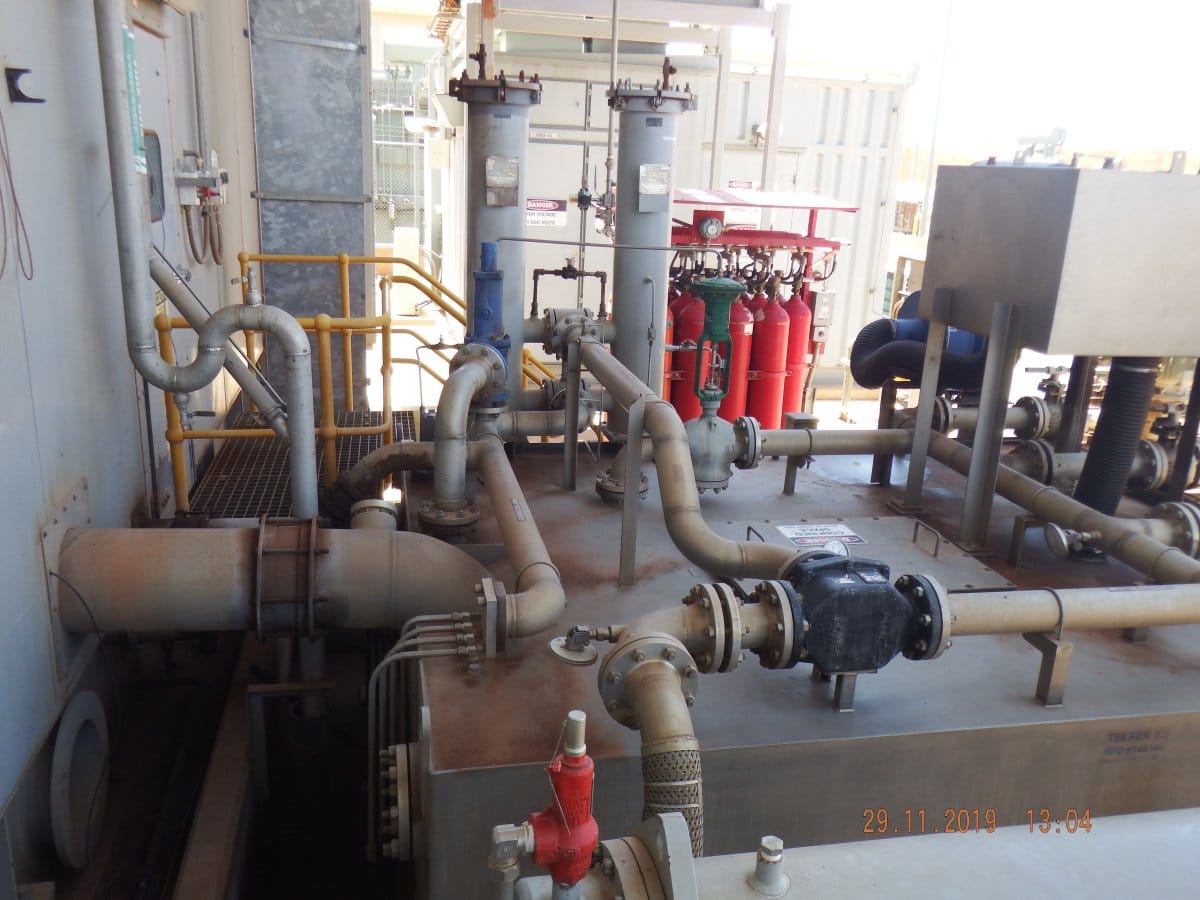
Hydraulic Oil Tank Cleaning Procedure: The Industrial Guide to Asset Integrity (2026)
Approximately 80% of industrial hydraulic system failures stem directly from particle contamination, yet many operators overlook the reservoir as the…

Setting Oil Cleanliness Targets: A Strategic Guide to Industrial Asset Reliability
Did you know that a fresh drum of oil typically enters your facility with a cleanliness level of 21/19/16? This is significantly more contaminated…