

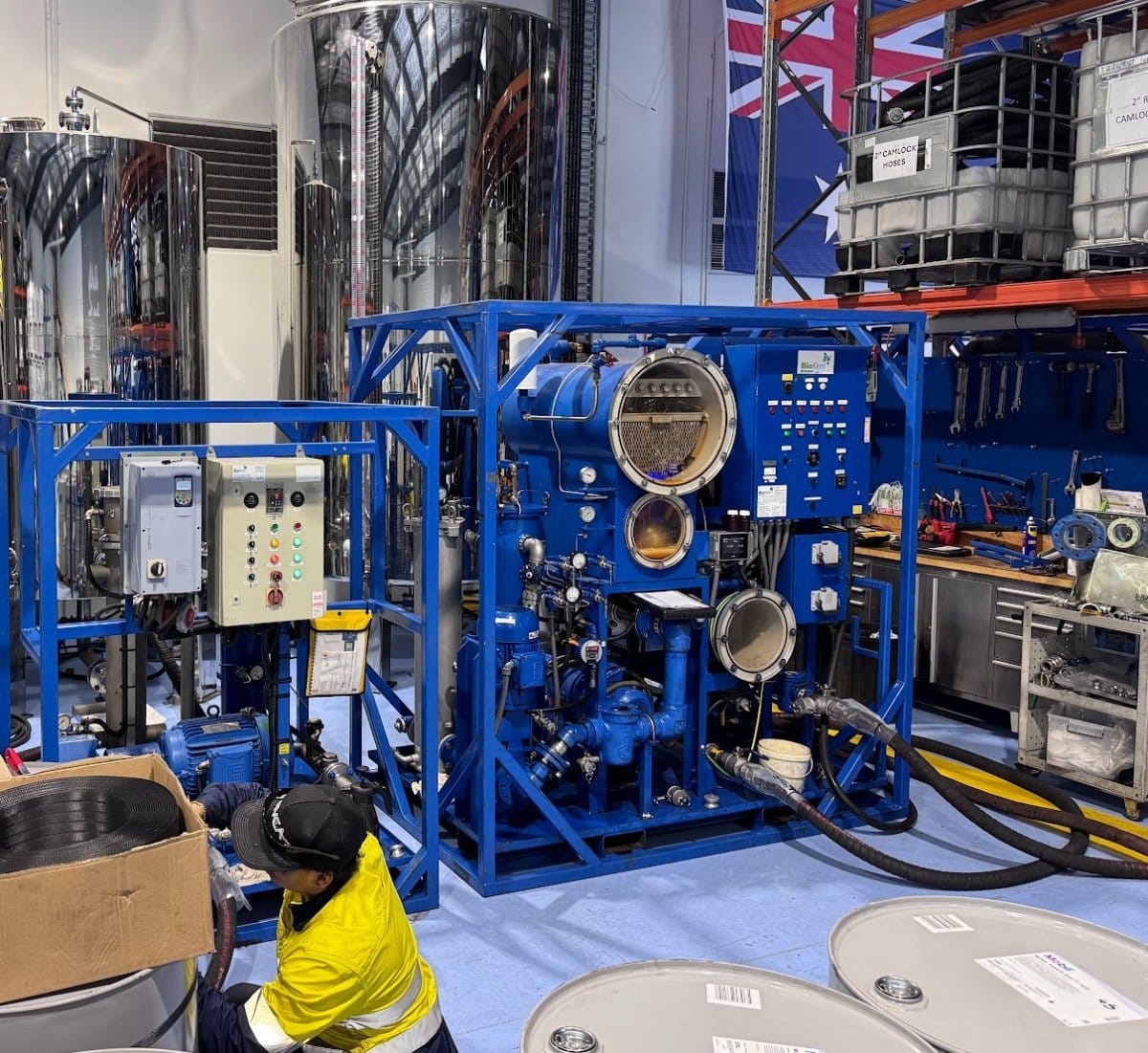
Did you know that up to 80% of all hydraulic and lubrication-related equipment failures stem directly from oil contamination? While particulate matter often gets the blame, dissolved moisture is the silent catalyst for catastrophic bearing failures and hydrogen embrittlement. You likely understand the frustration of frequent oil changes when standard filters fail to touch the dissolved water in your systems. Since traditional methods often fall short, vacuum oil dehydration has become the essential standard for maintaining high-speed rotational assets. This process addresses the molecular-level threats that compromise your operational efficiency and long-term asset health.
This guide will help you master the technical principles of this technology so you can eliminate 100% of free water and up to 90% of dissolved moisture from your critical lubricants. By implementing these advanced purification methods, you can achieve stringent ISO 4406 cleanliness targets and extend lubricant life indefinitely. We’ll explore the operational benefits of precision vacuum technology, ensuring you prevent unscheduled downtime while maintaining compliance with Australia’s evolving environmental regulations and the General Environmental Duty. This structured approach provides a reliable pathway to superior fluid management and sustainable industrial practice.
Key Takeaways
- Understand how vacuum oil dehydration utilizes flash distillation to lower the boiling point of water, enabling safe moisture removal without thermally degrading the lubricant.
- Learn why traditional separation methods like coalescing and centrifuging fail to address dissolved moisture, especially in high-viscosity fluids.
- Discover how to establish precise oil dryness targets using Karl Fischer titration to meet stringent OEM specifications for high-speed rotational assets.
- Identify strategies to extend lubricant life indefinitely and reduce waste disposal costs by maintaining fluid cleanliness at the molecular level.
- Leverage 70 years of specialist expertise and national mobilization capabilities to implement turnkey purification solutions across the energy, mining, and gas sectors.
The Critical Threat of Moisture Contamination in Industrial Oil
Moisture is a primary driver of mechanical failure in high-speed rotational assets. It exists within your lubricants in three distinct states: free, emulsified, and dissolved. Free water is visible and separates easily, while emulsified water creates a cloudy appearance as it stays suspended. However, dissolved water is the most dangerous hidden threat because it remains invisible to the naked eye, chemically bonded to the oil molecules. Even if your oil looks clear, it can still harbor significant moisture levels that trigger aggressive chemical reactions. Effective vacuum oil dehydration is required to pull this moisture out before it triggers these destructive cascades.
The presence of water at the molecular level leads to hydrogen embrittlement, a process where water molecules crack under extreme pressure within bearing contact zones. This release of hydrogen ions allows them to penetrate the metal surface, causing micro-fractures that result in sudden, catastrophic failure. Beyond physical damage, moisture acts as a potent catalyst for oxidation. It accelerates the breakdown of base oils, creating the chemical precursors for varnish and sludge that seize valves and clog critical pathways.
The Chemistry of Oil Degradation
Water doesn’t just sit in the oil; it actively reacts with the additive package. When moisture encounters sulfur or phosphorus based additives, it forms harmful acids that attack yellow metals and promote internal corrosion. This depletion of additives leaves the oil vulnerable and shortens its service life. Furthermore, water has significantly lower load-carrying capacity than oil. When moisture enters the high-pressure load zone, the lubricant film collapses. This leads to metal-to-metal contact and rapid abrasive wear. The saturation point is the threshold where dissolved water becomes emulsified. This point is not fixed; it fluctuates based on the oil’s temperature, base stock, and specific additive chemistry.
Financial Impact of Unmanaged Moisture
Managing moisture is a fiscal necessity for modern industrial operations. The cost of disposing of thousands of litres of contaminated oil is substantial, especially considering Australia’s General Environmental Duty, which requires waste generators to manage the risks of their industrial waste proactively. Reconditioning oil using advanced Methods of oil purification allows for indefinite lubricant life, which drastically reduces both procurement costs and waste disposal fees. By utilizing vacuum oil dehydration, businesses can prevent the unplanned downtime that often costs hundreds of thousands of dollars in lost production during a single asset failure.
How Vacuum Dehydration Oil Purification Systems (VDOPS) Work
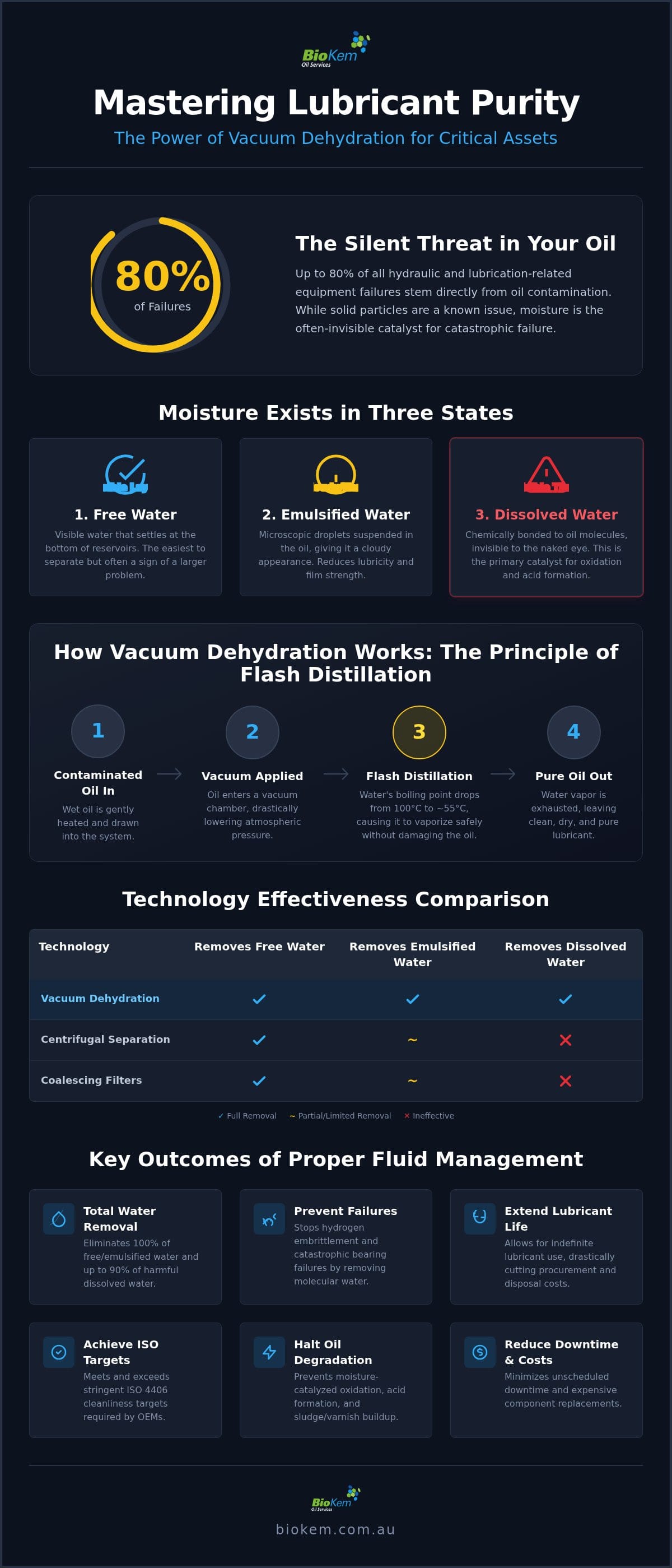
The operational success of vacuum oil dehydration relies on the scientific principle of flash distillation. By creating a controlled vacuum environment, the system significantly reduces the atmospheric pressure acting on the fluid. This reduction lowers the boiling point of water from its standard 100°C to approximately 50°C or 60°C. Operating at these lower temperatures is vital; it allows for the complete evaporation of moisture without subjecting the lubricant to thermal cracking or accelerated oxidation that occurs at higher heat levels. This process is particularly effective for removing dissolved water that traditional mechanical separation cannot reach.
Efficiency in a VDOPS unit is driven by mass transfer. The system doesn’t simply apply a vacuum to a bulk tank of oil. Instead, it utilizes a specialized vacuum tower where the oil is spread into an extremely thin film or passed through dispersal elements like specialized rings or beads. This maximizes the surface area of the oil exposed to the vacuum. As the oil flows over these elements, water molecules at the molecular level are liberated and converted into vapor. This vapor is then drawn out of the chamber by a high-capacity vacuum pump, leaving behind dehydrated, high-purity lubricant.
The Step-by-Step Dehydration Process
The purification cycle follows a logical sequence designed to protect the oil’s chemical integrity while maximizing contaminant removal. It begins with controlled heating, where the oil is warmed to an optimal temperature to reduce viscosity and improve the speed of water release. Once the oil reaches the target temperature, it is introduced into the vacuum chamber via dispersal elements. These components ensure the oil is broken down into small droplets or thin sheets, facilitating rapid evaporation. After the water vapor is extracted and either condensed or vented, the oil undergoes a final stage of high-efficiency polishing. This involves passing the fluid through ISO 16889-certified filters to remove solid particulates and achieve stringent ISO 4406 cleanliness targets. If you need to verify your current fluid condition, you can consult with our technical specialists regarding onsite oil analysis.
Degassing and Volatile Contaminant Removal
While moisture removal is the primary goal, vacuum oil dehydration provides the secondary benefit of degassing. The vacuum environment effectively removes entrained air and dissolved gases like nitrogen or carbon dioxide. Eliminating these gases is essential to prevent pump cavitation and maintain the incompressibility of hydraulic fluids. Furthermore, the process can strip away low-boiling point volatile contaminants, such as fuel diluents or solvents, which would otherwise lower the oil’s flash point and viscosity. Because the process operates within strict thermal boundaries, it ensures that the essential additive package remains intact and fully functional for continued asset protection.
Vacuum Dehydration vs. Coalescing and Centrifugal Separation
Coalescing filters and centrifugal separators are common tools in fluid maintenance, yet they possess inherent physical limitations that vacuum oil dehydration overcomes. Coalescing technology relies on surface tension to merge free water droplets into larger masses for gravity based removal. While effective for bulk free water, it cannot address dissolved moisture, which remains chemically bonded to the oil. Centrifugal separation utilizes high G-forces to separate components based on density differences. This method often fails when the specific gravity of the lubricant is close to that of water, or when the water is tightly emulsified by additives.
Energy consumption is another critical differentiator. High speed centrifuges require significant power to maintain rotational speeds, whereas VDOPS units operate with lower energy intensity by focusing on thermal and vacuum efficiency. When deciding between “kidney loop” filtration for continuous reservoir maintenance and batch processing for bulk tank recovery, VDOPS offers the versatility to handle both scenarios with superior moisture extraction rates. This flexibility is vital for maintaining critical assets in the energy and mining sectors where equipment availability is paramount.
Performance Comparison Matrix
Evaluating moisture removal efficiency requires looking beyond visible free water. Coalescing and centrifugal methods typically leave dissolved moisture untouched, which allows chemical degradation to continue. In contrast, VDOPS removes 100% of free and emulsified water and up to 90% of dissolved water. This capability is essential for turbine and hydraulic systems where even low levels of dissolved moisture trigger oxidation and additive depletion. From an operational standpoint, VDOPS units provide a smaller footprint and easier onsite deployment than large scale centrifuge skids, making them the preferred choice for rapid response and national mobilization.
The Viscosity Factor
Viscosity is often the deciding factor in equipment selection. Centrifugal separators struggle with high viscosity lubricants, such as ISO VG 220 or 460 gear oils, because the thick fluid creates internal drag that prevents water droplets from migrating effectively under G-force. Coalescing media also tends to blind or bypass when handling these heavy fluids, leading to poor performance and frequent element changes. Vacuum oil dehydration is the only viable choice for these applications because it relies on phase change rather than physical movement through the fluid. It also effectively handles detergent heavy oils that resist traditional coalescing. To ensure the final fluid meets particulate targets after moisture removal, we utilize Specialist oil filters to provide a high efficiency polish. This dual approach ensures your high viscosity assets remain protected from both water and abrasive wear.
Implementation: Establishing Oil Dryness and Cleanliness Targets
Successful implementation of a purification program starts with quantifying the invisible threats within your system. To establish an accurate baseline, we utilize Karl Fischer titration according to the ASTM D6304-20 standard. This method provides a precise measurement of moisture content in Parts Per Million (PPM), which is essential for a data-driven approach to vacuum oil dehydration. Aligning these results with OEM specifications is a non-negotiable requirement for critical assets. For example, while a standard hydraulic system might tolerate 500 PPM, a high-speed steam turbine often requires levels below 100 PPM to prevent the onset of hydrogen embrittlement and subsequent bearing failure.
There is a powerful synergy between moisture removal and varnish mitigation. Water acts as a primary catalyst for the oxidation of base oils. By maintaining extreme oil dryness, you effectively interrupt the chemical chain reaction that produces polar degradation products, which are the precursors to varnish deposits. This proactive stance ensures that your lubricants remain chemically stable and prevents the seizing of sensitive servo valves. Monitoring this progress requires a strategic balance between real-time onsite analysis for immediate operational feedback and comprehensive laboratory certification to satisfy regulatory and warranty requirements.
Monitoring Tools and Techniques
Modern purification systems often incorporate inline moisture sensors that provide continuous data on relative humidity and temperature. These tools allow operators to track the efficiency of the dehydration process in real-time without drawing physical samples. To ensure these readings translate into mechanical reliability, we recommend regular Oil analysis to validate the purification results against your specific cleanliness targets. Understanding PPM targets is essential across different sectors. In power generation, transformer oils require extreme dryness, often targeting less than 10 PPM to maintain dielectric strength, whereas mining gearboxes might focus on staying below the saturation point to prevent emulsification.
Integrating Dehydration into Proactive Maintenance
Asset managers must decide between online “kidney-loop” purification and batch processing during scheduled shutdowns. Online vacuum oil dehydration allows for continuous moisture removal without interrupting production. This is particularly effective for systems with known, chronic water ingression. When engaging external contractors, it is vital to establish clear “battery limits” regarding equipment connection points and spill containment responsibilities. This integration is a core component of Designing a Proactive Maintenance Strategy. By treating oil as a critical asset rather than a consumable, you fulfill your General Environmental Duty while optimizing operational costs. If you are ready to set your facility’s cleanliness benchmarks, contact BioKem for a technical consultation today.
BioKem Solutions: Expert Vacuum Dehydration Services in Australia
BioKem Oil Services brings 70 years of specialist experience to the field of industrial oil purification and vacuum oil dehydration. We provide national mobilization for the Energy, Mining, and Gas sectors, moving high-performance VDOPS units to remote sites across the country. Our operations are grounded in a culture of technical rigor and quiet confidence. We’ve achieved Zero Lost Time Injuries (LTI) since incorporation in 2012, demonstrating a firm commitment to safety in high-risk environments. By partnering with us, you gain access to a turnkey solution provider that values regulatory compliance and long-term asset health over temporary fixes.
Turnkey Onsite Dehydration Services
Full-service deployment is central to our support for critical assets during scheduled shutdowns or emergency breakdowns. We send experienced technicians who manage the entire vacuum oil dehydration process, from initial connection to final certification of the fluid. This approach is essential for commissioning major industrial projects where meeting stringent OEM specifications is a mandatory requirement. Our team handles the mobilization and setup, allowing your onsite staff to focus on other critical path activities.
For organizations that maintain their own technical teams, we offer specialized Equipment Hire. This allows you to leverage our best of breed international technology while managing the project internally. We ensure all hire units are maintained to ISO 16889 standards, providing reliable performance in the most demanding Australian environments. Whether you choose full service or hire, our equipment is designed to handle the most challenging moisture levels in turbine and gear oils.
The BioKem Oil Services Advantage
Technical superiority is achieved through the use of world-class equipment tailored specifically for local industrial challenges. Beyond simple moisture removal, we provide advanced oil reconditioning and oil sweetening capabilities. Oil sweetening involves the targeted restoration of the lubricant’s chemical properties, extending its service life well beyond traditional change-out intervals. This reconditioning approach turns waste into a resource, aligning with global sustainability trends while meeting regional regulatory standards. It reduces the volume of industrial waste generated by your facility, directly supporting your General Environmental Duty.
You have direct access to our technical specialists and leadership team for every project. This local expertise ensures that your specific operational challenges receive tailored scientific solutions rather than generic advice. We don’t just provide equipment; we provide a partnership focused on the long-term ecological and operational health of your facility. Whether you require viscosity correction or varnish mitigation, our team delivers the specialized knowledge necessary to maintain your high-speed rotational assets at peak efficiency.
Optimizing Asset Longevity Through Precision Moisture Control
Effective moisture management is a fundamental requirement for the reliable operation of high-speed rotational assets. You’ve learned that invisible dissolved water represents the greatest risk to bearing surfaces and that vacuum oil dehydration is the only method capable of removing these molecules from high-viscosity lubricants. By establishing rigorous cleanliness targets and utilizing flash distillation technology, you can protect your equipment from hydrogen embrittlement and significantly extend the life of your critical fluids.
BioKem Oil Services provides the technical expertise and specialized equipment needed to implement these advanced purification strategies. With 70 years of specialist industry experience and a safety record of Zero LTI since 2012, we offer a dependable partnership for your maintenance needs. Our national Australian service coverage ensures that high-performance VDOPS units are available whenever your operations require rapid response or scheduled shutdown support.
Maintaining the chemical integrity of your lubricants is a proactive investment in both operational efficiency and environmental responsibility. If you’re ready to achieve superior oil dryness and prevent unscheduled downtime, Contact BioKem Oil Services for a Vacuum Dehydration Quote. We look forward to helping you master your fluid cleanliness goals.
Frequently Asked Questions
How much water can a vacuum dehydrator remove from oil?
Vacuum dehydration systems are capable of removing 100% of free and emulsified water and up to 90% of dissolved moisture. While standard filtration methods only address visible water, this technology pulls moisture out at the molecular level. Achieving levels well below 100 PPM is common for turbine applications. This efficiency ensures your critical lubricants remain within OEM specifications, preventing the chemical breakdown and corrosion that lead to premature asset failure.
Does vacuum dehydration remove oil additives?
No, the process is designed to protect the chemical integrity of the lubricant. By utilizing flash distillation at controlled temperatures, usually between 50°C and 60°C, the system evaporates water without reaching the boiling points of essential additives. This allows for the complete removal of moisture and entrained gases while leaving the anti-wear and anti-oxidation packages fully intact. It’s a safe, non-invasive method for maintaining the performance characteristics of high-value industrial oils.
Is vacuum dehydration better than using a centrifuge?
Vacuum dehydration is superior for removing dissolved water and treating high-viscosity lubricants. Centrifuges rely on density differences to separate free water but cannot touch moisture bonded at the molecular level. Additionally, high-viscosity gear oils create internal drag that hampers centrifugal separation. vacuum oil dehydration uses phase change, making it the only viable choice for achieving deep dryness and handling detergent-heavy fluids that resist mechanical separation methods.
How long does the vacuum dehydration process take for a 5,000-litre reservoir?
The duration depends on the initial water concentration and the flow rate of the VDOPS unit. For a 5,000-litre reservoir with moderate contamination, the process typically takes between 24 and 48 hours of continuous operation. BioKem Oil Services provides high-performance units for national mobilization that accelerate this timeline. Factors like oil temperature and the specific gravity of the lubricant also influence the speed of mass transfer within the vacuum chamber during the purification cycle.
Can vacuum dehydration be performed while the machine is running?
Yes, vacuum dehydration is frequently performed as an online “kidney-loop” process while the equipment remains operational. This method allows for continuous moisture removal without requiring a scheduled shutdown. It’s particularly effective for systems with chronic water ingression, such as steam turbines or paper mill lubrication systems. Online purification ensures that moisture levels never reach the saturation point, providing constant protection against hydrogen embrittlement and additive depletion during active production cycles.
What industries benefit most from vacuum oil purification?
Industries operating close-tolerance, high-speed rotational assets benefit most from this technology. This includes the Power Generation sector, where steam and gas turbines require extreme oil dryness to prevent bearing failure. The Oil and Gas and Mining sectors also rely on vacuum purification for large gearboxes and hydraulic systems in fixed plants. Any facility that must meet stringent OEM specifications for fluid cleanliness can utilize these services to extend lubricant life and reduce waste costs.
What is the difference between free, emulsified, and dissolved water?
Free water is visible and settles at the bottom of a reservoir, while emulsified water is suspended in the oil, giving it a cloudy appearance. Dissolved water is the most insidious state, as it’s chemically bonded to the oil molecules and remains invisible. While free and emulsified water are easier to remove mechanically, vacuum oil dehydration is essential for pulling out dissolved moisture before it triggers oxidation and accelerates the formation of varnish precursors.
How often should vacuum dehydration be performed on turbine oil?
Frequency should be determined by regular oil analysis rather than a fixed schedule. Many operators perform purification annually during maintenance outages, but systems with high moisture ingression may require continuous kidney-loop treatment. Monitoring PPM levels via Karl Fischer titration allows you to trigger vacuum oil dehydration only when moisture approaches the saturation point. This data-driven approach, supported by BioKem Oil Services’ 70 years of specialist experience, ensures optimal asset health while minimizing unnecessary intervention.

Article by
James McAllister
James McAllister is an industry professional with BioKem Oil Services, specialising in lubrication reliability, oil filtration, contamination control and asset performance. Drawing on BioKem's extensive field experience across turbines, compressors, hydraulic systems and critical rotating equipment, James writes practical, insight-driven articles that help maintenance and reliability teams improve equipment performance, extend asset life and reduce operational risk.
Disclaimer
The information contained in this article is provided by BioKem Oil Services for general informational and educational purposes only. While every effort has been made to ensure the accuracy and relevance of the information at the time of publication, BioKem Oil Services makes no representations or warranties, express or implied, regarding its completeness, accuracy, reliability, suitability or availability.
Readers should seek professional advice before making maintenance, operational, engineering or investment decisions based on the content of this article. BioKem Oil Services accepts no liability for any loss, damage or consequential loss arising from the use of, or reliance upon, the information presented.
Unless otherwise stated, all content, including text, graphics, images and technical information, is the property of BioKem Oil Services and is protected by applicable copyright and intellectual property laws. No part of this publication may be reproduced, copied, distributed, republished, stored, transmitted, modified or used in any form without the prior written permission of BioKem Oil Services.
© BioKem Oil Services. All rights reserved.