

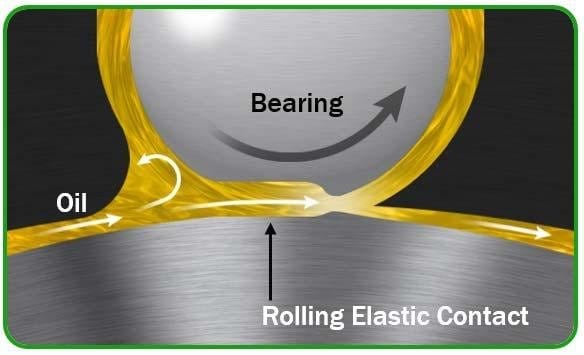
Did you know that 80% of industrial machinery failures stem directly from particle contamination? In high-speed turbines and compressors, this…

Safe Procedures for Degassing Sour Oil: Expert Guide
At concentrations of 1000 ppm, hydrogen sulfide (H2S) can cause immediate collapse and respiratory failure. In the high-pressure environments of…
ATEX vs NEMA 7: Key Differences for Industrial Safety
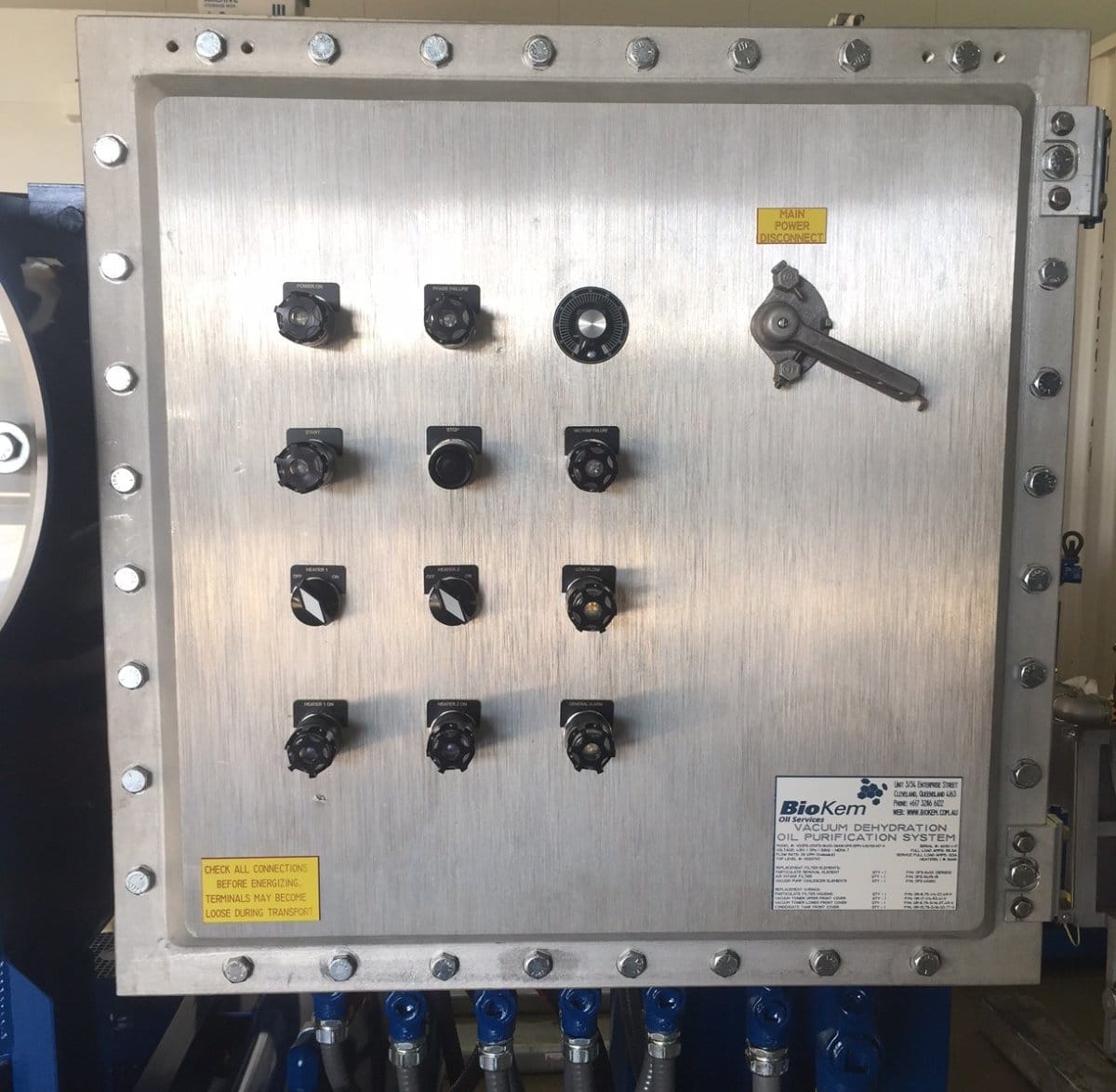
Specifying the wrong safety standard for your oil flushing equipment is more than a simple clerical error; it’s a direct threat to the integrity of…

ASTM D6439 Oil Flushing: Expert Siemens Asset Maintenance
Did you know that approximately 30% of industrial machinery failures stem directly from inadequate lubrication and residual contamination? For…

Tribology for Beginners: Basics of Friction & Lubrication
The most expensive component in your facility isn’t the turbine itself, but the friction currently destroying it from the inside out. It’s exhausting…
Why Clean Oil Matters for High-Speed Rotational Assets
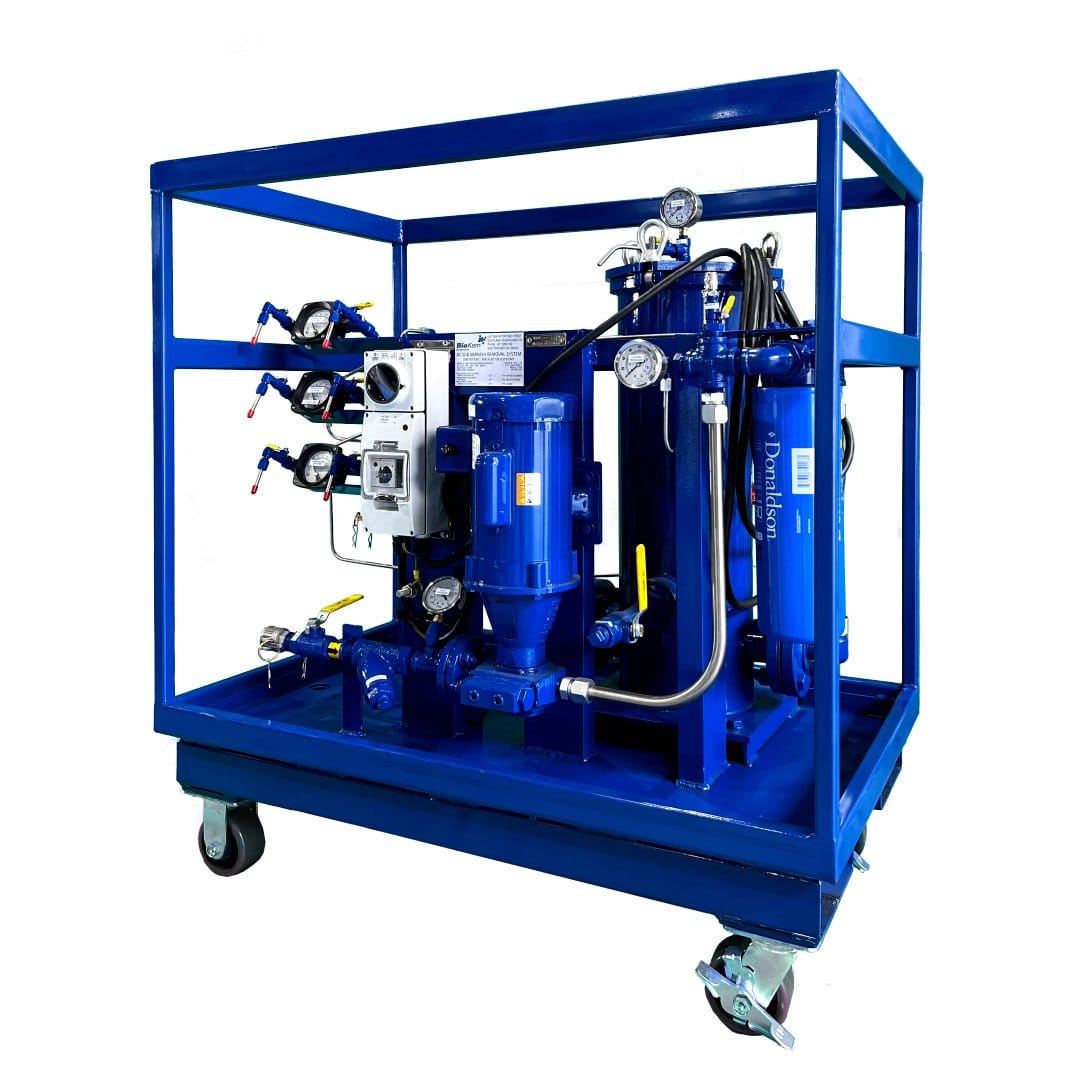
If you could see the sub-micron contaminants circulating through your turbine bearings at 10,000 RPM, would you still trust a standard filter to…
Oil Groups Explained: Mineral vs Synthetic Lubricants
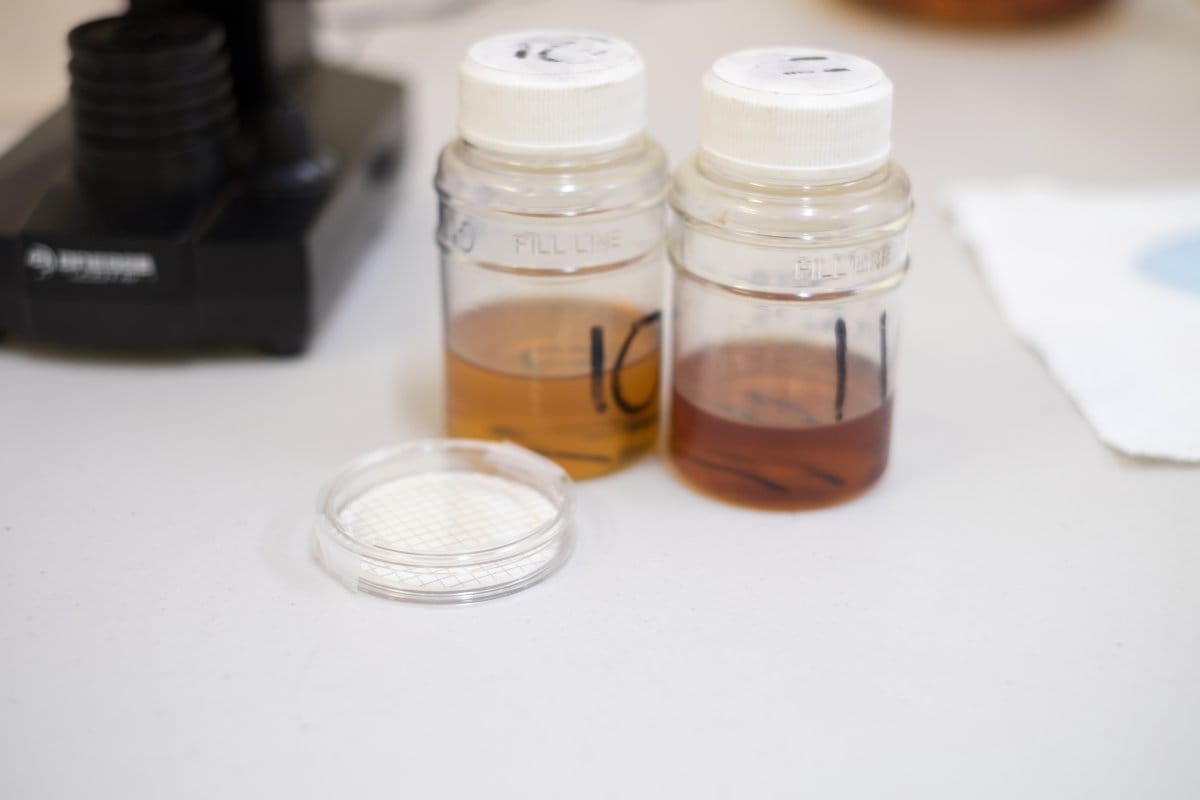
What if the “full synthetic” label on your lubricant drum is more of a marketing strategy than a reliability guarantee? While it’s easy to assume…

Common Hydro Power Lubrication Problems & Solutions
The most expensive turbine oil on the market cannot save a hydroelectric asset from the systemic reality of the “Contamination Trifecta.” Many…

Hydro Power Lubrication System Commissioning Guide
Commissioning represents the single most critical window to ensure total mechanical cleanliness for a hydroelectric turbine; standard oil changes…

How to Read Oil Analysis Reports: Maintenance Guide
Did you know that a single code increase in your ISO 4406 rating represents a 100% increase in the concentration of solid particles within your…
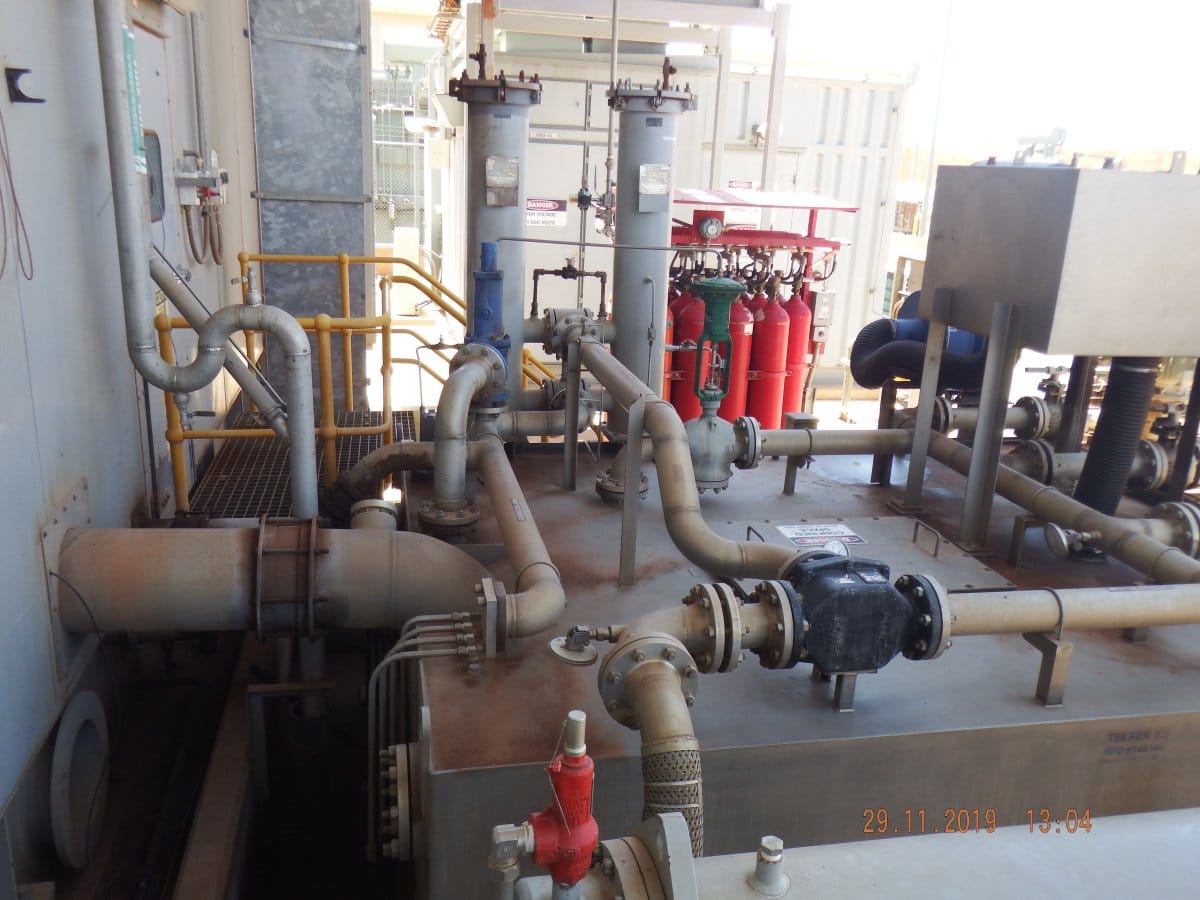
Hydraulic Oil Tank Cleaning Procedure: The Industrial Guide to Asset Integrity (2026)
Approximately 80% of industrial hydraulic system failures stem directly from particle contamination, yet many operators overlook the reservoir as the…

Confined Space Tank Cleaning Safety Procedures: The 2026 Industrial Guide
Approximately 60% of confined space fatalities occur among would-be rescuers who lack the specialized training or equipment to manage an emergency….

Predictive Maintenance Lubrication: Maximising Asset Reliability in 2026
Data without a technical intervention strategy is simply a digital record of an impending failure. While many facilities have invested in advanced…

Setting Oil Cleanliness Targets: A Strategic Guide to Industrial Asset Reliability
Did you know that a fresh drum of oil typically enters your facility with a cleanliness level of 21/19/16? This is significantly more contaminated…
The Comprehensive Lube Oil Solution: A Strategic Guide to Industrial Asset Reliability
What if the lubricant you currently treat as a consumable waste product is actually a permanent asset waiting to be reclaimed? Transitioning to a…
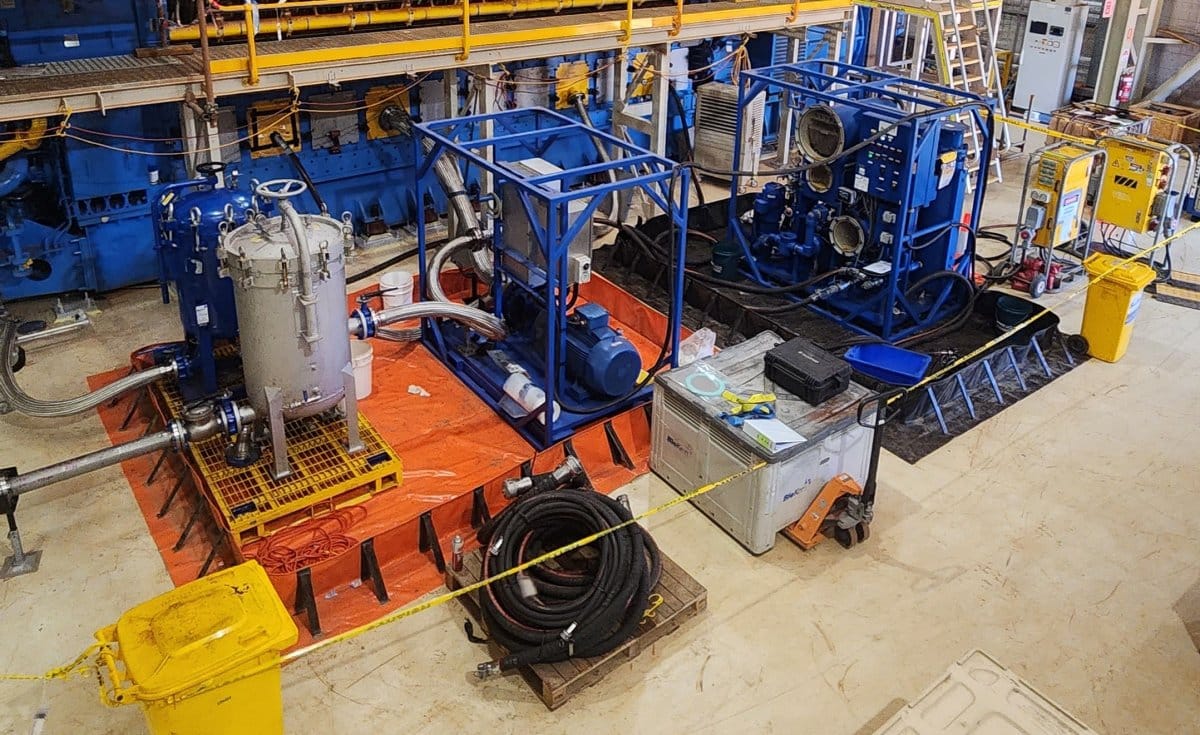
Hot Oil Flushing Procedure for Hydraulic Systems: The Technical Step-by-Step Guide
Why do so many sophisticated hydraulic systems suffer catastrophic component failure within weeks of a new installation or a major overhaul? It’s a…
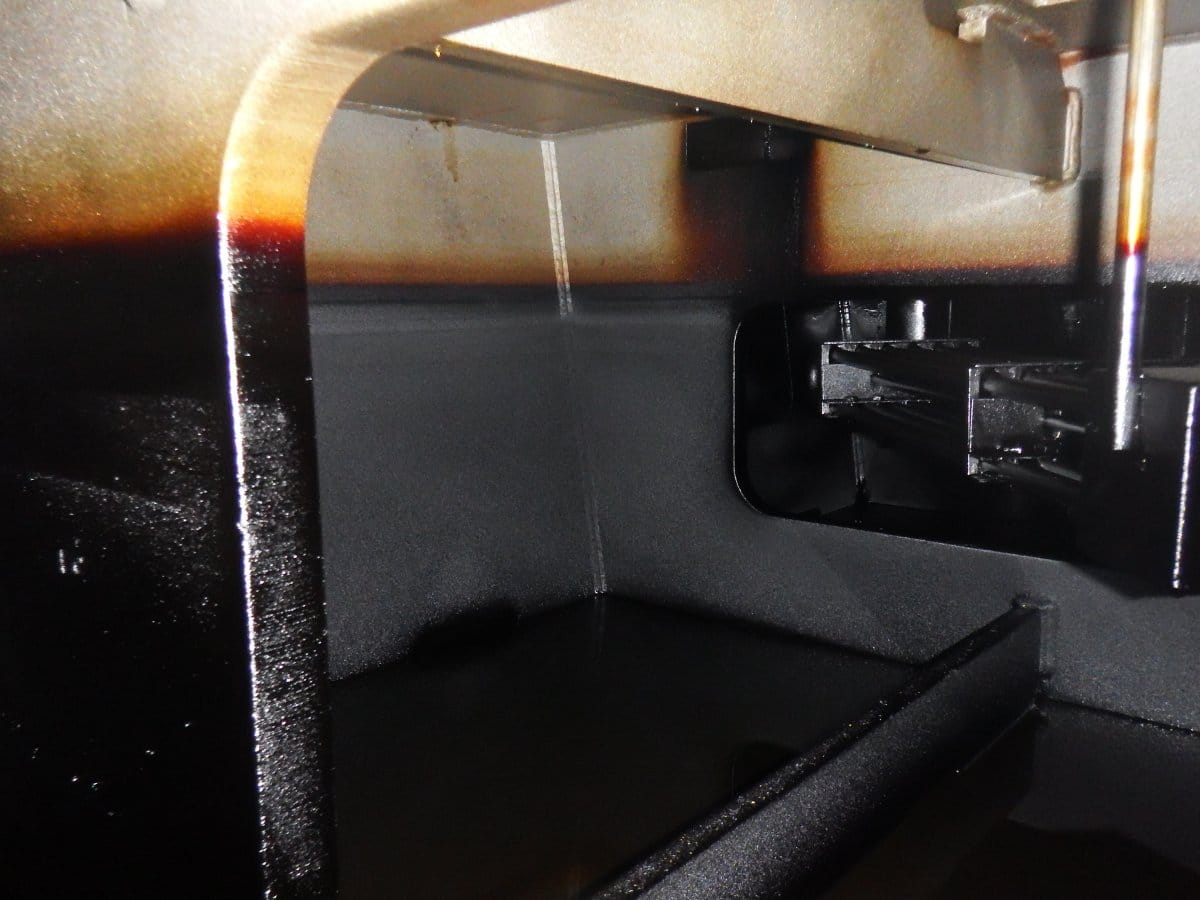
Root Causes of Oil Varnish in Hydraulic Systems: A Reliability Engineer’s Guide
Your oil analysis report shows an ISO 4406 cleanliness code of 16/14/11, yet your servo valves are seizing and heat exchangers are losing efficiency….
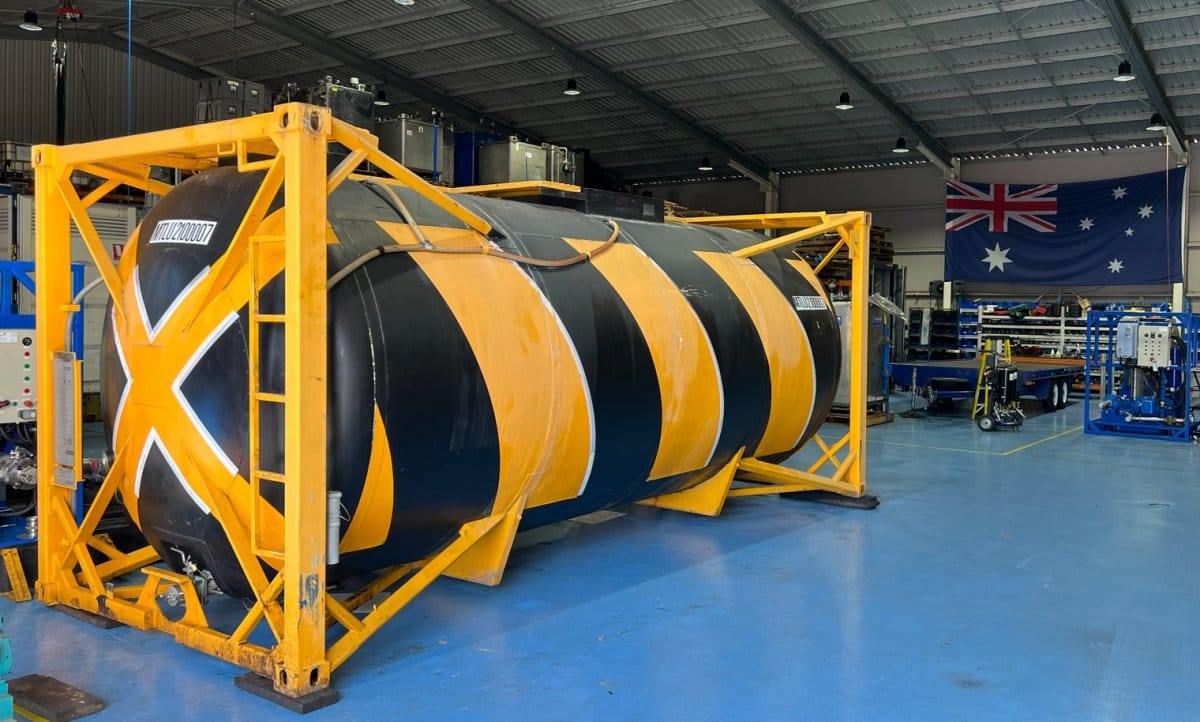
Batch Filtration: The Industrial Guide to Oil Purity and Asset Reliability (2026)
Did you know that approximately 80% of hydraulic system failures in Australian heavy industry are the direct result of particle contamination? You’re…
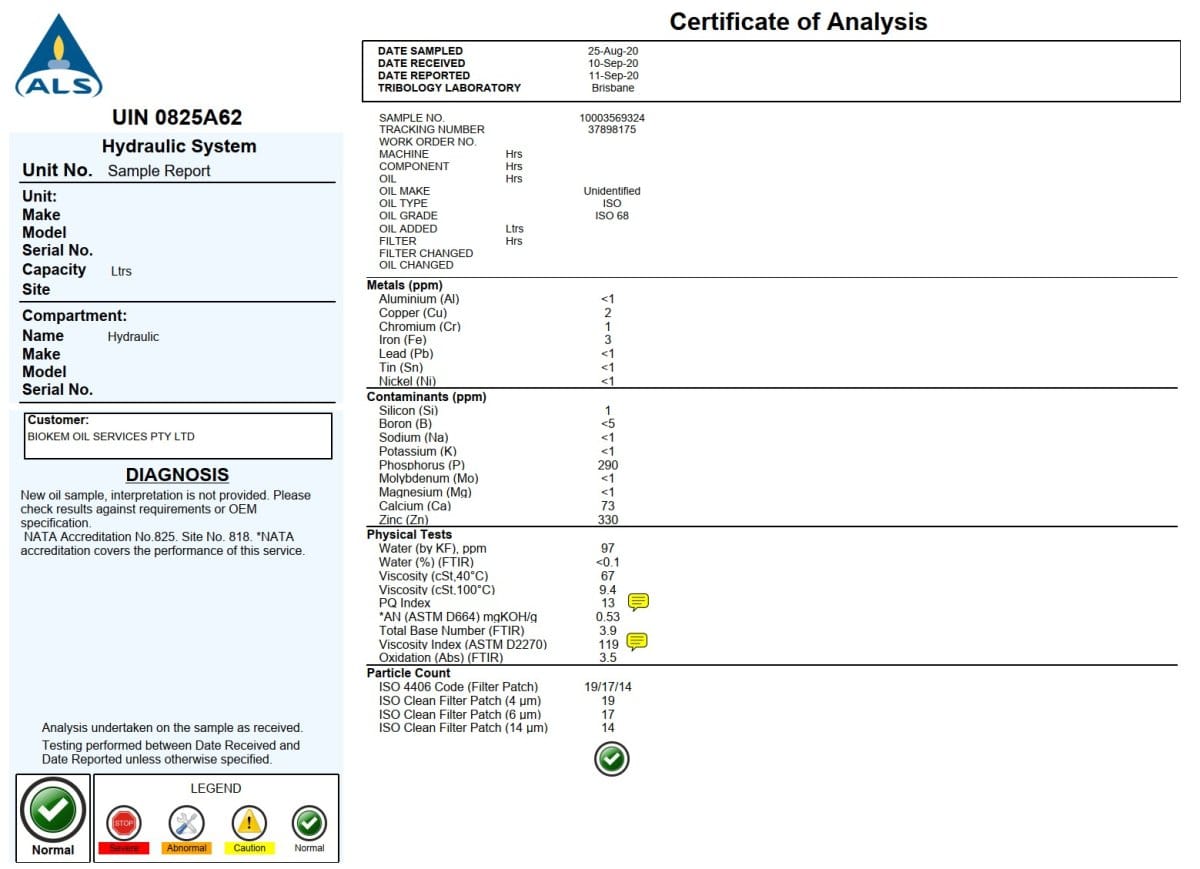
Industrial Oil Sample Testing Services: The 2026 Guide to Asset Reliability
Your most expensive industrial asset isn’t the turbine or the hydraulic press; it’s the invisible contamination currently eroding those systems from…
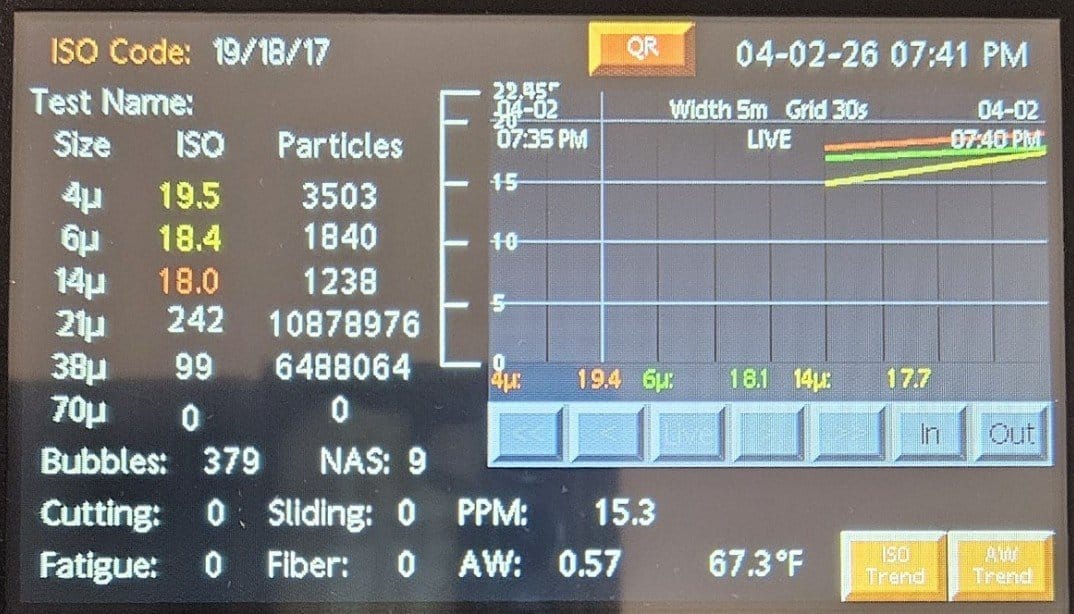
How to Read an Oil Analysis Report: A Professional Interpretation Guide
A “Normal” status on your laboratory spreadsheet is often the most dangerous piece of information you can receive. It creates a false sense of…