


What if the foul, rotten egg odor emanating from your reservoir is actually the smell of your equipment’s impending failure? Many maintenance teams…
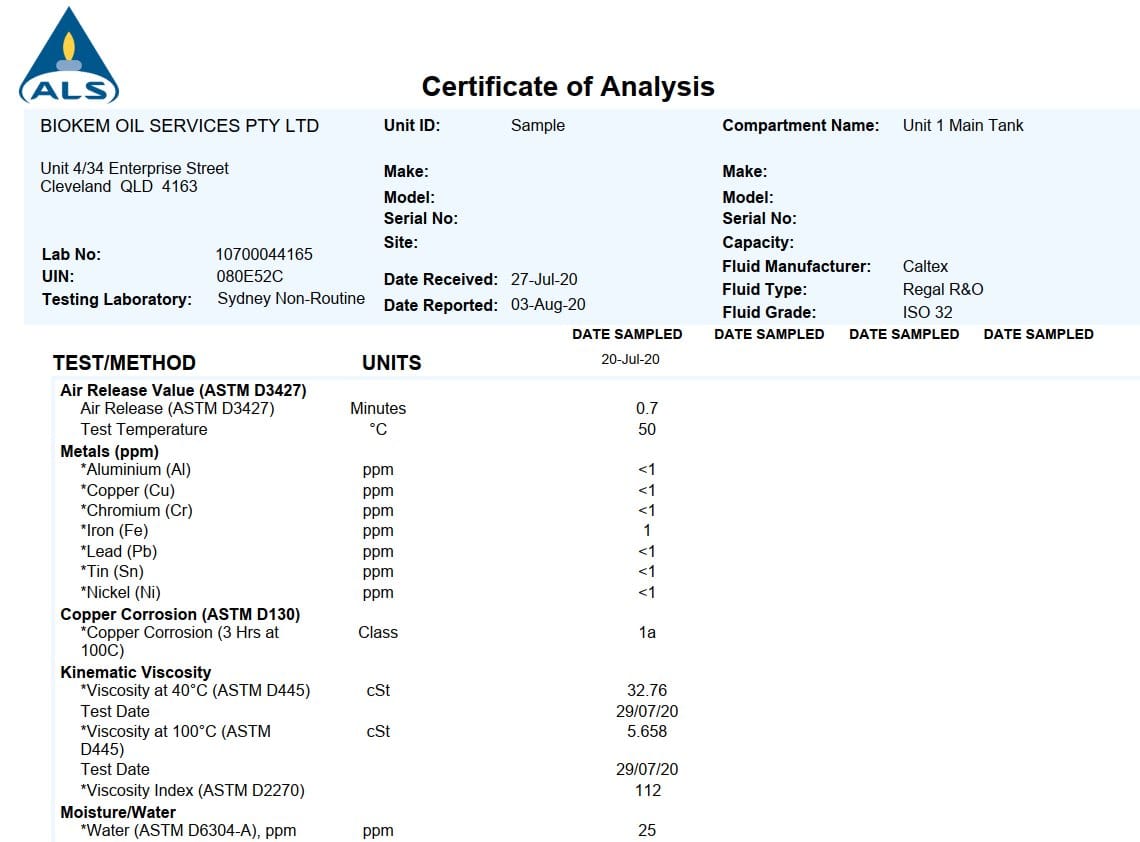
10 Key Insights Hidden in Your Oil Analysis Reports
What if the "Normal" status on your latest laboratory report is actually masking a catastrophic failure in progress? Many reliability…

How UV Exposure Affects Lubricant Quality and Storage
Could the sun be the single most expensive threat to your machinery’s reliability? While most maintenance protocols prioritize moisture and…

What is RPVOT? Understanding Oil Oxidation Testing
What if a single metric on a laboratory report could prevent an unplanned turbine outage costing upwards of $50,000 per day? For many reliability…
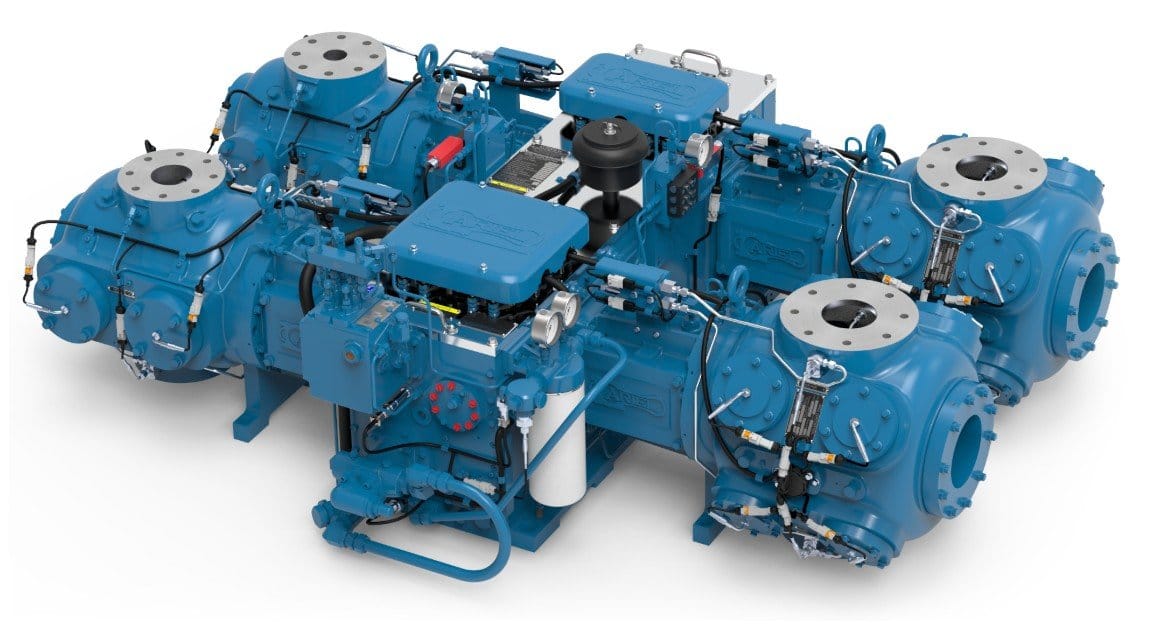
Guide to Industrial Compressor Lubrication Requirements
Compressor reliability isn’t just about the oil you put in; it’s about the cleanliness of the system it flows through. While many operators focus…
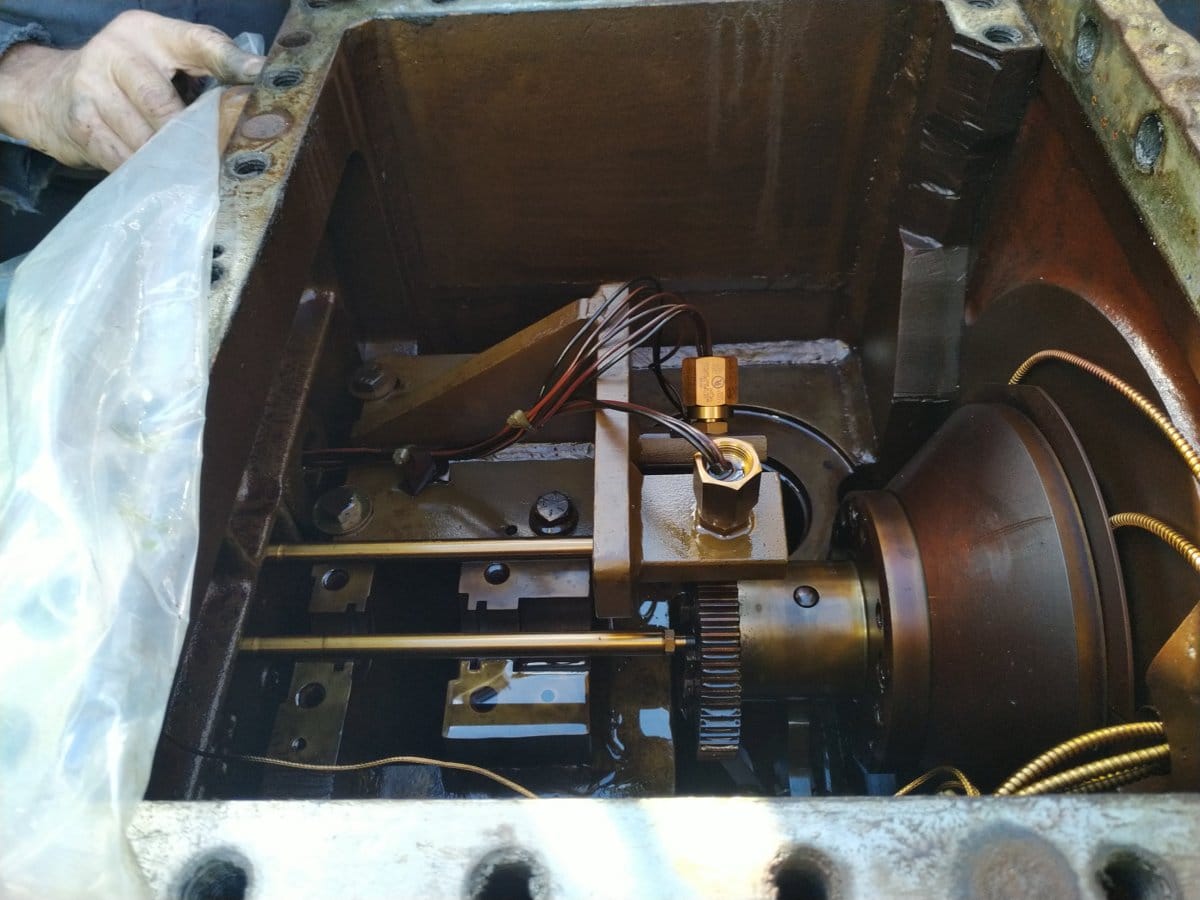
How Varnish Impacts Gearbox Performance and Life
Research indicates that approximately 40% of industrial rotating equipment suffers from performance issues related to internal deposits. When you…

How to Read Oil Analysis Reports: Maintenance Guide
Did you know that a single code increase in your ISO 4406 rating represents a 100% increase in the concentration of solid particles within your…
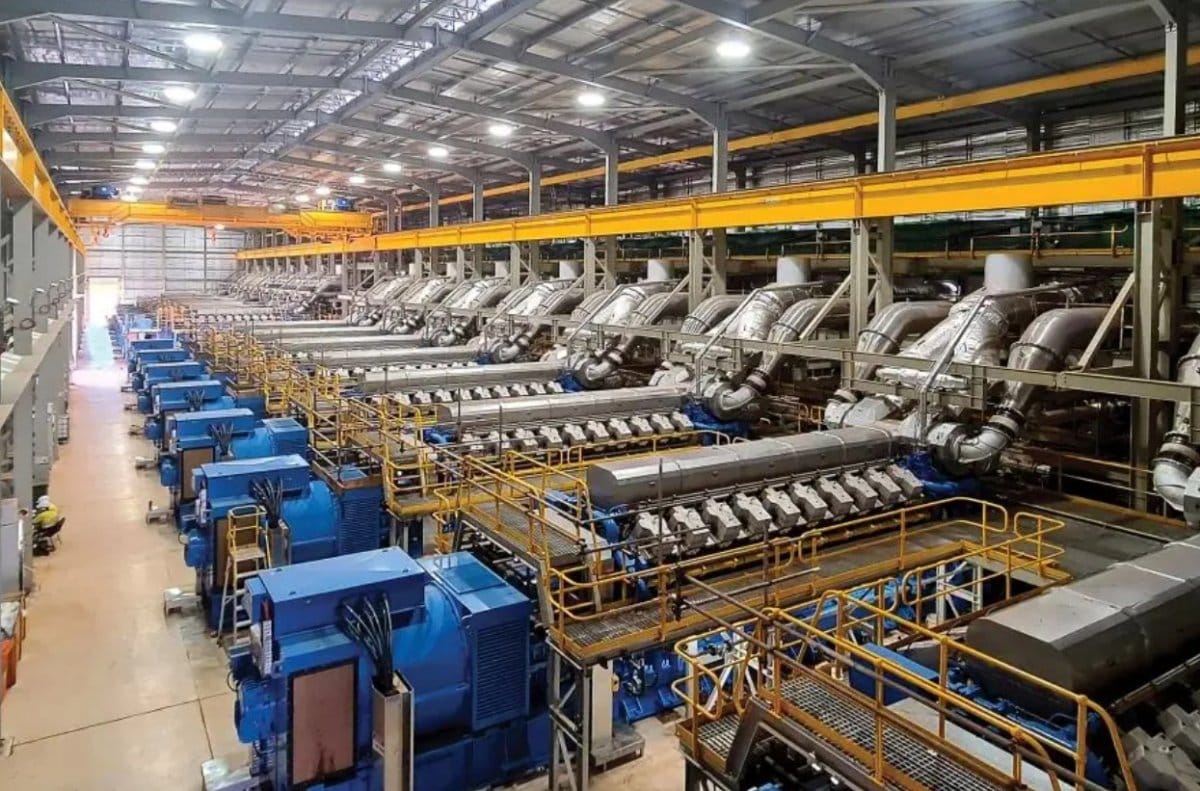
Predictive Maintenance Lubrication: Maximising Asset Reliability in 2026
Data without a technical intervention strategy is simply a digital record of an impending failure. While many facilities have invested in advanced…

Setting Oil Cleanliness Targets: A Strategic Guide to Industrial Asset Reliability
Did you know that a fresh drum of oil typically enters your facility with a cleanliness level of 21/19/16? This is significantly more contaminated…
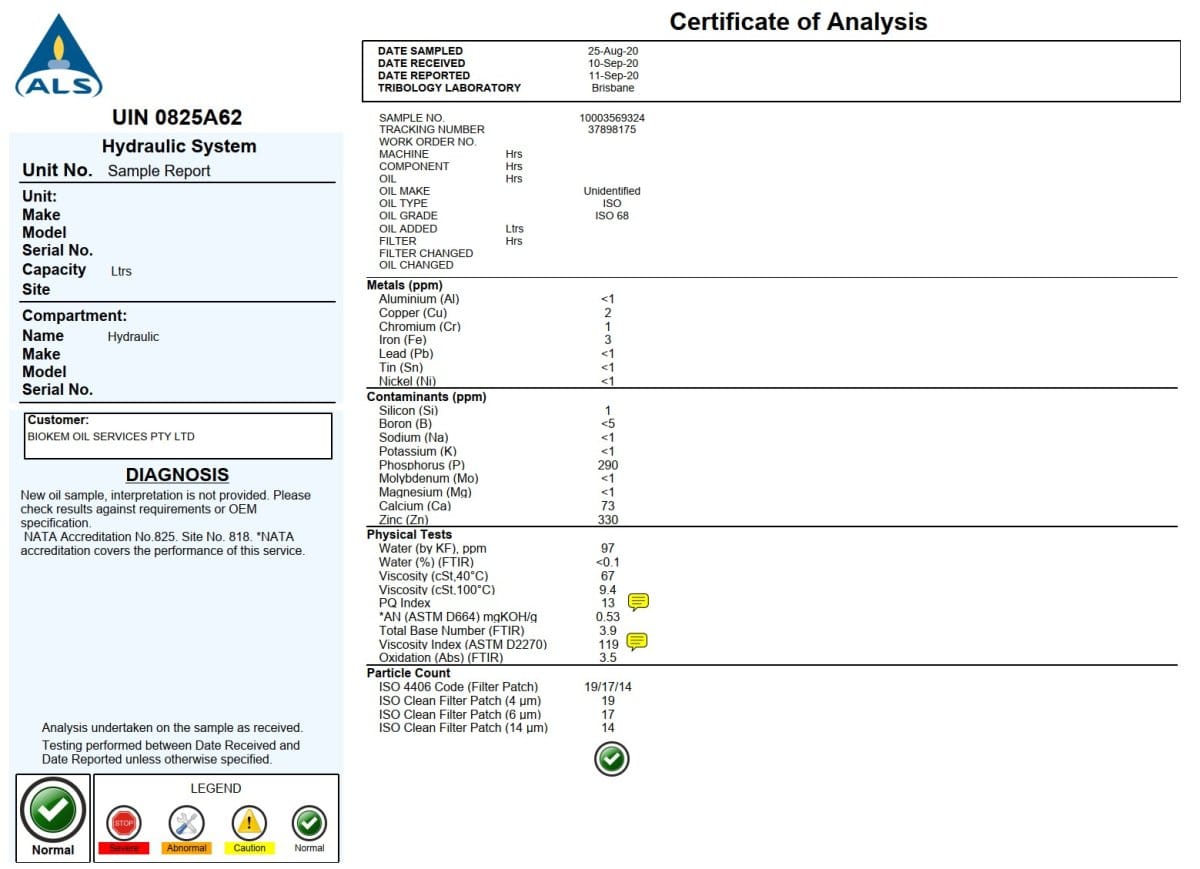
Industrial Oil Sample Testing Services: The 2026 Guide to Asset Reliability
Your most expensive industrial asset isn’t the turbine or the hydraulic press; it’s the invisible contamination currently eroding those systems from…
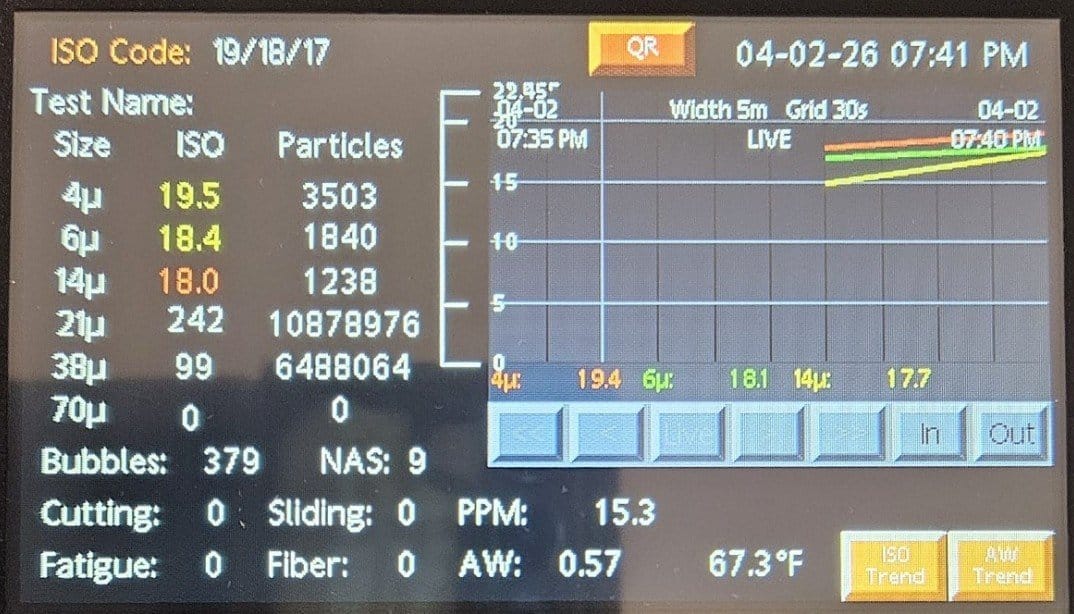
How to Read an Oil Analysis Report: A Professional Interpretation Guide
A “Normal” status on your laboratory spreadsheet is often the most dangerous piece of information you can receive. It creates a false sense of…

Oil Analysis Laboratory Australia: The Industrial Guide to Lubricant Monitoring
Approximately 80% of hydraulic system failures in Australian heavy industry are a direct result of particle contamination. For many maintenance…

Lube Oil Filtration System: The Complete Industrial Guide for 2026
Did you know that approximately 80% of hydraulic system failures in Australian heavy industry are a direct result of particle contamination? It’s a…

Preventing ESD Damage in Industrial Lubrication Systems
Leading lubricant analysis laboratories have reported a 600% increase in varnish-associated problems over the last decade. It’s a frustrating paradox…
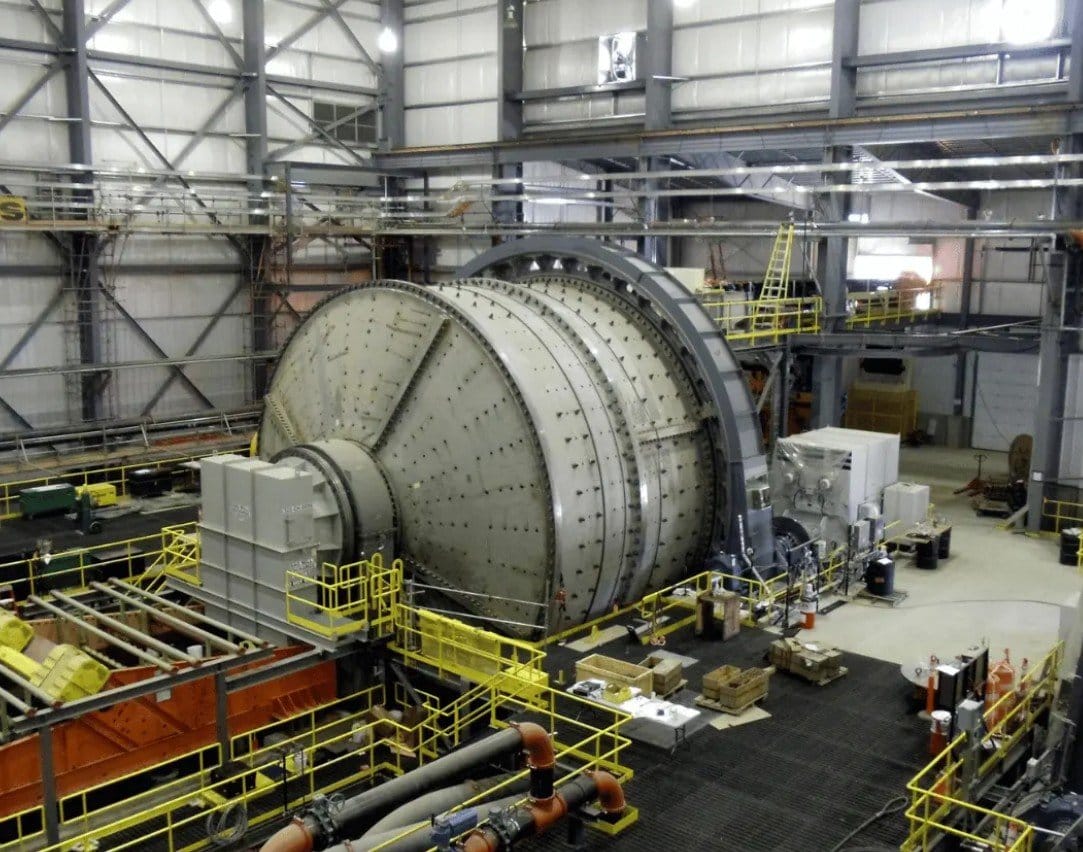
Guide to Ball & Sag Mill Lubrication System Maintenance
Grinding mill reliability is not a hardware problem; it is a fluid cleanliness discipline that requires proactive purification rather than simple…
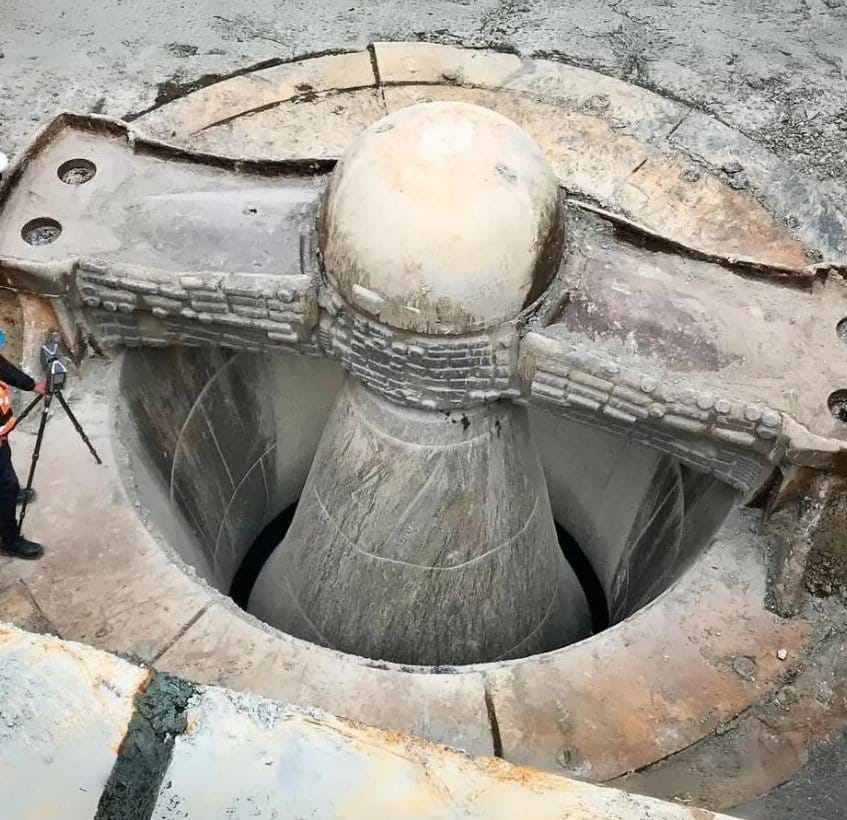
Cone Crusher Hydraulic System Maintenance & Commissioning
Did you know that up to 80% of all hydraulic system failures stem directly from particulate contamination in the fluid? For heavy-duty machinery,…
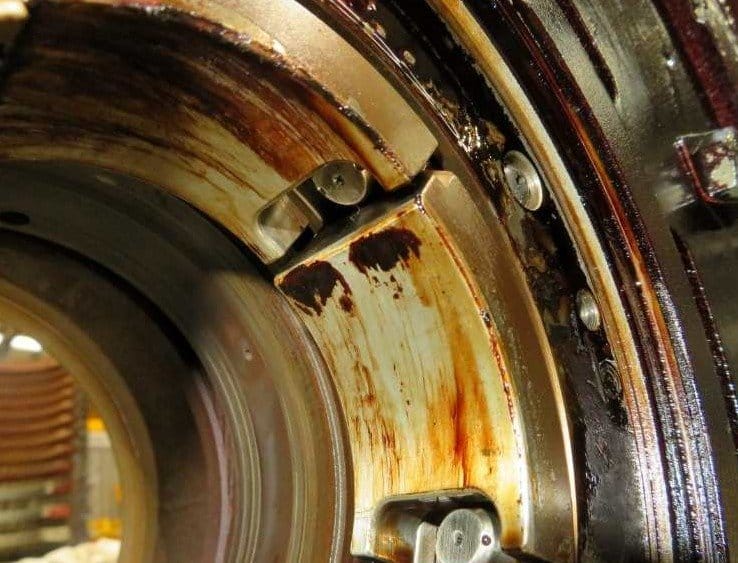
Managing the Effects of Temperature on Industrial Oils
Did you know that for every 10°C increase in operating temperature above its target, the life of your industrial lubricant is effectively cut in…
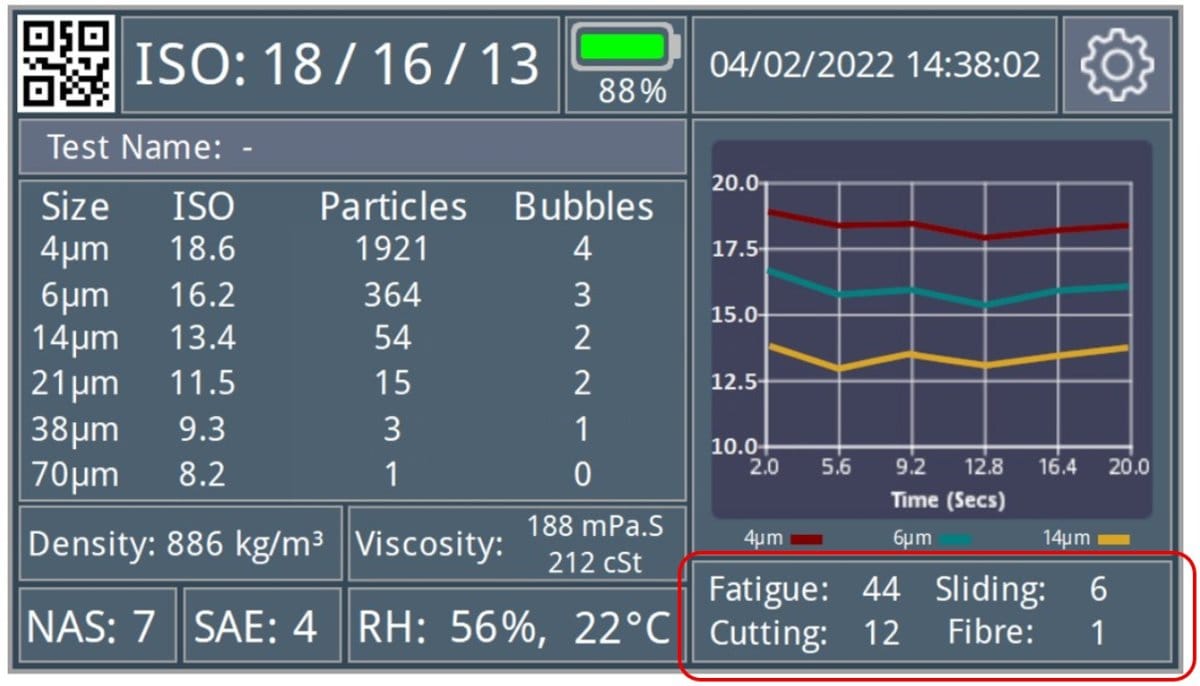
Deciphering Visual Features of Wear Particles
A standard particle count is essentially a headcount of the enemy, but it tells you nothing about their intent or origin. While tracking ISO…
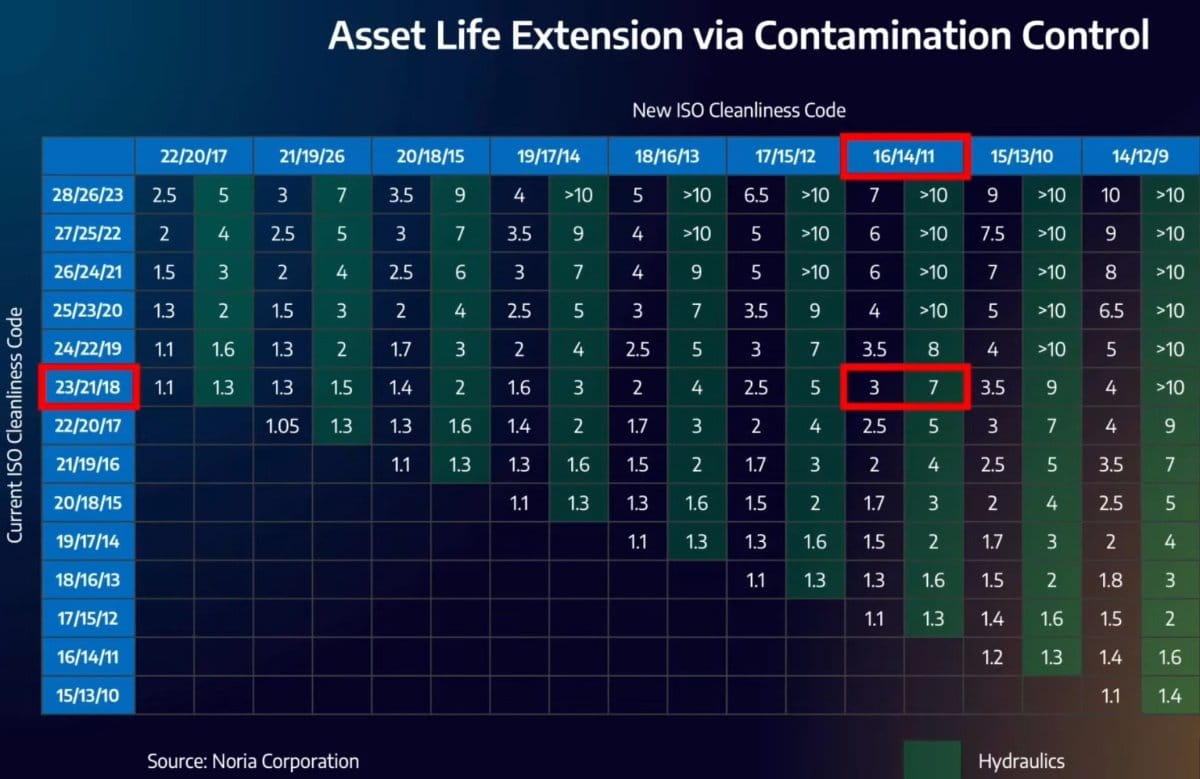
Can Clean Lube Oil Make Equipment Last Indefinitely?
What if the traditional lifecycle of industrial machinery isn’t a fixed countdown, but a variable you can control? Most maintenance managers accept…

Lubricant Dyeing: Improving Tank Level Gauge Visibility
A lubricant you cannot see is a liability you cannot manage. In high-stakes industrial environments, the dyeing of lubricants to allow for…