

Yes, there are warning signs that a bearing is about to fail. A worn wheel bearing often hums or growls more loudly as road speed rises, while…
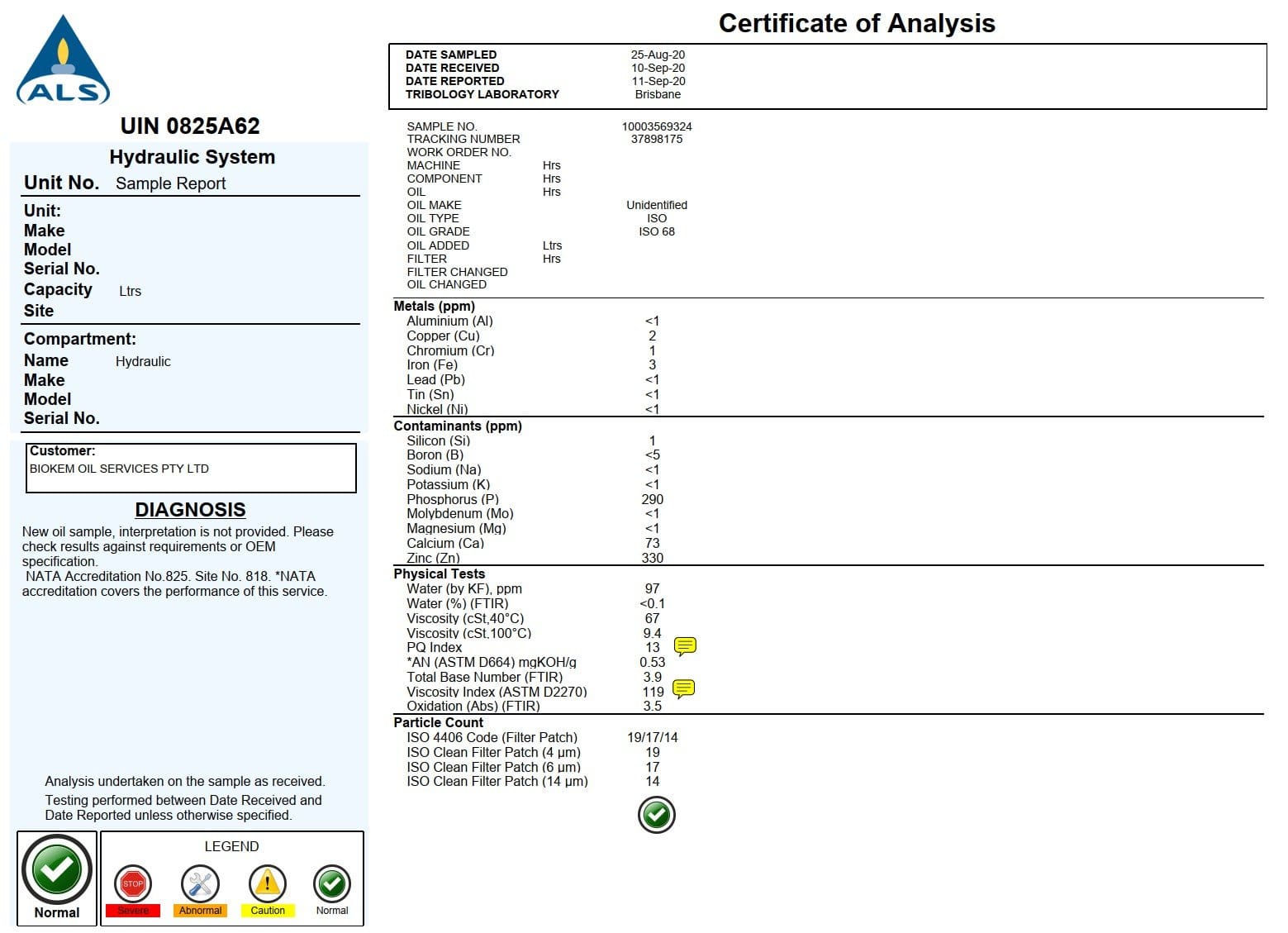
High Particle Counts After Oil Change: Causes & Fixes
A particle spike after an oil change is a clue, not a verdict. If your latest report has you asking, “High Particle Counts After an Oil Change: What…
Does Oil Filtration Remove Lubricant Additives?
How much of a lubricant additive package can an oil filtration system remove? There’s no single percentage that applies to every system, which is why…
Asset Lifecycle Extension Through Fluid Maintenance: A Practical Guide
What if extending an asset’s useful life depends less on treating its fluid routinely and more on knowing when and how to intervene? Asset lifecycle…
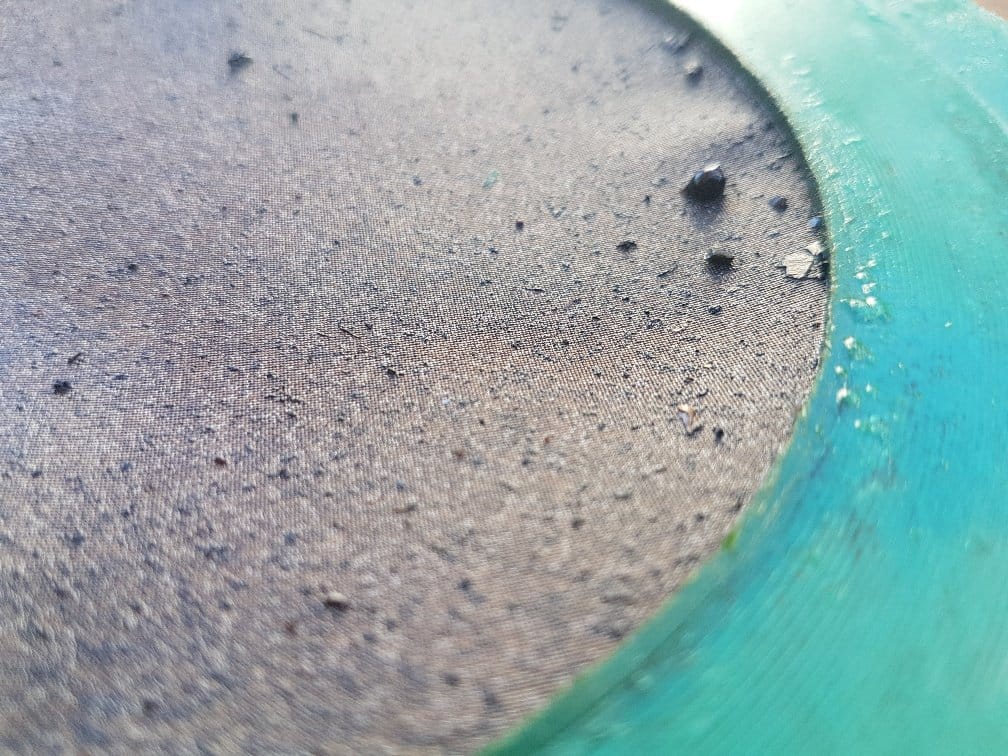
Avoiding Cross-Contamination During Oil Sampling: A Practical Industrial Guide
A sample can be compromised before it reaches the laboratory. Dust around a port, reused tubing or an unclean bottle can introduce particles or…
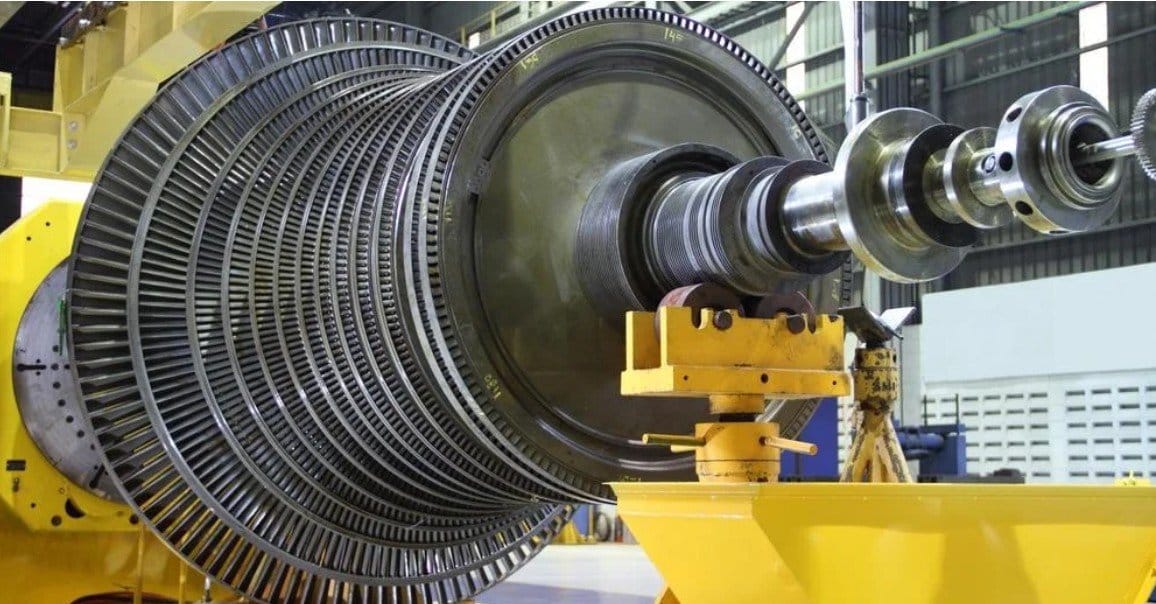
How to Prevent Gearbox Failure: An Industrial Maintenance Guide
Could a gearbox warning sign be hiding in the oil before it becomes an unplanned shutdown? Knowing how to prevent gearbox failure means looking…
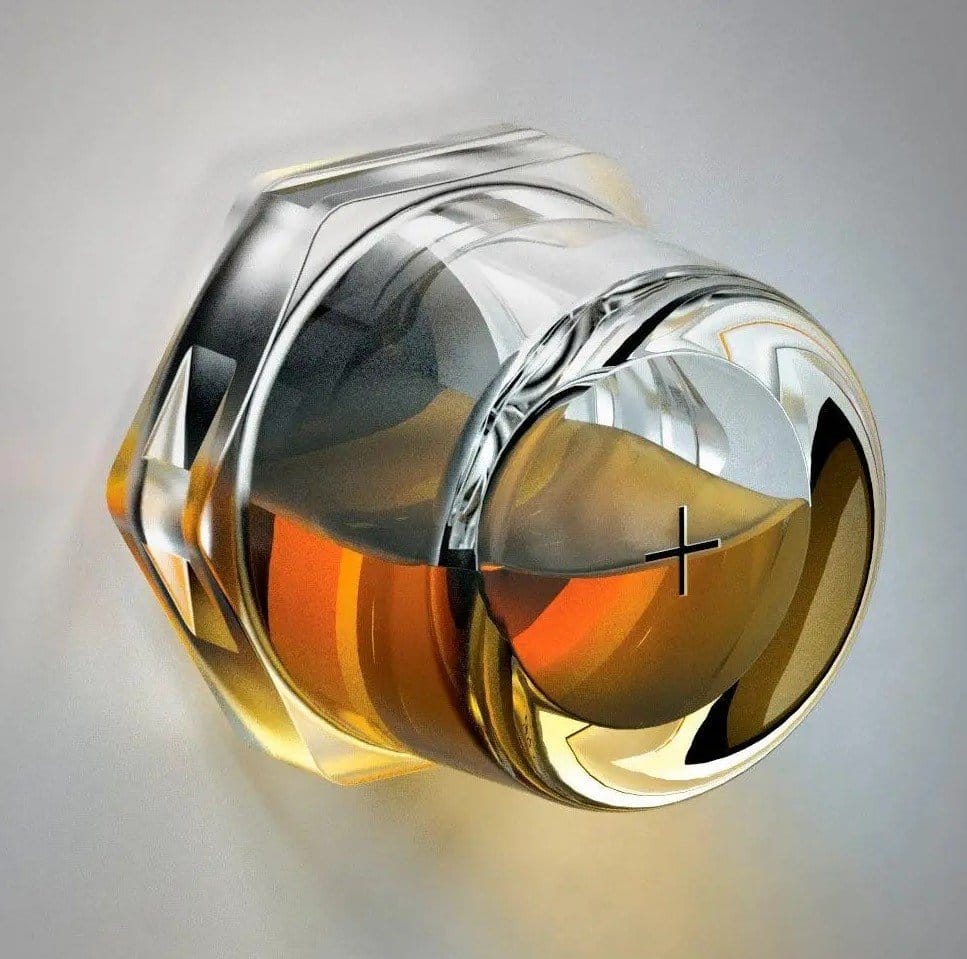
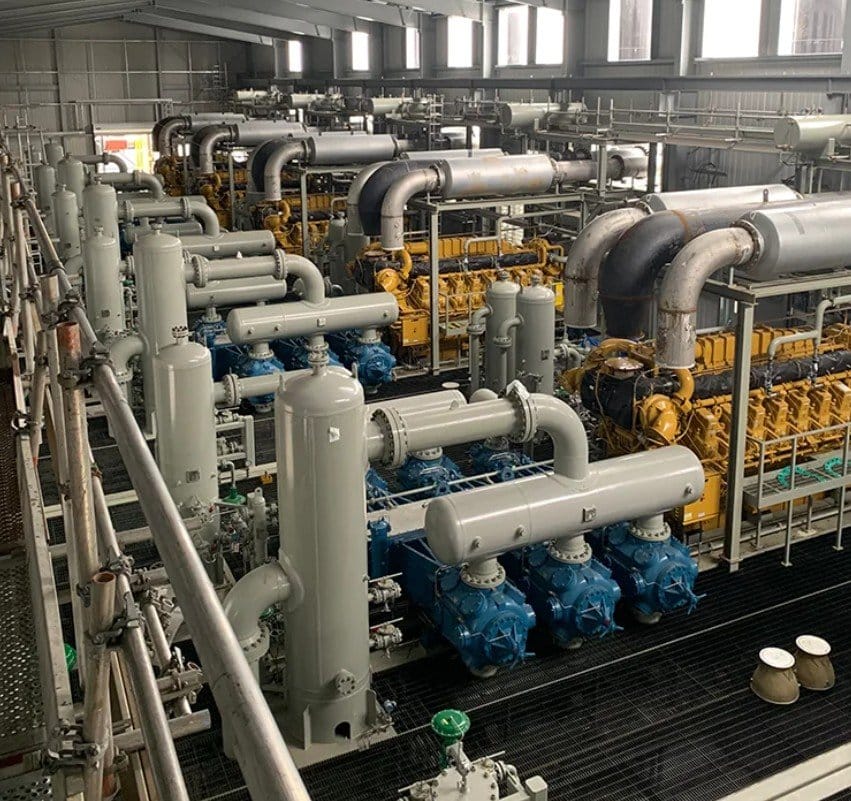
Hot Oil Flush Costs for Gas Compression Systems
An unplanned outage on a mid-scale LNG train can bleed over $5 million per day in gross monetized losses, yet many operators still view proactive…
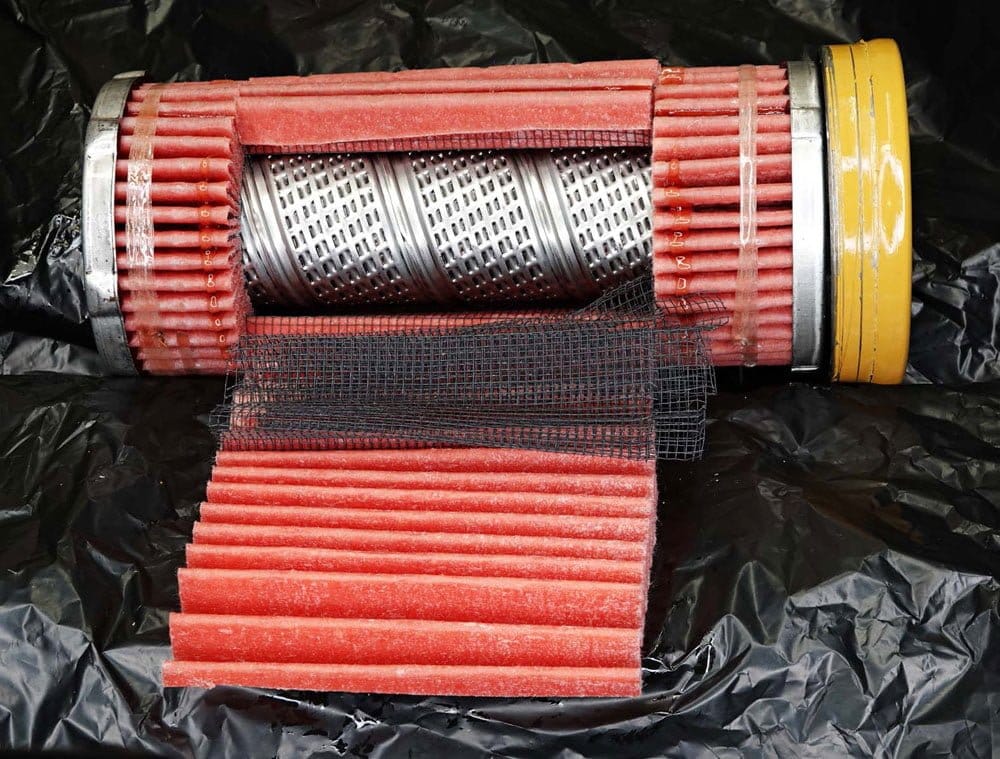
Filter Debris Analysis: Predicting System Failures Early
Why did your critical gearbox suffer a catastrophic failure when last month’s laboratory report gave the lubricant a clean bill of health? It’s a…
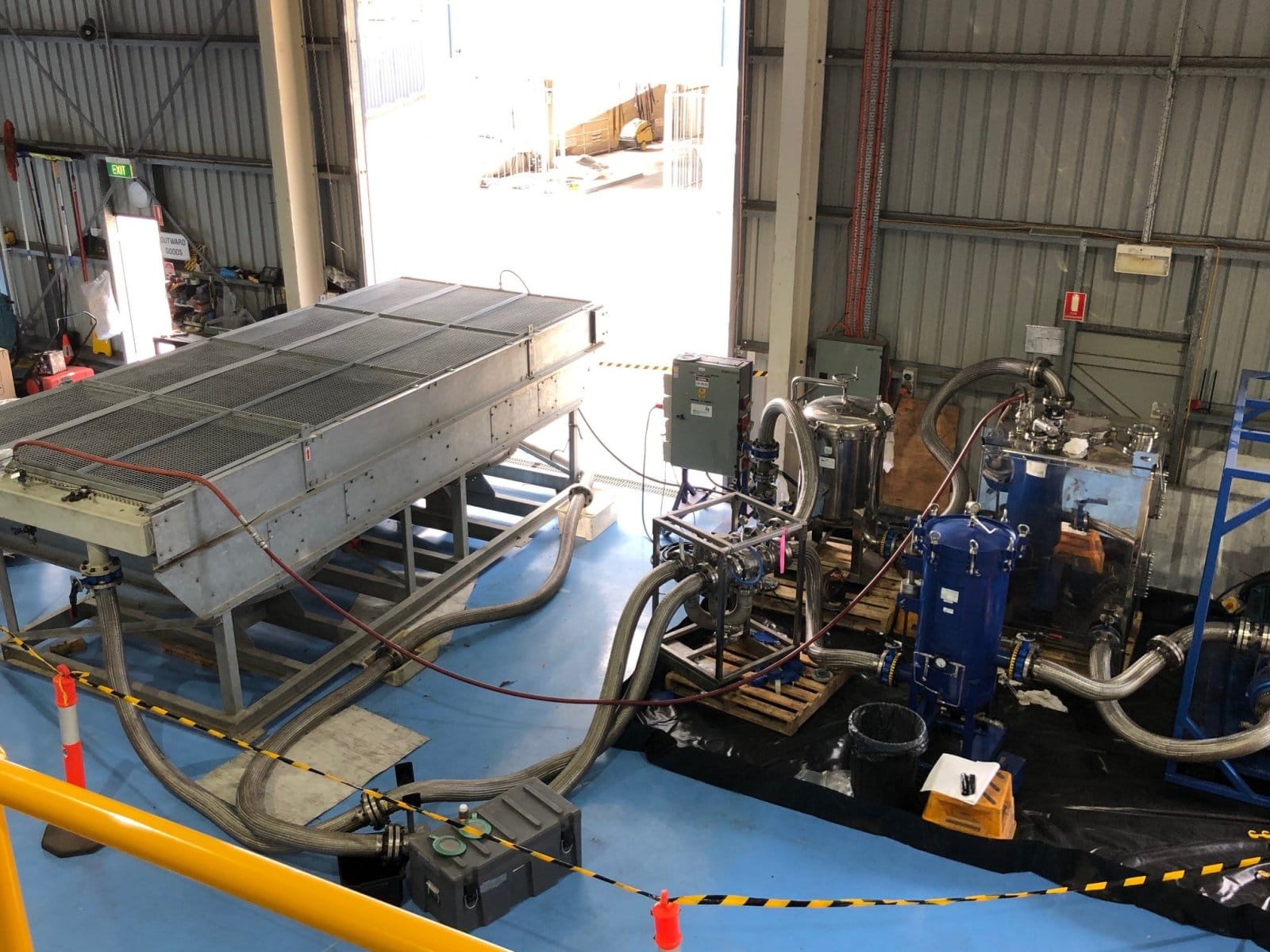
Chemical Cleaning Guide for New Stainless Steel Pipework
What if the “clean” stainless steel pipework you just installed is actually a ticking time bomb for your lubrication system? It’s a common dilemma…
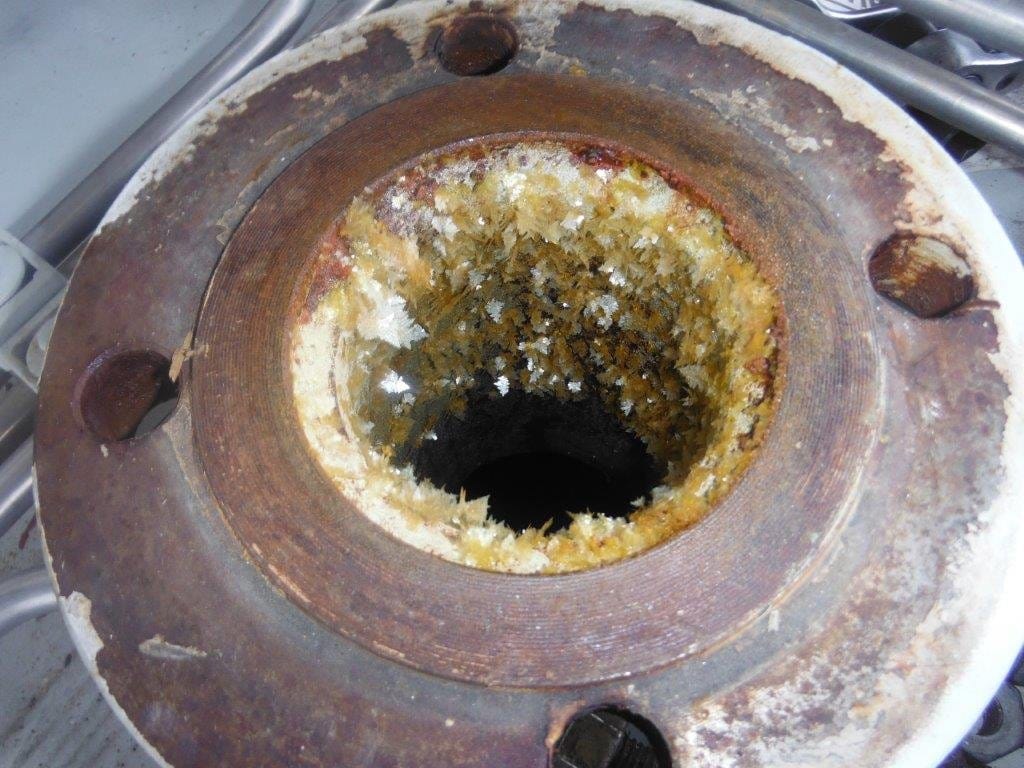
Chemical Cleaning Procedure for Carbon Steel Lines
Corrosion costs the Australian economy an estimated $78 billion annually, representing up to 5.2% of our national GDP. For maintenance engineers, the…
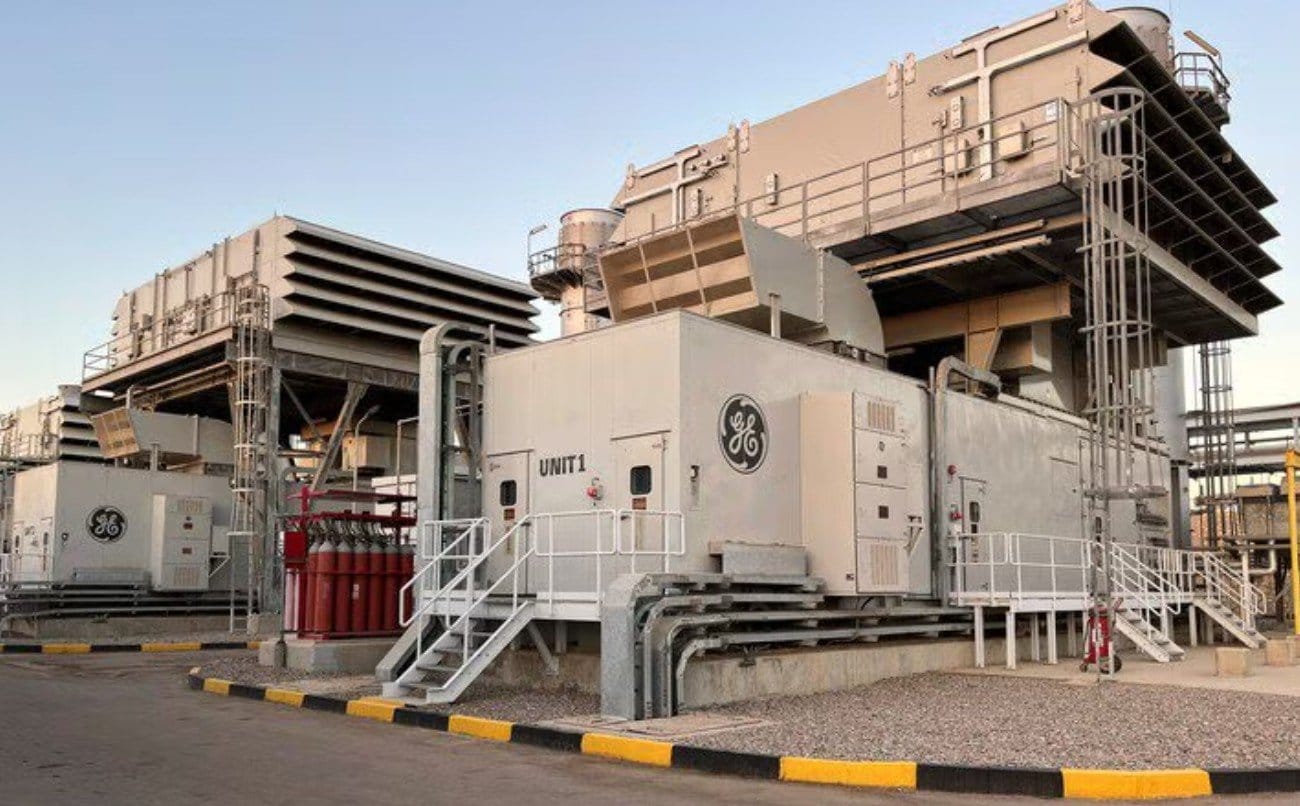
Does Your Lubrication Pipework Need Chemical Cleaning?
Is the aggressive chemical “pickling” of your lubrication pipework a necessary safeguard or a high-risk liability for your asset’s longevity? You’re…
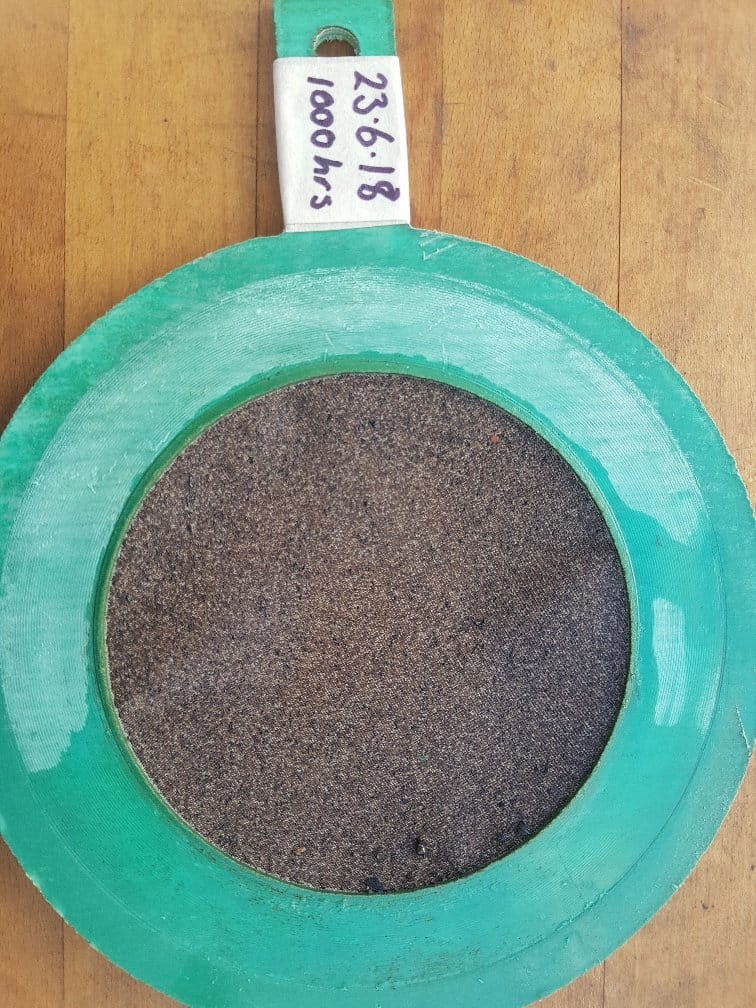
Defining Battery Limits for Better Hot Oil Flushing
A single undefined flange or a missing power outlet can be the difference between a successful maintenance shutdown and a multimillion-dollar repair…
ISO Cleanliness Codes: Guide to Industrial Oil Standards
Up to 82% of industrial equipment wear is the direct result of particle contamination within the lubricant. It’s a staggering statistic that proves…
Reliability-Centred Lubrication: A Strategic Guide
Over 80% of mechanical wear is the direct result of fluid contamination, yet many facilities still treat lubrication as a routine task. In this guide…
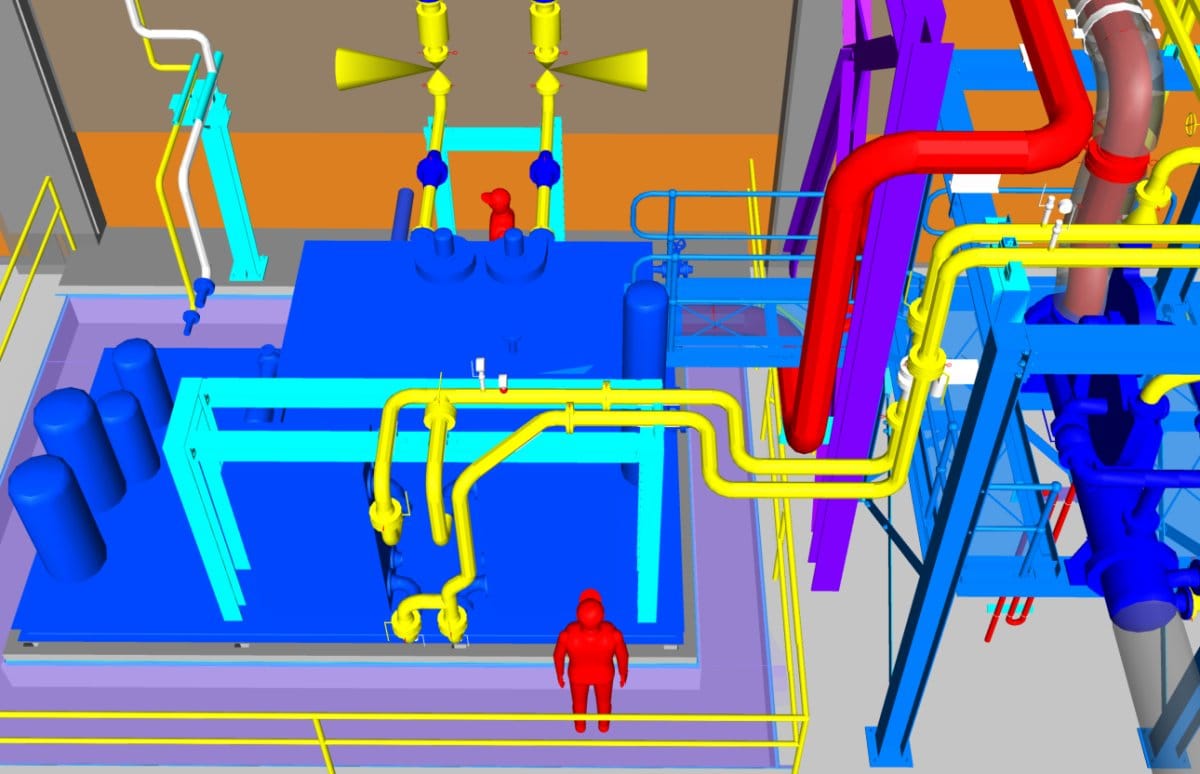
Commissioning Lubrication Systems: A Practical Checklist
Did you know that properly implemented lubrication protocols can reduce bearing failures by up to 80%, yet many systems are sabotaged by built-in…
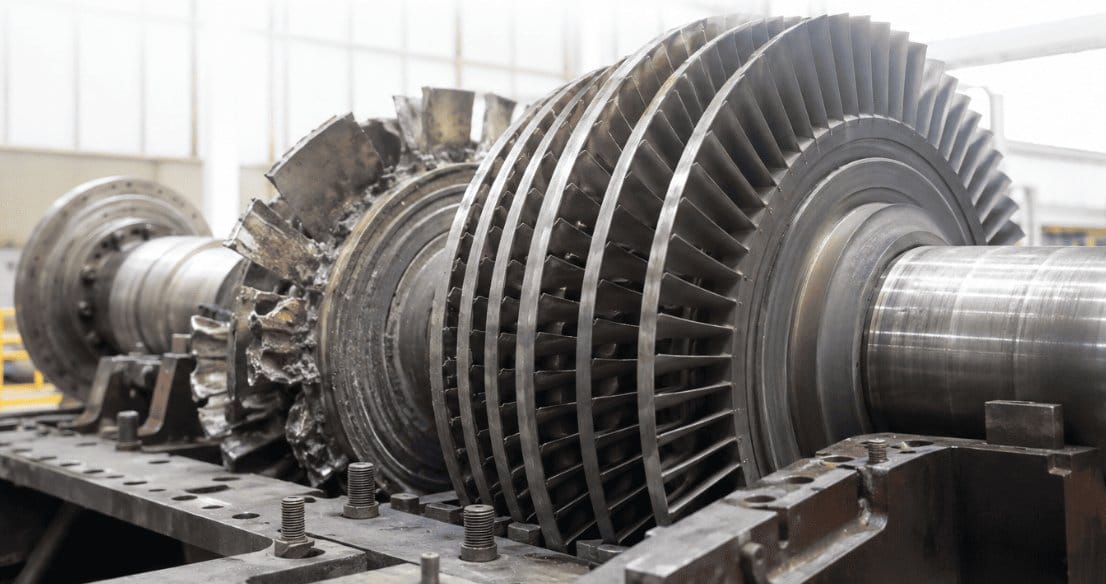
Why Skipping Oil Flushing Before Startup Costs You More
Choosing to bypass a high-velocity hot oil flush during commissioning isn’t a strategic cost-saving measure; it’s an unhedged high-stakes bet against…
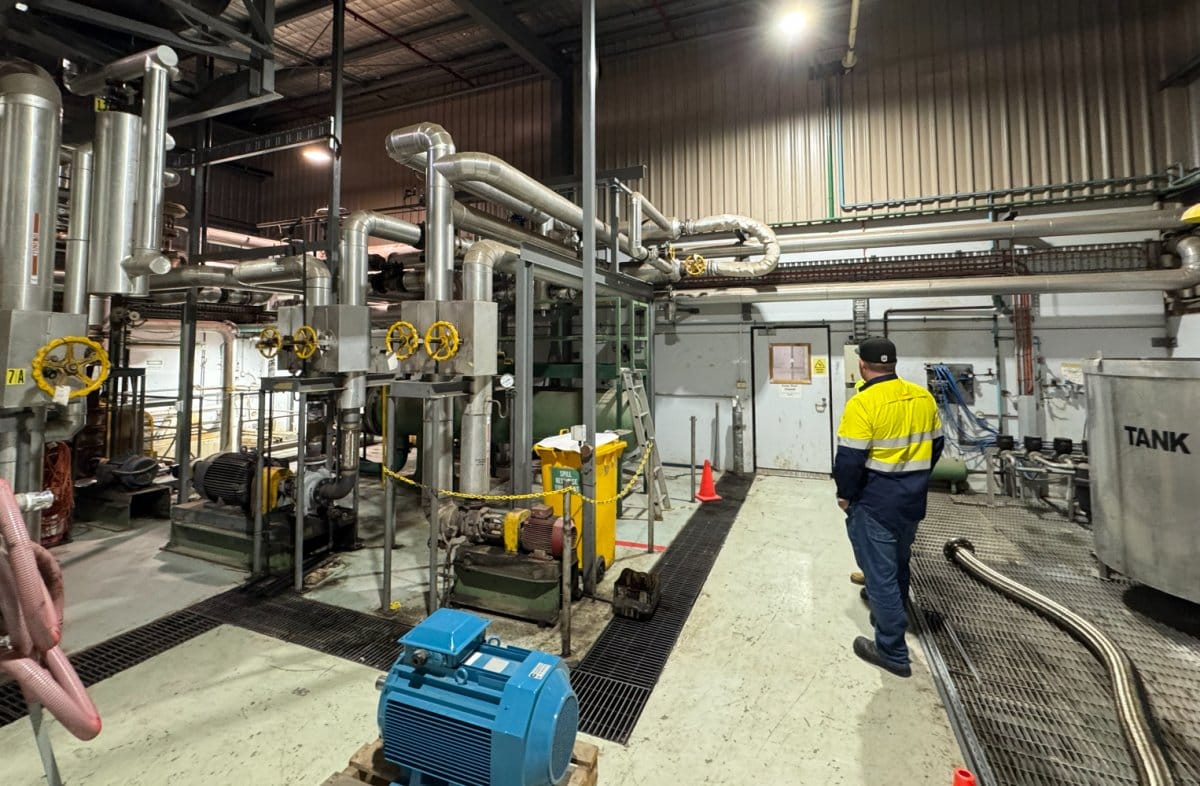
Managing Heat Transfer Fluid Degradation and Prevention
Treating your heat transfer fluid as a simple consumable is a costly mistake that often leads to irreversible system fouling and dangerous safety…
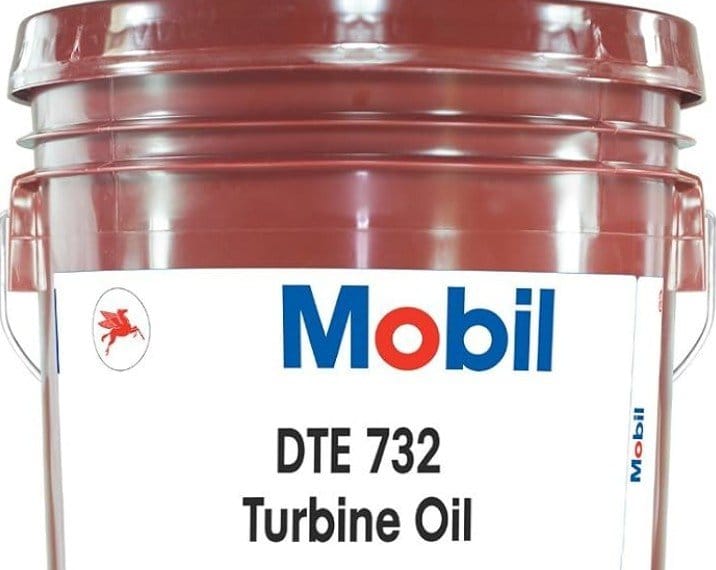
How to Select the Correct Machine Lubricant for Efficiency
Dispersants are projected to command 34.0% of the global lubricant additives market by 2026, yet even the most advanced chemical packages fail when…
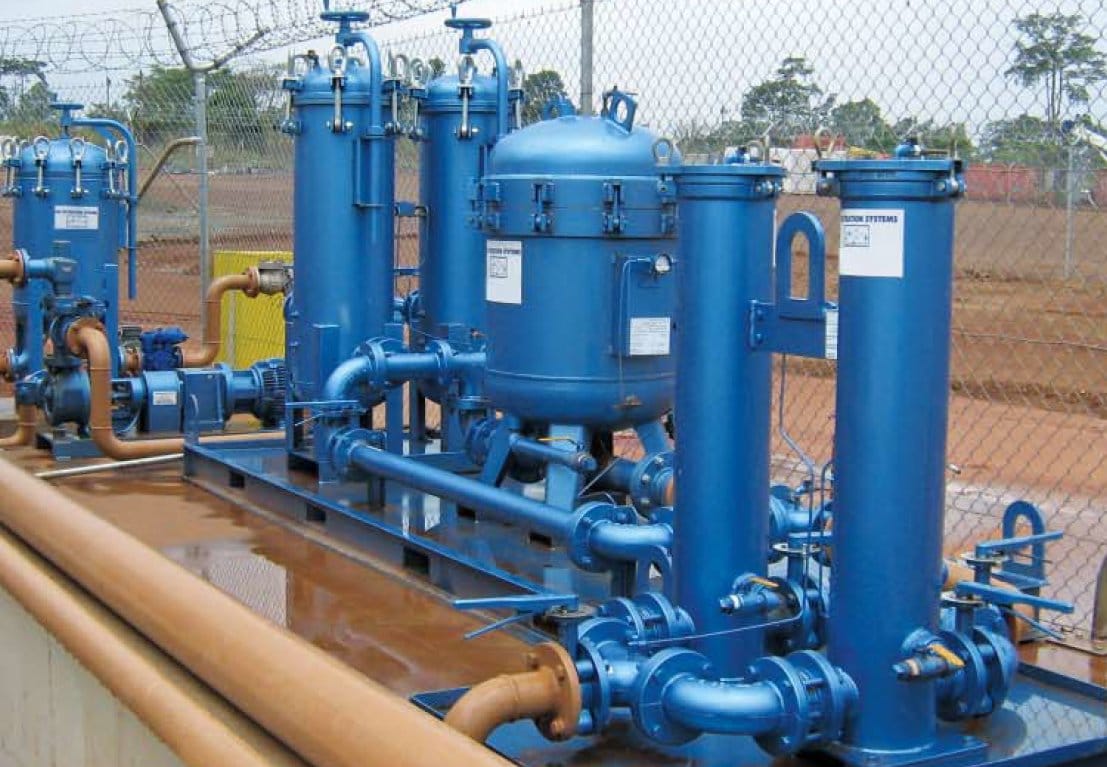
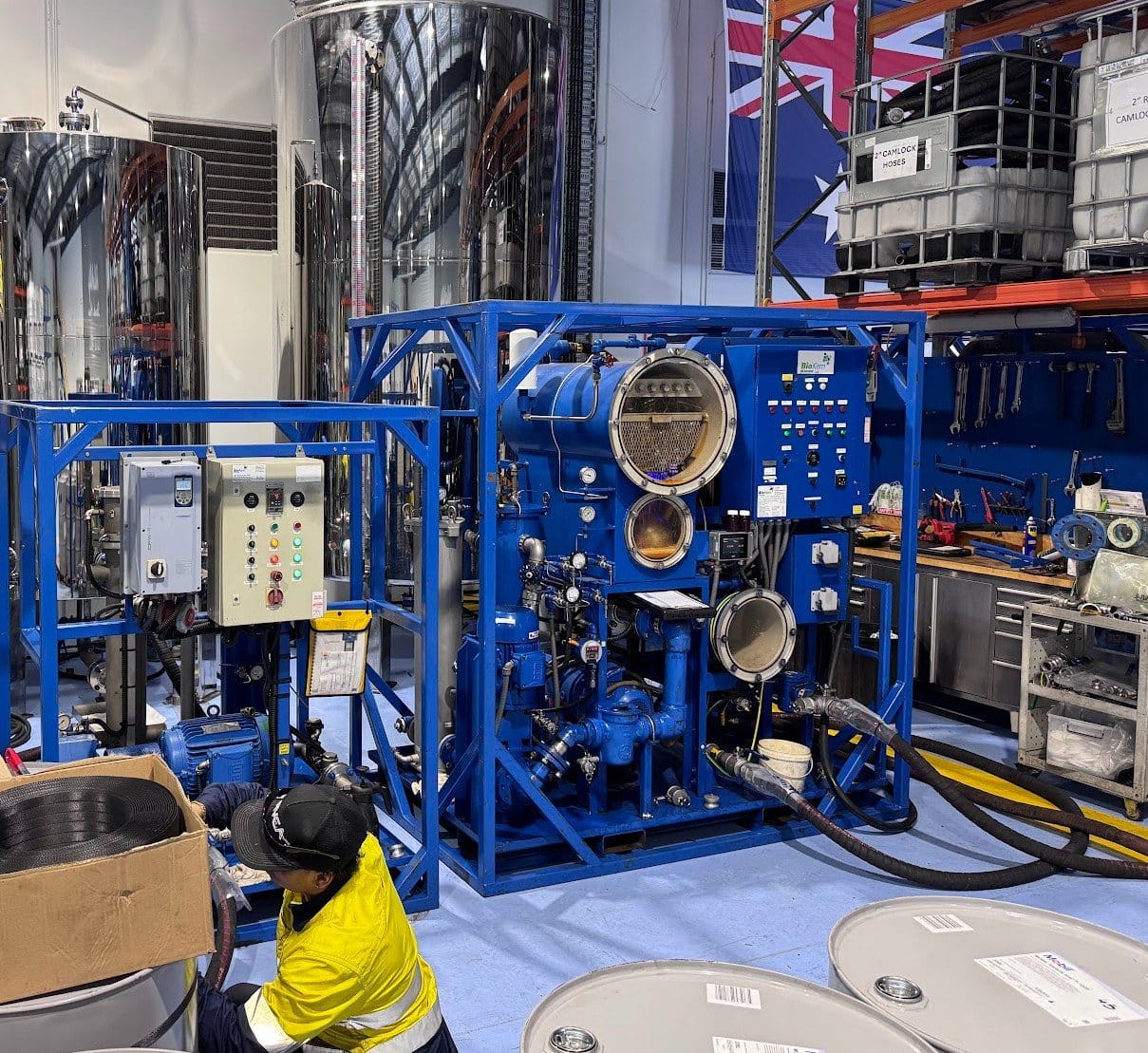
How Coalescing Filters Work: A Guide to Oil Purity
Treating oil filtration as a simple straining exercise is a recipe for catastrophic bearing failure in demanding Australian industrial environments….
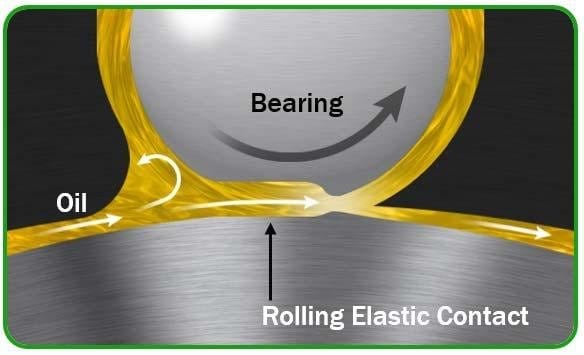
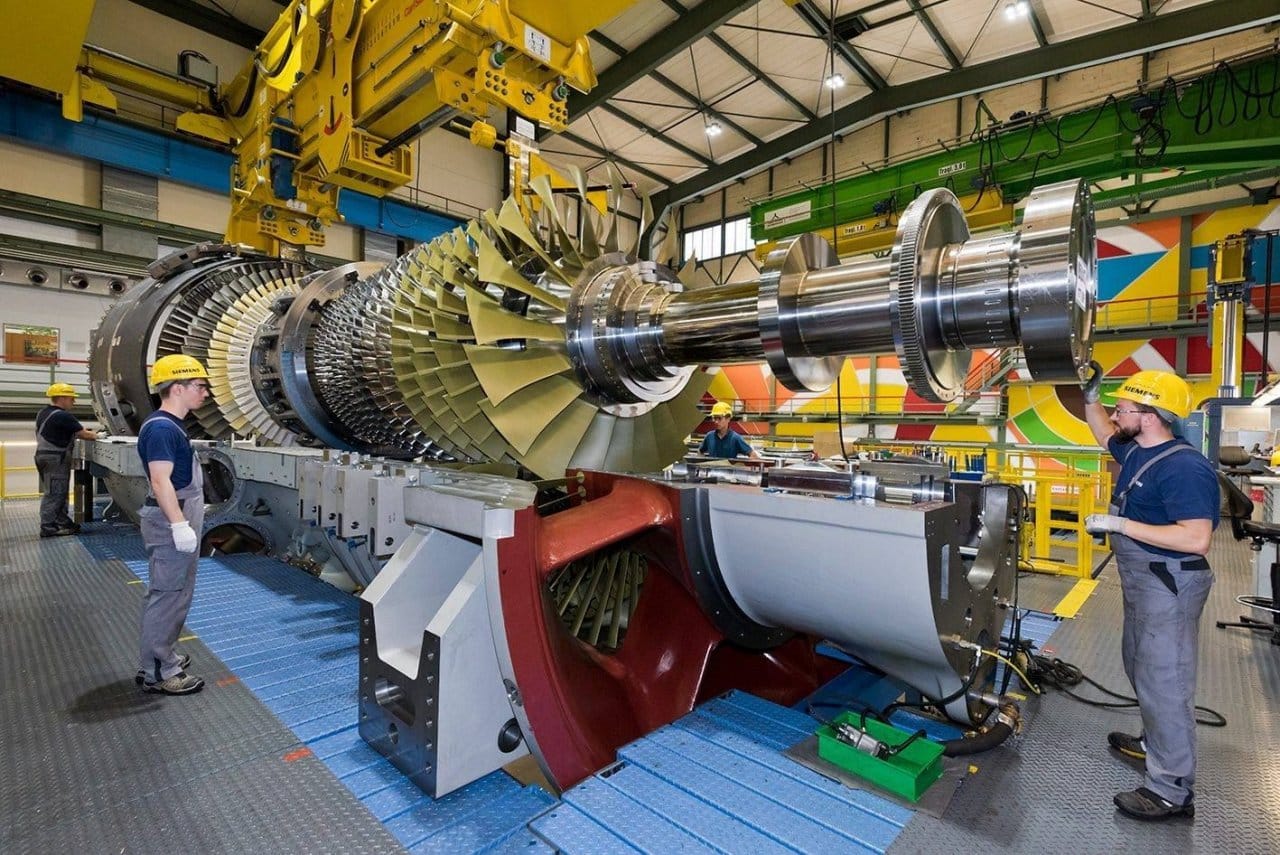
Guide to Hydrodynamic Bearings and Lubricant Wedges
Did you know that 80% of industrial machinery failures stem directly from particle contamination? In high-speed turbines and compressors, this…