


Subjecting your high-value turbine or compressor bearings to a high-velocity oil flush is effectively sandblasting your most critical assets from the…
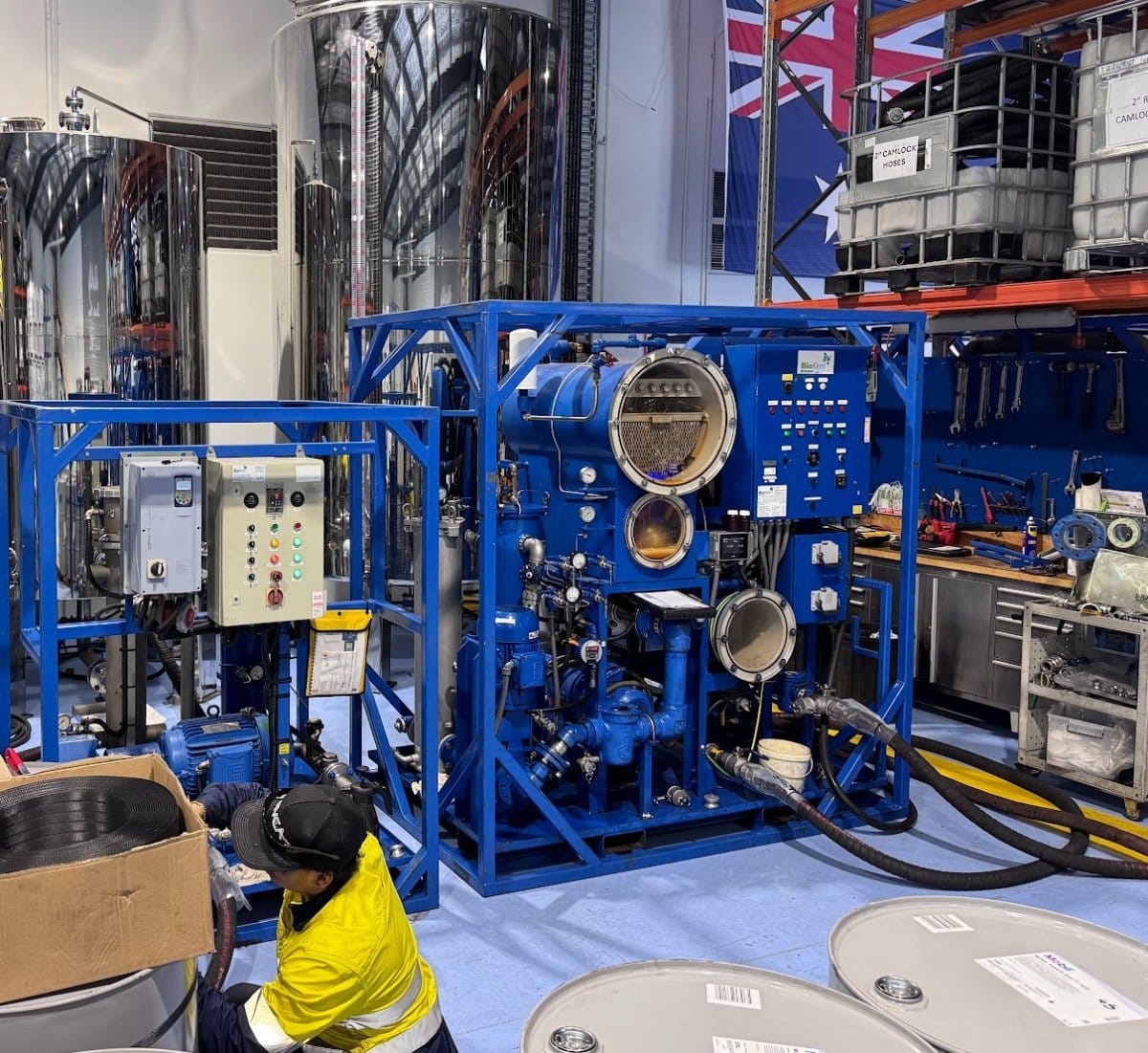
Vacuum Dehydrator Oil Purification: The Industrial Guide to Moisture Removal
Did you know that up to 80% of all hydraulic and lubrication-related equipment failures stem directly from oil contamination? While particulate…
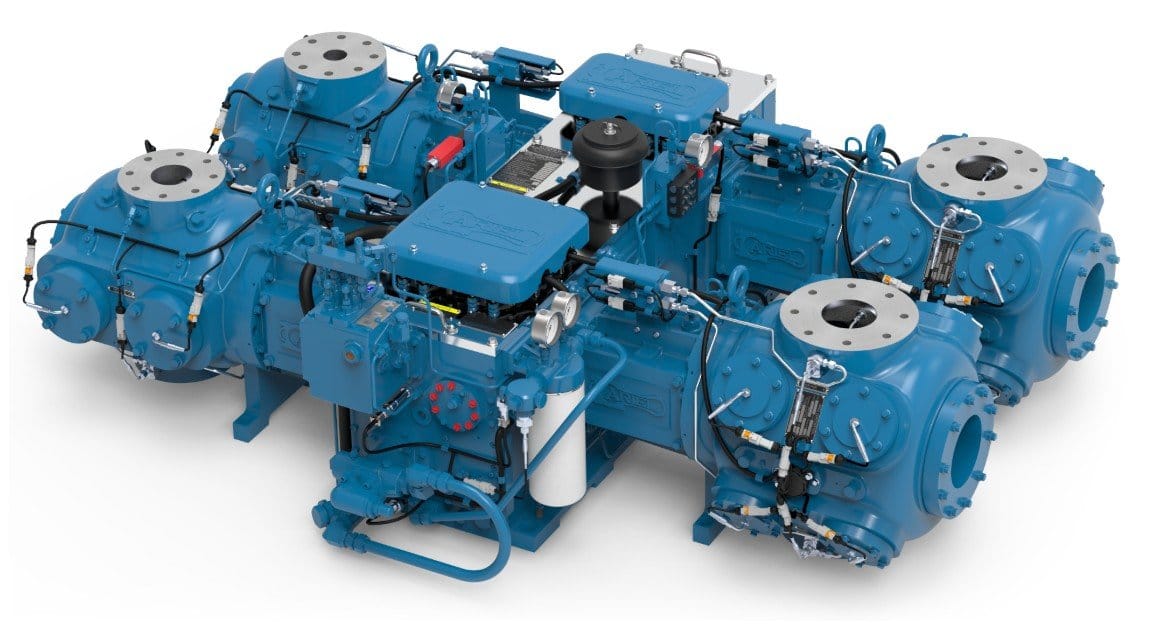
Guide to Industrial Compressor Lubrication Requirements
Compressor reliability isn’t just about the oil you put in; it’s about the cleanliness of the system it flows through. While many operators focus…
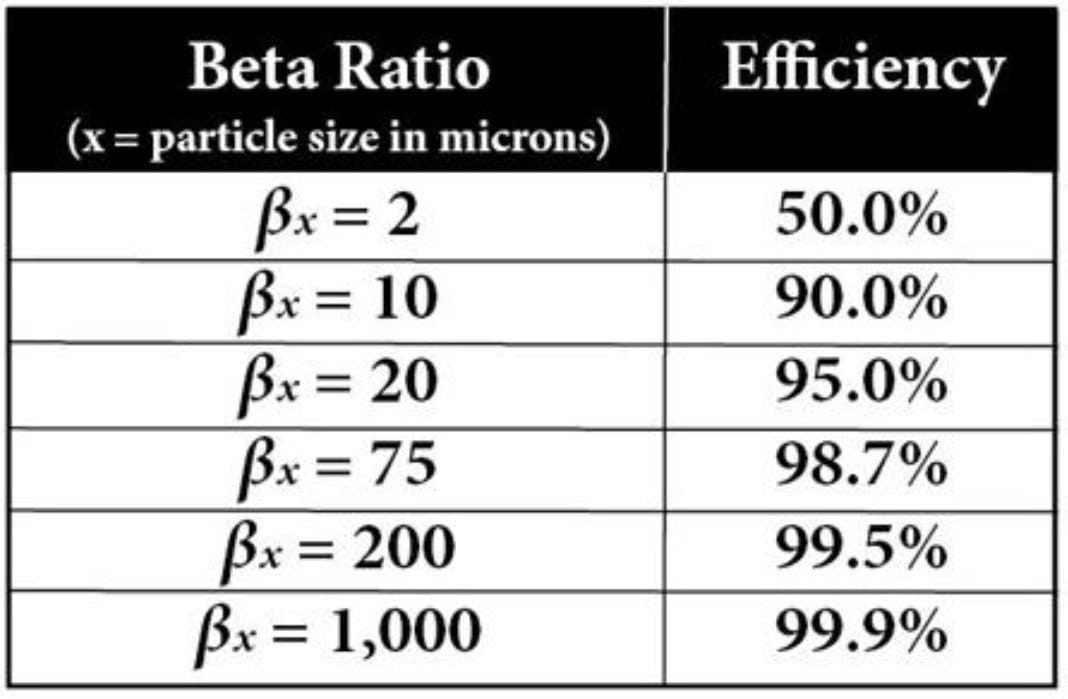
Filter Beta Ratios: Absolute vs. Nominal Efficiency Guide
A “10-micron” filter rating is often little more than a marketing claim that masks significant risks to your machinery. If you’ve experienced…
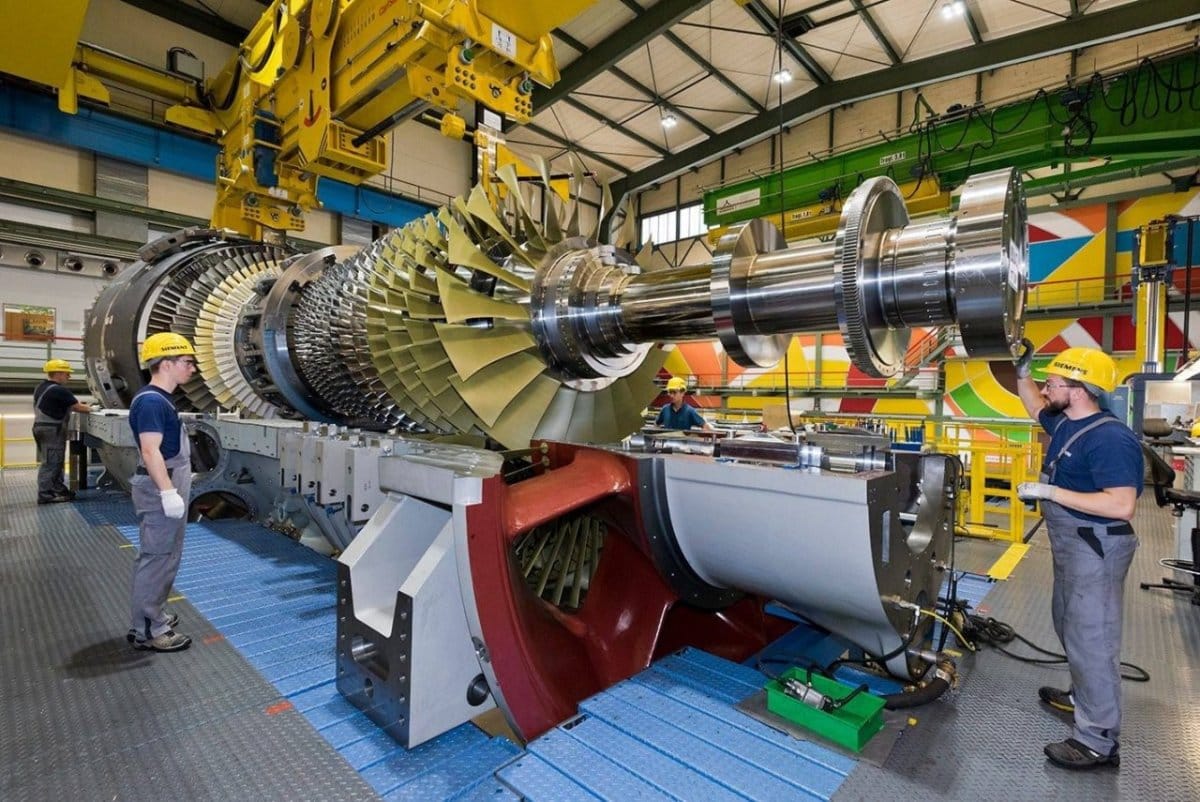
ASTM D6439 Oil Flushing: Expert Siemens Asset Maintenance
Did you know that approximately 30% of industrial machinery failures stem directly from inadequate lubrication and residual contamination? For…
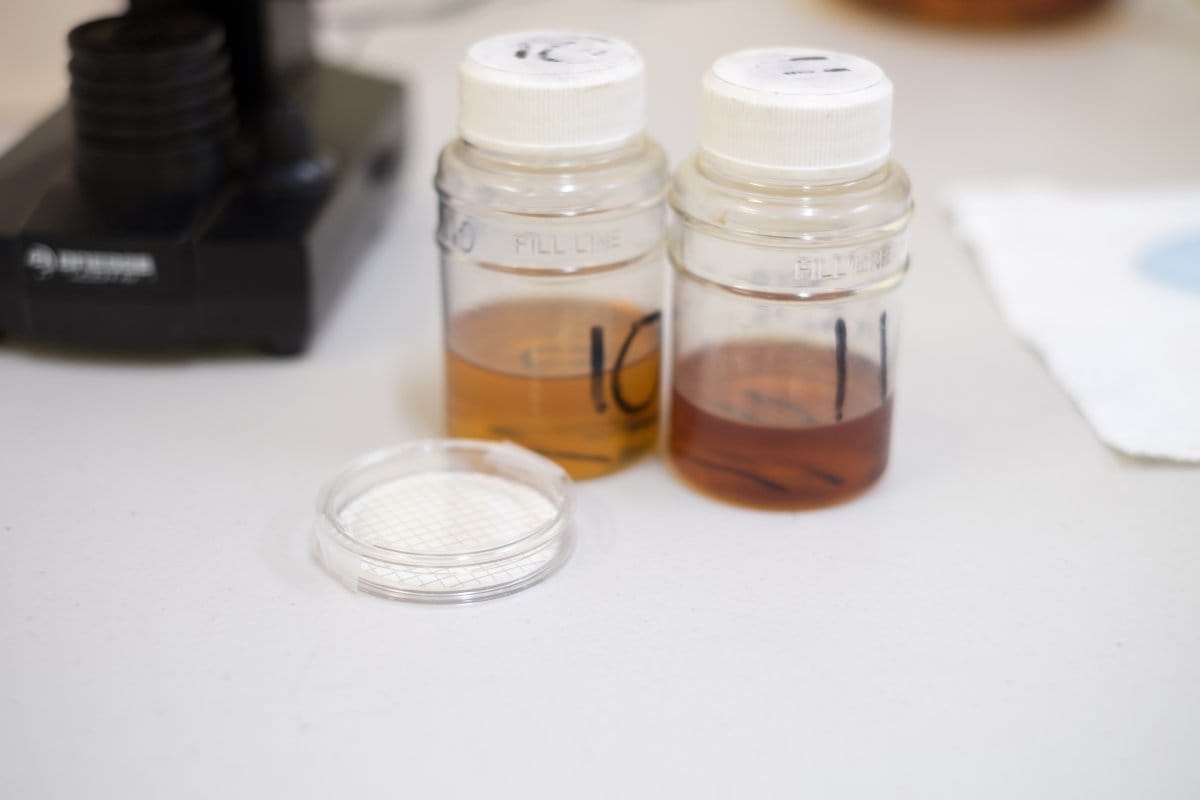
Oil Groups Explained: Mineral vs Synthetic Lubricants
What if the “full synthetic” label on your lubricant drum is more of a marketing strategy than a reliability guarantee? While it’s easy to assume…
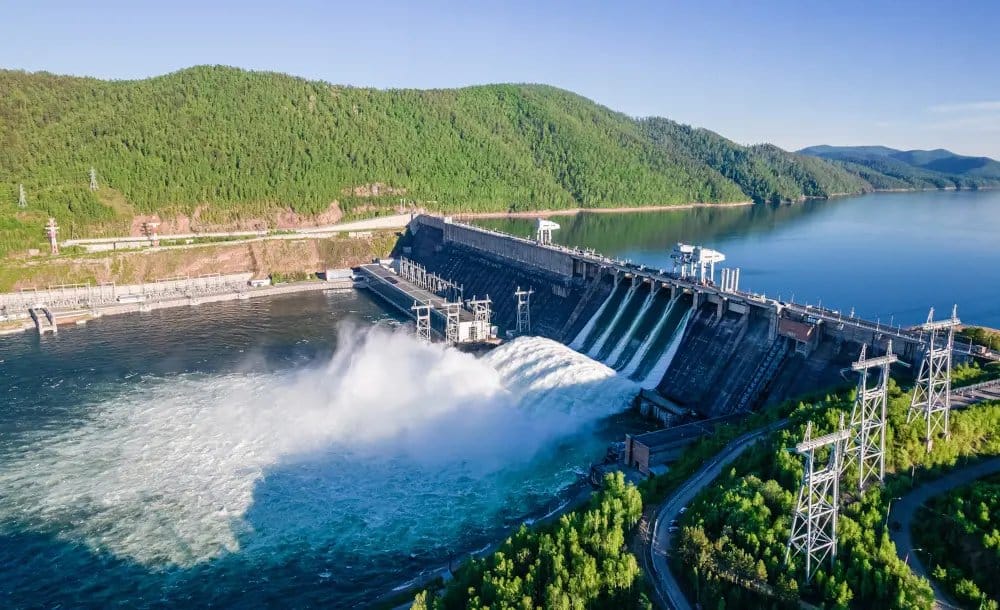
Hydro Power Lubrication System Commissioning Guide
Commissioning represents the single most critical window to ensure total mechanical cleanliness for a hydroelectric turbine; standard oil changes…
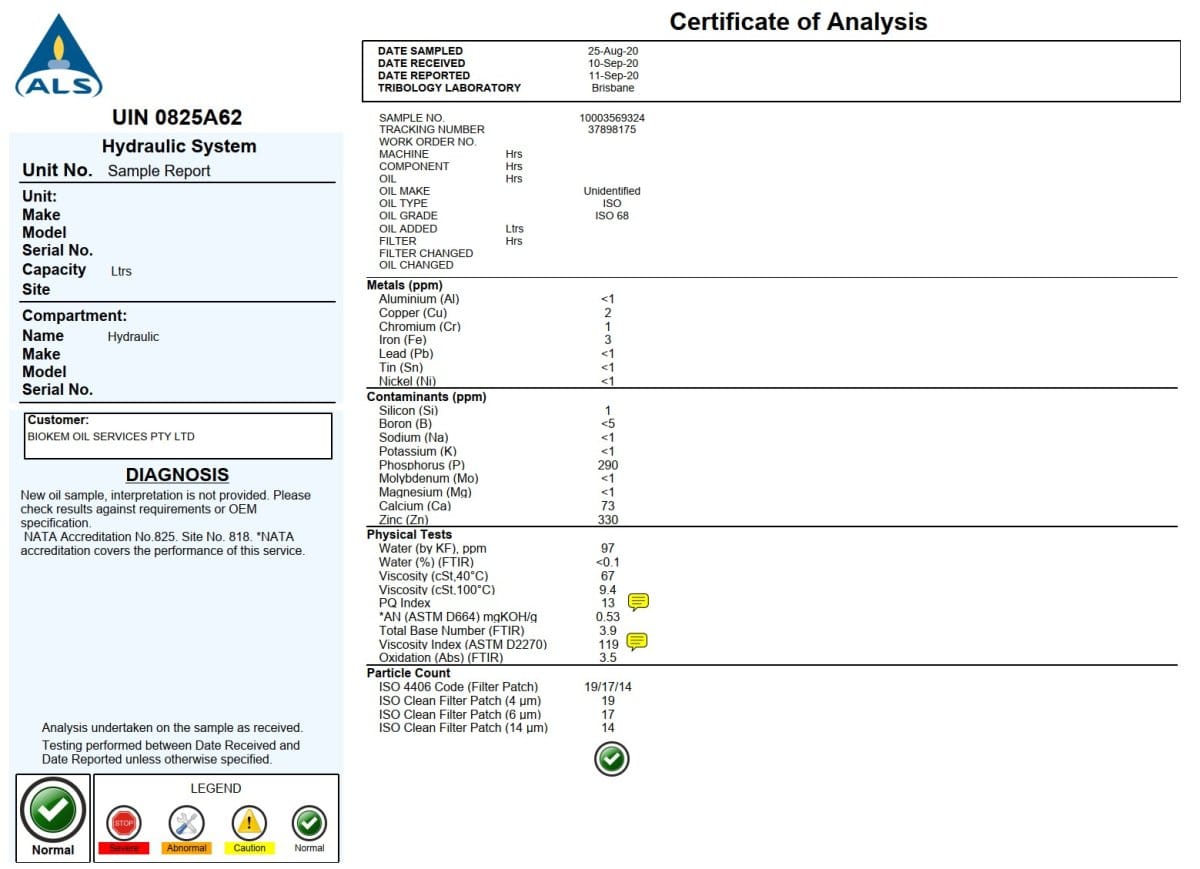
Industrial Oil Sample Testing Services: The 2026 Guide to Asset Reliability
Your most expensive industrial asset isn’t the turbine or the hydraulic press; it’s the invisible contamination currently eroding those systems from…
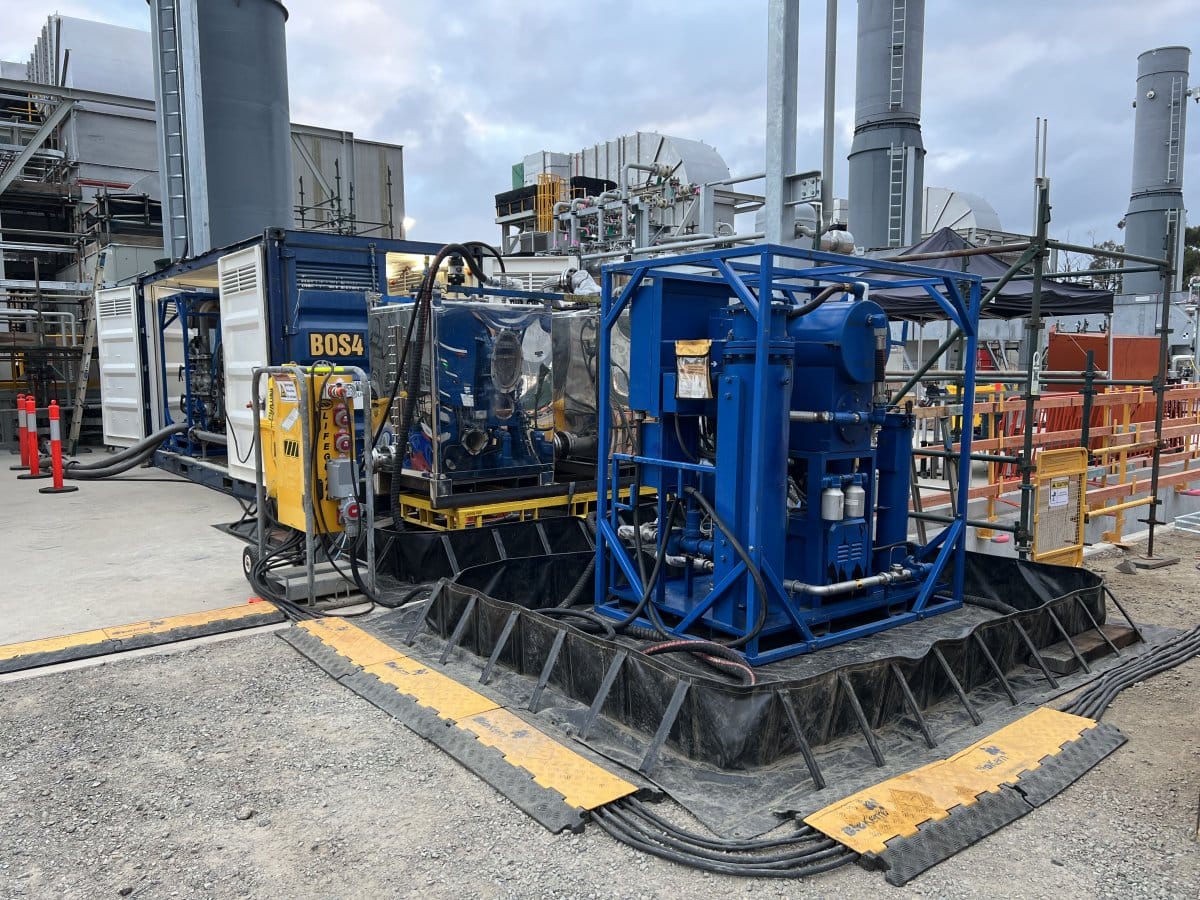
Why Solar Turbines Need to be Oil Flushed in Accordance with Solar ES2184
What if the very lubrication system designed to protect your asset became the primary cause of its early failure? In the high-stakes world of…
Preventing ESD Damage in Industrial Lubrication Systems
Leading lubricant analysis laboratories have reported a 600% increase in varnish-associated problems over the last decade. It’s a frustrating paradox…
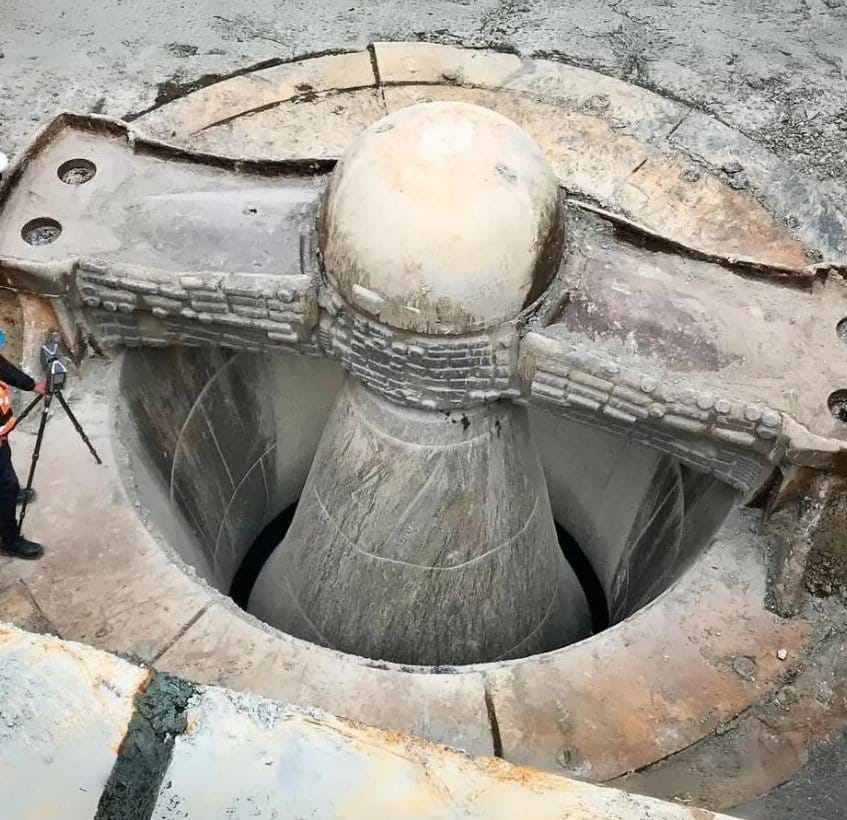
Cone Crusher Hydraulic System Maintenance & Commissioning
Did you know that up to 80% of all hydraulic system failures stem directly from particulate contamination in the fluid? For heavy-duty machinery,…
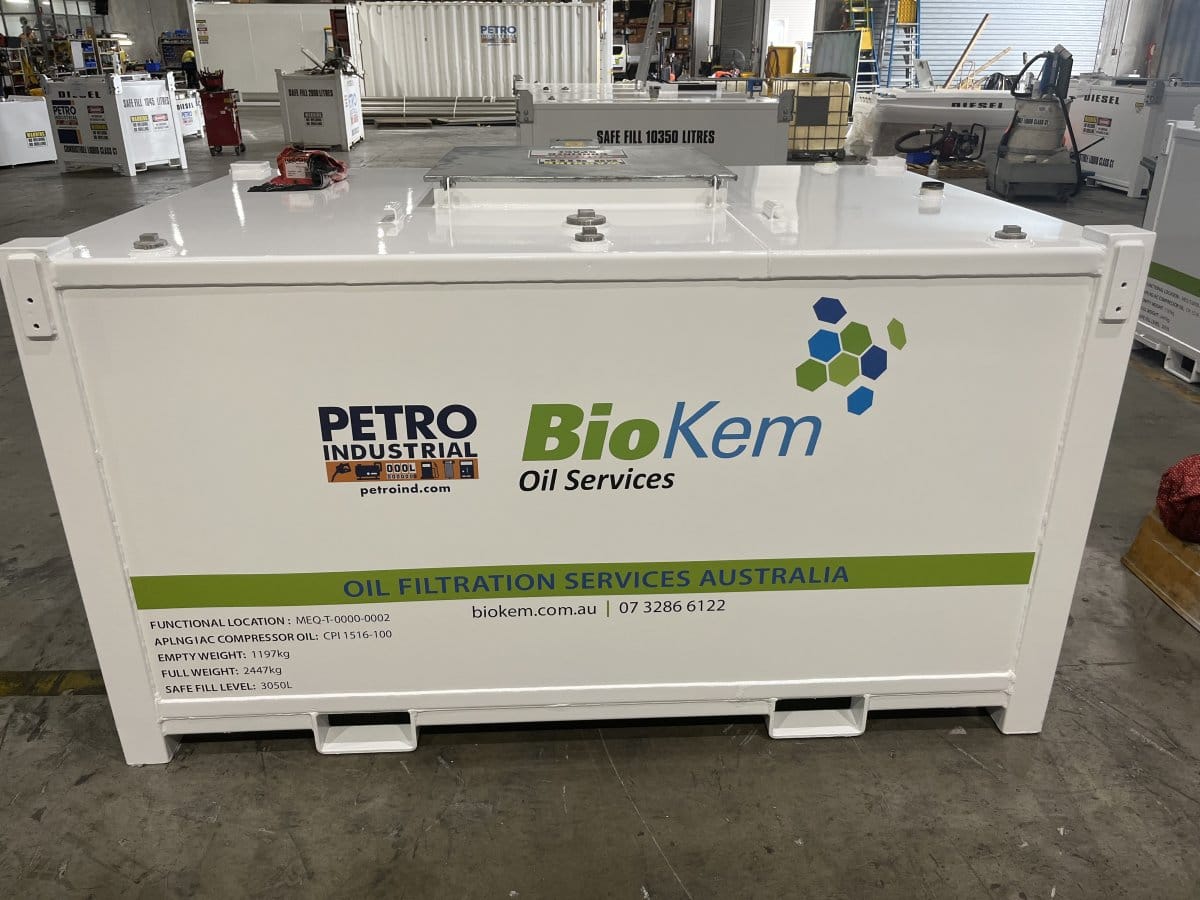
Selecting Lube Oil Tanks: Is Steel the Best Choice?
The perceived cost savings of polyethylene storage are rapidly evaporating as crude oil volatility pushed virgin resin costs up by $0.35 per pound…

The Critical Effects of Oil Contamination on Equipment
Up to 80% of hydraulic system failures are the direct result of particle contamination. It’s a sobering statistic for any operator facing the high…
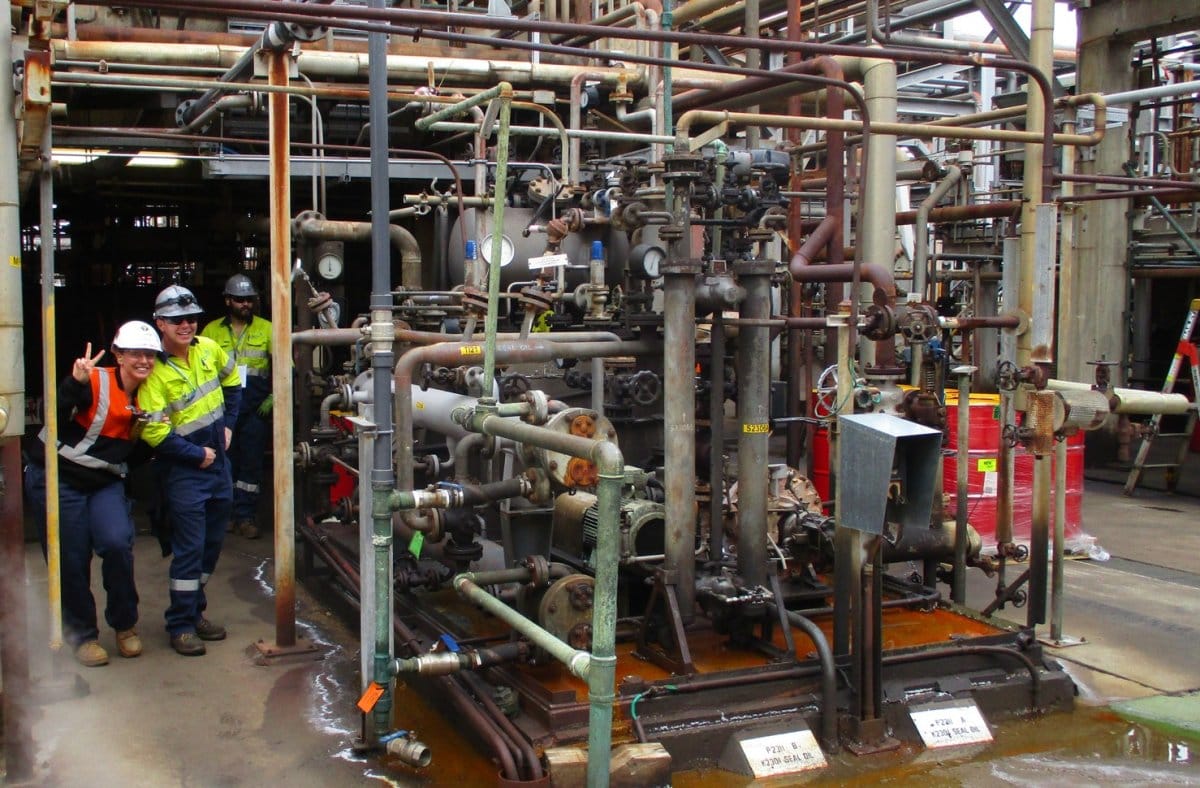
How Dry Lube Oil Extends Machinery and Lubricant Life
In the mineral mining industry, 40% of all energy consumed is used solely to overcome friction. This hidden operational cost proves that traditional…
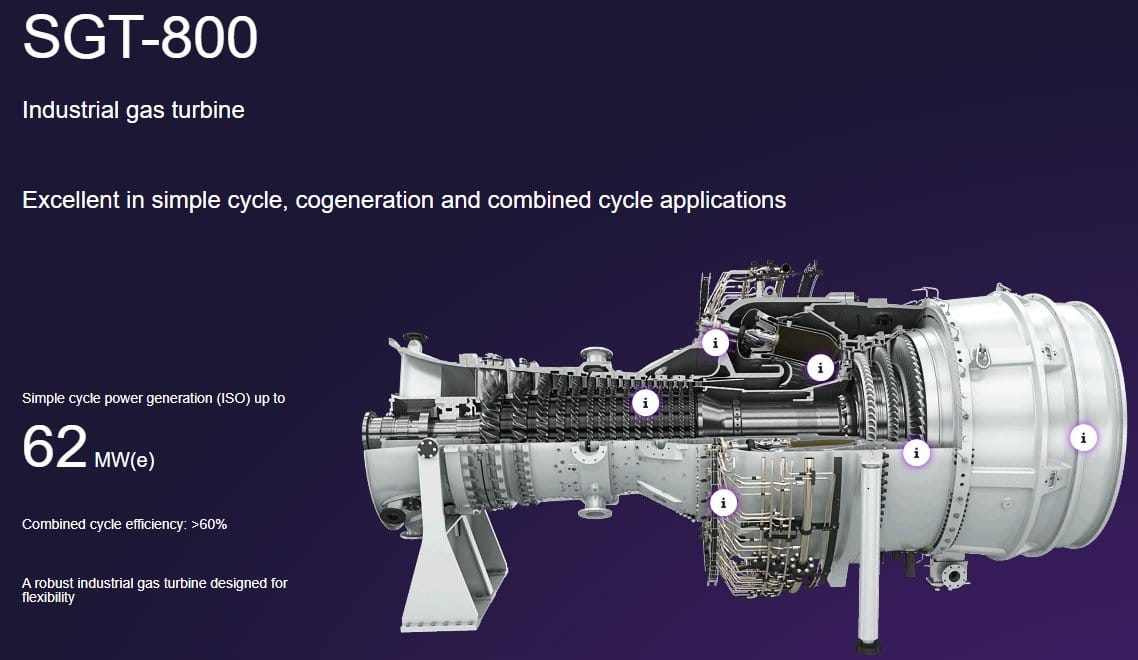
Lube Oil Commissioning Strategy for the Siemens SGT-800: A Comprehensive Guide
More than 70% of industrial turbines that experience recurrent failures are found to have significant varnish buildup, a problem that can originate…
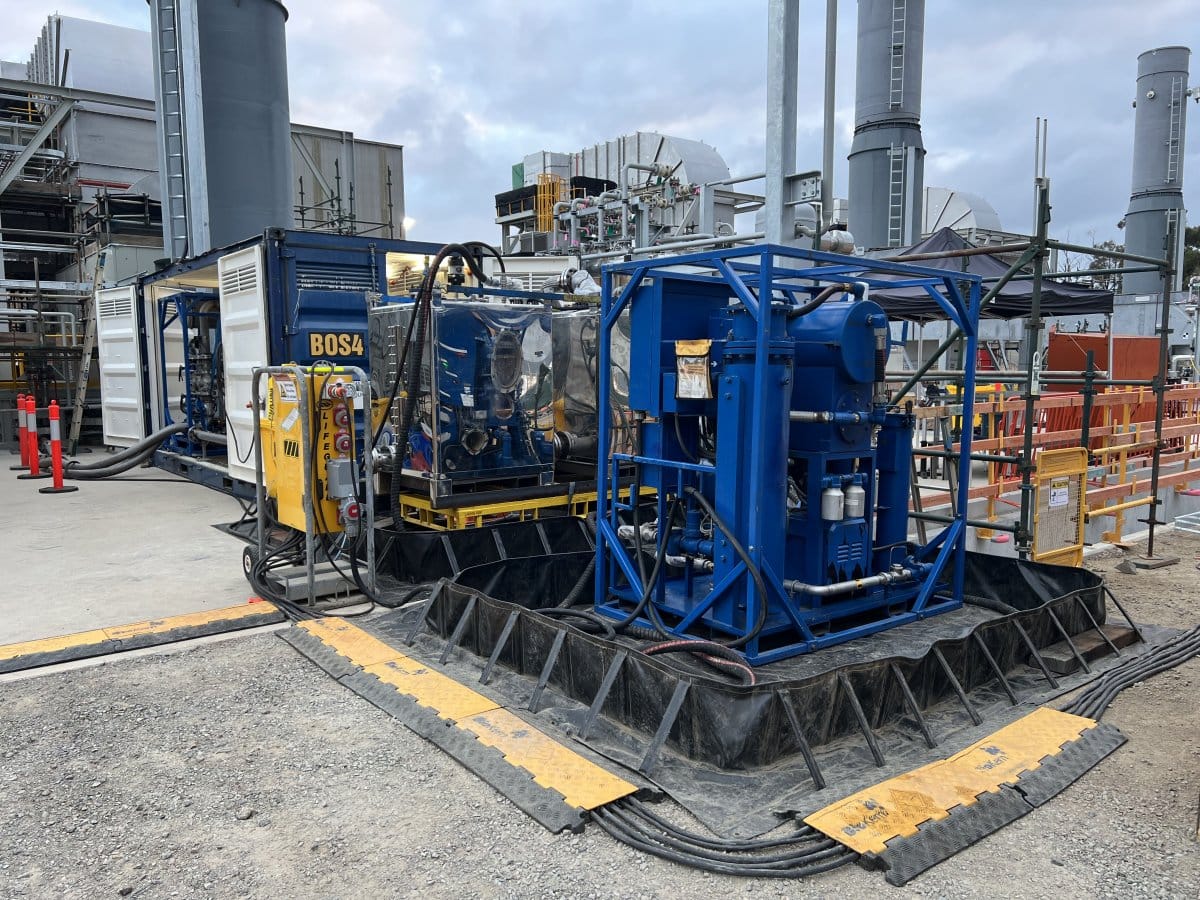
Why Solar Turbines Require Lube Oil Flushing to Solar ES2184 Standards
A standard oil change is often the fastest way to ensure your equipment fails to reach its next scheduled maintenance interval. While draining and…
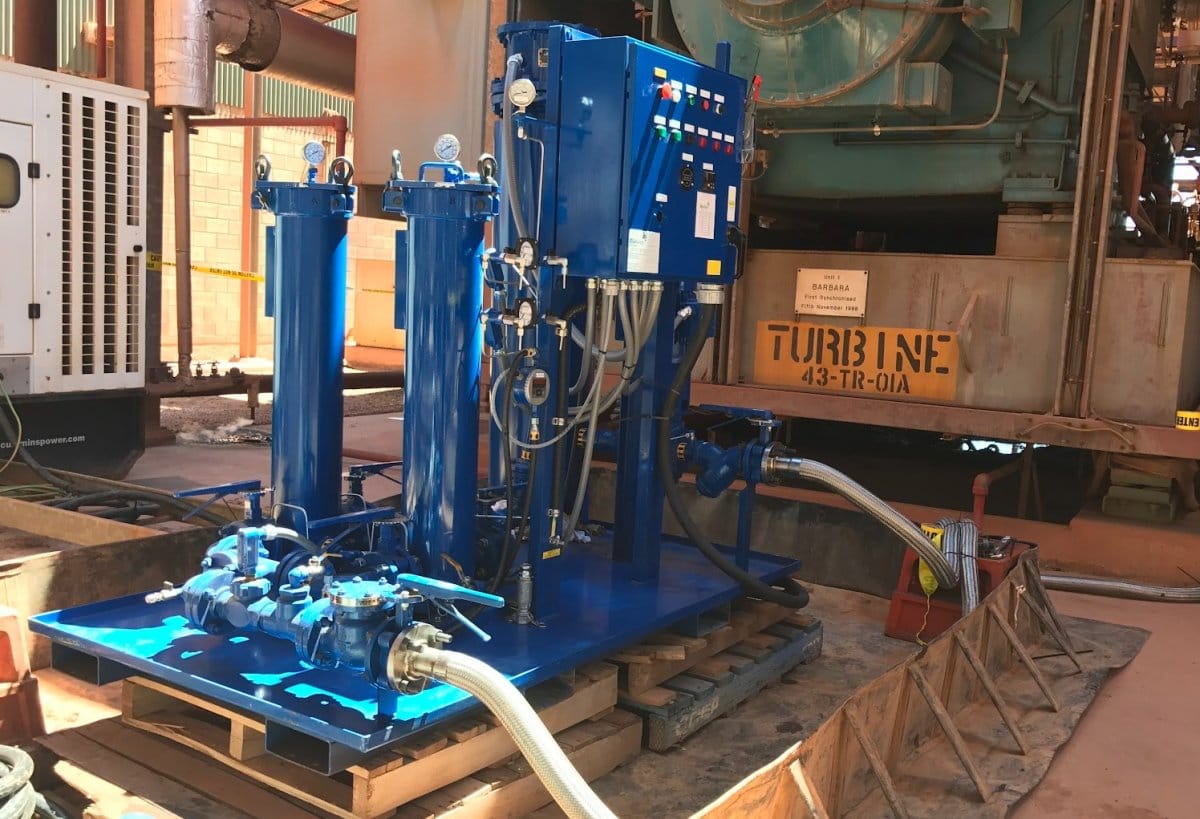
Turbine Lube Oil Flush Case Study: Restoring System Reliability and ISO Cleanliness
On a Tuesday morning last September, a peaking power plant in Victoria faced a sudden trip due to varnish-induced servo valve sticking. For…
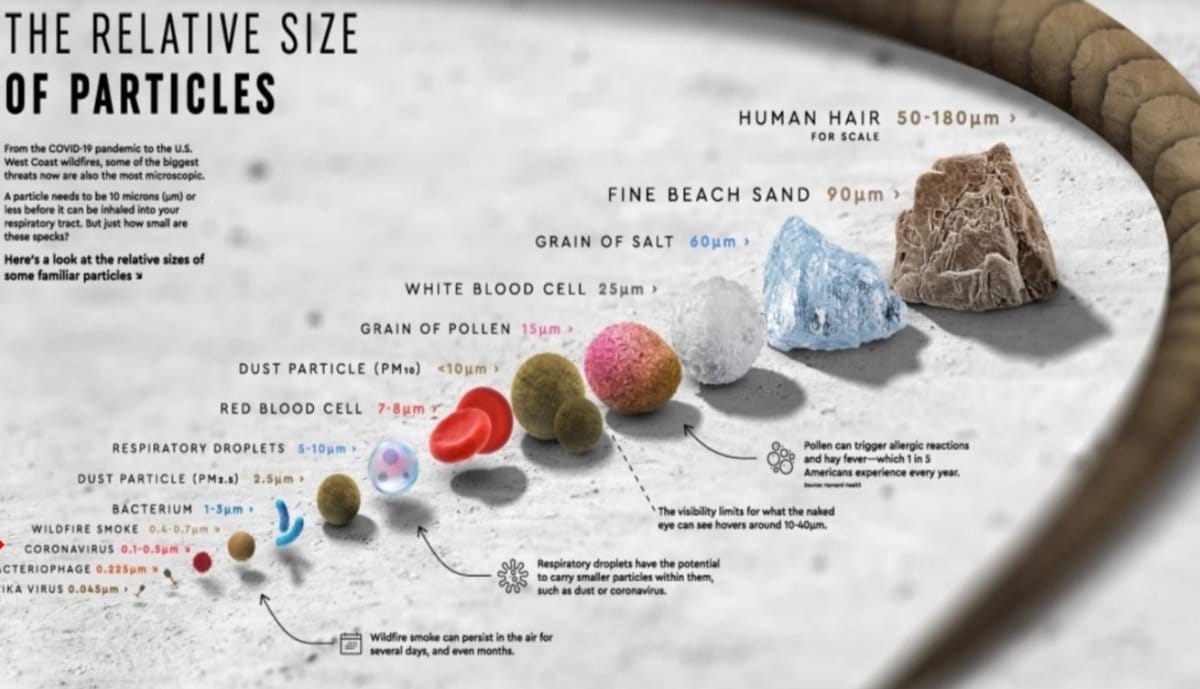
The Comprehensive Guide to ISO 4406 Cleanliness Codes in 2026
Approximately 80% of hydraulic system failures in Australian heavy industry are the direct result of particle contamination. For maintenance…

ISO 4406 Cleanliness Codes Explained: The Industrial Guide to Oil Contamination
Industry research indicates that 80% of hydraulic system failures in Australian heavy industry are caused by fluid contamination. You likely already…

Advanced Fluid Management: A Strategic Guide to Industrial Lubrication Reliability
Research indicates that 82% of mechanical wear is directly attributable to particle contamination, yet many Australian sites still treat oil changes…