

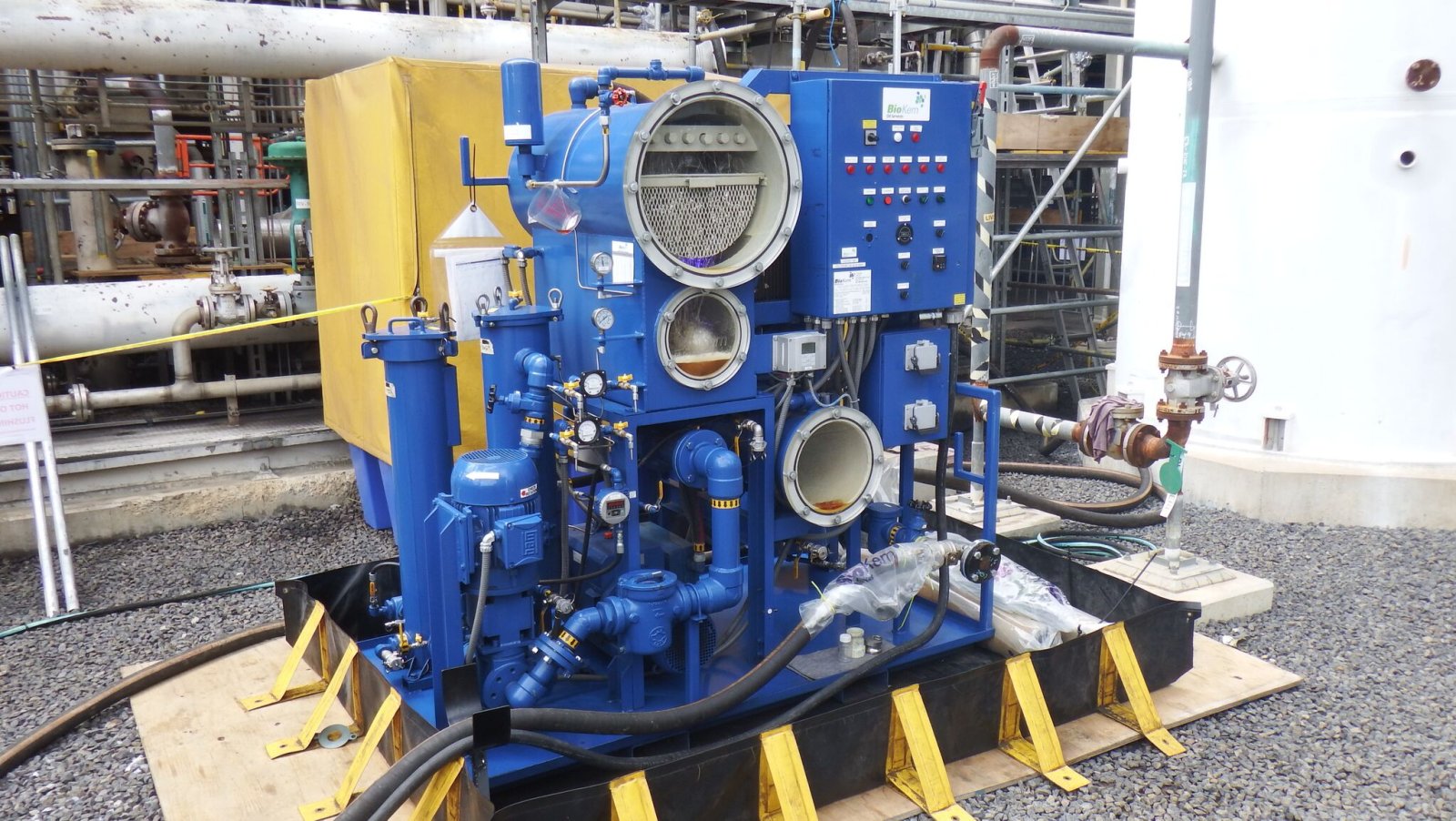
Contamination can turn a suitable lubricant into a source of wear, heat and unreliable machine operation. Effective lubrication management best…
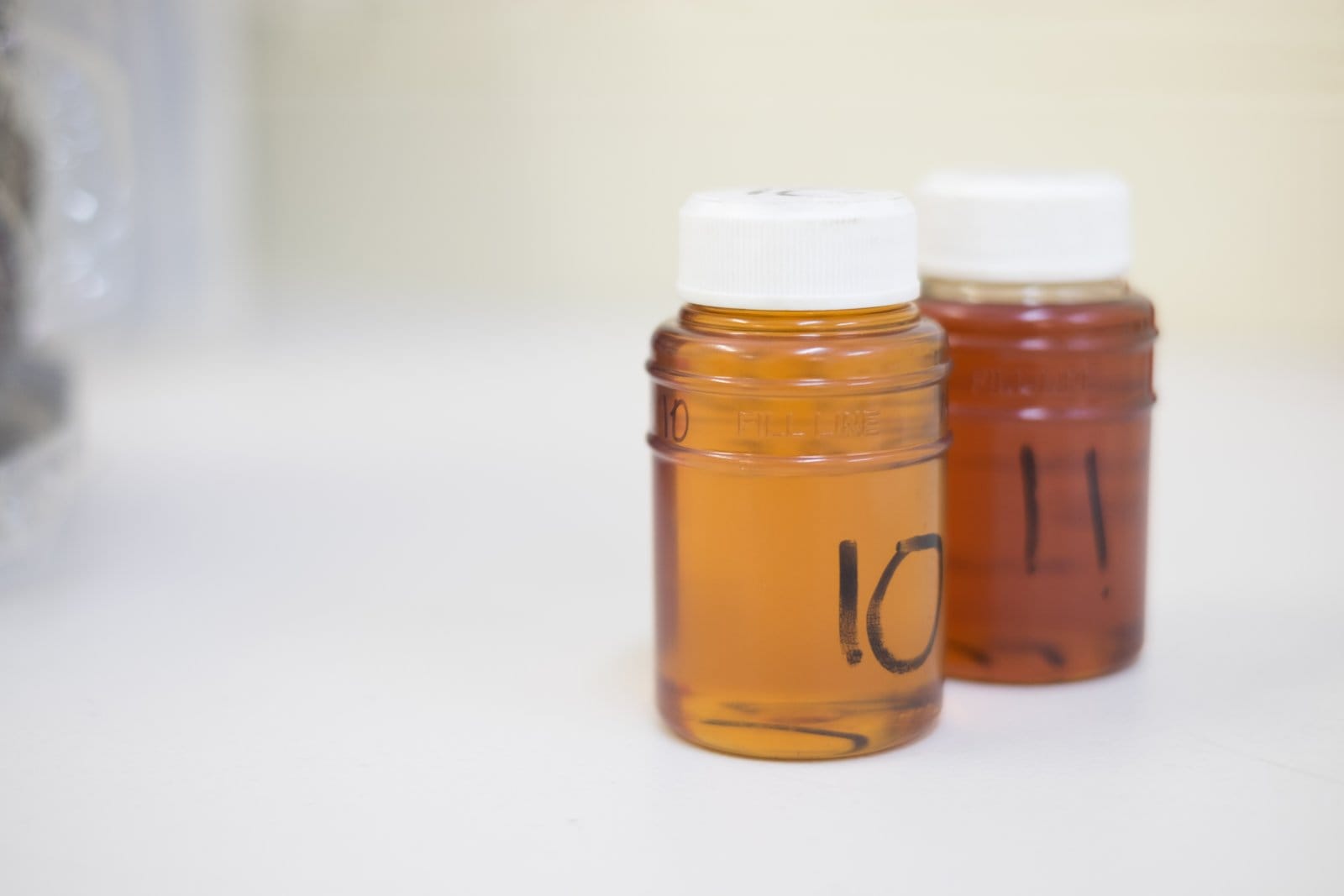
How to Increase Lube Oil Longevity & Cut Costs
How to increase the longevity of your lube oil comes down to controlling contamination, water, heat and air, and using the lubricant suited to the…
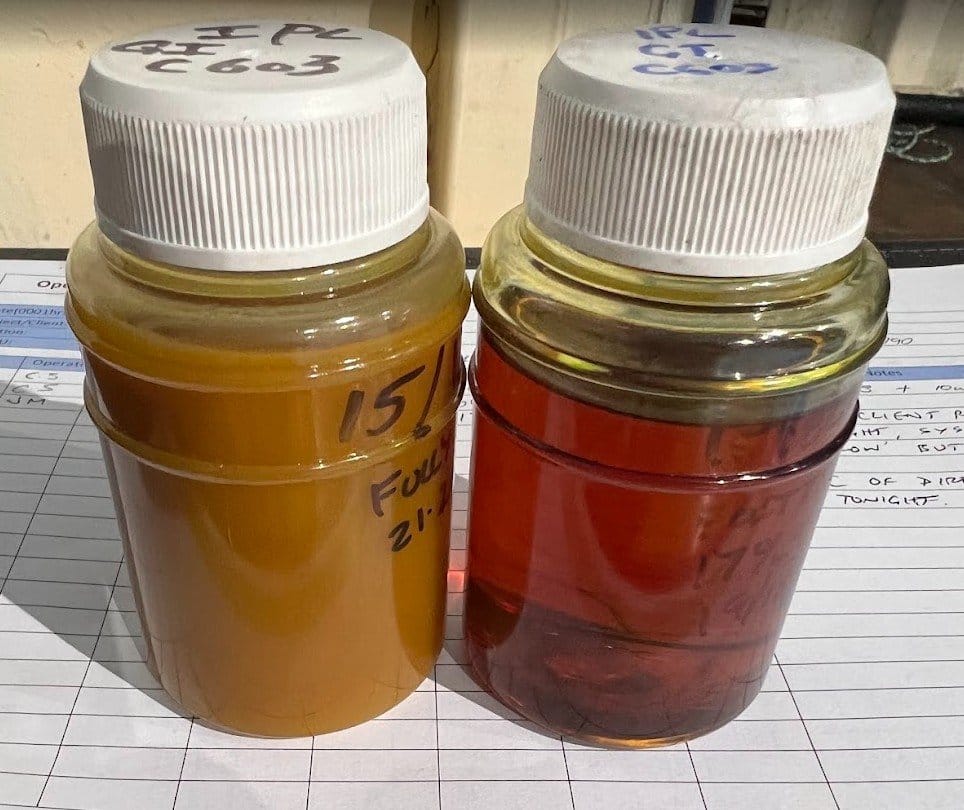
ISO 4406 Particle Count Spike: Causes & Fixes
A higher ISO 4406 particle count is a reason to investigate, not a diagnosis. What Does a Sudden Increase in an ISO 4406 Particle Count Mean? It may…
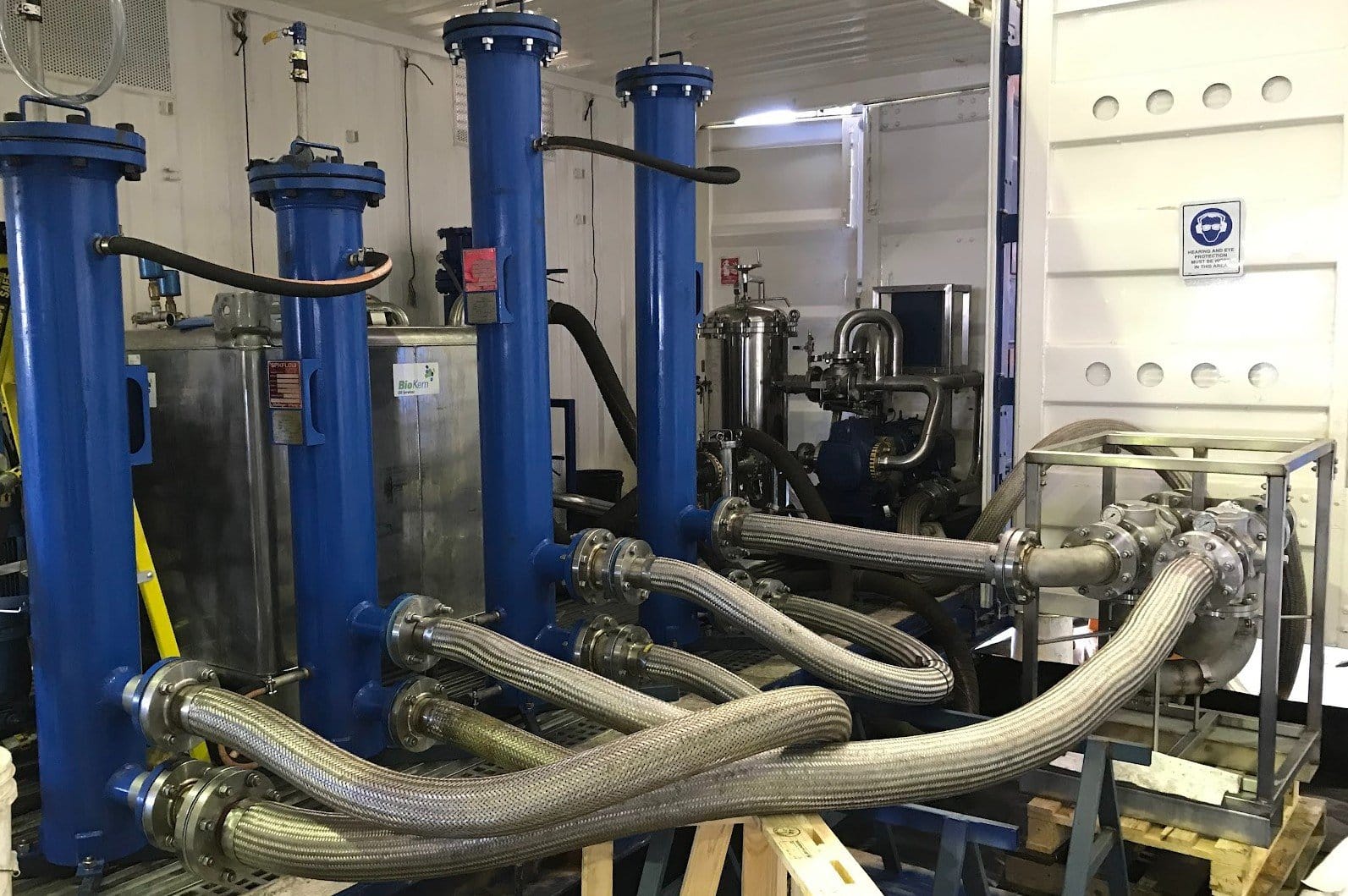
Why Industrial Oil Filters Block Early & Solutions
What if a filter that keeps blocking is pointing to a problem beyond the filter itself? If you’re asking, “Why Does My Oil Filter Keep Blocking…
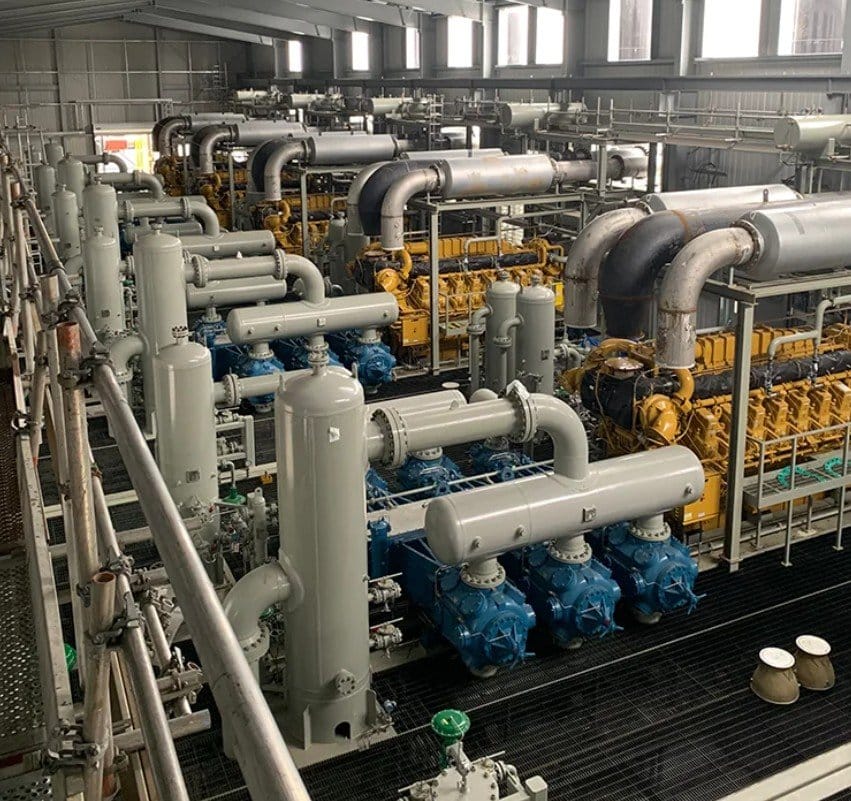
High Particle Counts After Oil Change: Causes & Fixes
A particle spike after an oil change is a clue, not a verdict. If your latest report has you asking, “High Particle Counts After an Oil Change: What…
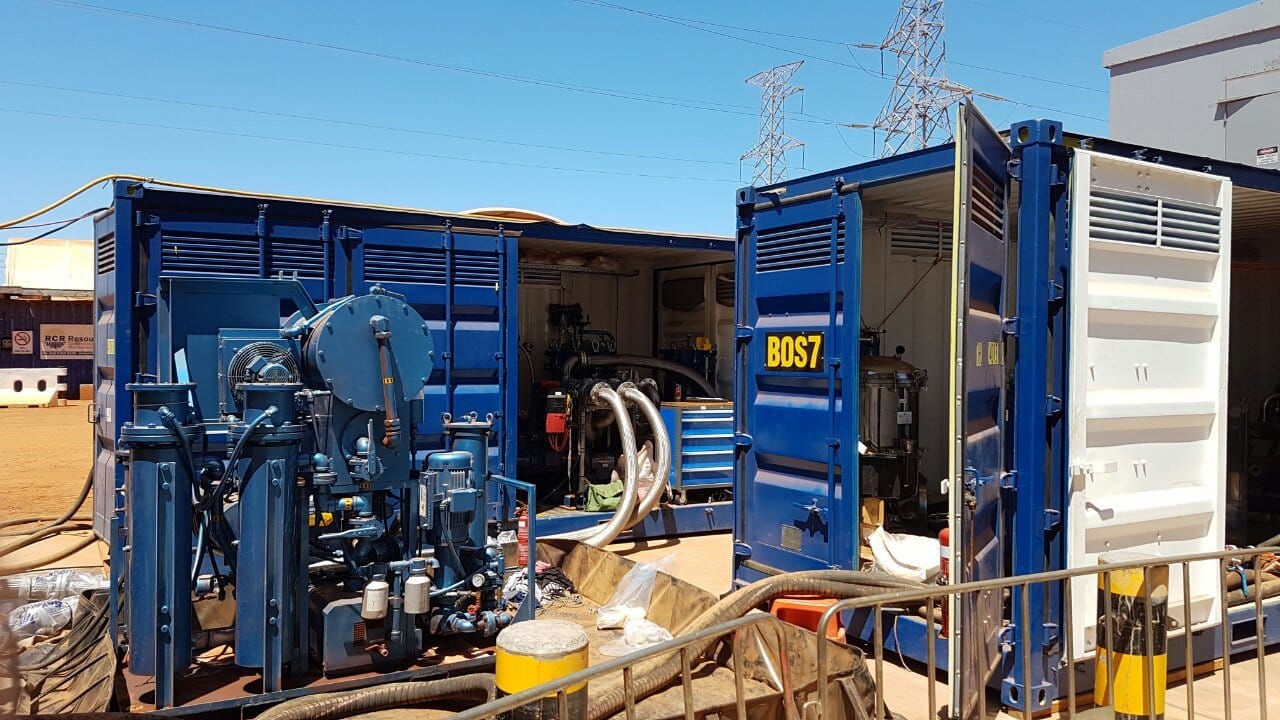
Turbine & Compressor Oil Foaming: Causes & Prevention
Visible foam is a warning sign, not a diagnosis. If you’re asking “Foaming Turbine or Compressor Oil: Causes,” don’t assume an anti-foam additive is…
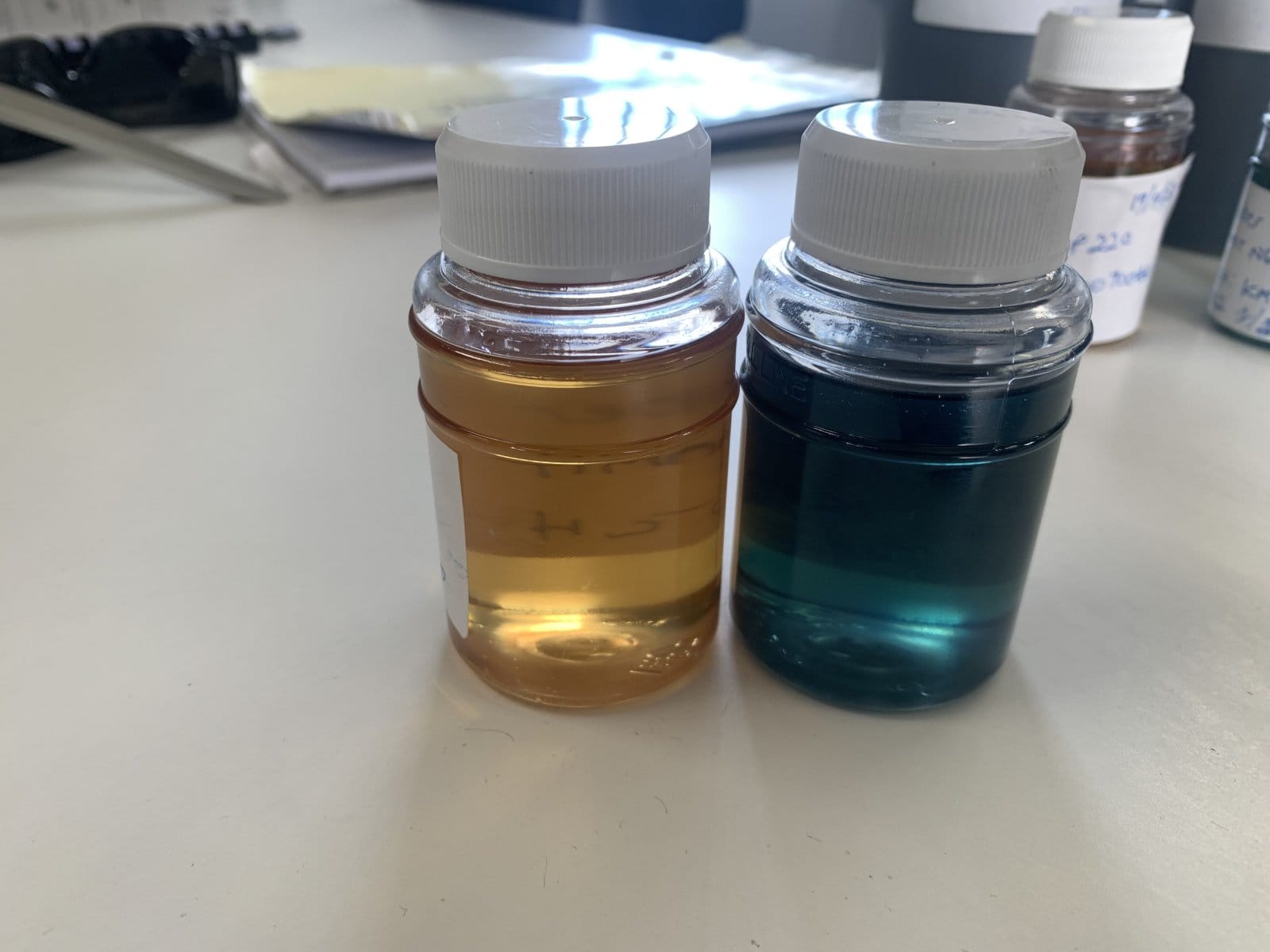
Risks of Low Lube oil Reservoir Rest Time
A larger oil reservoir isn’t always the answer to aeration, overheating or recurring contamination. The underlying issue may be too little effective…
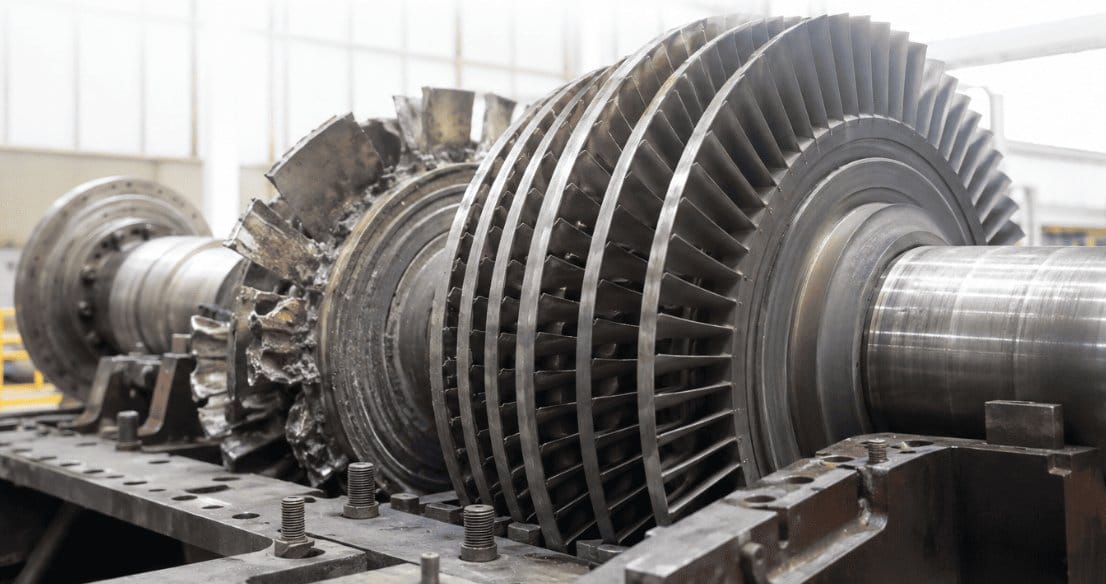
Why Skipping Oil Flushing Before Startup Costs You More
Choosing to bypass a high-velocity hot oil flush during commissioning isn’t a strategic cost-saving measure; it’s an unhedged high-stakes bet against…
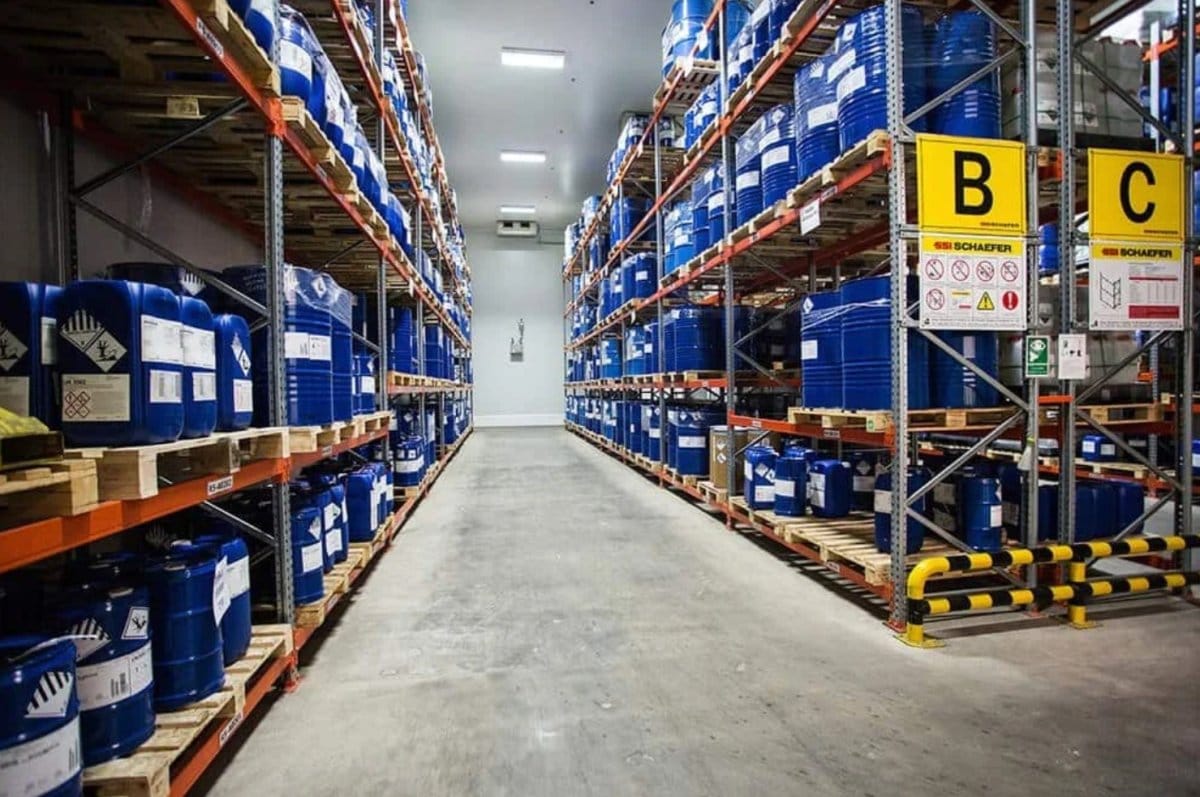
Professional Guide to Correct Oil Drum Storage
Did you know that a single litre of leaked lubricant has the potential to contaminate up to one million litres of water? While many industrial…

Solving Wind Turbine Gearbox Lubrication Issues
Approximately 80% of industrial gearbox failures are the direct result of particle contamination. For Australian wind farm operators, this statistic…
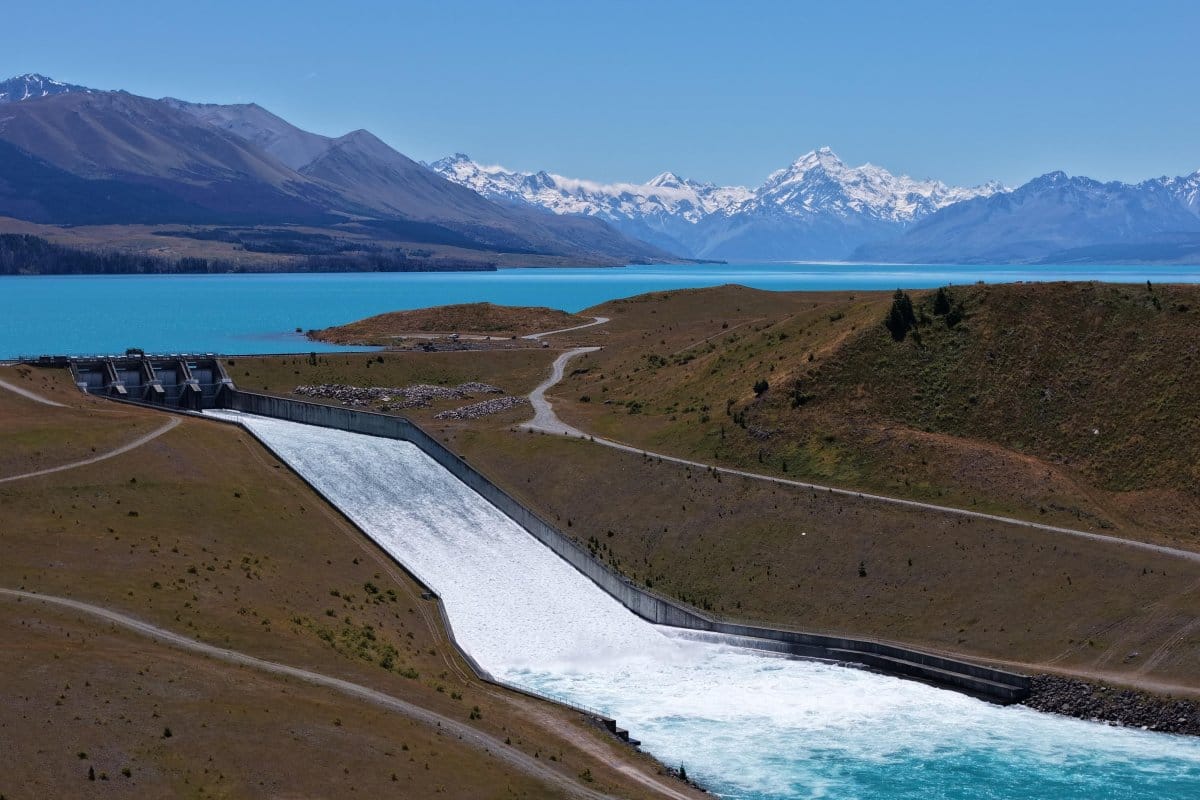
Common Hydro Power Lubrication Problems & Solutions
The most expensive turbine oil on the market cannot save a hydroelectric asset from the systemic reality of the “Contamination Trifecta.” Many…
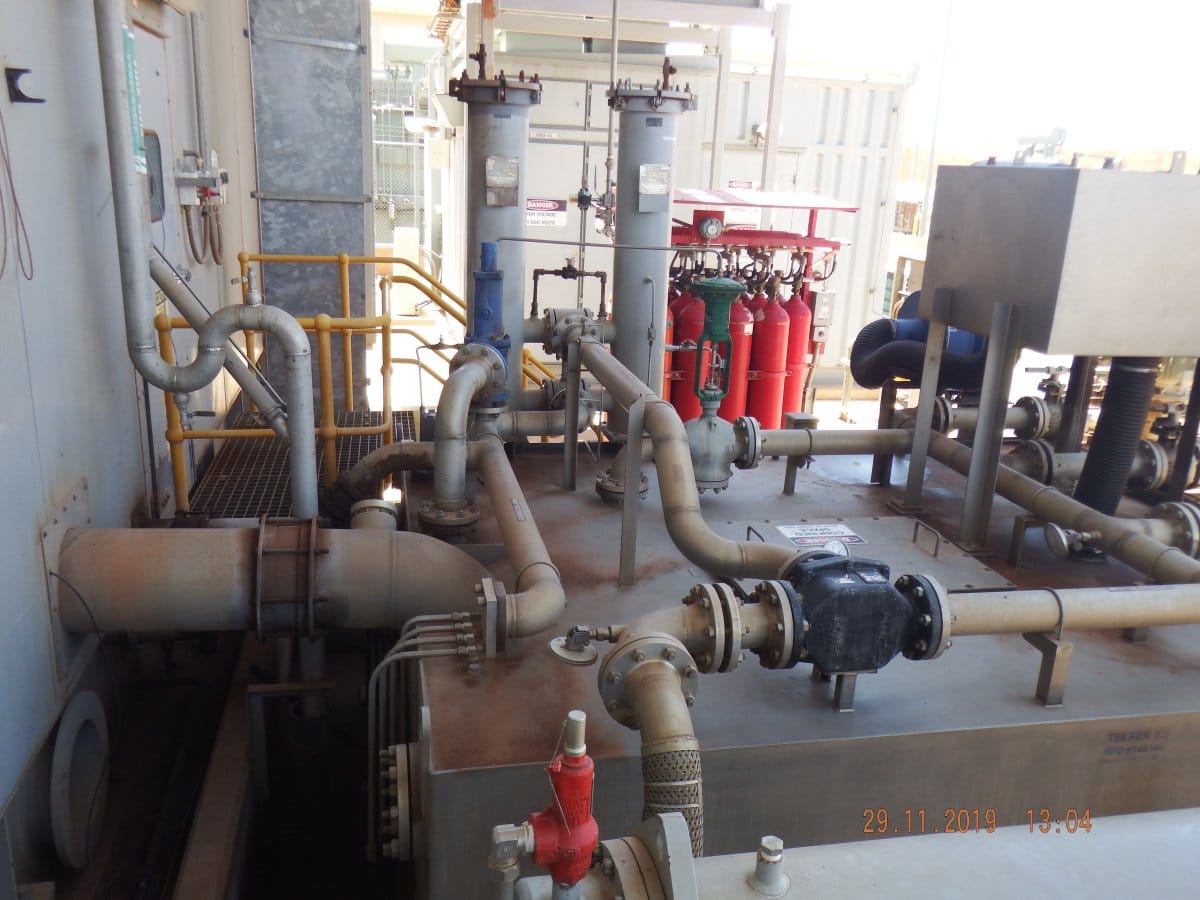
Hydraulic Oil Tank Cleaning Procedure: The Industrial Guide to Asset Integrity (2026)
Approximately 80% of industrial hydraulic system failures stem directly from particle contamination, yet many operators overlook the reservoir as the…

Cloudy Hydraulic Fluid Causes: Identifying and Resolving Oil Contamination
Did you know that 80% of all hydraulic system failures result directly from fluid contamination? When you pull a sample and see a milky, opaque…
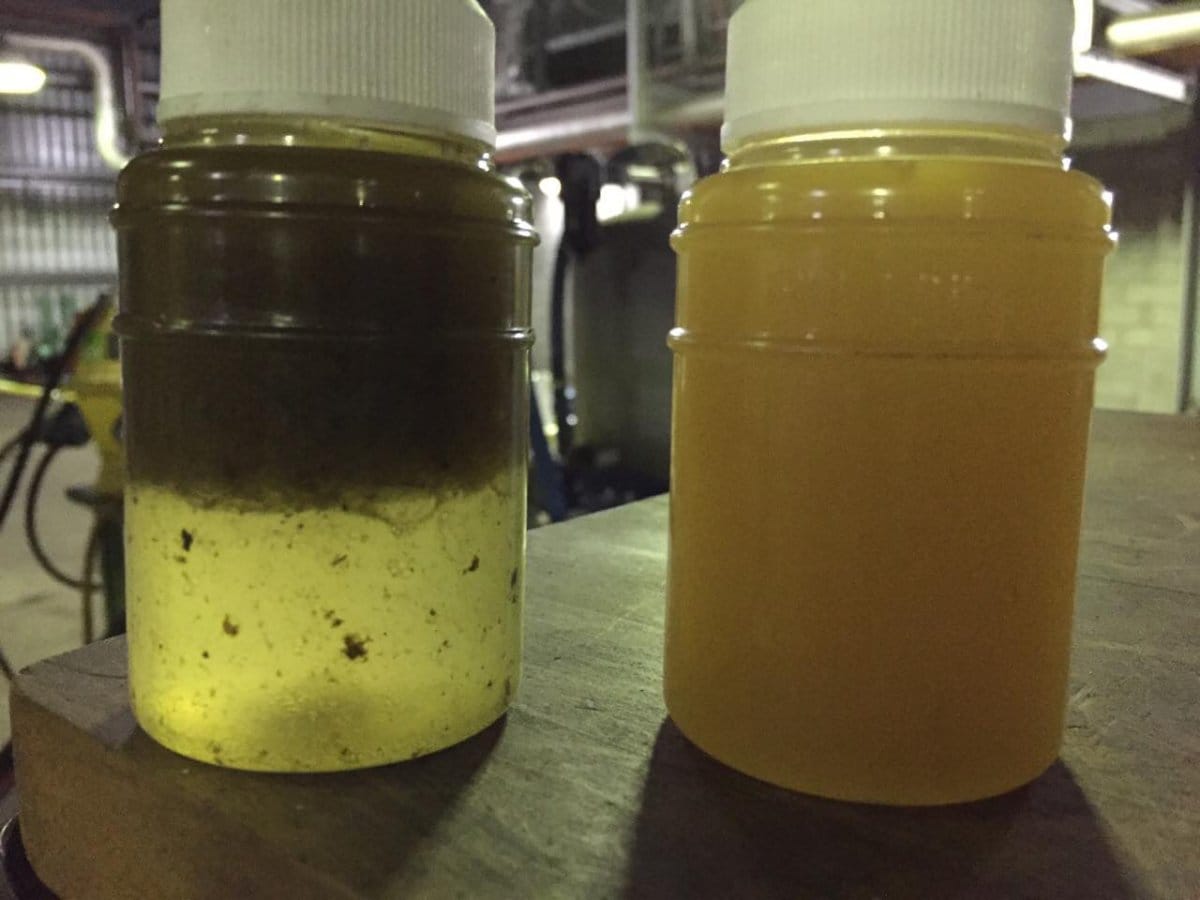
How Organic Growth Affects Industrial Lube Oil
What if the persistent sludge in your hydraulic reservoir isn’t just particulate matter, but a living organism consuming your assets from the inside…
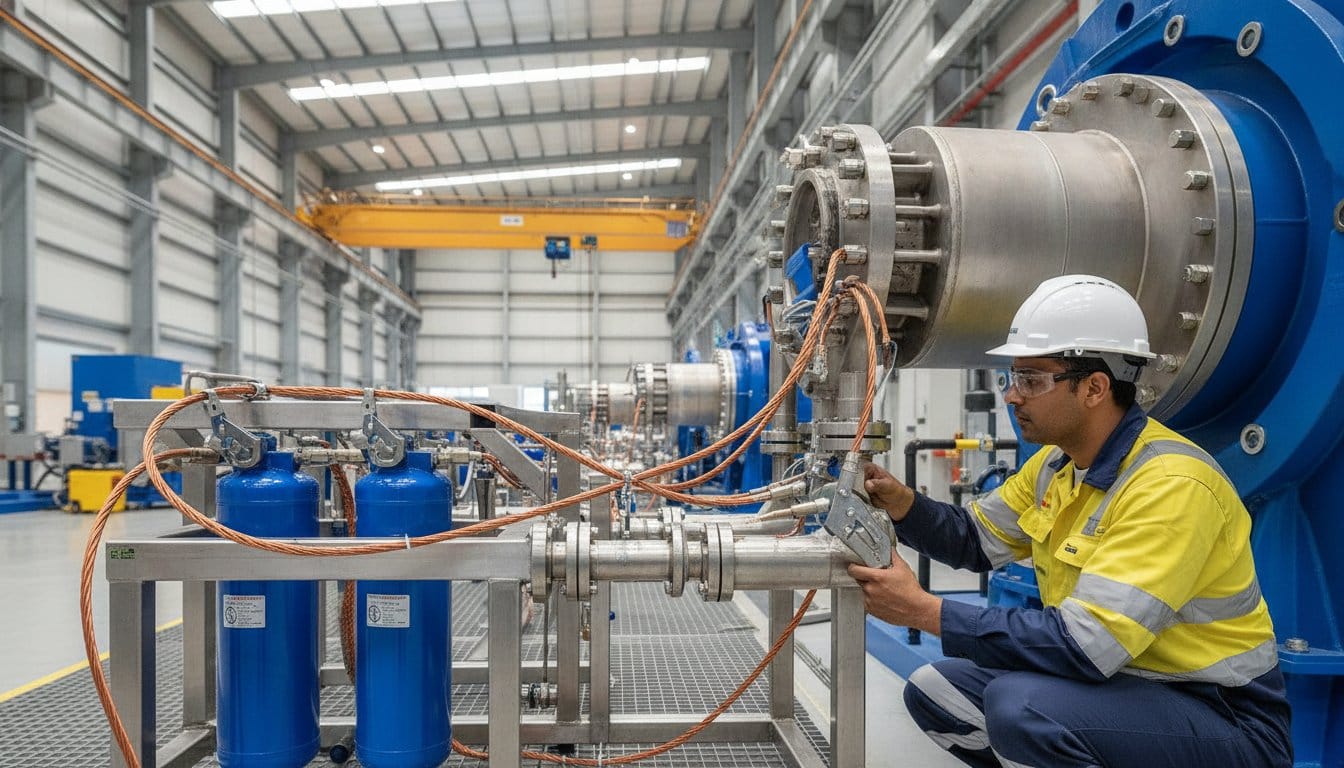
Equipotential Bonding for Lube Oil System Flushing
You might think a high-velocity flush is simply about removing debris, but without the right safeguards, the very process meant to protect your…
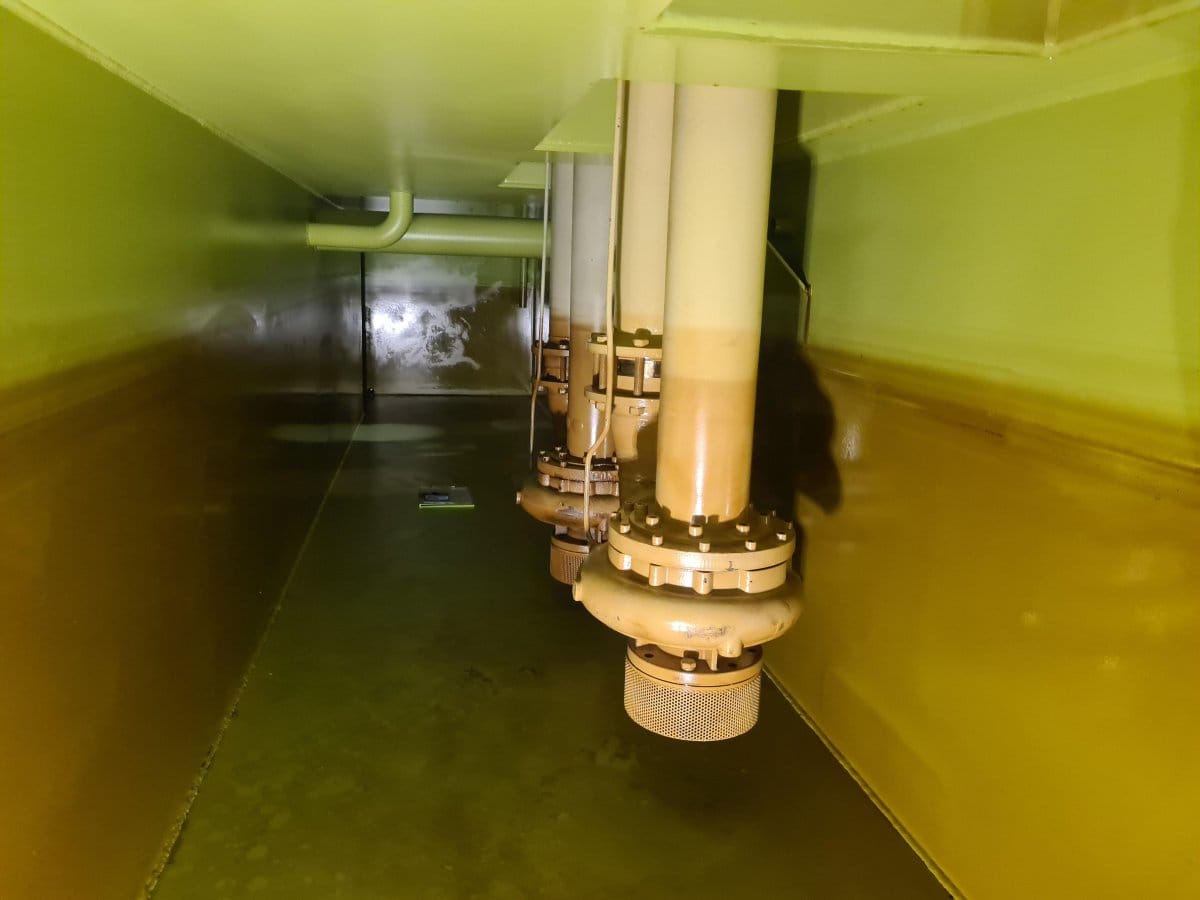
Protect Your Systems: Maintaining Painted Industrial Tanks
The internal surfaces of your industrial reservoirs are more than just static boundaries; they are active components of your fluid system. When these…
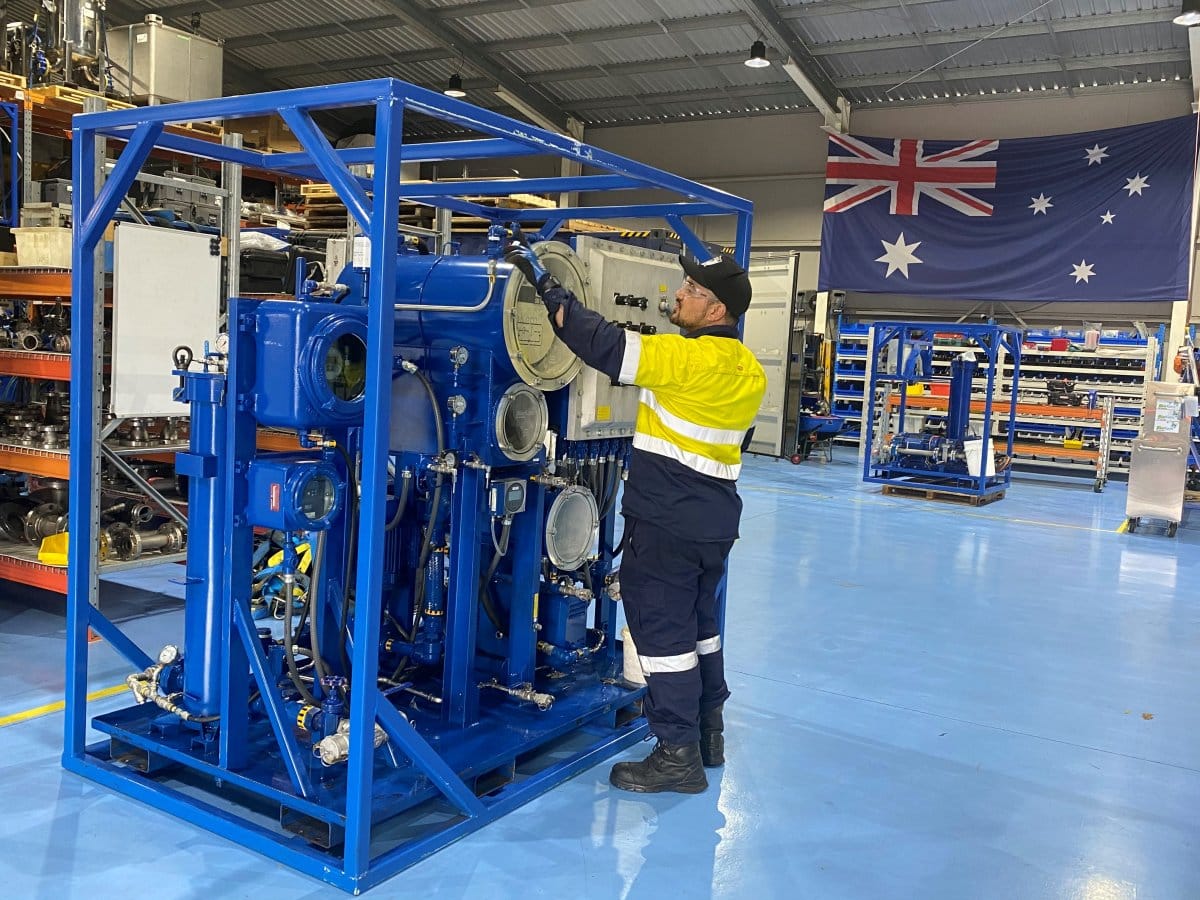
Industrial Oil Purification Machine Hire: The Strategic Guide for Asset Reliability
According to research from Noria Corporation, 80% of all lubrication-related machinery failures are the direct result of oil contamination. For…

The Critical Effects of Oil Contamination on Equipment
Up to 80% of hydraulic system failures are the direct result of particle contamination. It’s a sobering statistic for any operator facing the high…
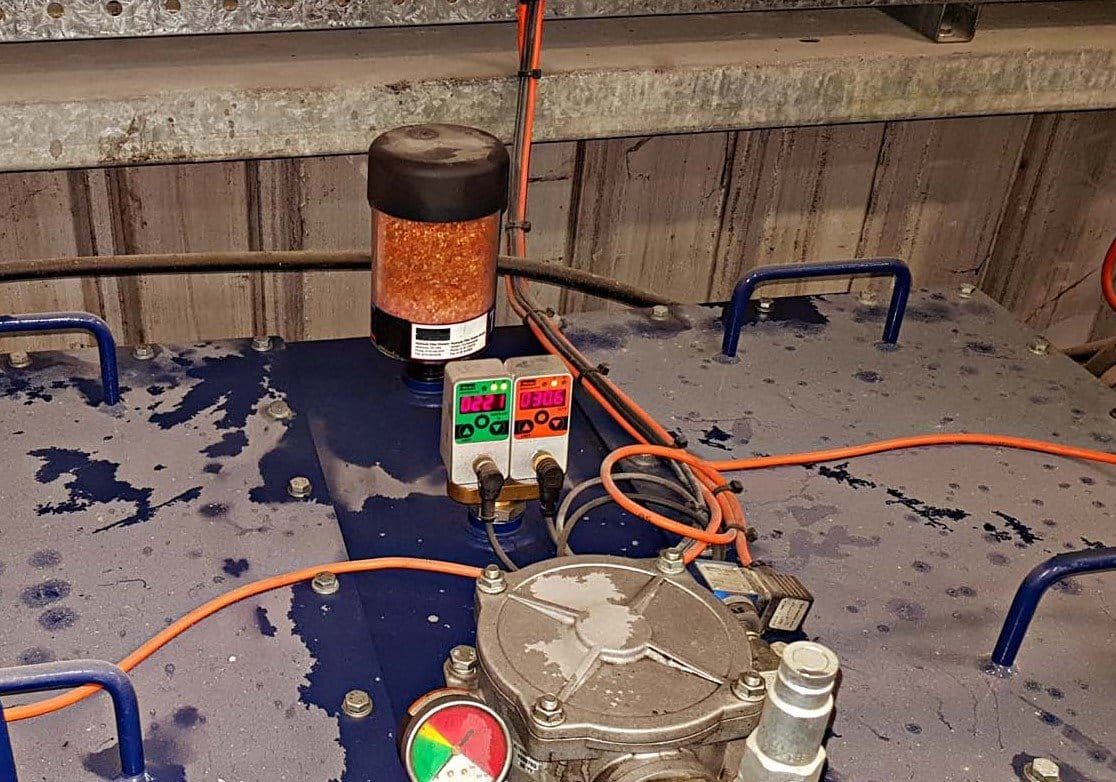
Boost Oil Life: Installing & Maintaining System Breathers
Could a single component upgrade save your facility $260,000 in a single hour? This figure represents the average cost of industrial downtime, often…

Why New Oil is Not Always Clean Oil: The Industrial Guide to Lubricant Reception
Approximately 80% of hydraulic system failures in heavy industry are the direct result of particle contamination, often introduced before the…