


Up to 82% of industrial equipment wear is the direct result of particle contamination within the lubricant. It’s a staggering statistic that proves…
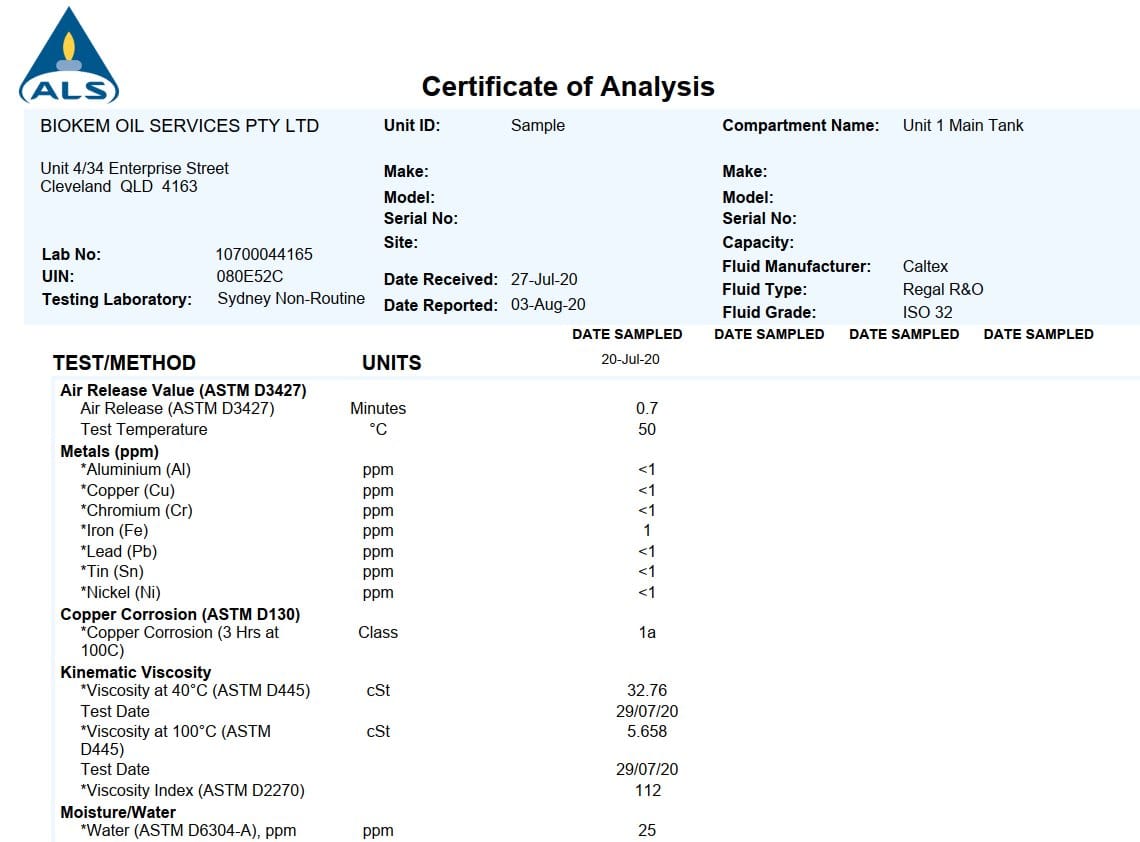
10 Key Insights Hidden in Your Oil Analysis Reports
What if the "Normal" status on your latest laboratory report is actually masking a catastrophic failure in progress? Many reliability…
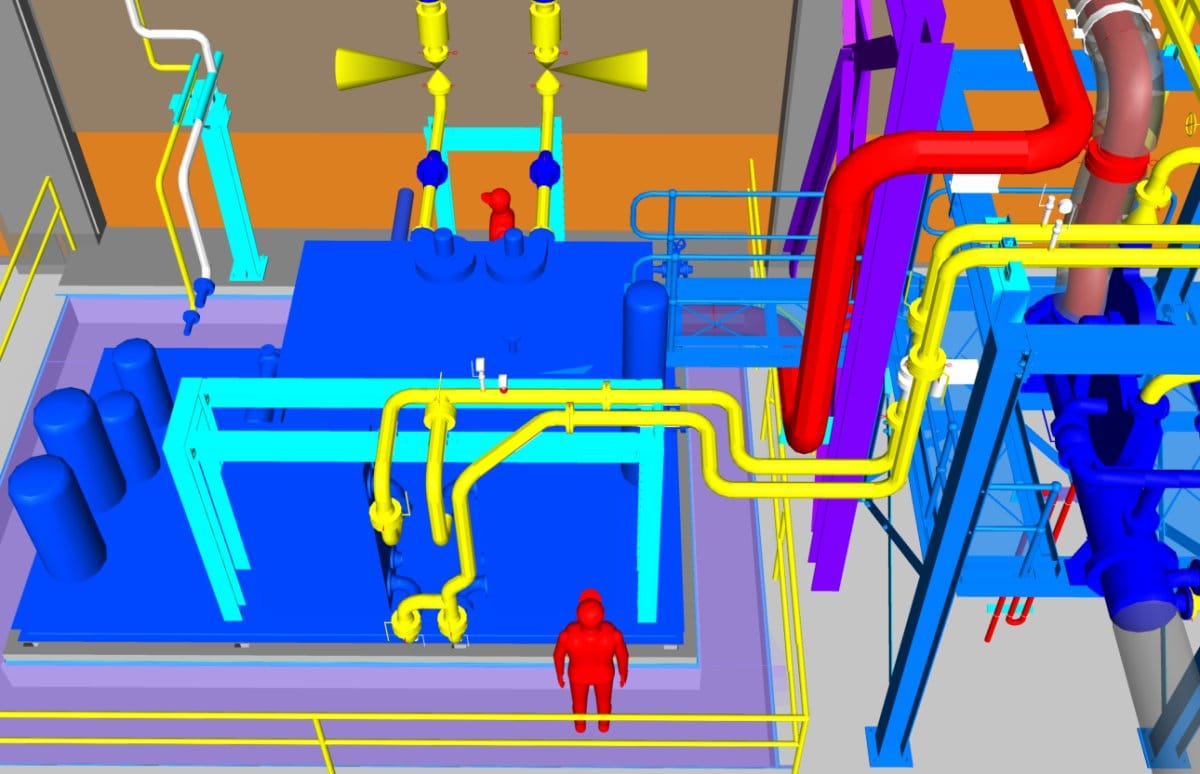
Commissioning Lubrication Systems: A Practical Checklist
Did you know that properly implemented lubrication protocols can reduce bearing failures by up to 80%, yet many systems are sabotaged by built-in…
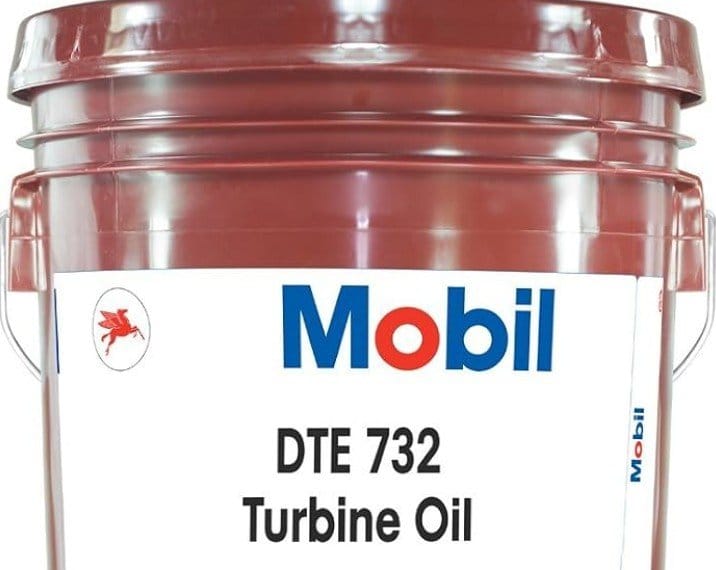
How to Select the Correct Machine Lubricant for Efficiency
Dispersants are projected to command 34.0% of the global lubricant additives market by 2026, yet even the most advanced chemical packages fail when…
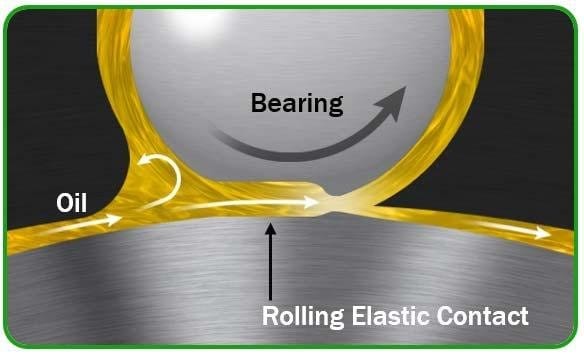
Guide to Hydrodynamic Bearings and Lubricant Wedges
Did you know that 80% of industrial machinery failures stem directly from particle contamination? In high-speed turbines and compressors, this…
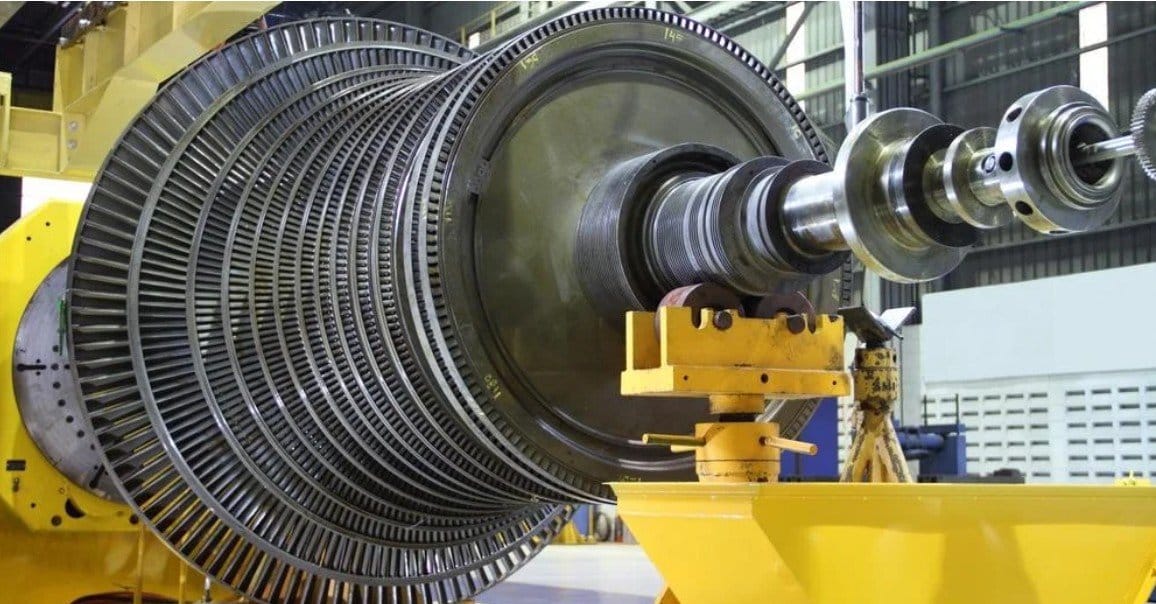
Tribology for Beginners: Basics of Friction & Lubrication
The most expensive component in your facility isn’t the turbine itself, but the friction currently destroying it from the inside out. It’s exhausting…
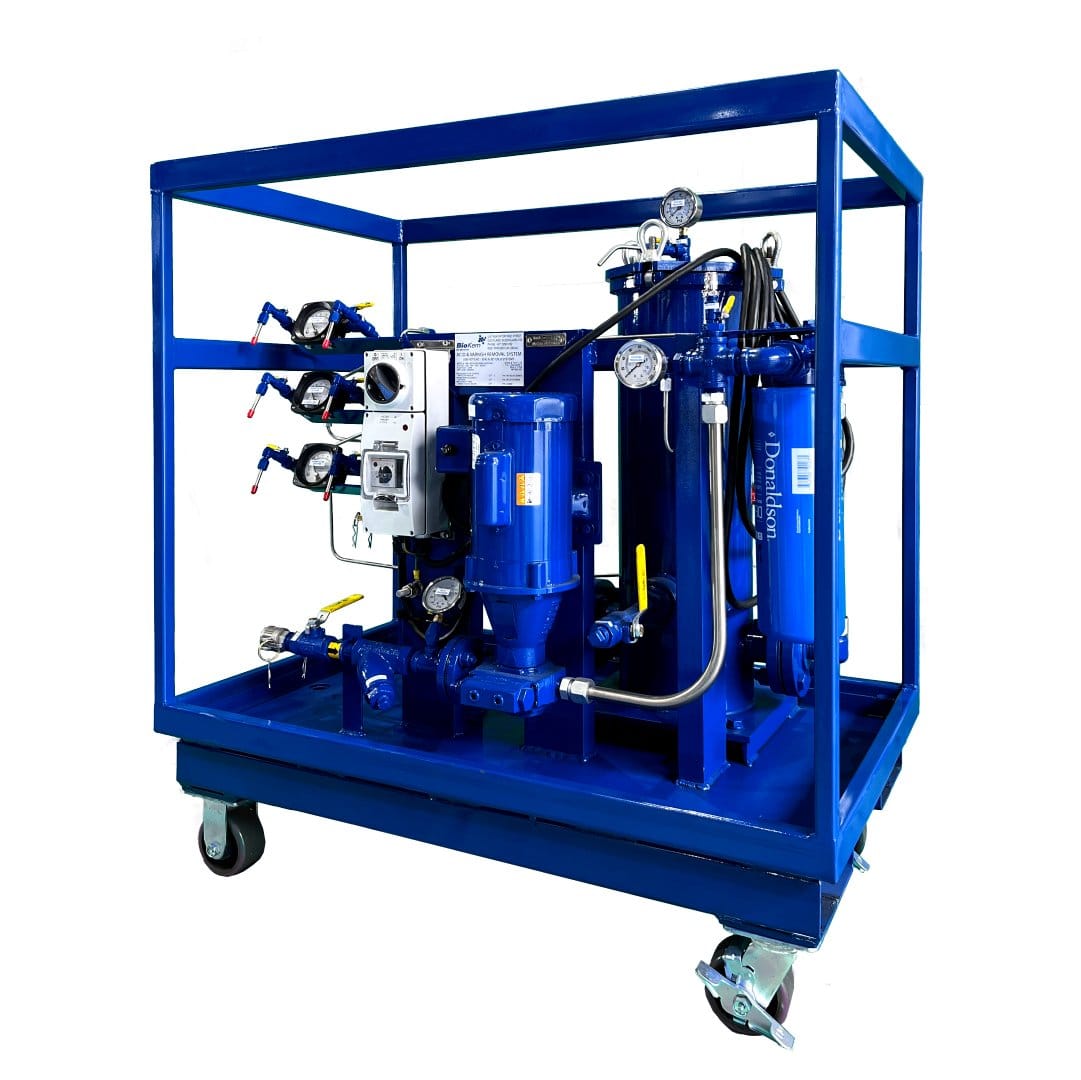
Why Clean Oil Matters for High-Speed Rotational Assets
If you could see the sub-micron contaminants circulating through your turbine bearings at 10,000 RPM, would you still trust a standard filter to…
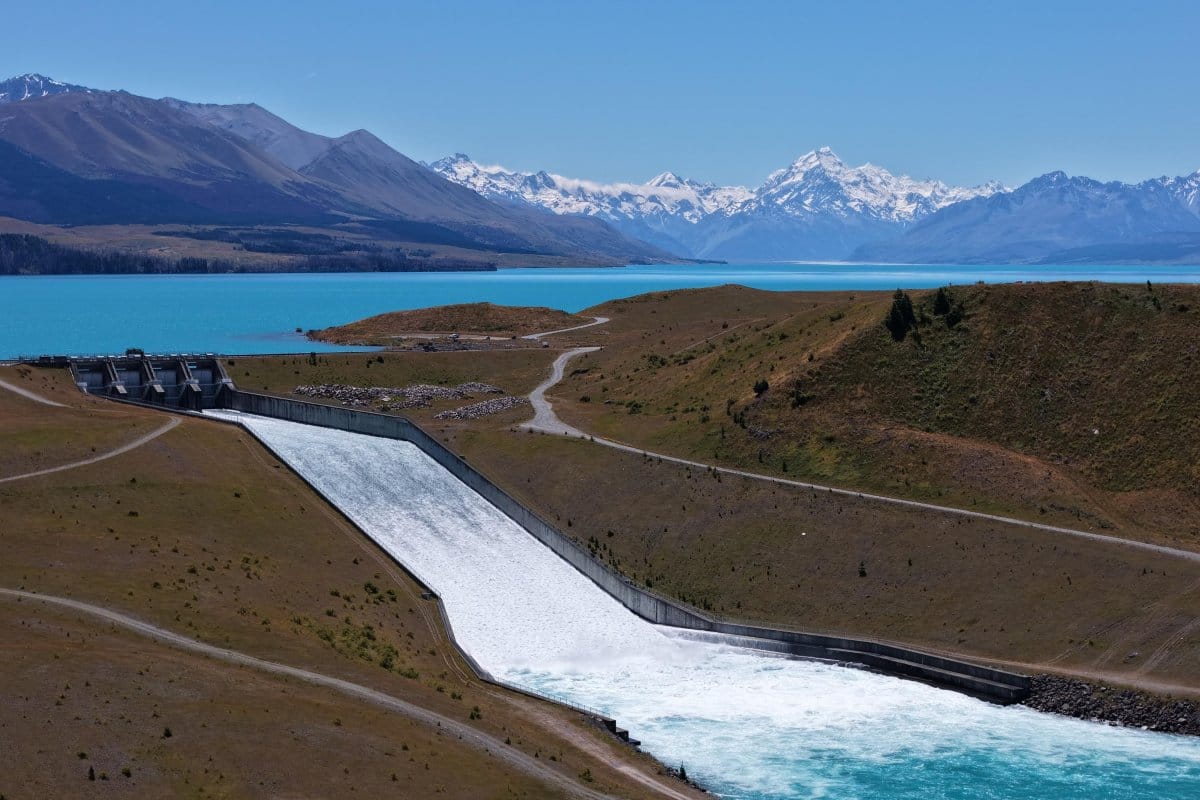
Common Hydro Power Lubrication Problems & Solutions
The most expensive turbine oil on the market cannot save a hydroelectric asset from the systemic reality of the “Contamination Trifecta.” Many…

How to Read Oil Analysis Reports: Maintenance Guide
Did you know that a single code increase in your ISO 4406 rating represents a 100% increase in the concentration of solid particles within your…

Lube Oil Filtration System: The Complete Industrial Guide for 2026
Did you know that approximately 80% of hydraulic system failures in Australian heavy industry are a direct result of particle contamination? It’s a…

Quick Site Lubrication System Inspection Checklist
The most dangerous threats to your machinery are often the ones your laboratory reports won’t catch until it’s too late. You likely recognize the…
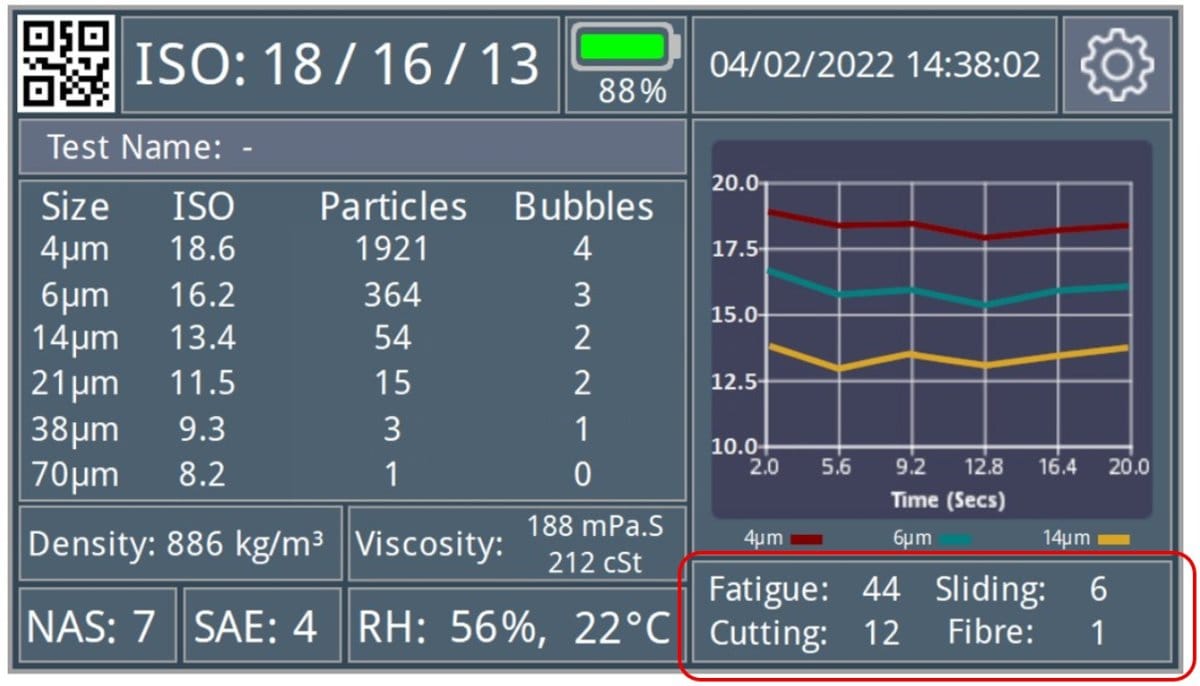
Deciphering Visual Features of Wear Particles
A standard particle count is essentially a headcount of the enemy, but it tells you nothing about their intent or origin. While tracking ISO…

Turbine Lube Oil Tank Cleaning: The Comprehensive Guide to Reservoir Decontamination
Water in lube oil can accelerate oil oxidation by a factor of ten, yet the most dangerous contaminants often aren’t floating in the fluid; they’re…
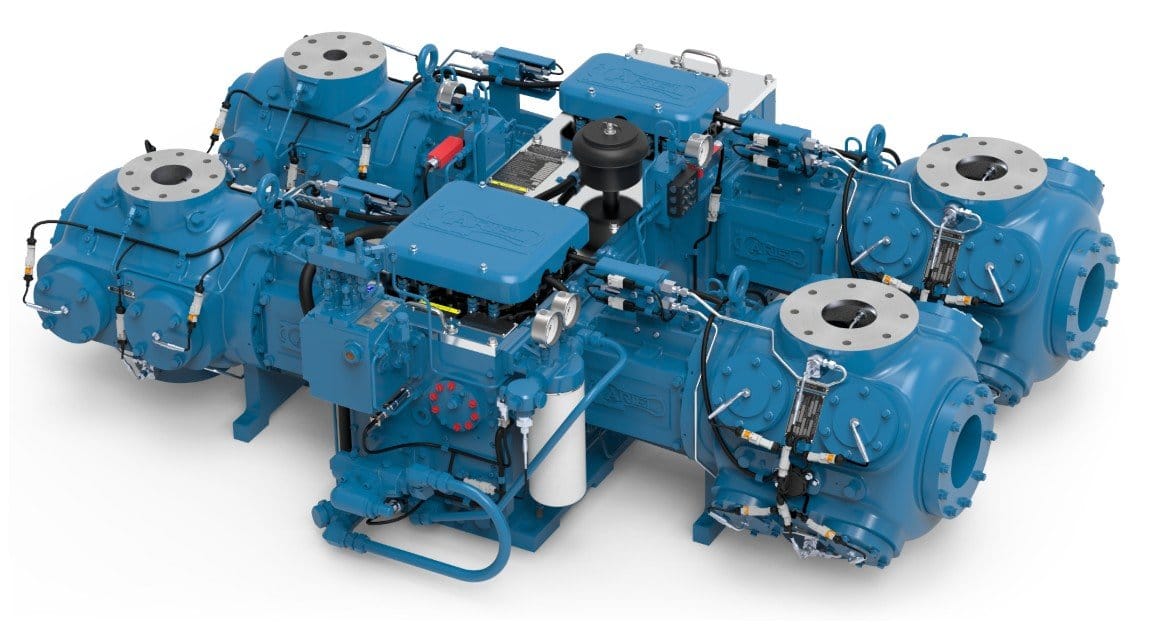
Remove Entrained Gas from Sour Oil: Expert Solutions
With over 65% of industrial equipment failures linked to improper lubrication, the presence of air and hydrogen sulfide isn’t just a minor nuisance….
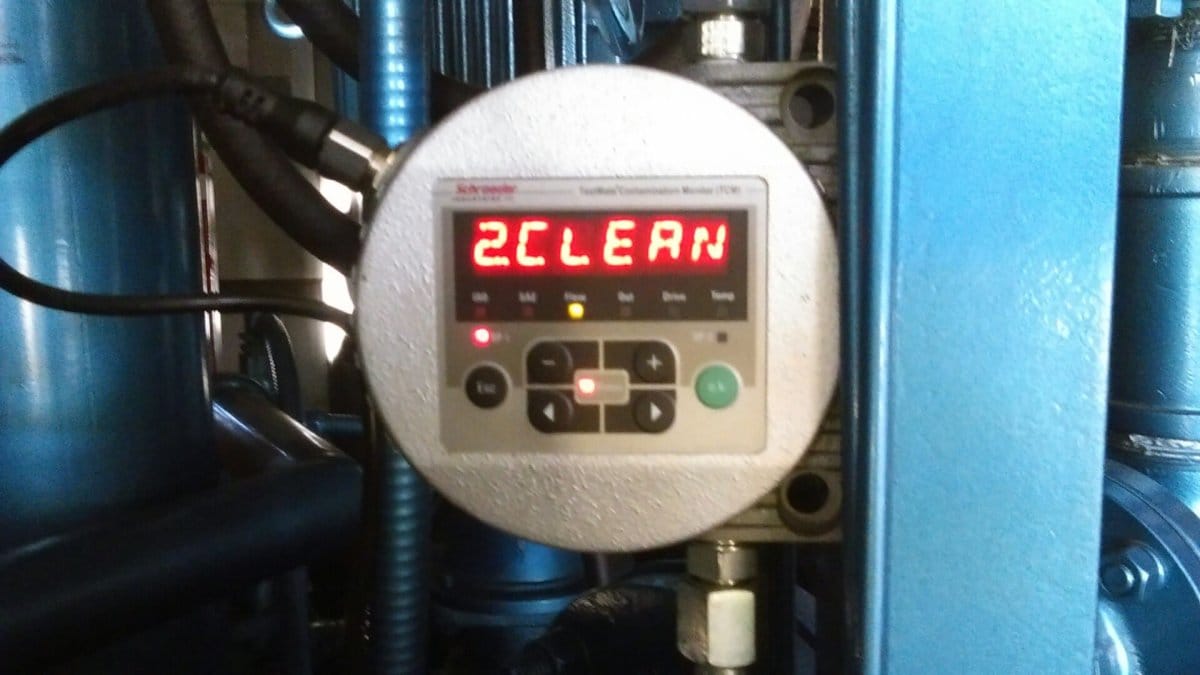
How to Extend Lube Oil Life: Expert Maintenance Tips
What if the lubricant currently circulating through your machinery isn’t a consumable expense but a permanent asset? Many operators assume that oil…
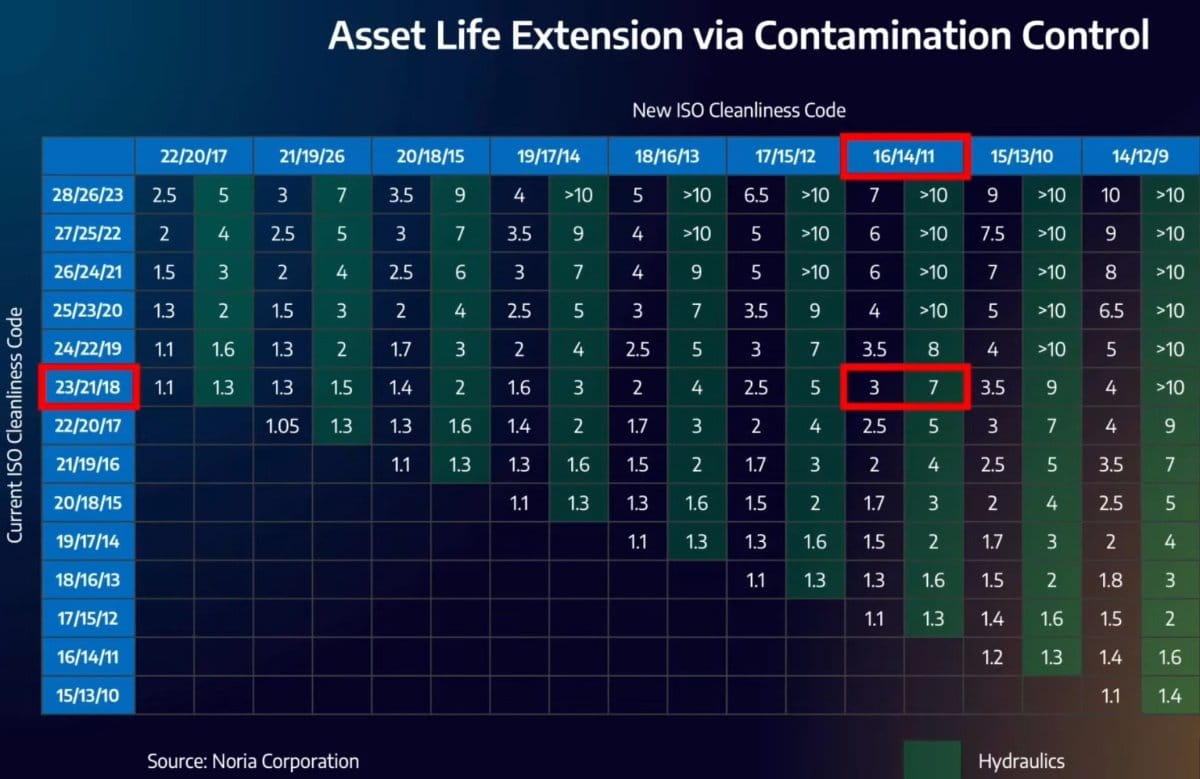
Can Clean Lube Oil Make Equipment Last Indefinitely?
What if the traditional lifecycle of industrial machinery isn’t a fixed countdown, but a variable you can control? Most maintenance managers accept…
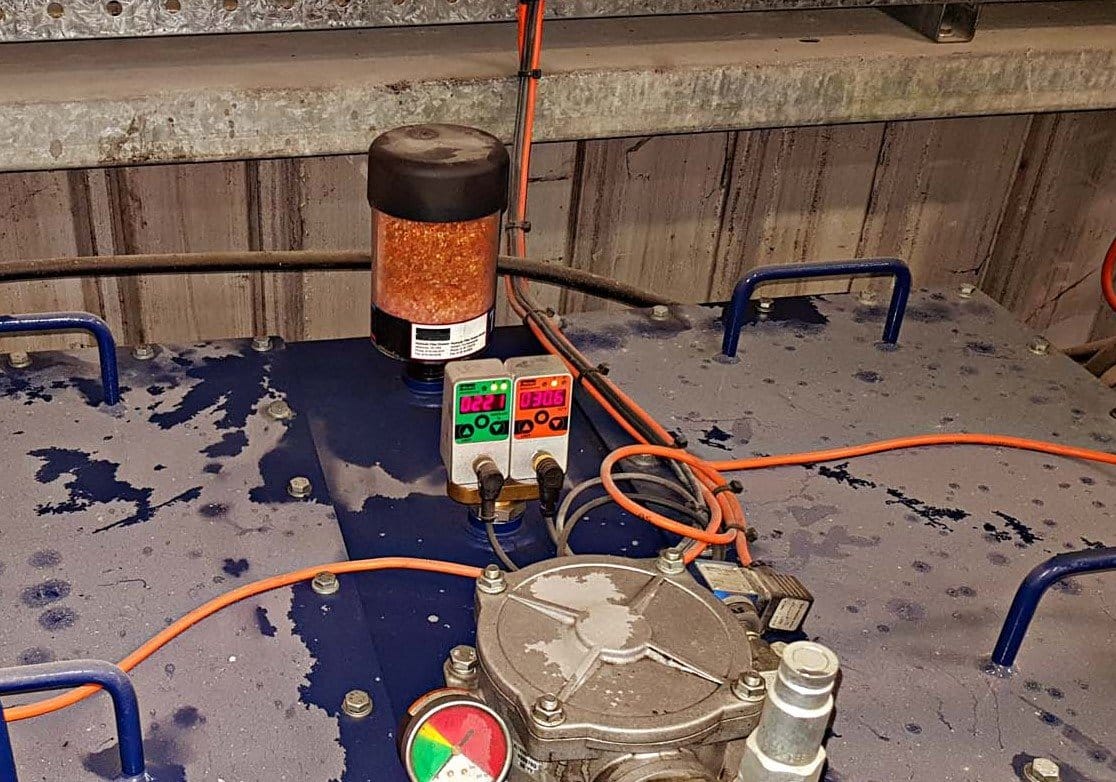
Boost Oil Life: Installing & Maintaining System Breathers
Could a single component upgrade save your facility $260,000 in a single hour? This figure represents the average cost of industrial downtime, often…
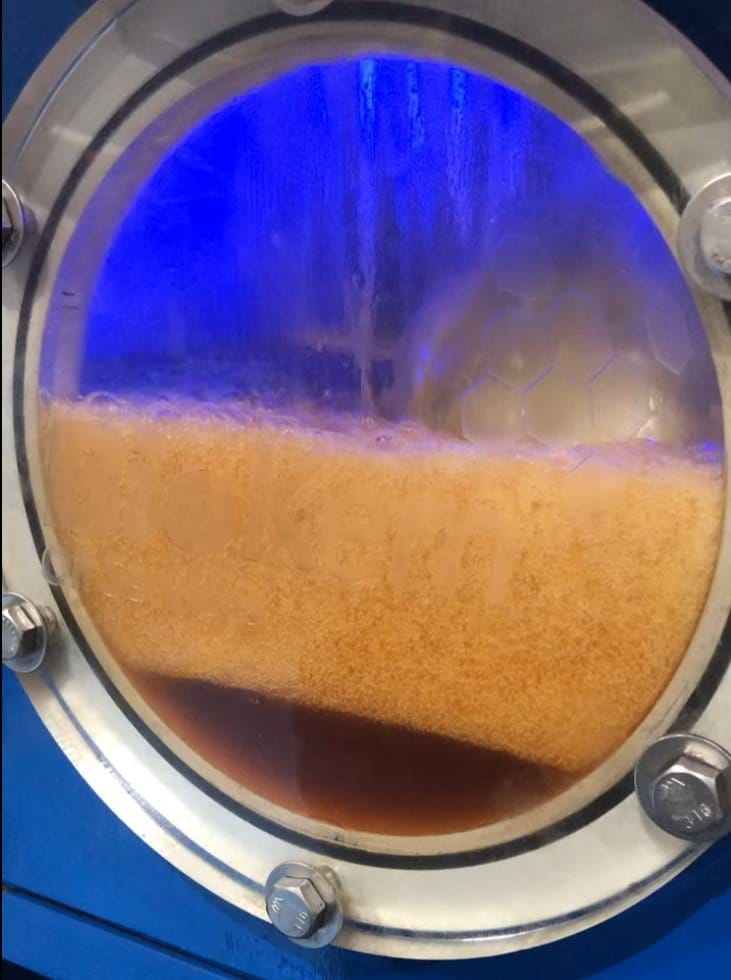
What Causes Foaming in Lube Oil? Key Causes and Solutions
Foaming is not merely a surface-level nuisance; it is a critical system health indicator signaling that your mechanical integrity or chemical balance…

Is Moisture in Your Compressor Lube Oil Causing Hydrogen Embrittlement?
The presence of just 1,000 parts per million of water in your lubricant can slash the life of a bearing by as much as 75%. While many operators wait…

Why New Oil is Not Always Clean Oil: The Industrial Guide to Lubricant Reception
Approximately 80% of hydraulic system failures in heavy industry are the direct result of particle contamination, often introduced before the…