

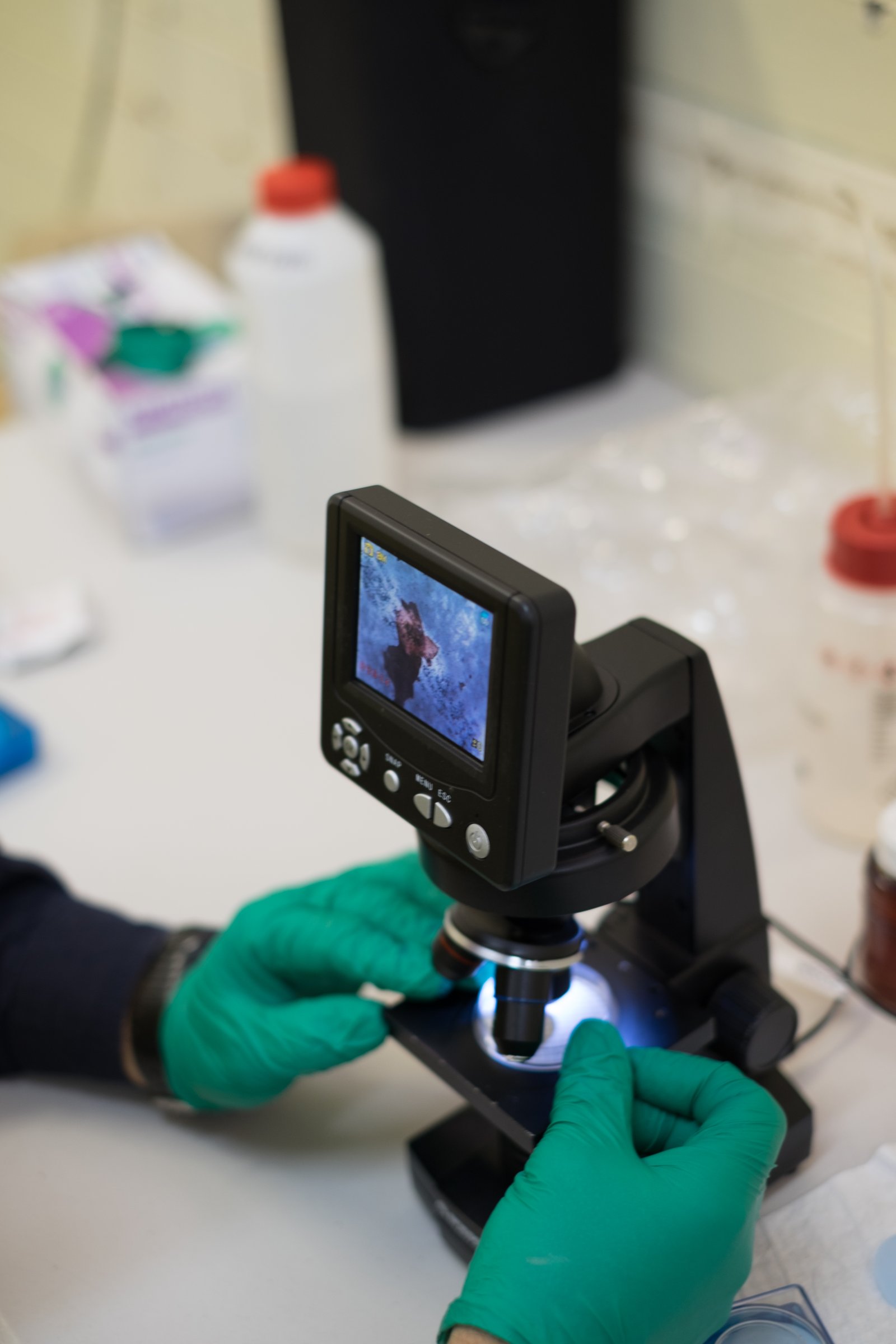
A clean bottle can’t rescue a sample taken from the wrong place. The best oil sampling techniques use the same active sampling point each time,…
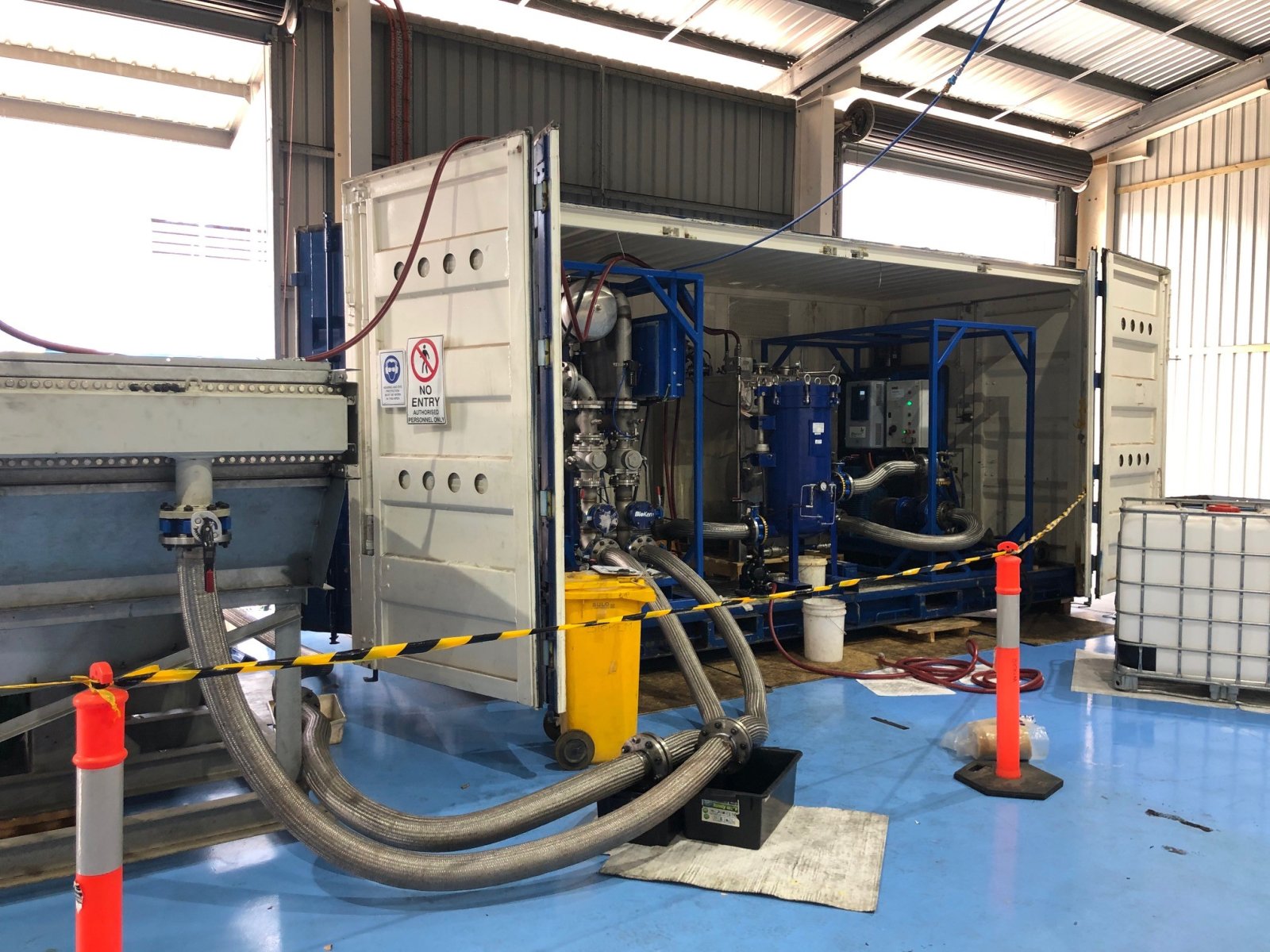
How to Master how to set up a lubrication program for Better Results
Cleanliness is a core control for equipment reliability, not a finishing step. There is no universal setup timeline: the work depends on the assets,…
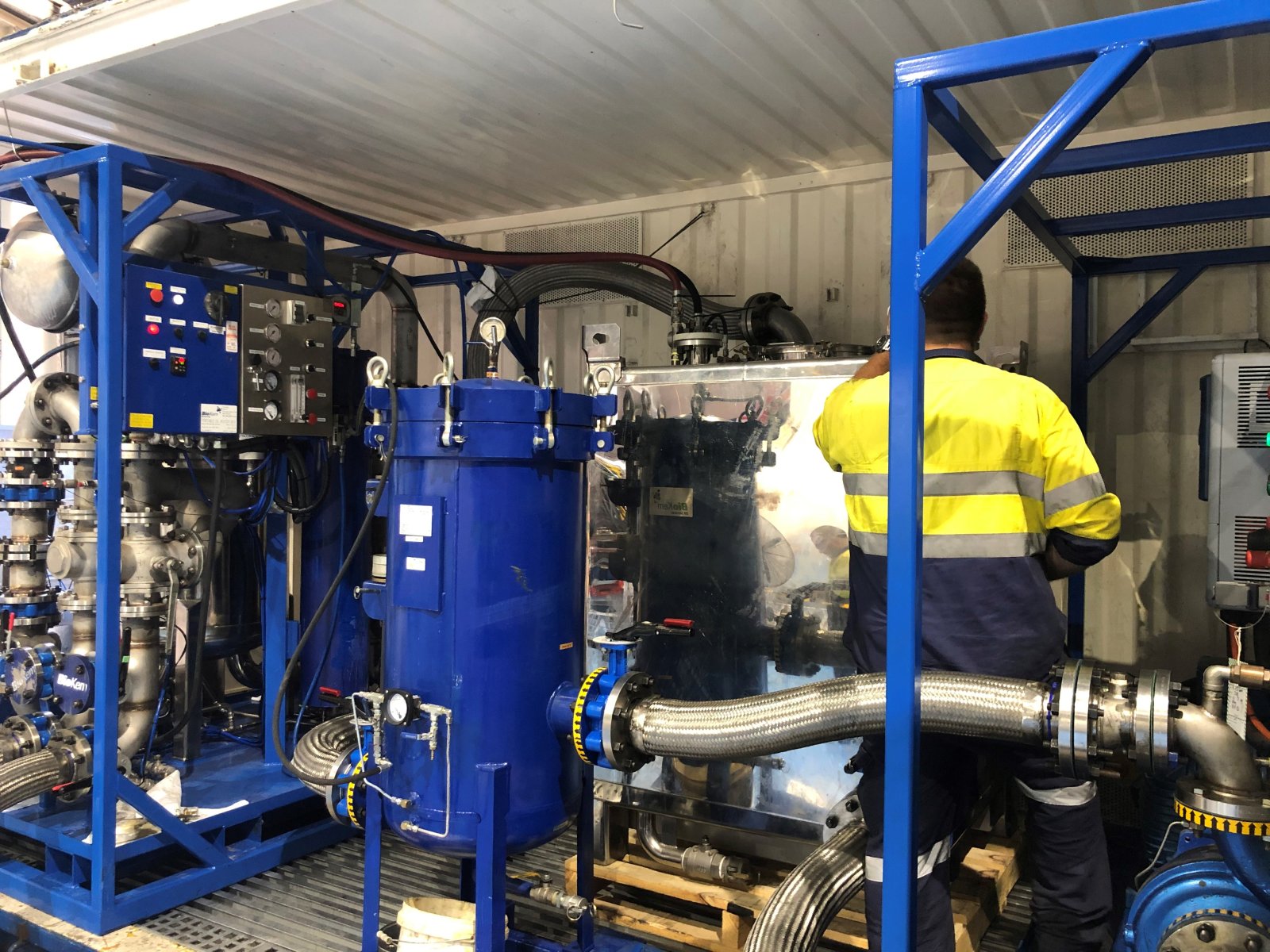
Complete common lubrication mistakes to avoid Guide for Success
Most lubrication failures stem from preventable process errors, not a lack of lubricant. Common lubrication mistakes to avoid include using oil or…
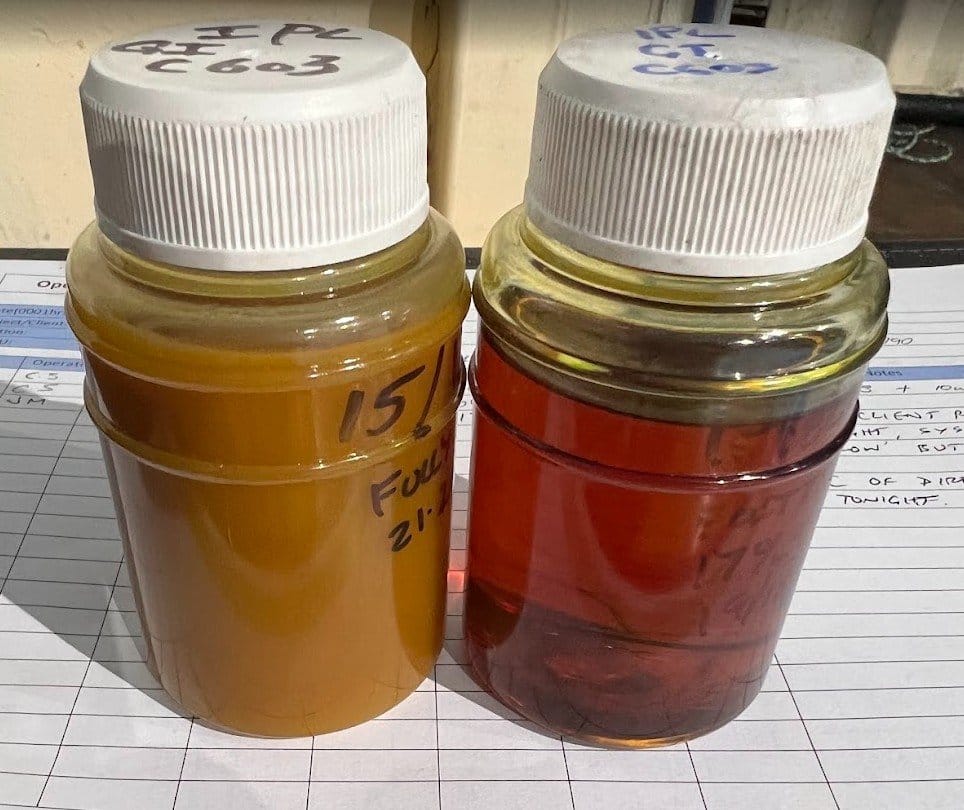
ISO 4406 Particle Count Spike: Causes & Fixes
A higher ISO 4406 particle count is a reason to investigate, not a diagnosis. What Does a Sudden Increase in an ISO 4406 Particle Count Mean? It may…
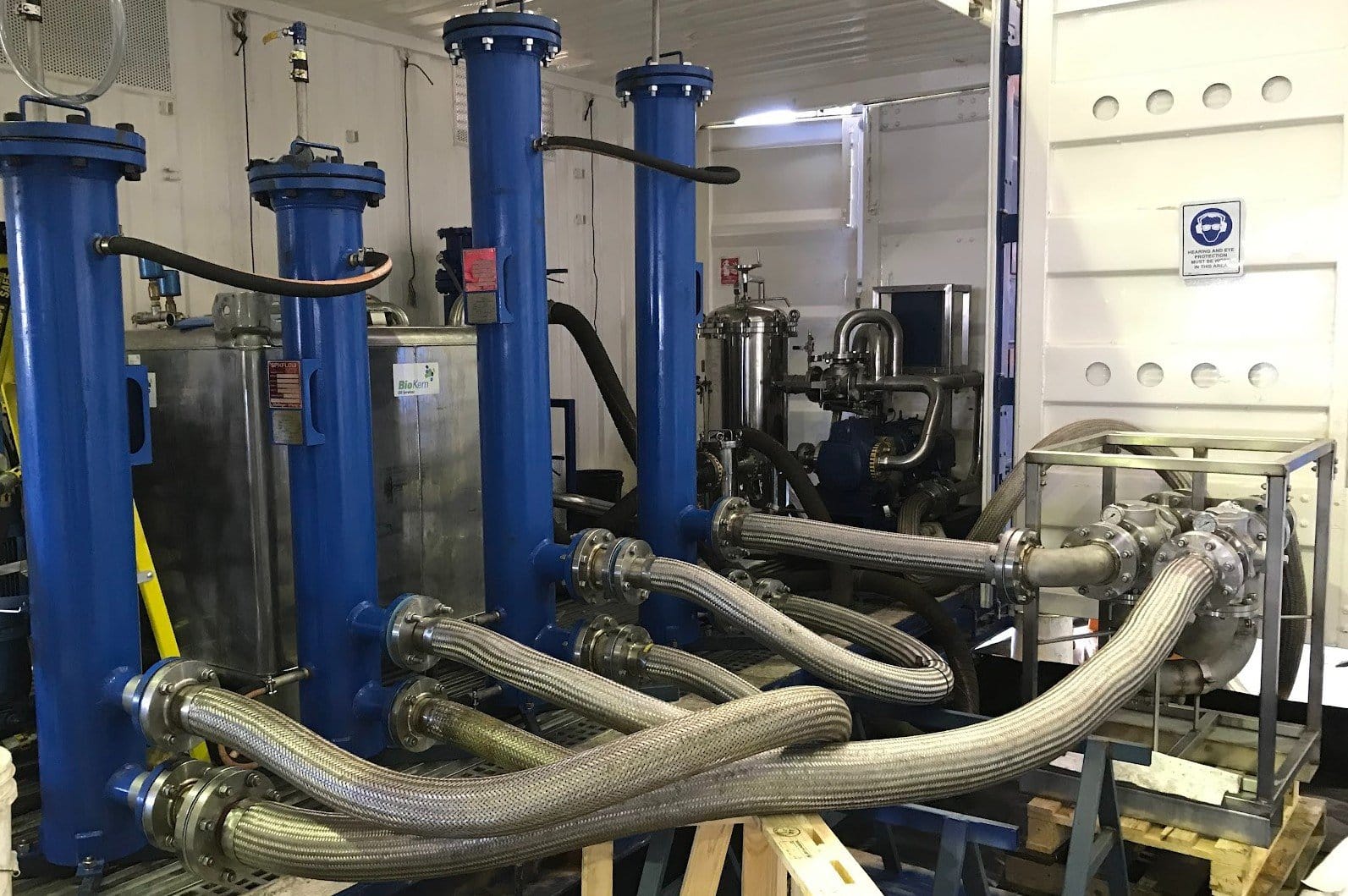
Why Industrial Oil Filters Block Early & Solutions
What if a filter that keeps blocking is pointing to a problem beyond the filter itself? If you’re asking, “Why Does My Oil Filter Keep Blocking…
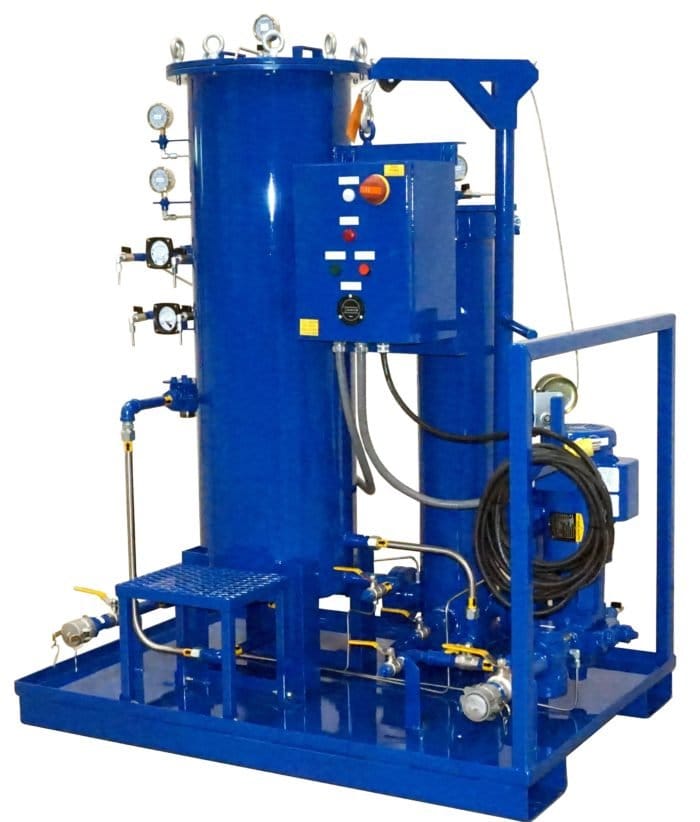
Turbine Oil Failing ISO Targets? Causes & Fixes
What if each treatment removes particles, but the system keeps putting them back? Repeated cleanliness failures can make it hard to tell whether…
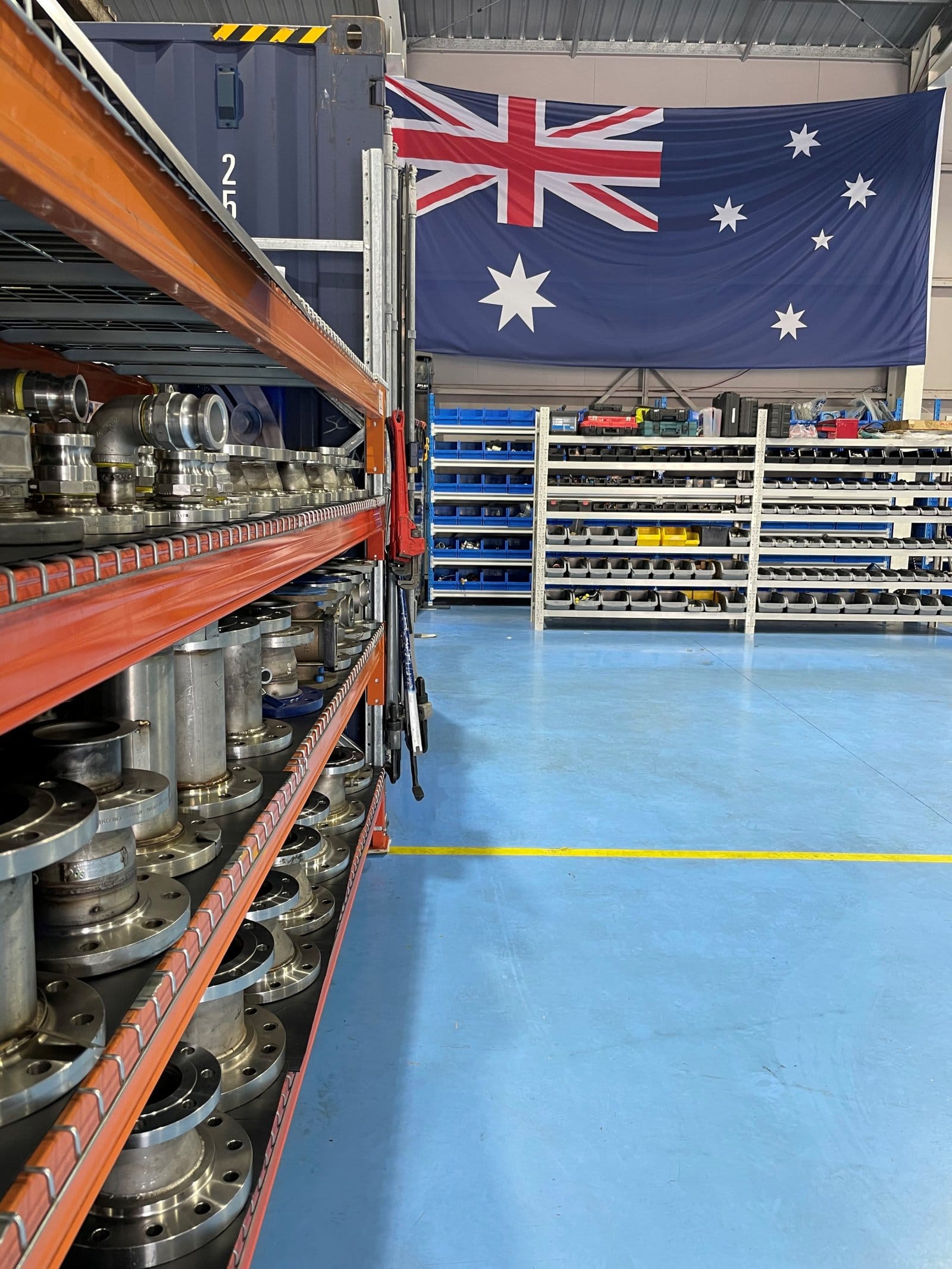
Blending Group I and II Oils: Risks & Best Practice
Can Group I and Group II oils be blended safely in your equipment? It depends on the specific finished lubricants and their application. An unplanned…
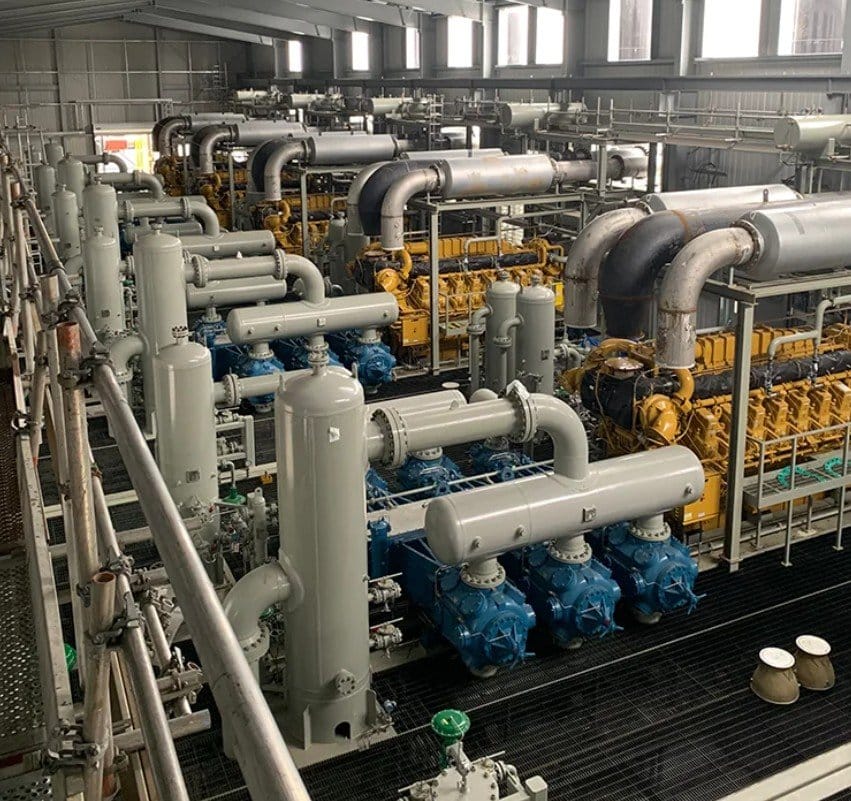
High Particle Counts After Oil Change: Causes & Fixes
A particle spike after an oil change is a clue, not a verdict. If your latest report has you asking, “High Particle Counts After an Oil Change: What…
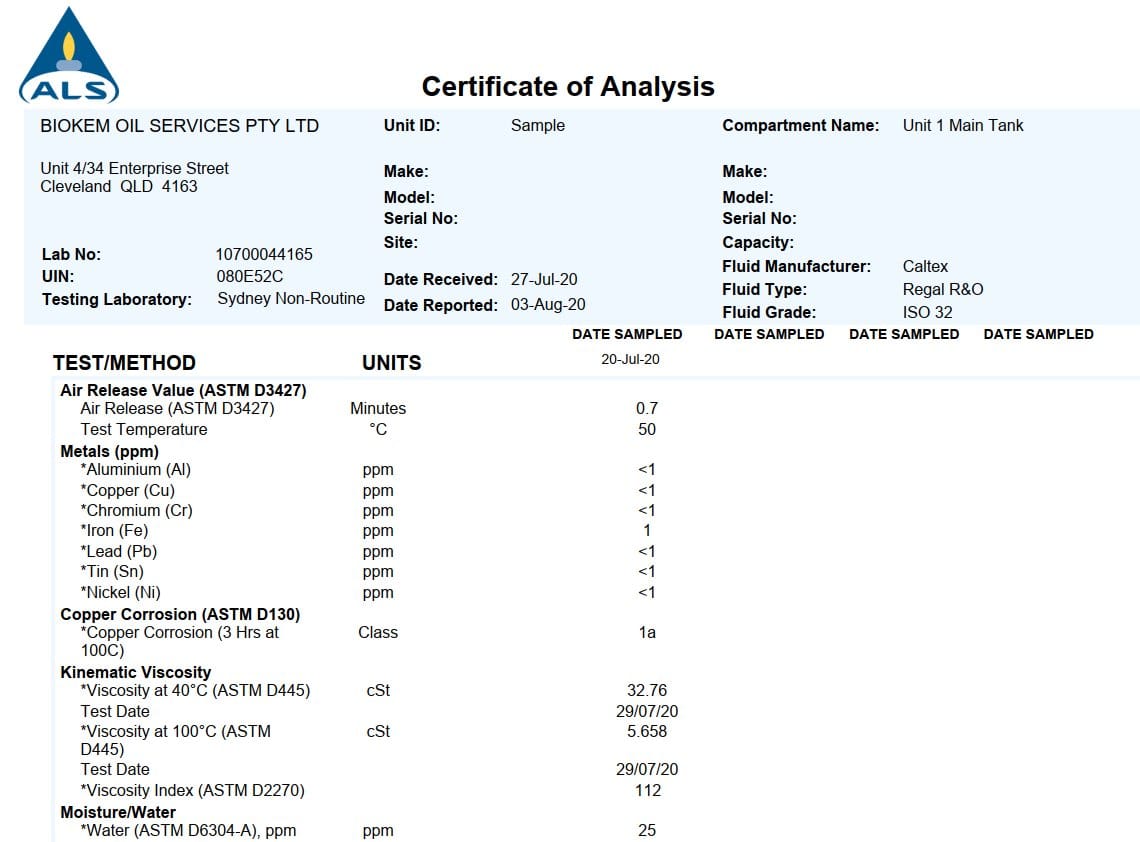
Turbine Servo Valve Sticking: Varnish Causes & Solutions
What if a sticking turbine servo valve points to oil varnish but doesn’t prove it? Intermittent or recurring faults can be difficult to diagnose, and…
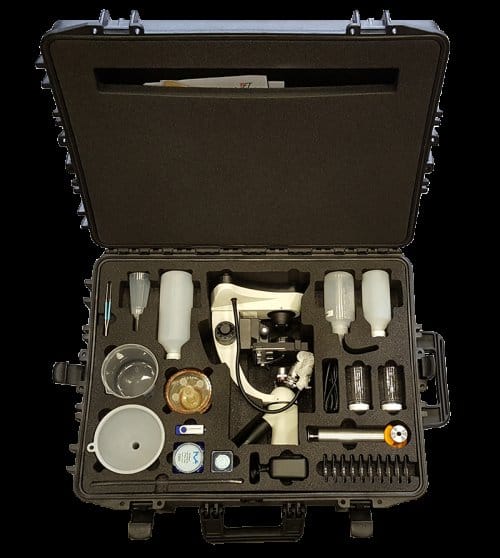
Lubrication Best Practices for Reliability
What if lubrication reliability depends less on adding checks and more on connecting the ones already in place? Reliability managers know that…

Does Oil Filtration Remove Lubricant Additives?
How much of a lubricant additive package can an oil filtration system remove? There’s no single percentage that applies to every system, which is why…
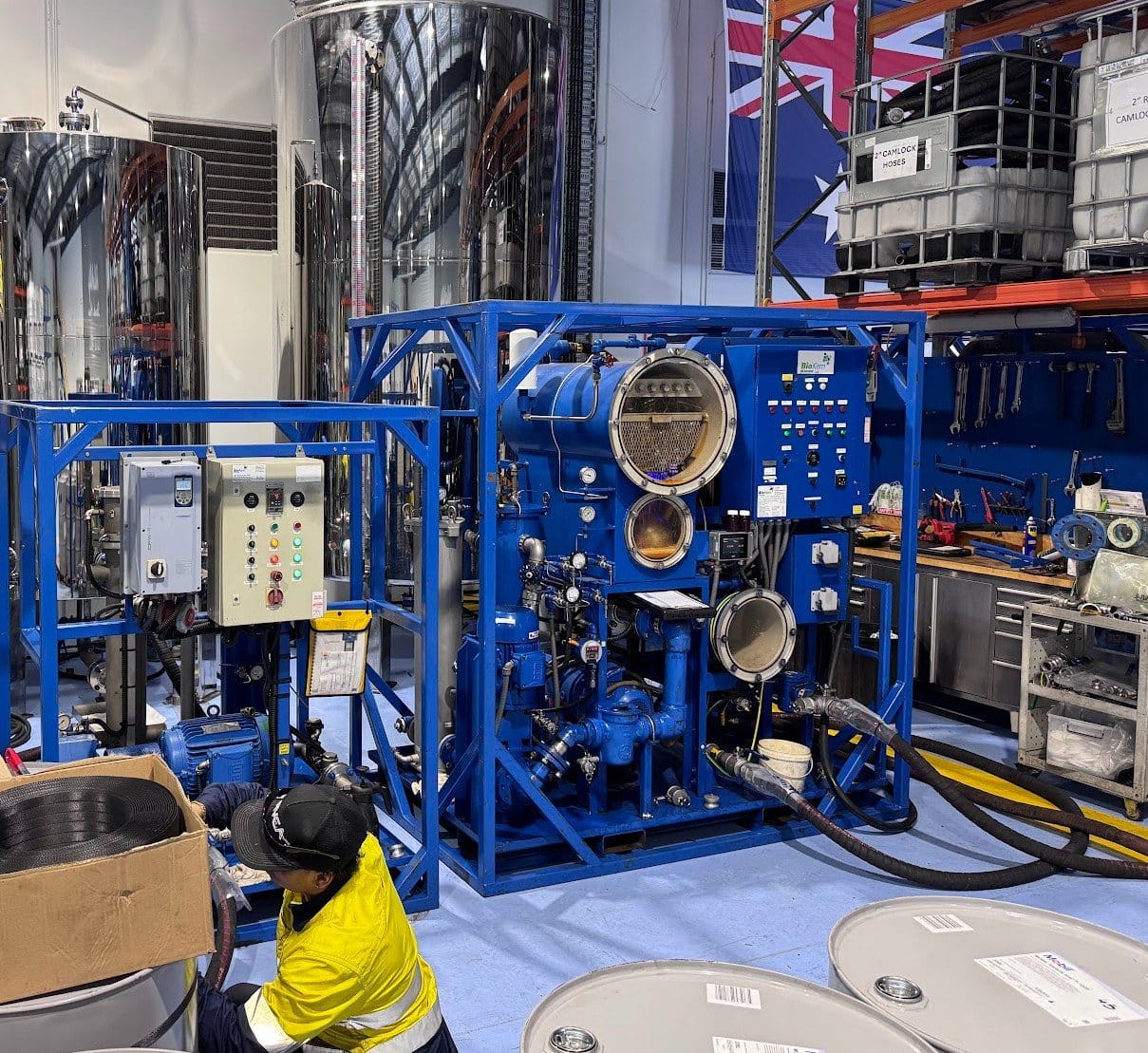
Asset Lifecycle Extension Through Fluid Maintenance: A Practical Guide
What if extending an asset’s useful life depends less on treating its fluid routinely and more on knowing when and how to intervene? Asset lifecycle…
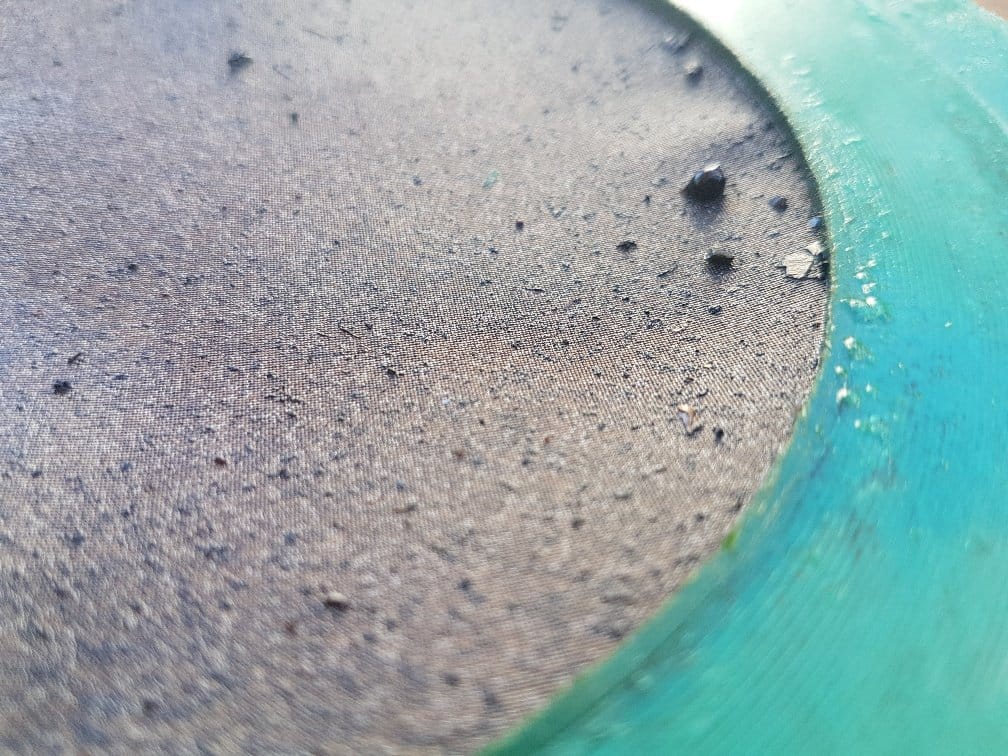
Avoiding Cross-Contamination During Oil Sampling: A Practical Industrial Guide
A sample can be compromised before it reaches the laboratory. Dust around a port, reused tubing or an unclean bottle can introduce particles or…
How to Prevent Gearbox Failure: An Industrial Maintenance Guide
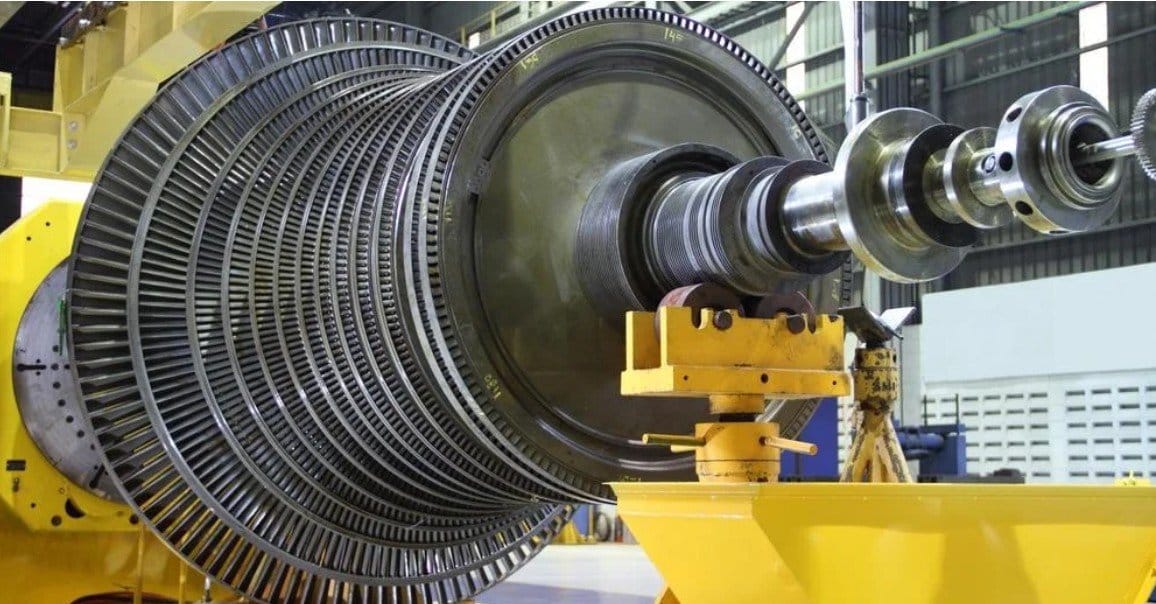
Could a gearbox warning sign be hiding in the oil before it becomes an unplanned shutdown? Knowing how to prevent gearbox failure means looking…
Oil Sight Glass Contamination Monitoring: Industrial Guide to Visual Asset Health
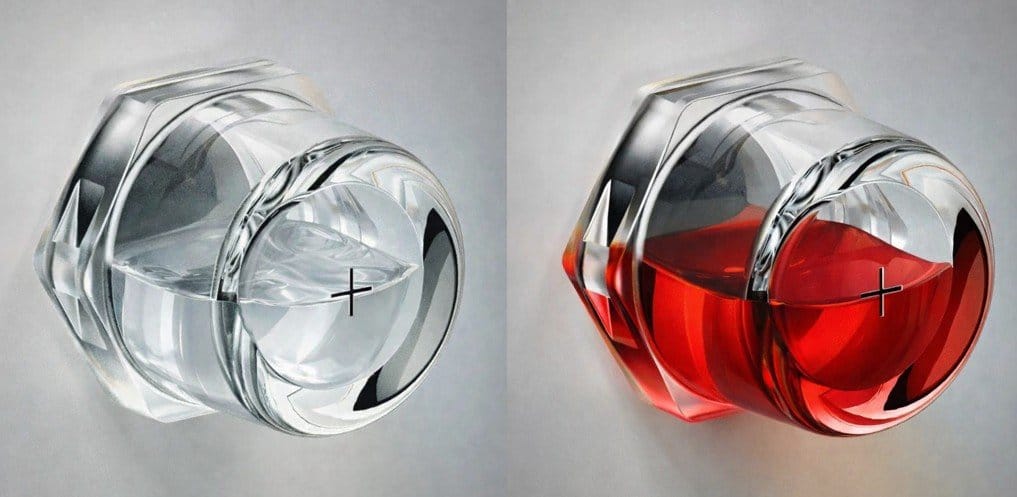
Between 70% and 80% of all rotating equipment failures stem from fluid contamination, yet the destructive particles grinding away dynamic oil films…

Maximising Asset Life with RULER Lubricant Testing
Your latest oil analysis report might show perfect viscosity and low particle counts, yet your turbine could still be on the verge of a…
Filter Debris Analysis: Predicting System Failures Early
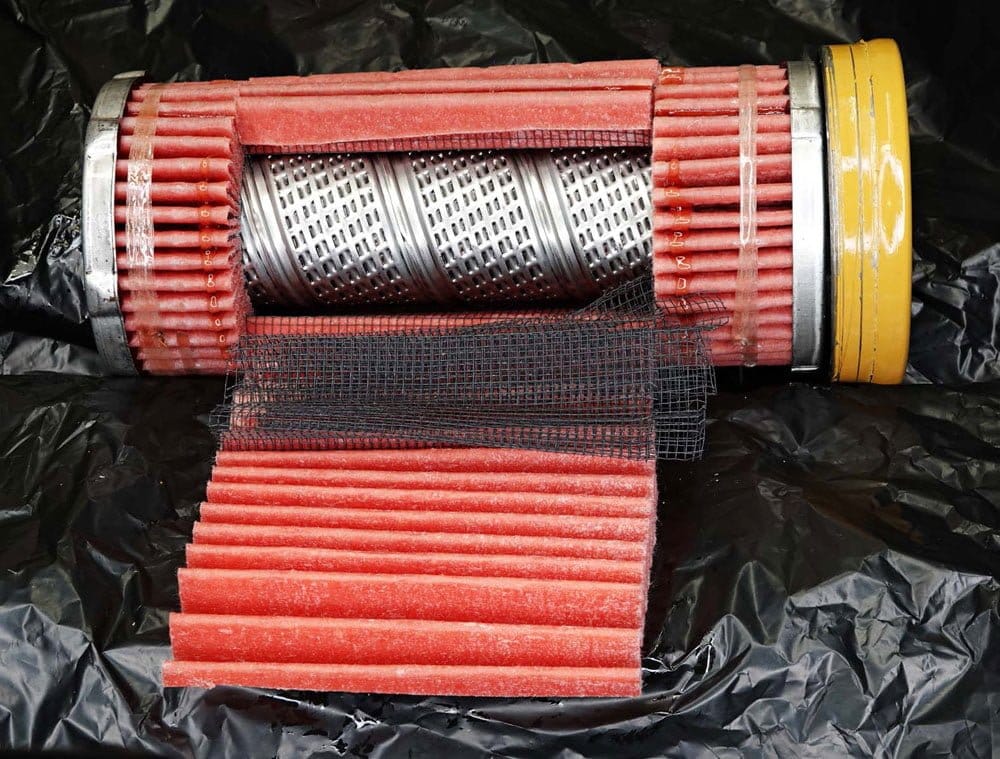
Why did your critical gearbox suffer a catastrophic failure when last month’s laboratory report gave the lubricant a clean bill of health? It’s a…

ISO Cleanliness Codes: Guide to Industrial Oil Standards
Up to 82% of industrial equipment wear is the direct result of particle contamination within the lubricant. It’s a staggering statistic that proves…

Reliability-Centred Lubrication: A Strategic Guide
Over 80% of mechanical wear is the direct result of fluid contamination, yet many facilities still treat lubrication as a routine task. In this guide…
10 Key Insights Hidden in Your Oil Analysis Reports
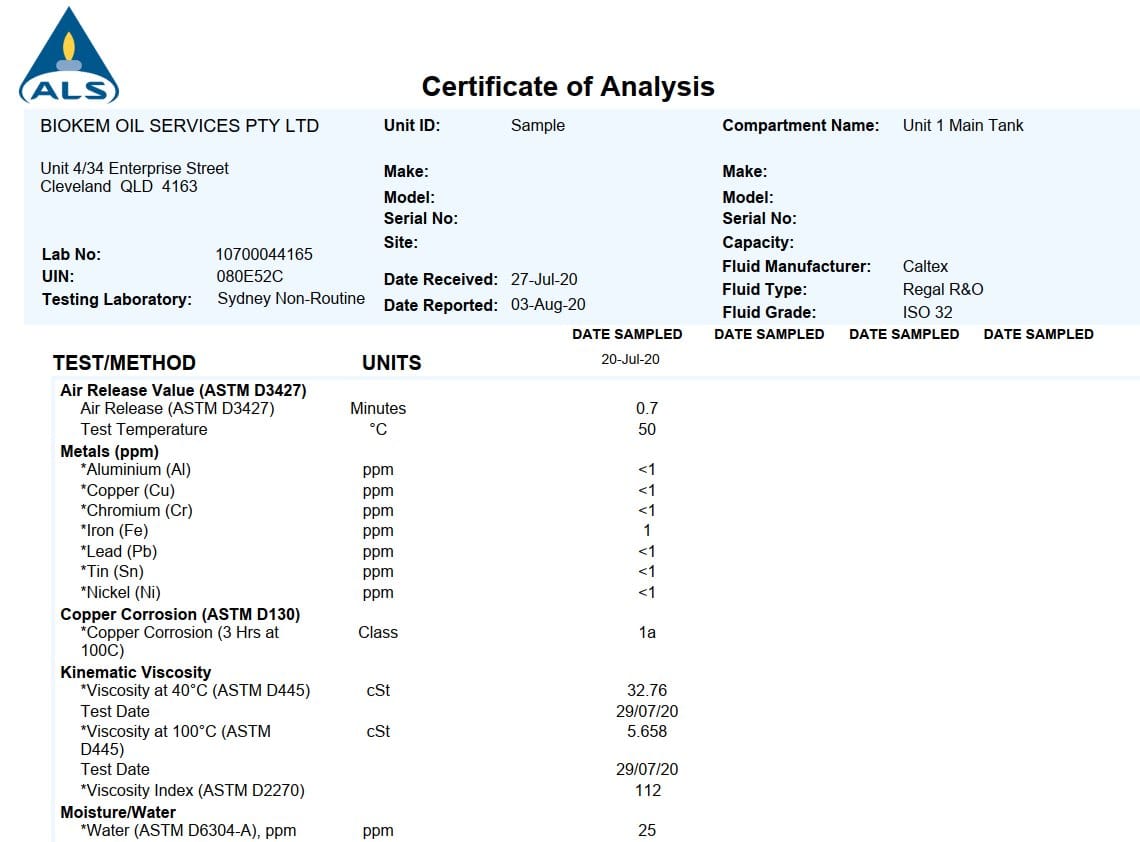
What if the "Normal" status on your latest laboratory report is actually masking a catastrophic failure in progress? Many reliability…