


Your latest oil analysis report might show perfect viscosity and low particle counts, yet your turbine could still be on the verge of a…
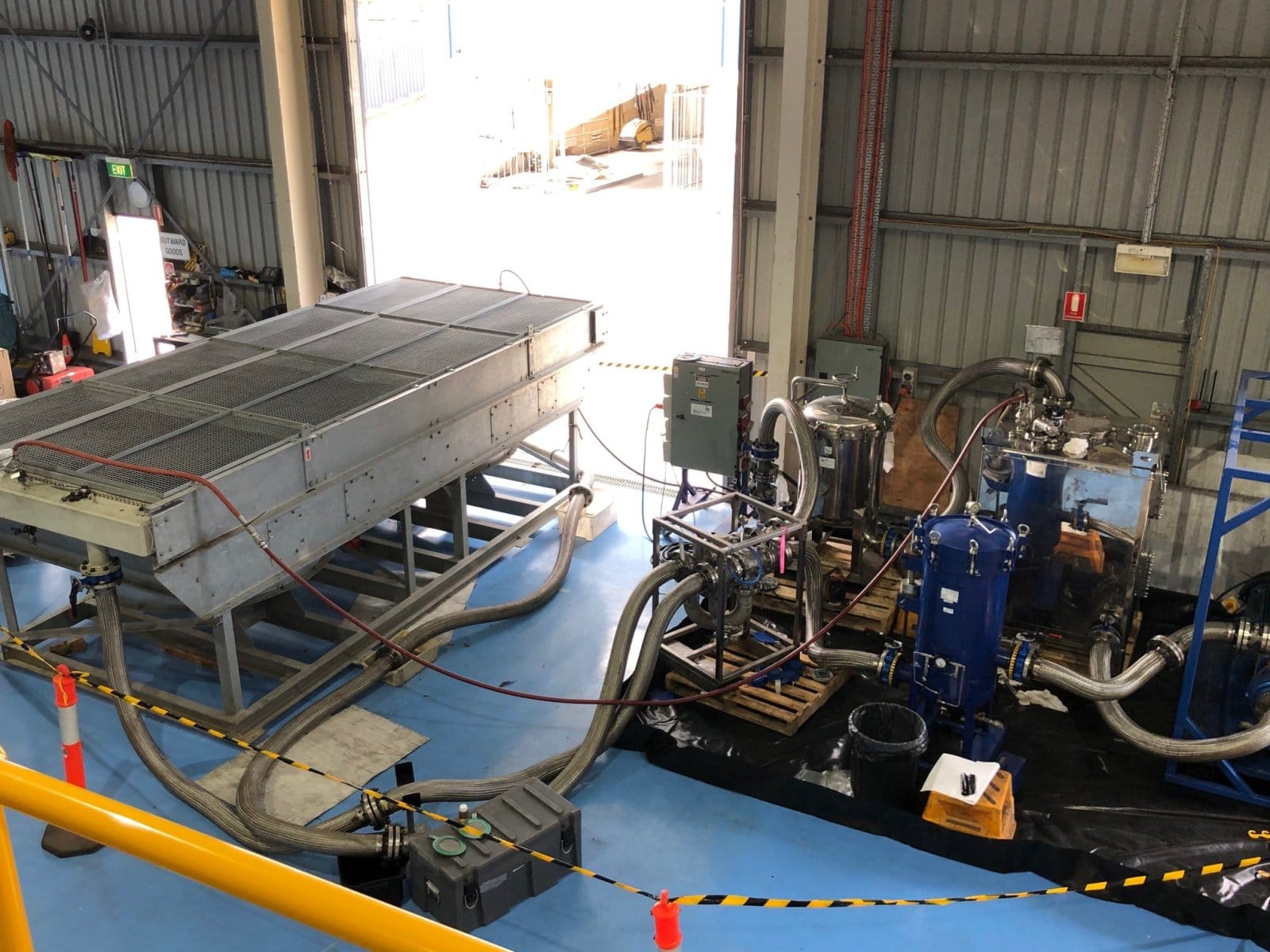
Chemical Cleaning Guide for New Stainless Steel Pipework
What if the “clean” stainless steel pipework you just installed is actually a ticking time bomb for your lubrication system? It’s a common dilemma…
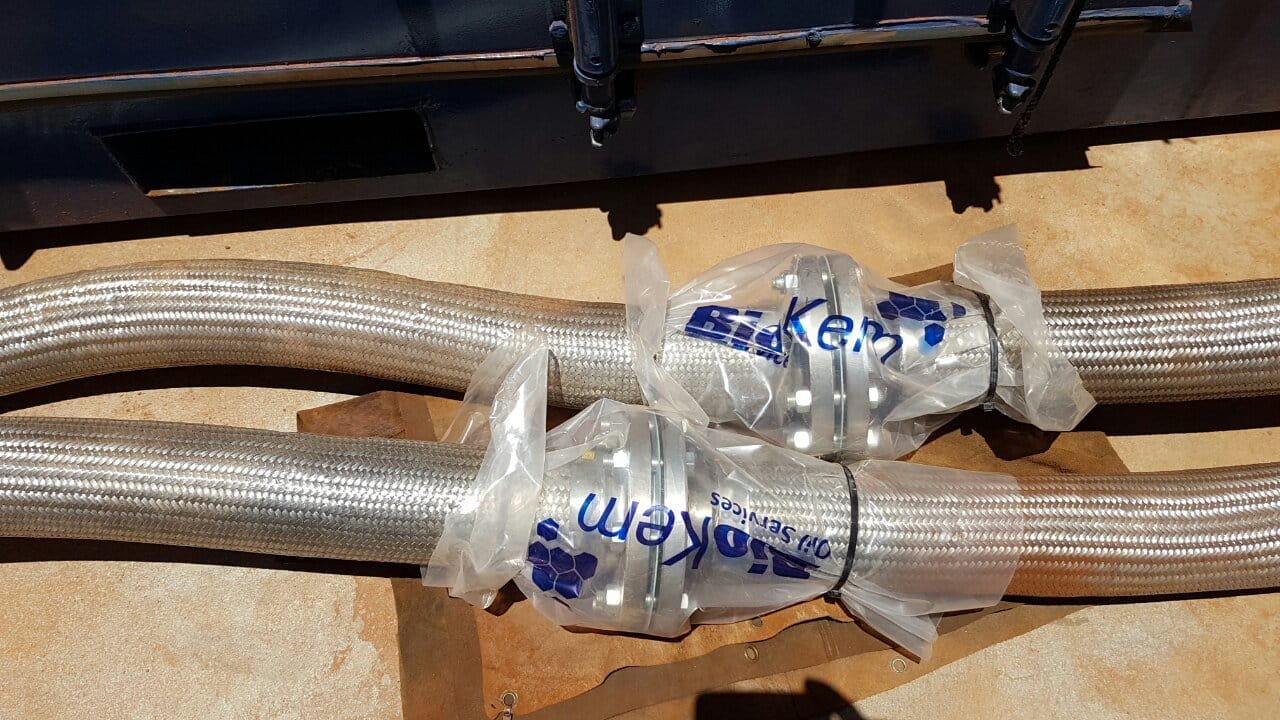
Chemical Cleaning Procedure for Carbon Steel Lines
Corrosion costs the Australian economy an estimated $78 billion annually, representing up to 5.2% of our national GDP. For maintenance engineers, the…
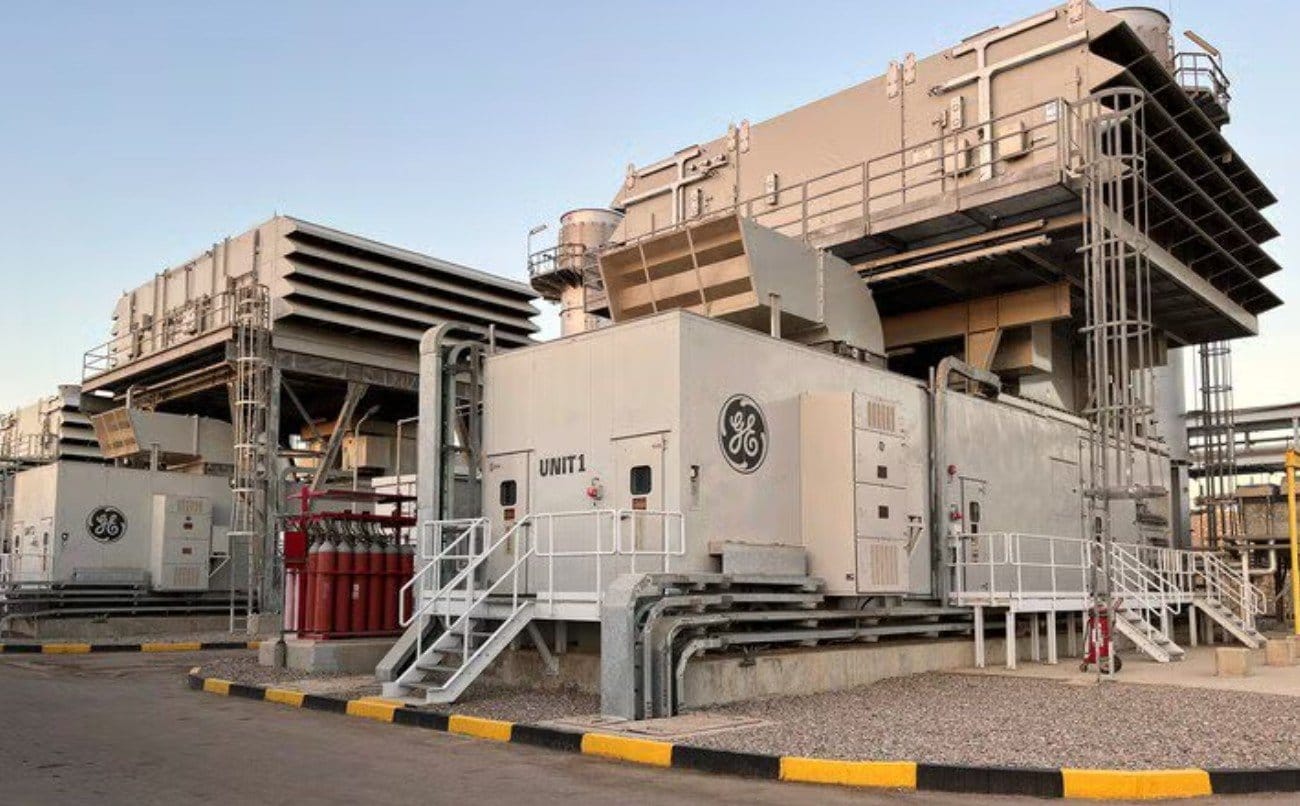
Does Your Lubrication Pipework Need Chemical Cleaning?
Is the aggressive chemical “pickling” of your lubrication pipework a necessary safeguard or a high-risk liability for your asset’s longevity? You’re…
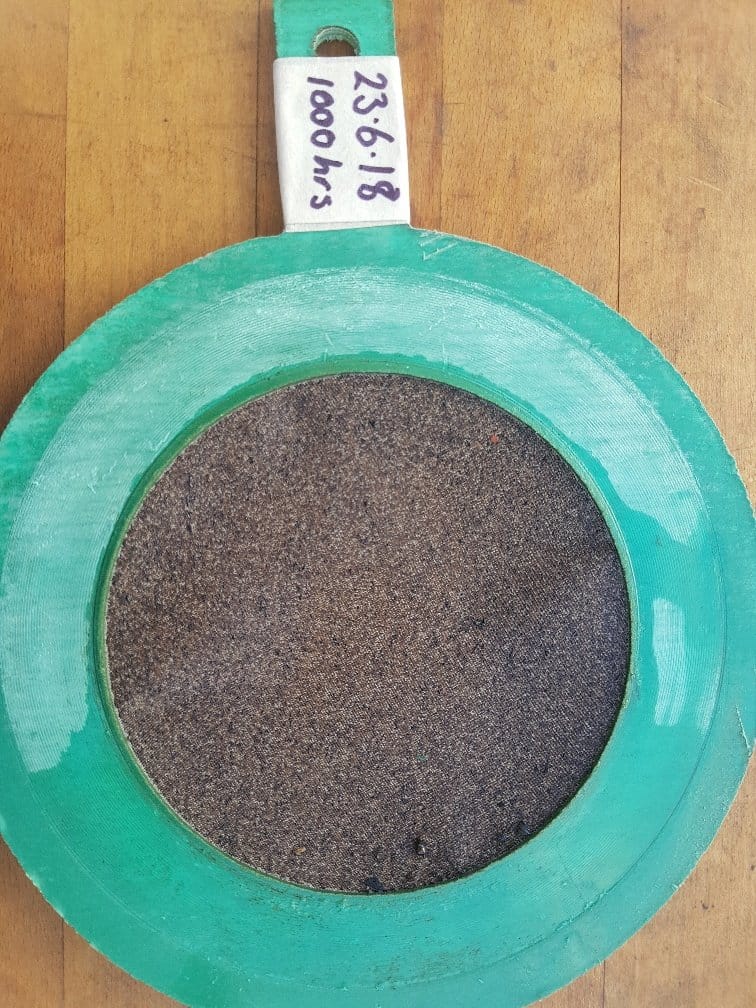
Defining Battery Limits for Better Hot Oil Flushing
A single undefined flange or a missing power outlet can be the difference between a successful maintenance shutdown and a multimillion-dollar repair…

Hot Oil Flushing: Guide to Flushing Bearing Circuits
Subjecting your high-value turbine or compressor bearings to a high-velocity oil flush is effectively sandblasting your most critical assets from the…
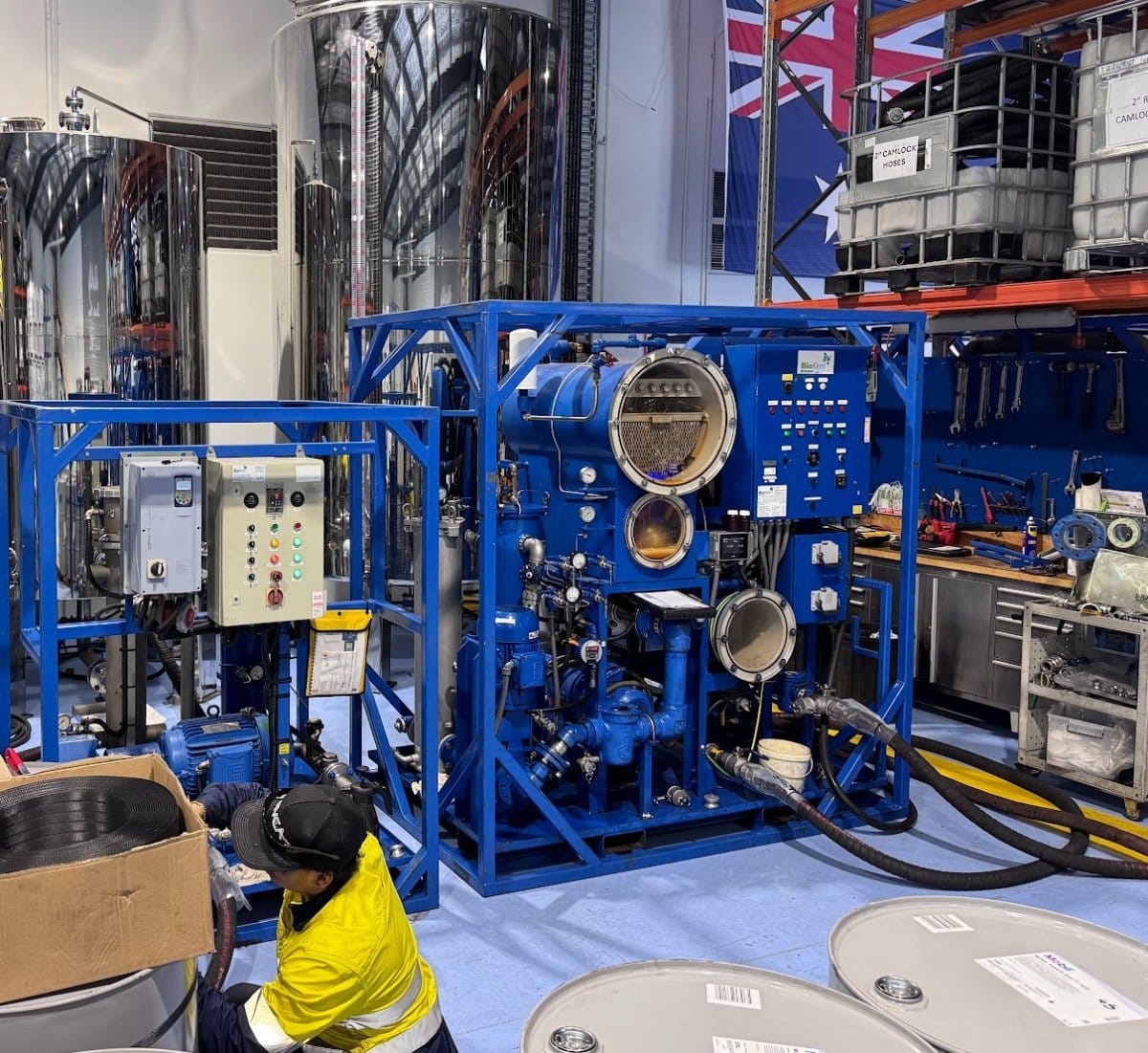
Vacuum Dehydrator Oil Purification: The Industrial Guide to Moisture Removal
Did you know that up to 80% of all hydraulic and lubrication-related equipment failures stem directly from oil contamination? While particulate…

How Water Enters Industrial Fuel Tanks & Prevention Tips
What if the greatest threat to your industrial fuel system isn’t a mechanical failure, but the very air surrounding your storage facility? Most…

Managing Microbial Contamination in Industrial Lubricants
What if the foul, rotten egg odor emanating from your reservoir is actually the smell of your equipment’s impending failure? Many maintenance teams…

ISO Cleanliness Codes: Guide to Industrial Oil Standards
Up to 82% of industrial equipment wear is the direct result of particle contamination within the lubricant. It’s a staggering statistic that proves…

Reliability-Centred Lubrication: A Strategic Guide
Over 80% of mechanical wear is the direct result of fluid contamination, yet many facilities still treat lubrication as a routine task. In this guide…
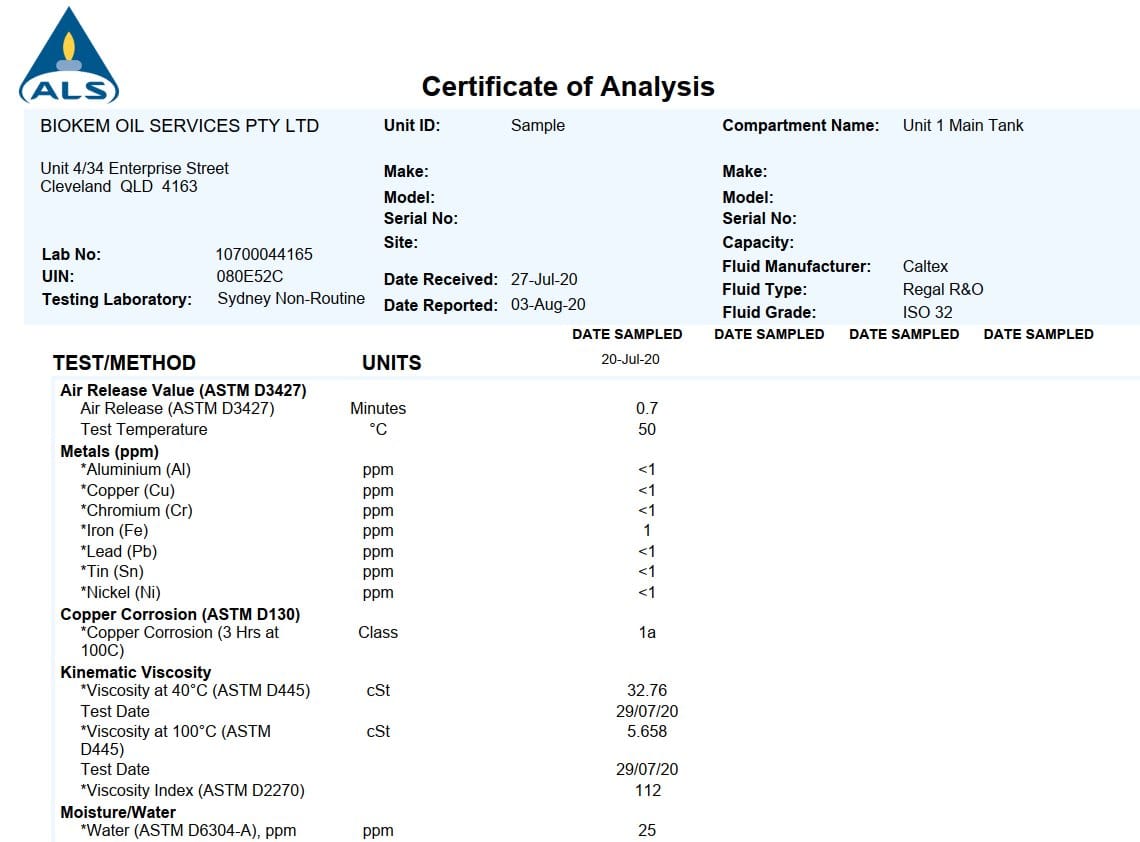
10 Key Insights Hidden in Your Oil Analysis Reports
What if the "Normal" status on your latest laboratory report is actually masking a catastrophic failure in progress? Many reliability…
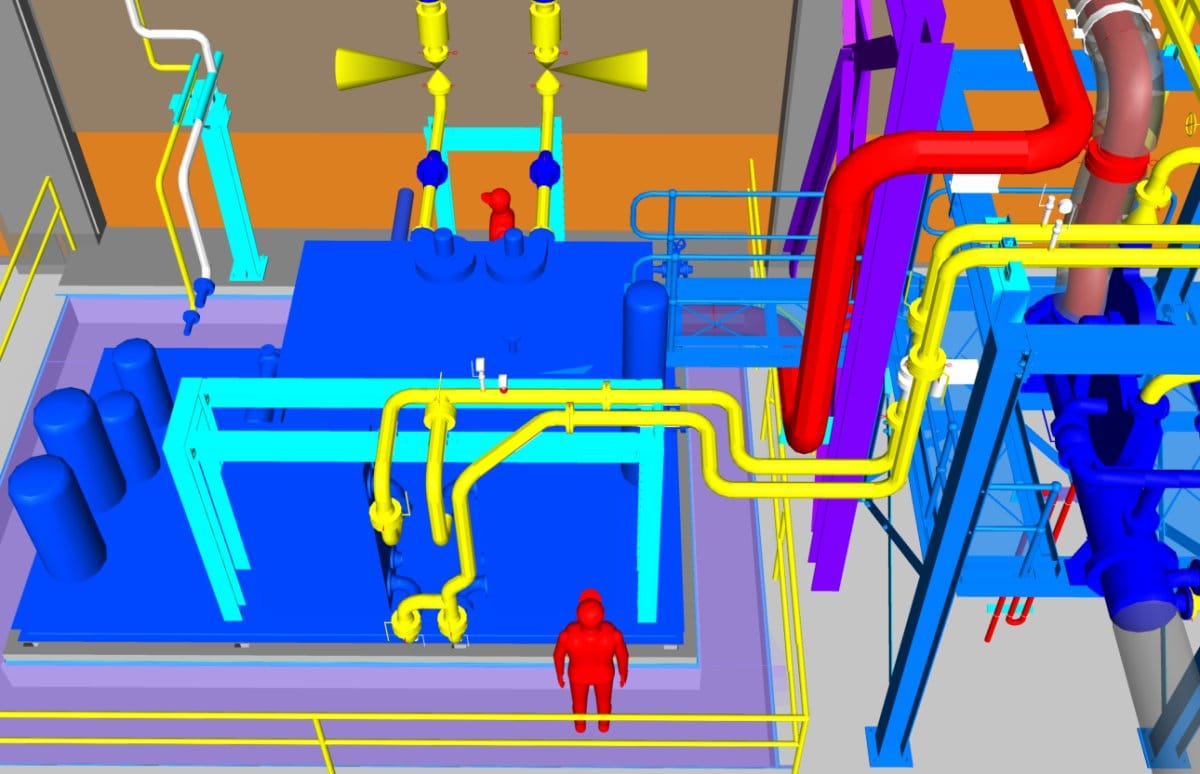
Commissioning Lubrication Systems: A Practical Checklist
Did you know that properly implemented lubrication protocols can reduce bearing failures by up to 80%, yet many systems are sabotaged by built-in…
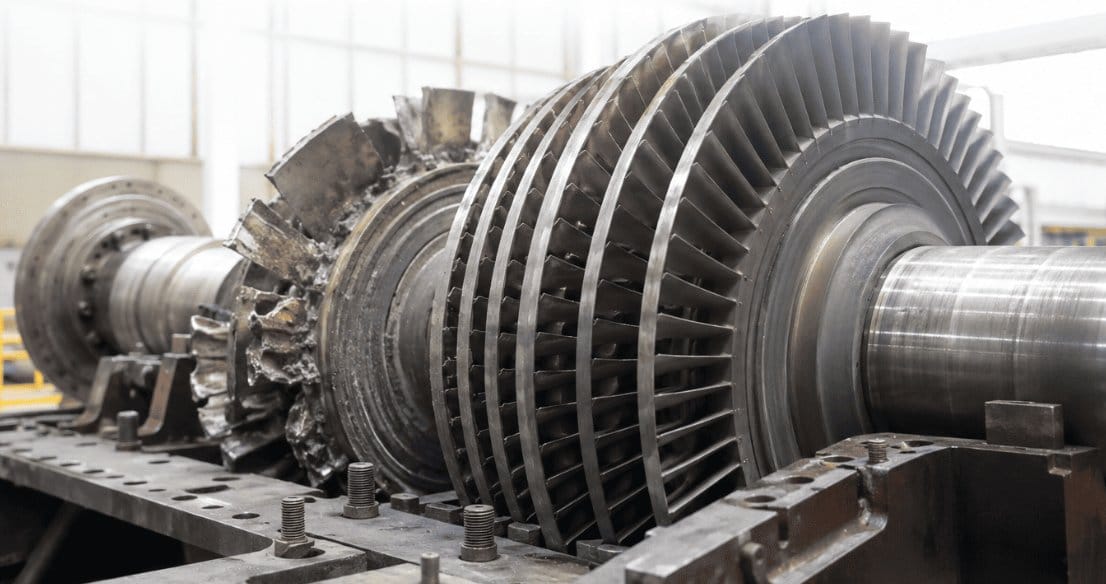
Why Skipping Oil Flushing Before Startup Costs You More
Choosing to bypass a high-velocity hot oil flush during commissioning isn’t a strategic cost-saving measure; it’s an unhedged high-stakes bet against…
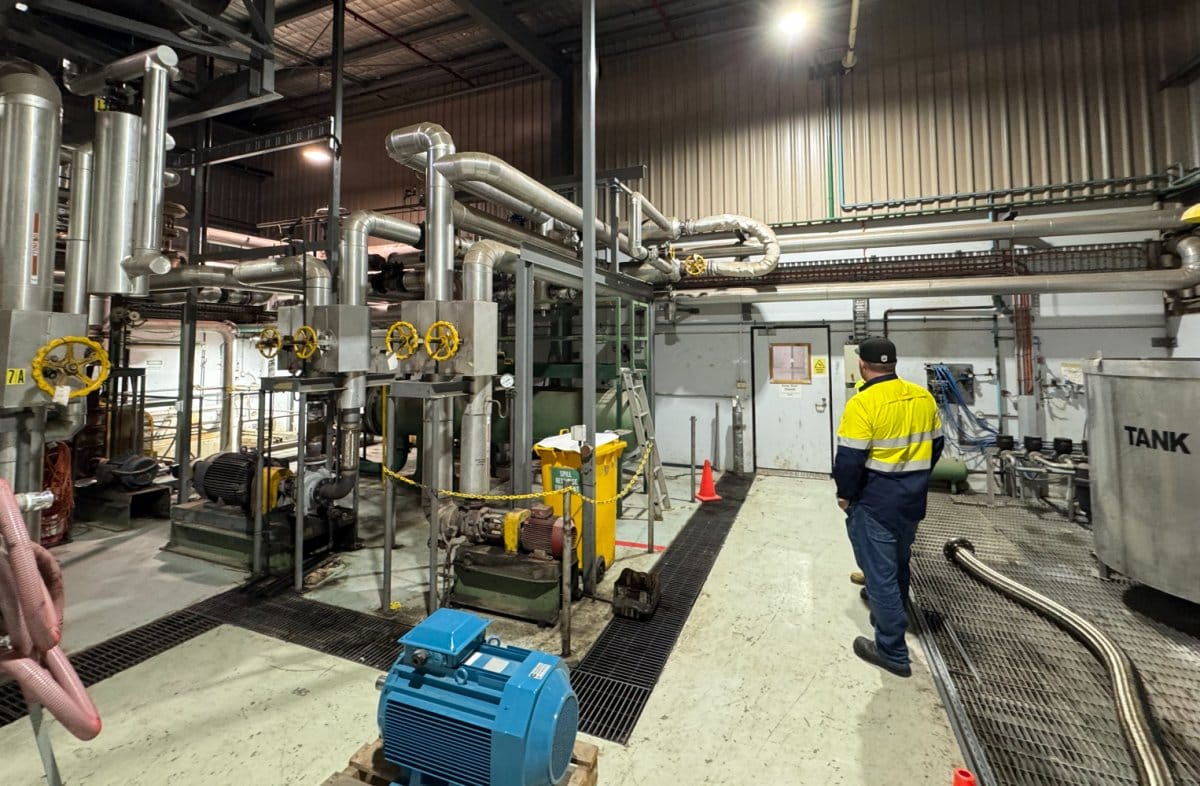
Managing Heat Transfer Fluid Degradation and Prevention
Treating your heat transfer fluid as a simple consumable is a costly mistake that often leads to irreversible system fouling and dangerous safety…
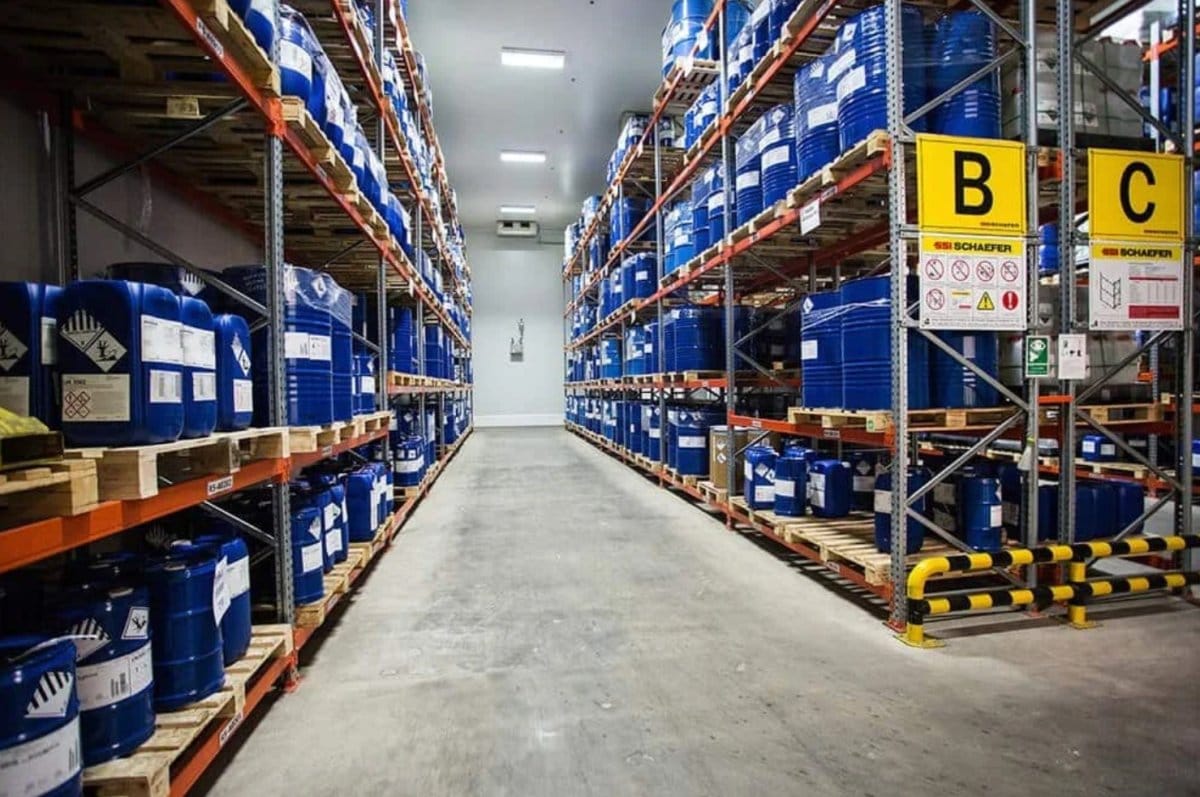
Professional Guide to Correct Oil Drum Storage
Did you know that a single litre of leaked lubricant has the potential to contaminate up to one million litres of water? While many industrial…

How UV Exposure Affects Lubricant Quality and Storage
Could the sun be the single most expensive threat to your machinery’s reliability? While most maintenance protocols prioritize moisture and…

What is RPVOT? Understanding Oil Oxidation Testing
What if a single metric on a laboratory report could prevent an unplanned turbine outage costing upwards of $50,000 per day? For many reliability…
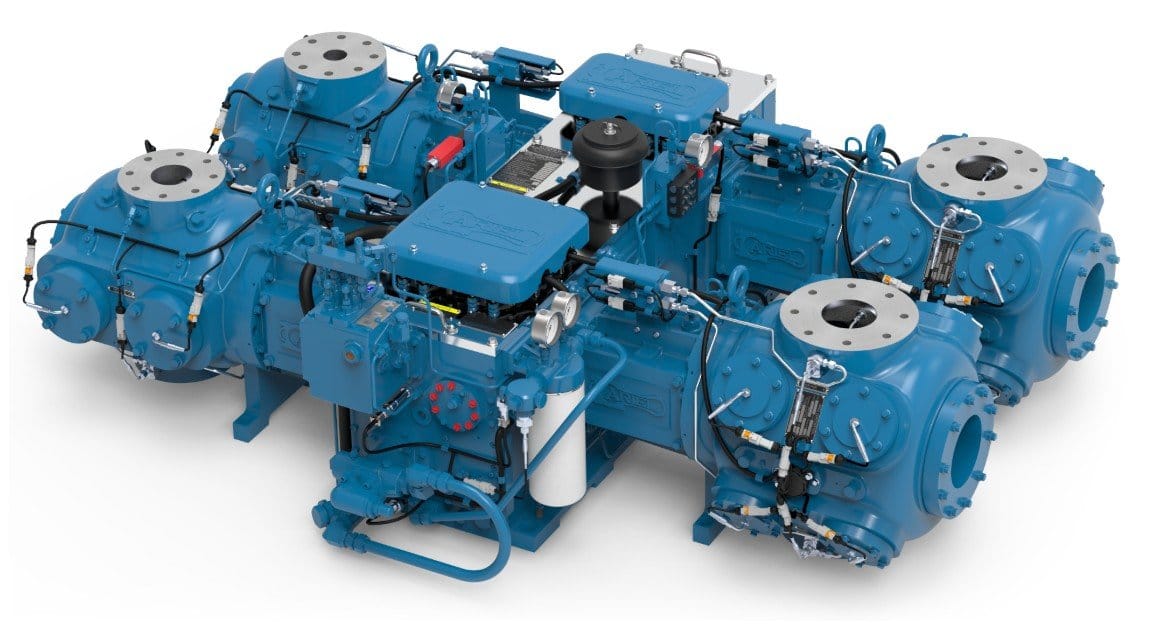
Guide to Industrial Compressor Lubrication Requirements
Compressor reliability isn’t just about the oil you put in; it’s about the cleanliness of the system it flows through. While many operators focus…
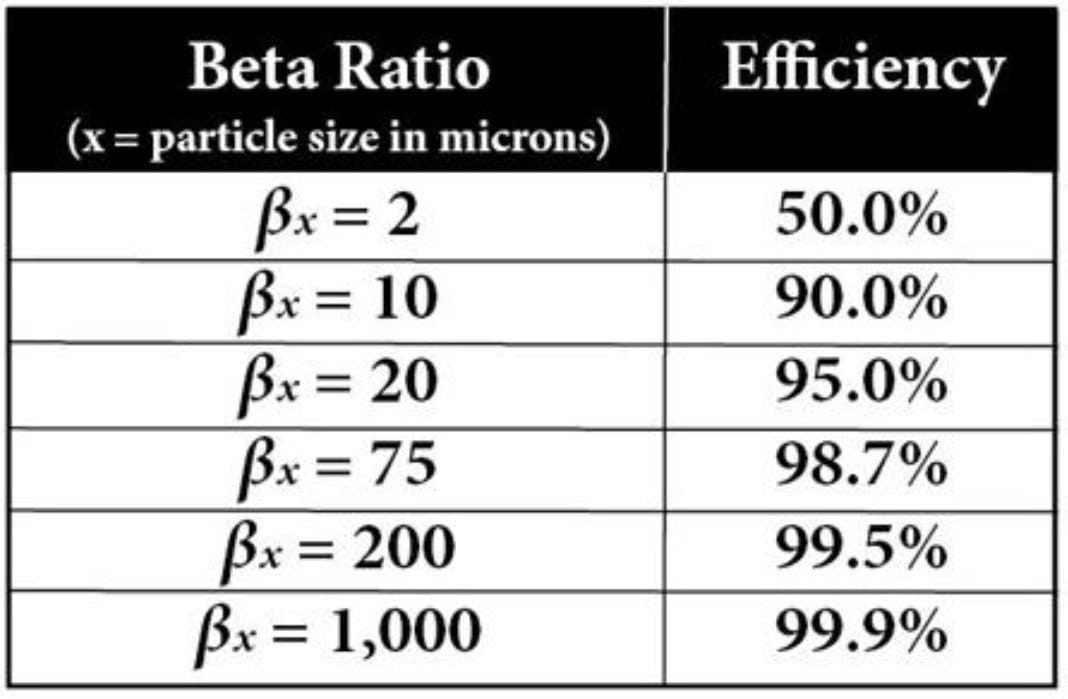
Filter Beta Ratios: Absolute vs. Nominal Efficiency Guide
A “10-micron” filter rating is often little more than a marketing claim that masks significant risks to your machinery. If you’ve experienced…