


SafeWork Australia reports indicate that atmospheric hazards in restricted zones account for nearly 15% of industrial fatalities annually. You likely…
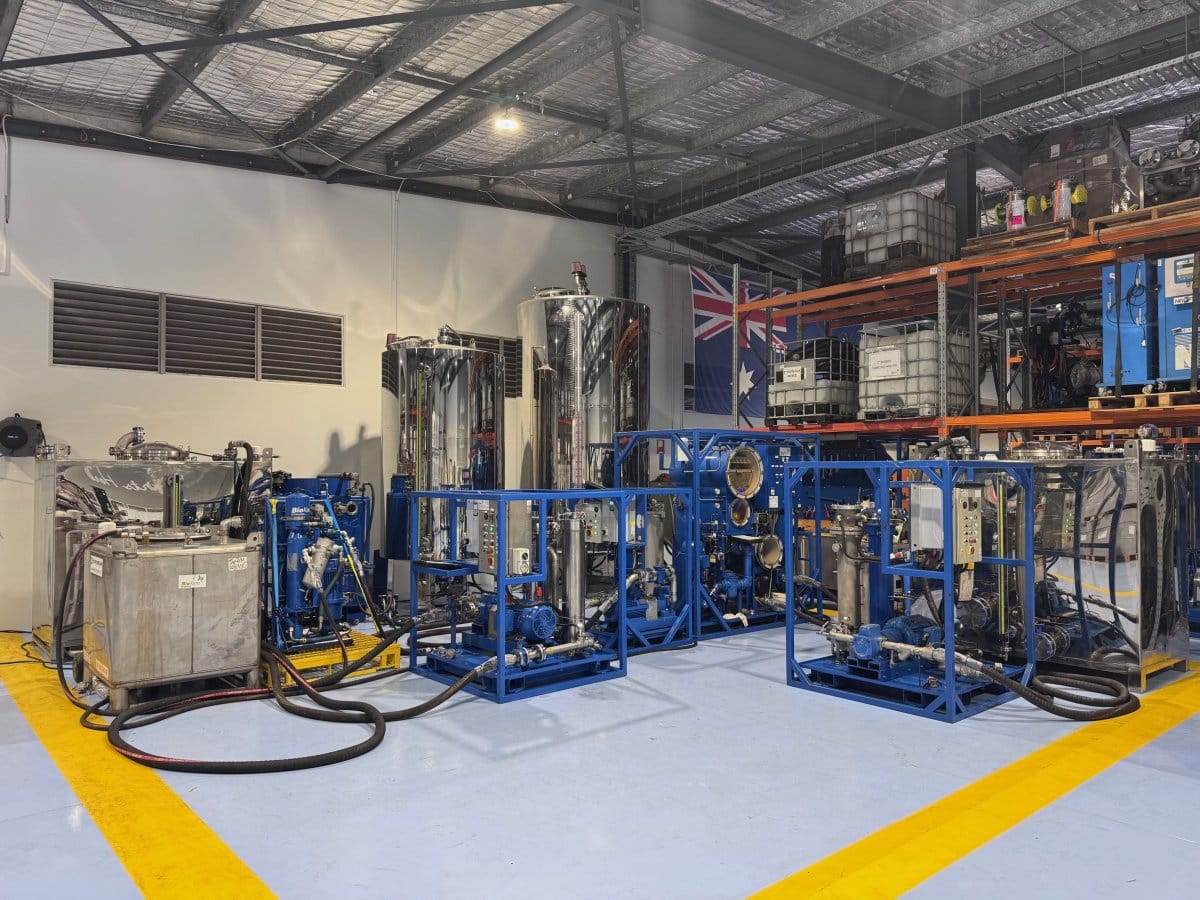
Oil Contamination Control: The Definitive Guide to Industrial Lubrication Reliability
Did you know that 82% of mechanical wear in Australian industrial assets is directly caused by particle contamination? For many maintenance managers,…
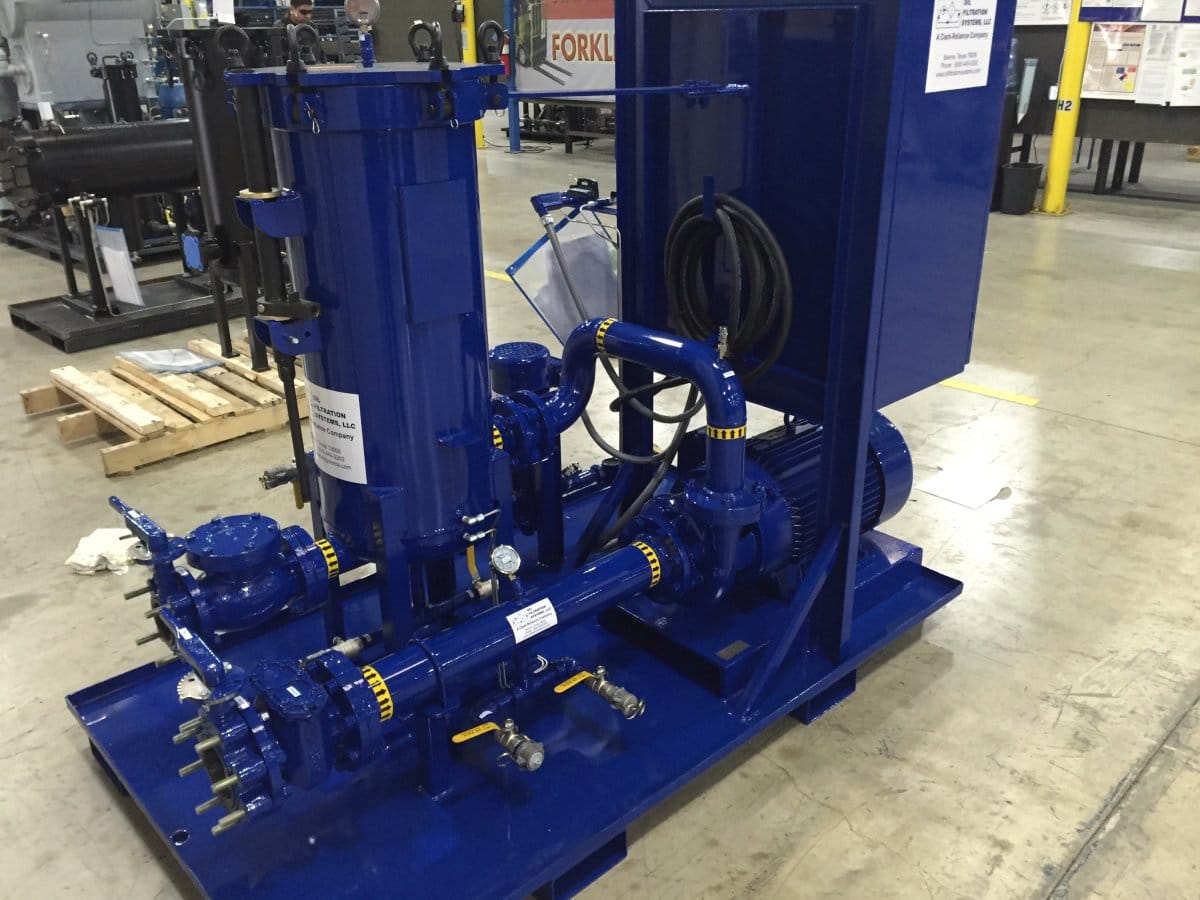
Hire vs Buy Industrial Equipment in 2026: A Strategic Guide for Maintenance Managers
The most expensive asset in your facility is often the one you own outright but only utilize at 40% of its design capacity. In the current Australian…
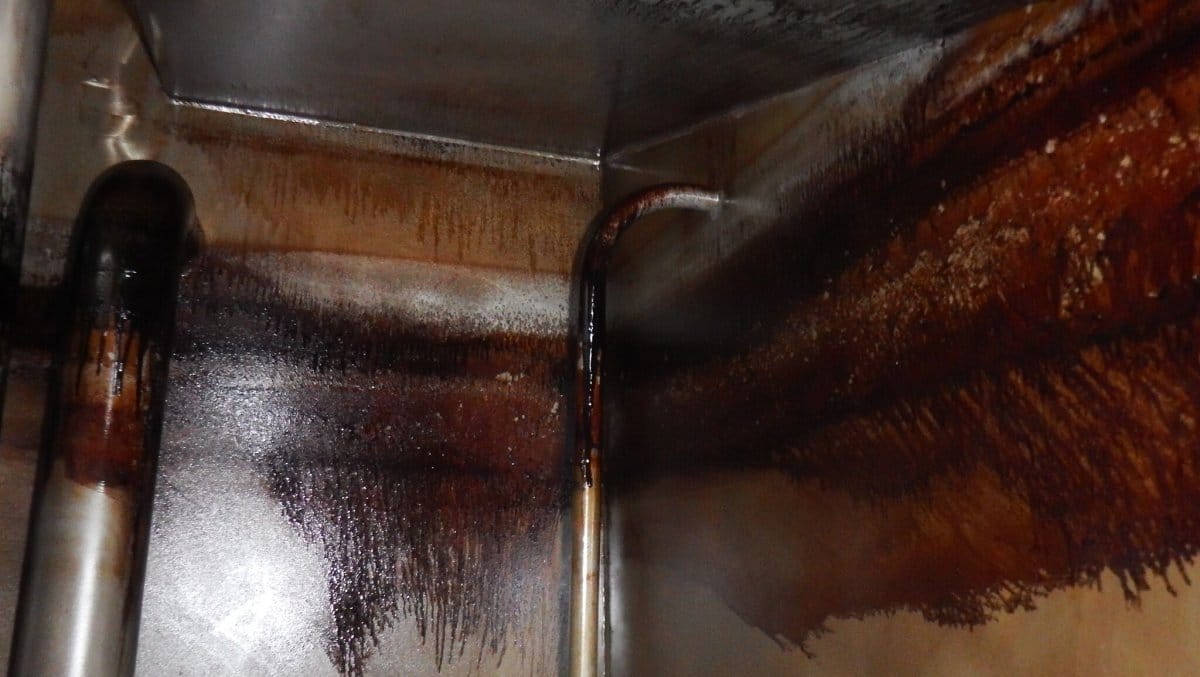
What is Varnish in Turbine Oil? Causes, Detection, and Mitigation
Industry data indicates that 40% of unscheduled turbine outages in Australian power plants stem from lubricant-related failures. You’ve likely…
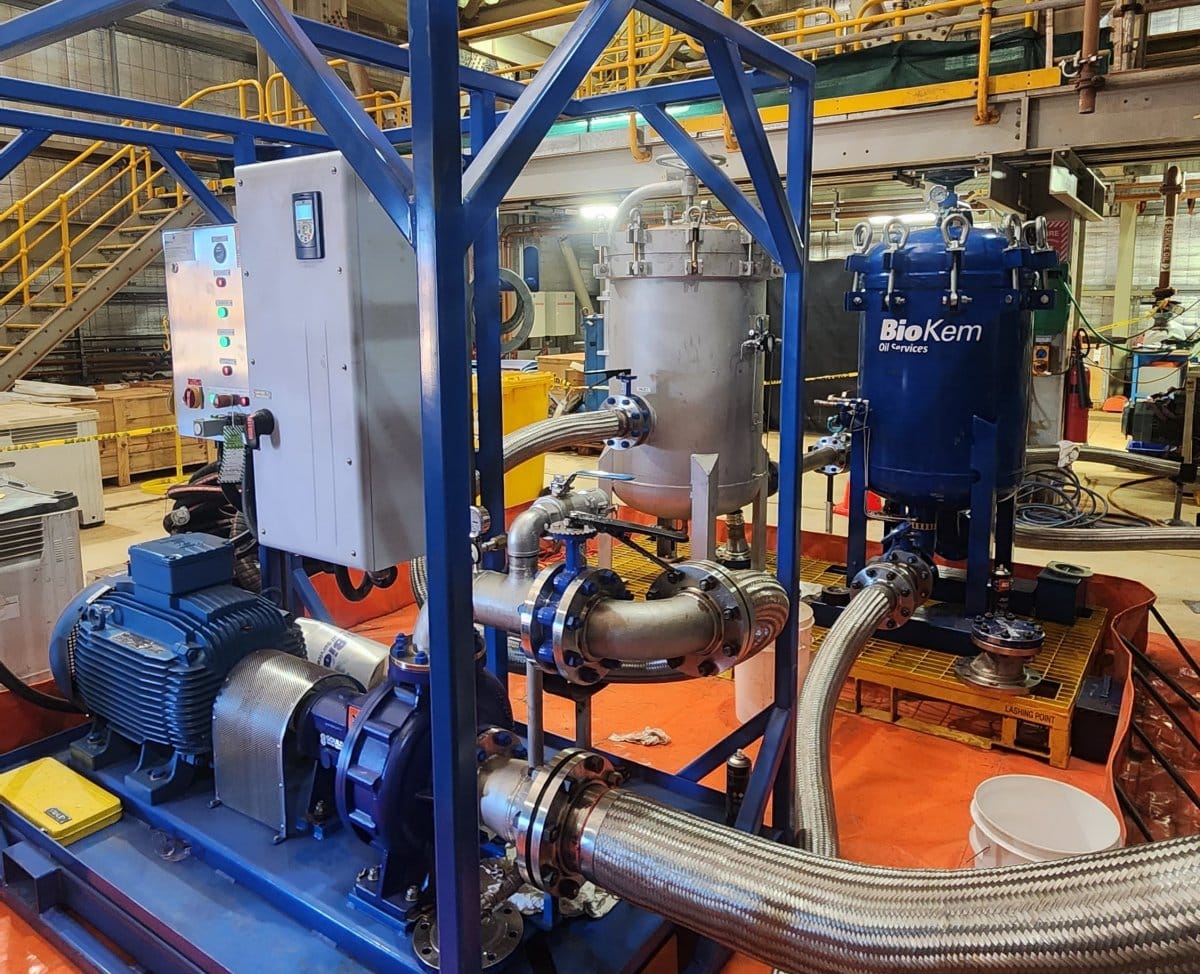
How Hot Oil Flushing Works: The Science of Industrial System Cleaning
A single micron-sized particle can trigger a chain reaction leading to a A$250,000 turbine overhaul during peak production. It’s a frustrating…
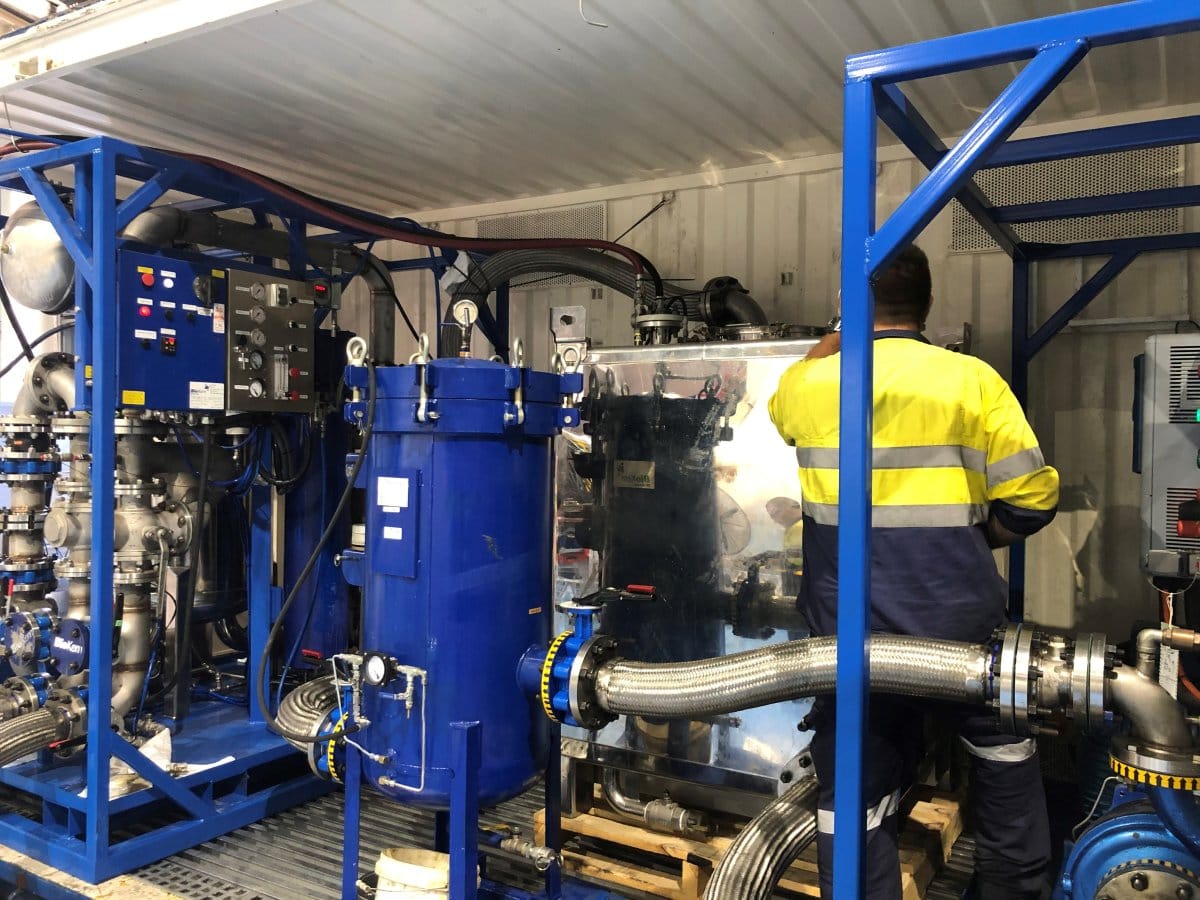
High Velocity Oil Flushing Standard: A Guide to Technical Compliance
Could a microscopic particle smaller than five microns be the catalyst for a A$250,000 unscheduled shutdown of your critical hydraulic systems? You…
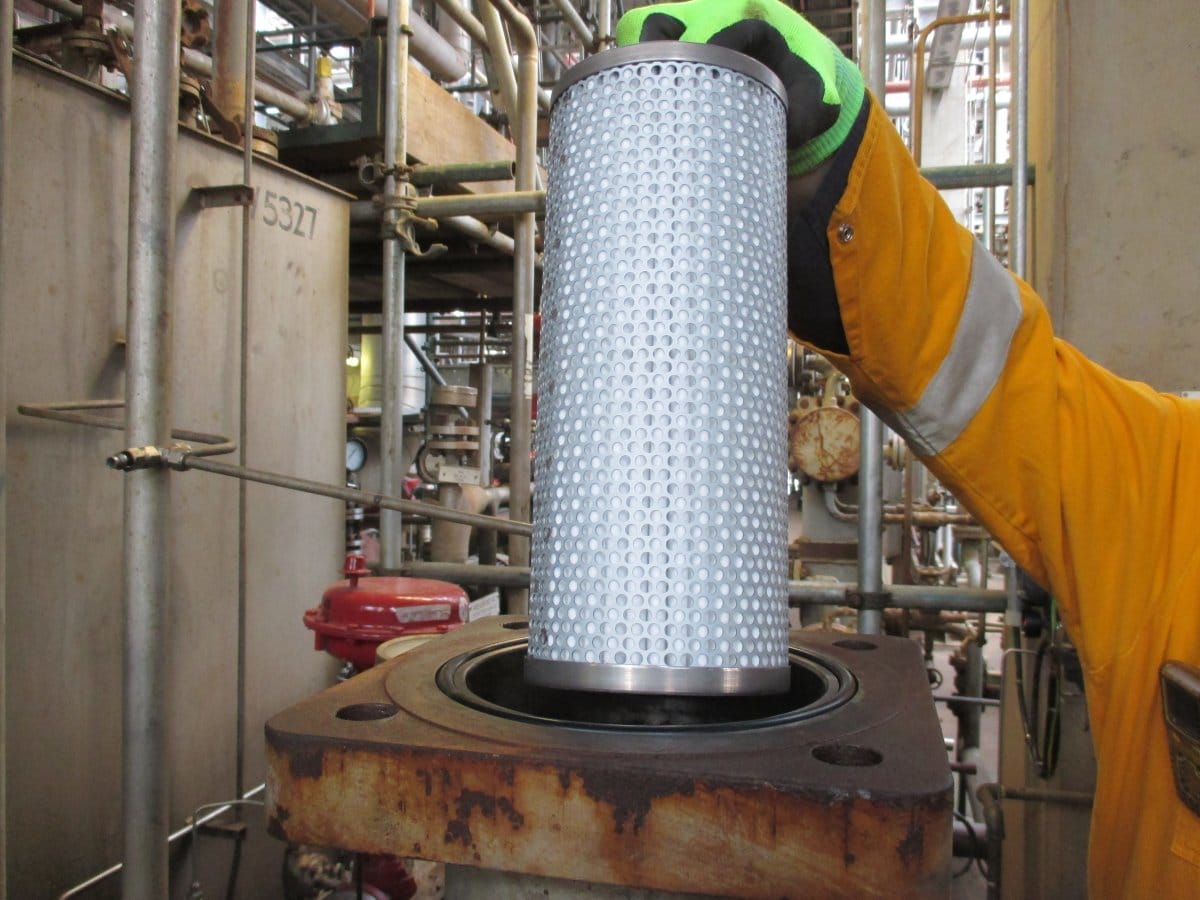
Filters S.p.A. Australia: High-Performance Industrial Filtration Solutions
Can your critical infrastructure afford to wait 12 weeks for a single replacement element to arrive from Milan? You likely agree that while Italian…
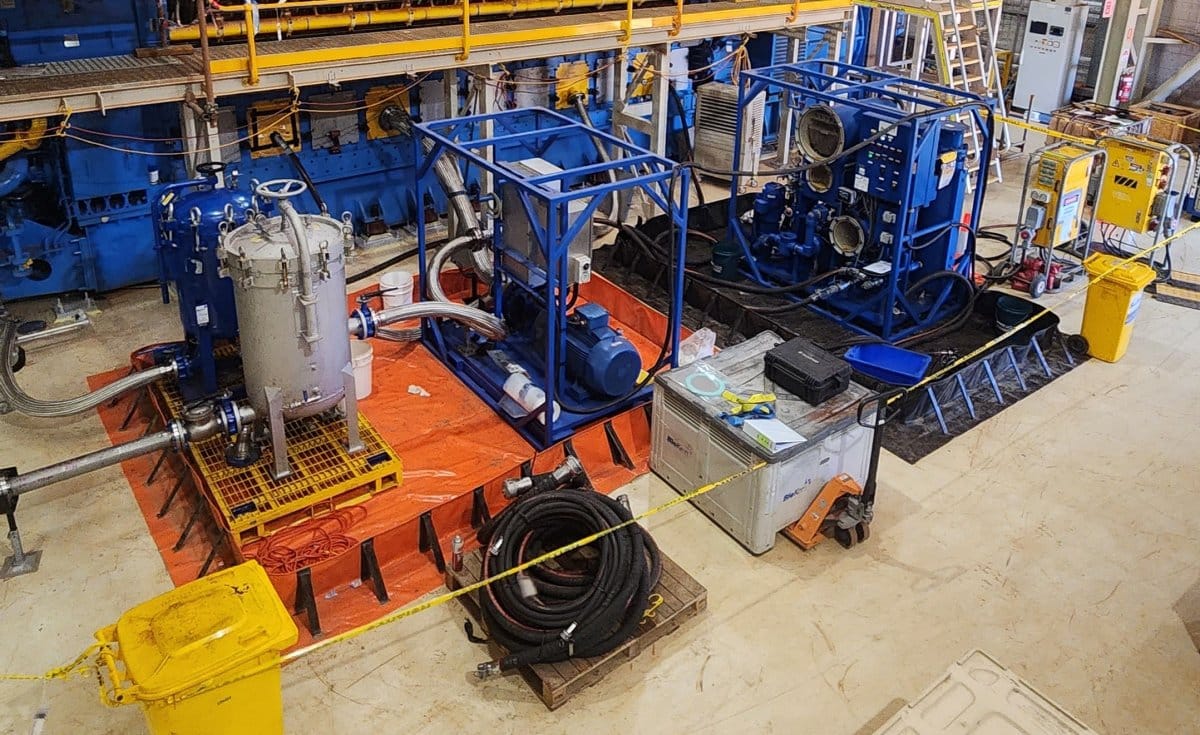
The Critical Benefits of Hot Oil Flushing for Industrial Reliability in 2026
Did you know that 82% of mechanical wear in Australian industrial machinery is caused by particle contamination that standard filtration simply…
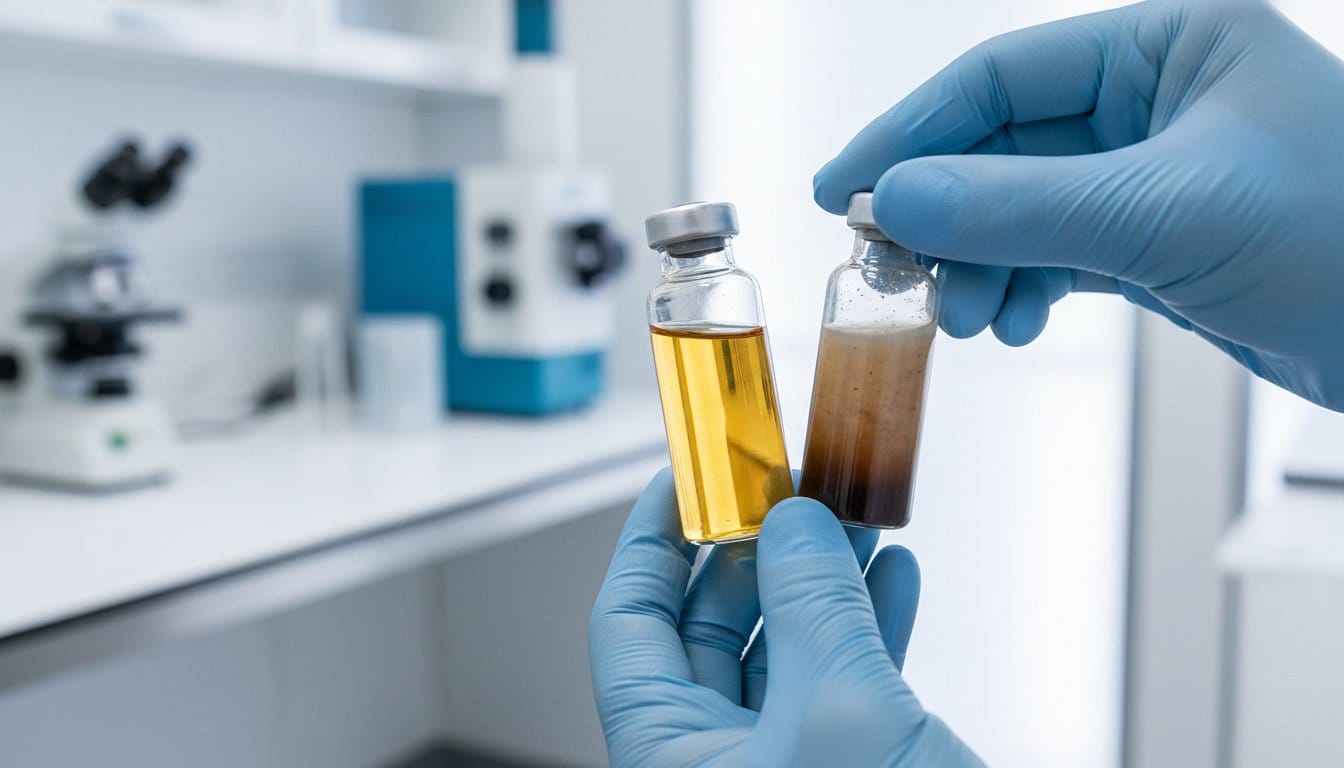
Signs of Contaminated Hydraulic Oil: The Industrial Maintenance Guide
Did you know that 80% of hydraulic system failures in Australian industrial operations are the direct result of poor fluid health? For a typical…
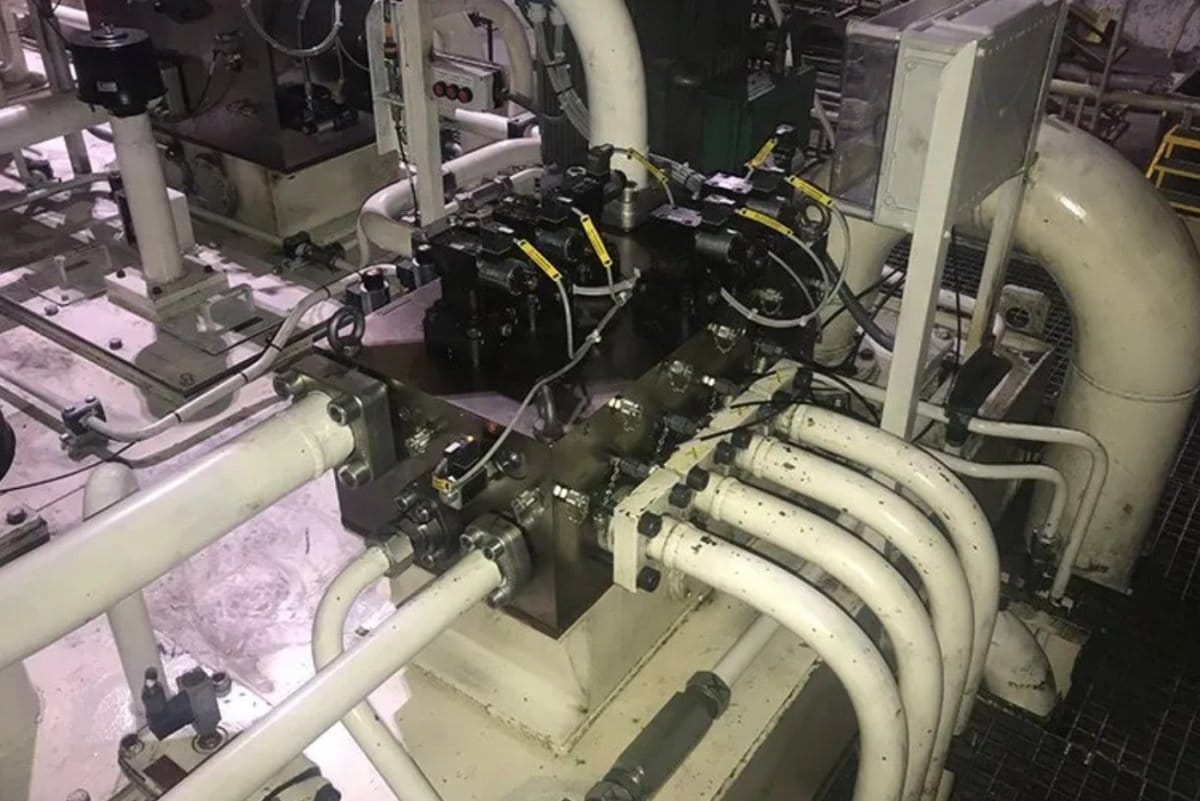
Hydraulic System Flushing Service: The Ultimate Guide to Asset Reliability
Did you know that 80% of hydraulic component failures are directly linked to fluid contamination? In Australia’s heavy industries, this invisible…
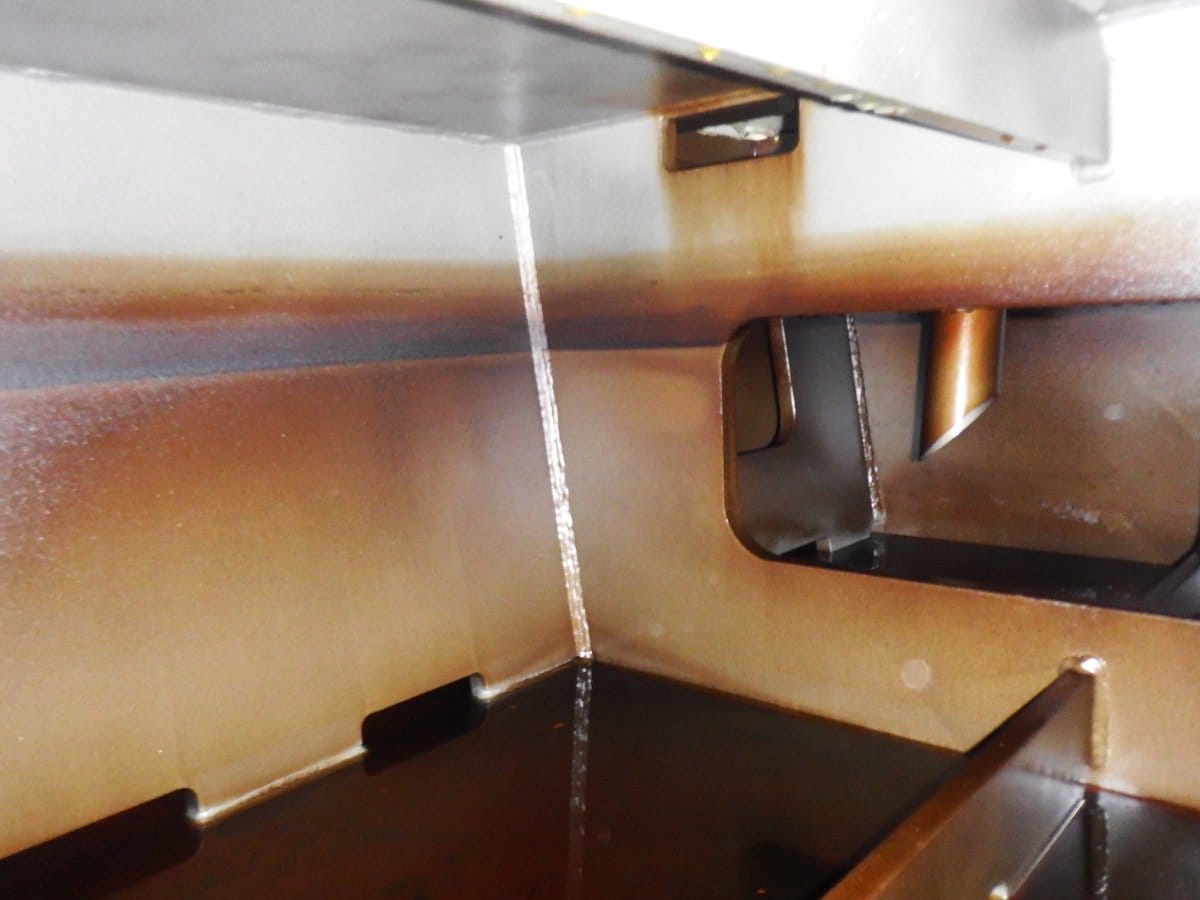
Varnish Mitigation for Turbines: A Comprehensive Technical Guide to System Reliability
Did you know that nearly 40% of unscheduled gas turbine shutdowns in Australian peaking plants are traced back to lubricant degradation? When…
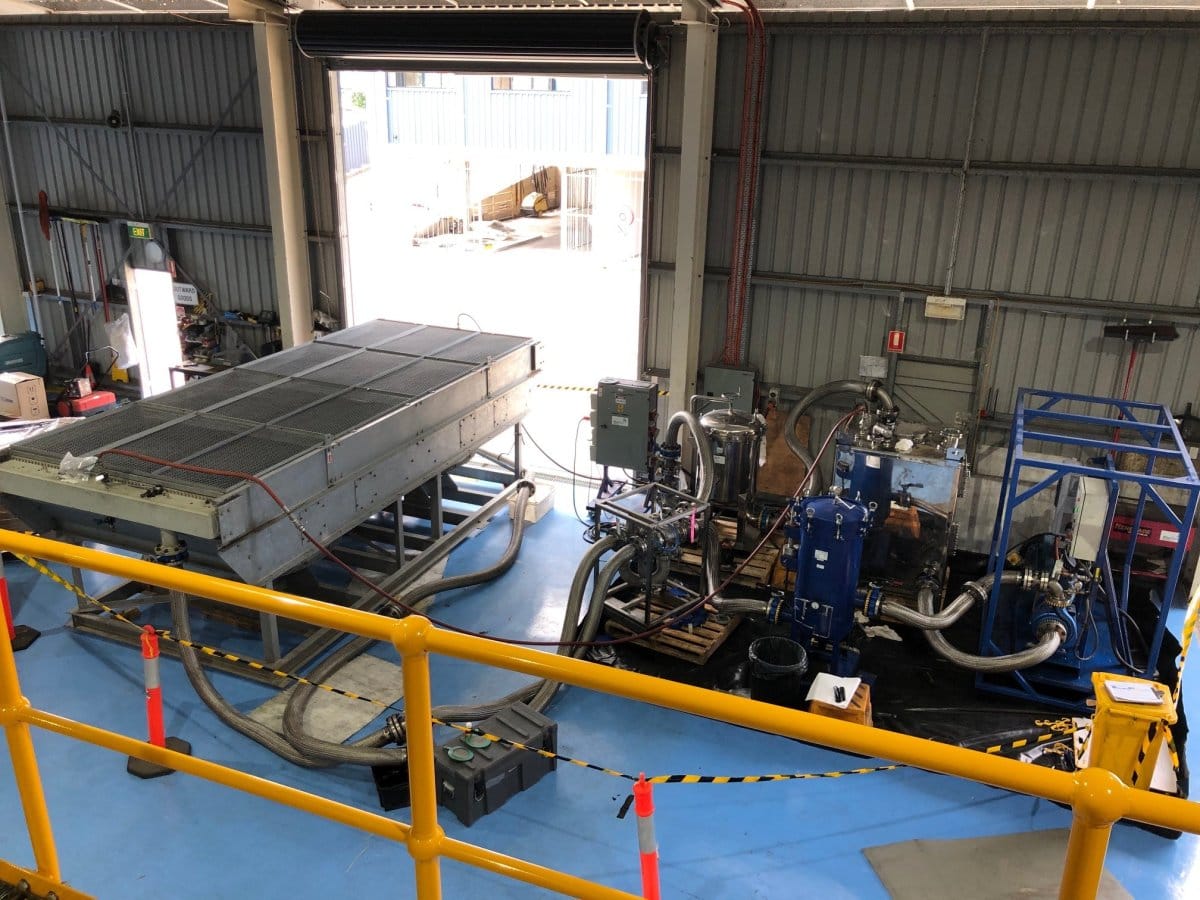
Turbine Lube Oil Flushing Procedure: The Complete Engineering Guide for 2026
A single 5-micron particle is often enough to initiate a chain reaction that costs Australian power plants upwards of A$65,000 per hour in…
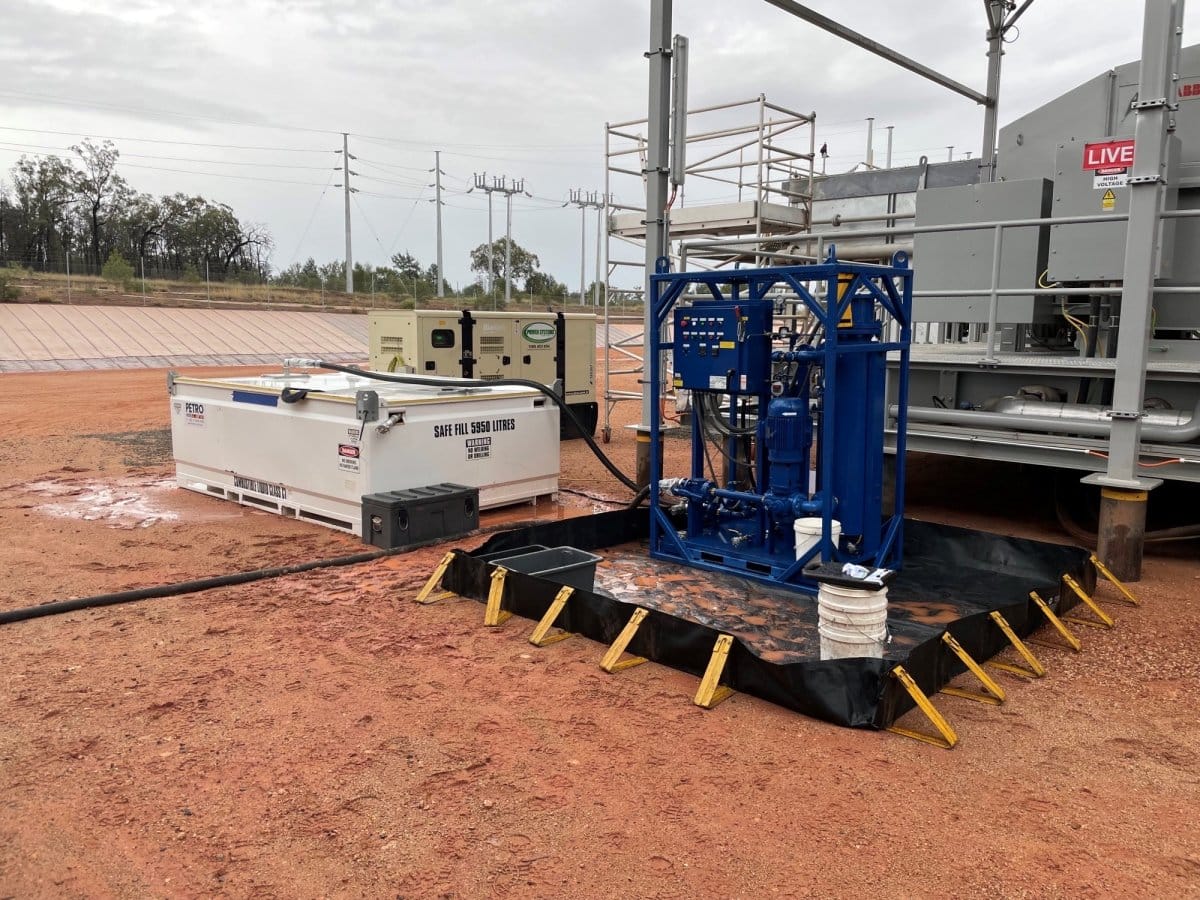
Hot Oil Flushing vs. Chemical Cleaning: Choosing the Right Method for Your Industrial Assets
The most expensive way to clean your hydraulic system isn’t the service fee; it’s the A$2,500 per tonne you’ll pay for hazardous waste disposal and…
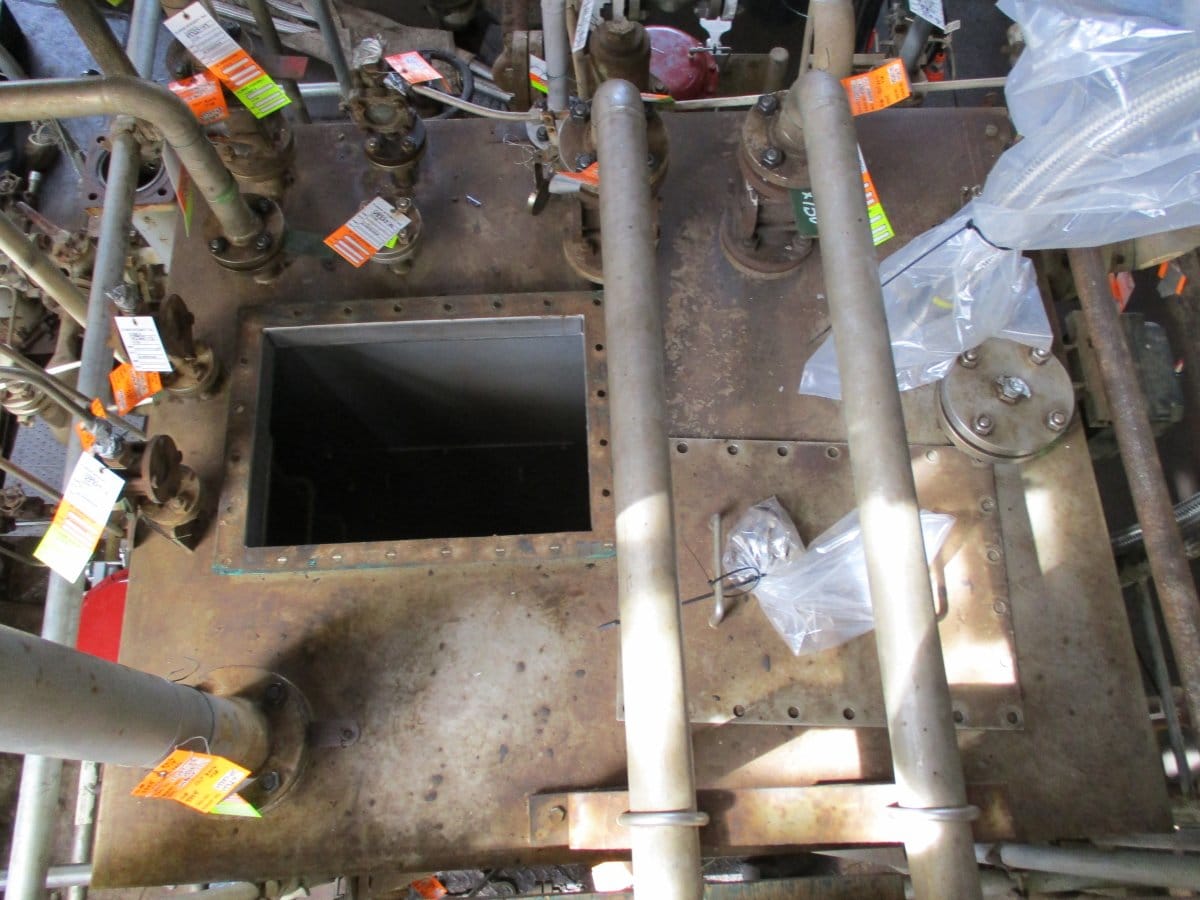
Industrial Tank Cleaning: The Complete Technical Guide for Asset Managers
A single day of unplanned downtime at a major Australian processing facility can cost an asset manager upwards of A$180,000 in lost productivity….
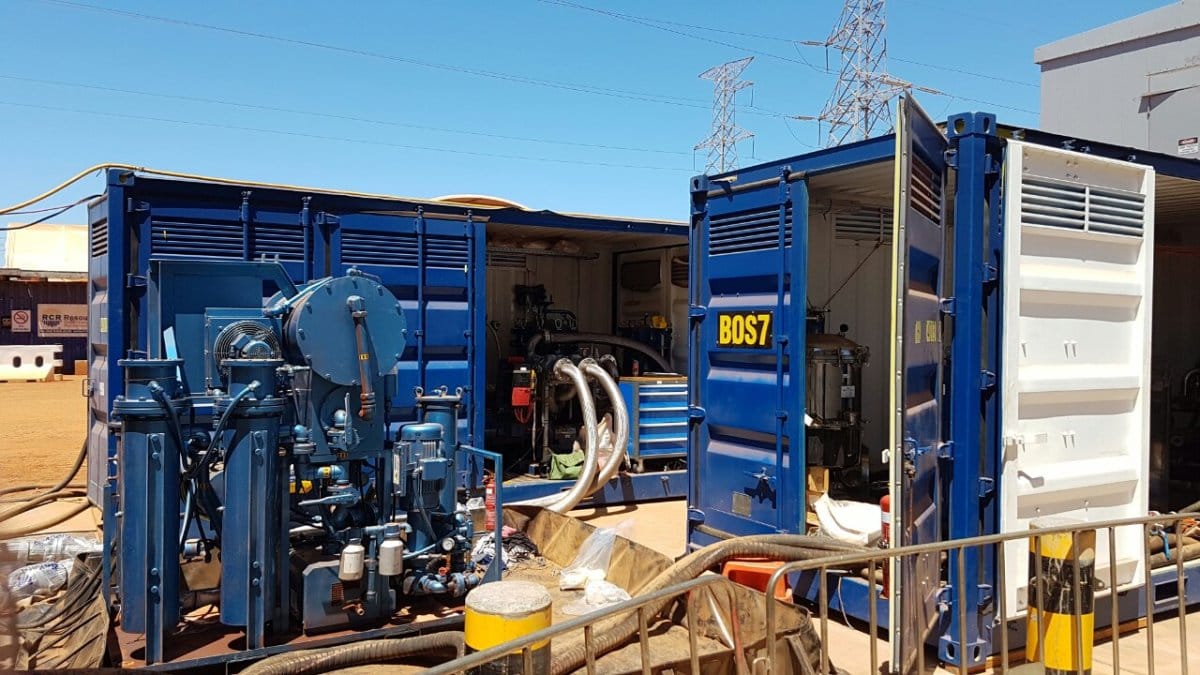
The Ultimate Guide to Hot Oil Flushing for Industrial Systems in 2026
Recent industry reports from 2024 indicate that 75% of hydraulic and lubrication system failures in Australian mining and manufacturing are caused by…
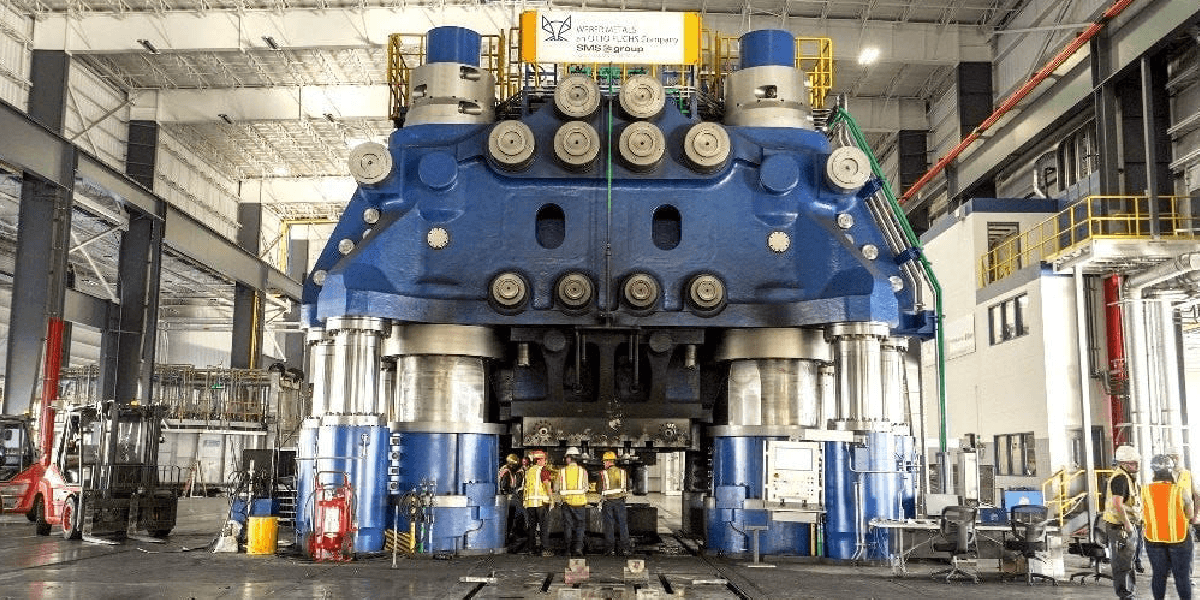
Reclaiming Used Hydraulic Oil with VDOPS
Reclaim used hydraulic oil efficiently with VDOPS to reduce waste, lower disposal costs, save money, and meet OEM cleanliness standards.
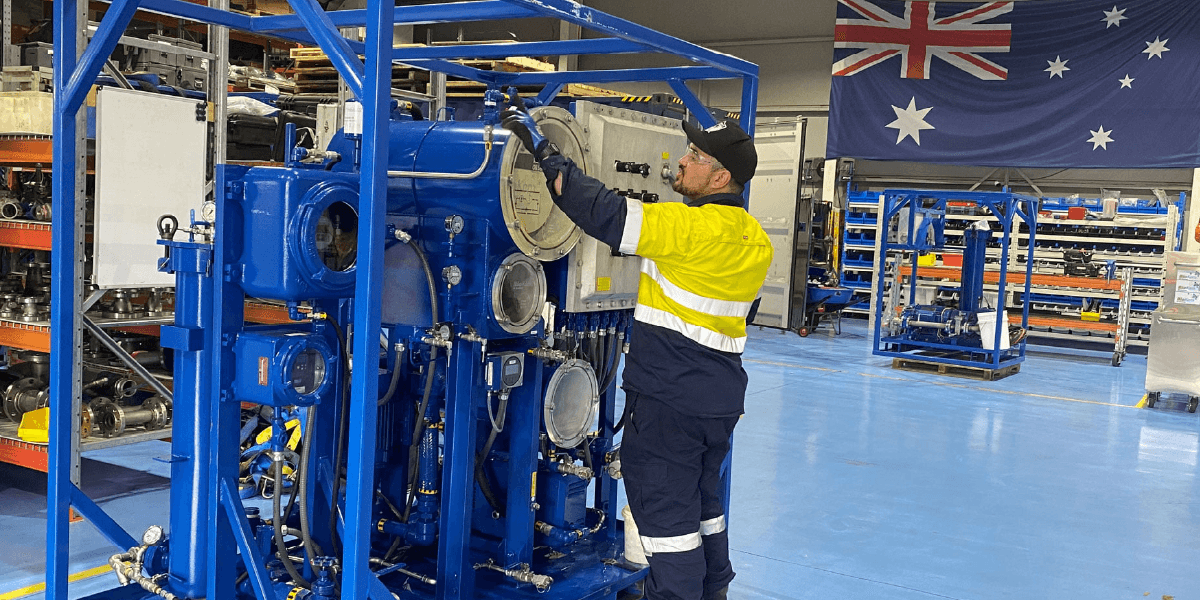
Case Study: Particulate, Water, and Varnish Contamination in Gas Compressor
BioKem tackles gas compressor oil contamination, removing particulates, water, and varnish for improved performance.
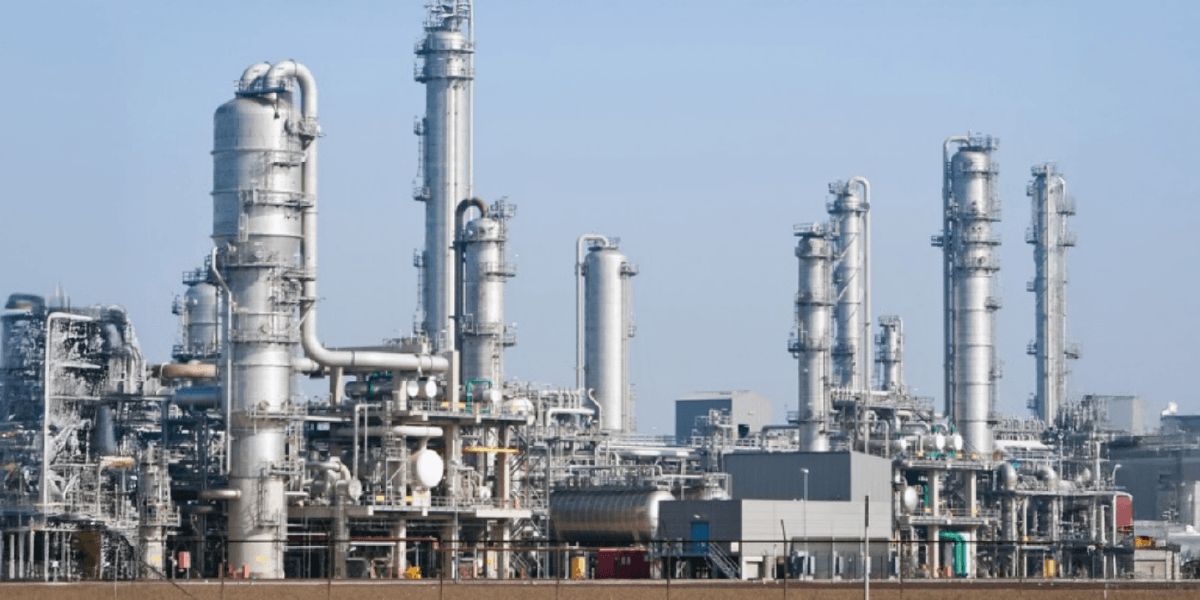
Case Study: Entrained Gas Contamination in Lube Oil System
Introduction
At a major petrochemical facility, a gas compressor’s lube oil system became contaminated with acetylene gas due to a leaking seal. The 3,000L system faced severe risks as light-end hydrocarbon gases – including H₂S, benzene, toluene, and acetylene – lowered the oil’s flashpoint and negatively impacted the viscosity of the ISO VG 32 compressor oil, making it ineffective as a lubricant.
The Problem
Shutting down the compressor to repair the leak would have resulted in major downtime and excessive cost. Instead, plant operators resorted to “sweetening” the oil—adding new oil through the fill port and draining the contaminated oil from the bottom. This ongoing process cost approximately:
-
$67,500 per month in new oil
-
$800,000 annually, excluding labour costs
Despite the effort, the entrained gas contamination in the lube oil system continued to compromise safety and performance.
The BioKem Solution
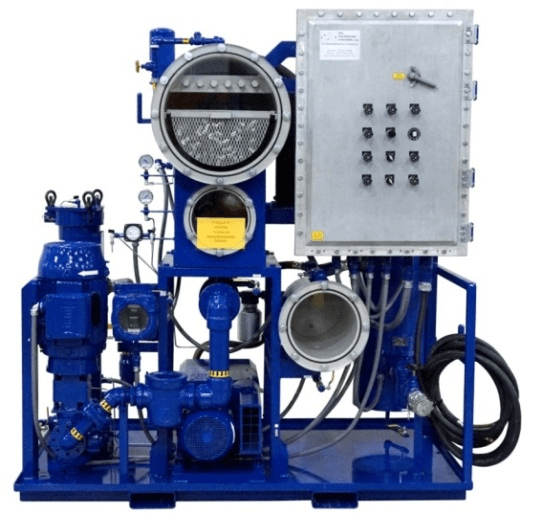
To eliminate the need for continuous oil sweetening, BioKem deployed an 80 LPM Vacuum Dehydration Oil Purification System (VDOPS) in a kidney-loop configuration. This system was:
-
Operated while the compressor was online
-
Installed in a zone-classified area
-
Connected to a flare system for safe gas discharge via vacuum distillation
This continuous re-circulation approach effectively removed entrained gases from the oil without interrupting operations.
Results
The impact of the VDOPS solution was clearly measurable:
Between February and July 2015, the condition of the compressor oil improved significantly. On February 5, the oil’s flashpoint was just 105°C with a viscosity of 20.5 cSt. By May 4, the flashpoint had increased to 145°C and the viscosity to 22.9 cSt. Continued purification led to even better results by July 7, when the flashpoint reached 190°C and viscosity improved to 23.7 cSt, demonstrating a substantial recovery in oil quality.
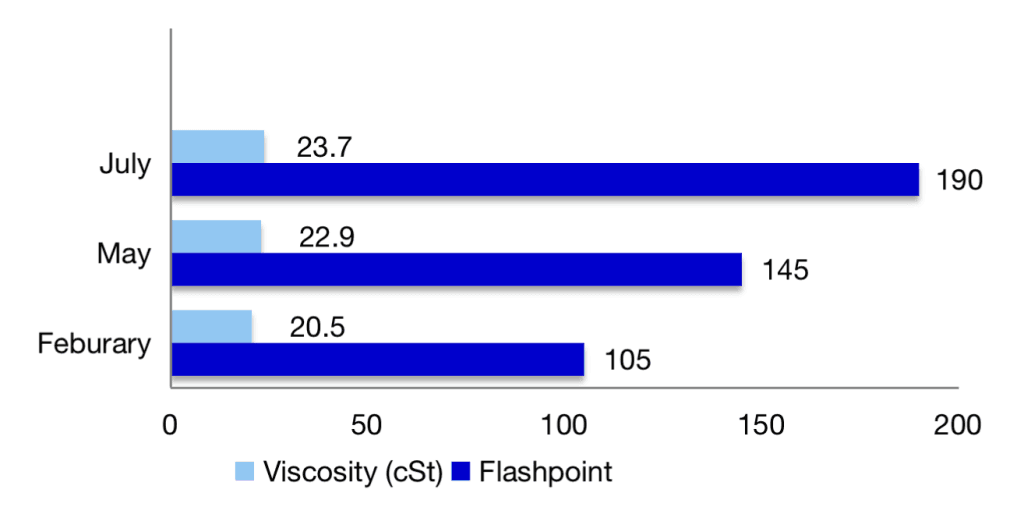 This steady improvement in oil condition not only reduced operational risk but also eliminated the need for costly oil sweetening, resulting in significant long-term savings.
Return on Investment
Thanks to the successful implementation:
-
The plant no longer needed to sweeten the oil, eliminating $800,000 in annual oil costs
-
A new, permanent VDOPS unit was purchased and installed
-
The plant achieved an ROI in under two months, with minimal ongoing consumable costs
Conclusion
BioKem’s VDOPS solution provided a cost-effective, safe, and efficient way to eliminate entrained gas contamination in the gas compressor’s lube oil system—without operational disruption.
If your facility faces similar contamination or maintenance challenges, contact BioKem Oil Services to learn how we can help extend your equipment’s life while saving costs.
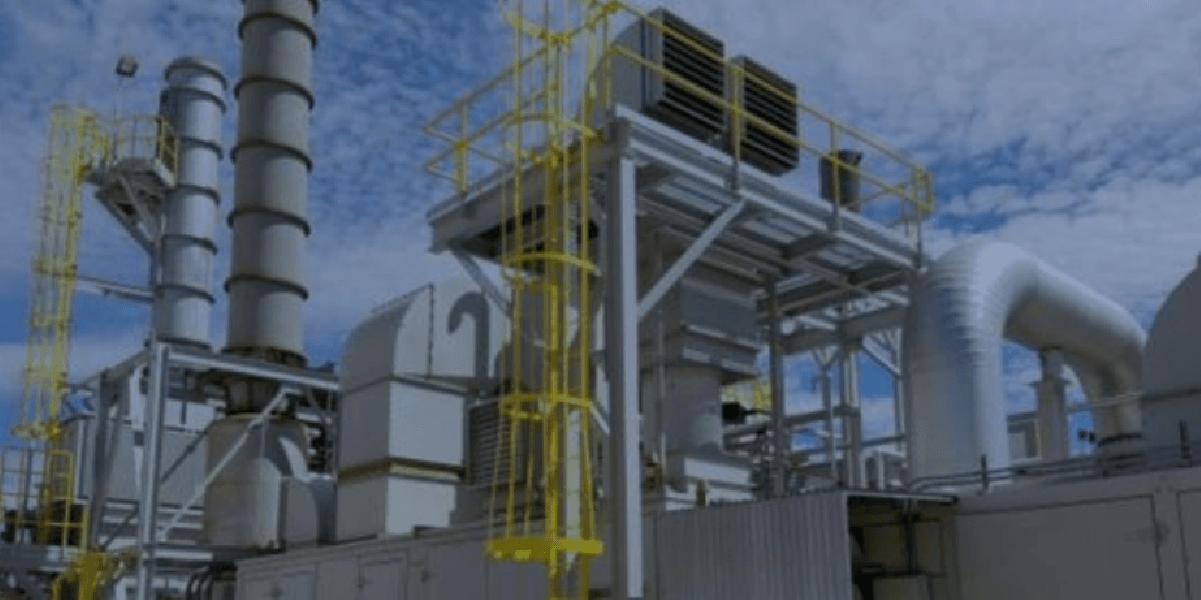
Case Study – Solar Centaur Package Upgrade
BioKem’s hot oil flush lube oil system service restored SOLAR CENTAUR performance and exceeded OEM cleanliness standards.

Confined Space Tank Cleaning
BioKem delivers certified confined space tank cleaning for oil, fuel & hydraulic systems – safe, efficient, and designed to prevent failure.