

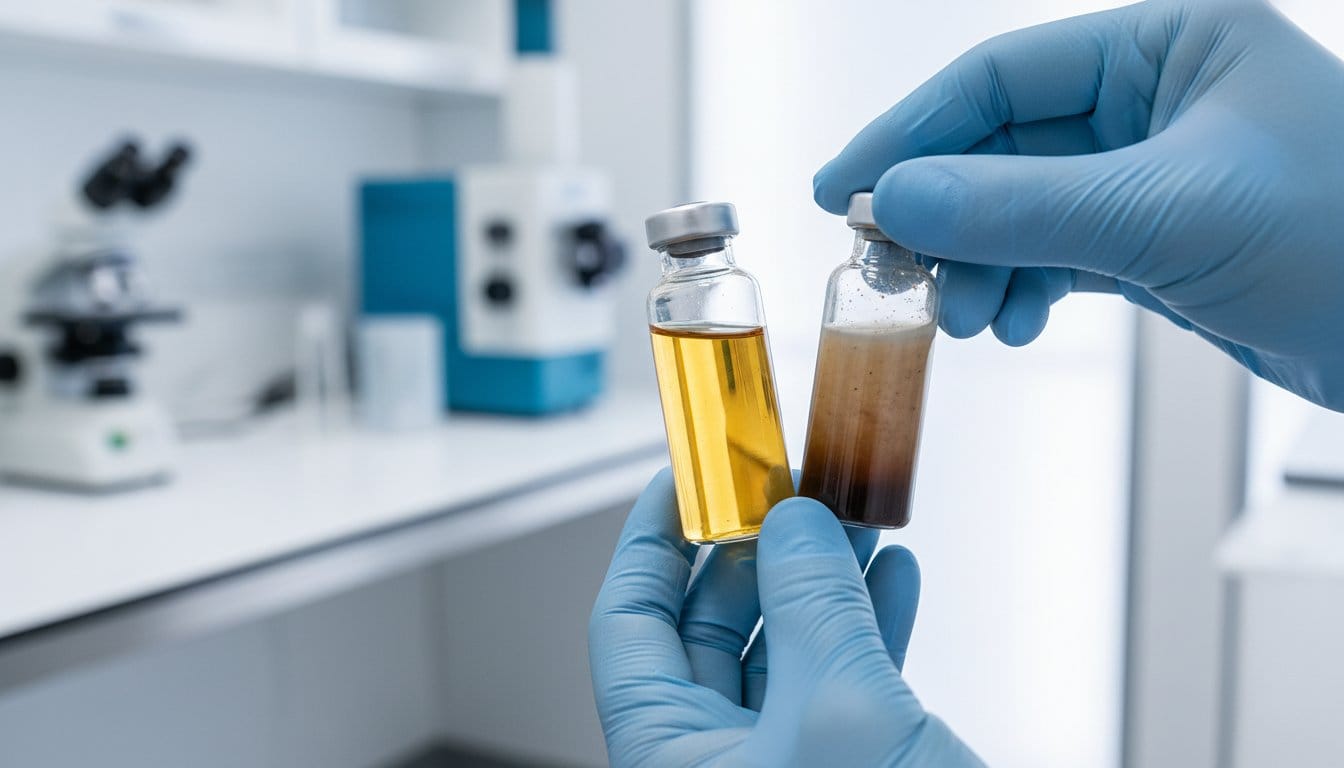
Did you know that 80% of hydraulic system failures in Australian industrial operations are the direct result of poor fluid health? For a typical mining or manufacturing site, this oversight translates into unscheduled downtime costs often exceeding A$15,000 per hour. You likely already understand that maintaining fluid purity is the backbone of operational reliability, yet deciphering the subtle signs of contaminated hydraulic oil remains a significant challenge for many maintenance teams.
We’re here to bridge that gap by providing a technical roadmap to asset longevity. You’ll learn to identify the sensory, mechanical, and chemical red flags that signal trouble before your pumps and valves suffer permanent damage. This guide outlines how to interpret oil analysis reports through the lens of Australian regulatory standards and when to choose high efficiency purification over costly oil replacement. By the end, you’ll have a clear strategy to extend the life of your critical hydraulic assets while maintaining strict environmental compliance and operational efficiency.
Key Takeaways
- Recognise why 80% of industrial hydraulic failures are contamination-related and how proactive monitoring prevents catastrophic asset damage in Australian environments.
- Identify the immediate signs of contaminated hydraulic oil using sensory diagnostics, including visual fluid changes and the characteristic auditory warnings of aeration and cavitation.
- Master the technical benchmarks of fluid health, such as ISO 4406 cleanliness codes and the subtle formation of varnish that leads to sudden mechanical failure.
- Implement high-integrity sampling protocols in “live zones” to ensure your oil analysis data is accurate, avoiding the common pitfalls of false positive reports.
- Transition from temporary “band-aid” fixes to comprehensive remediation strategies like hot oil flushing to maintain peak operational efficiency and long-term asset integrity.
Understanding Hydraulic Oil Contamination in Industrial Assets
Hydraulic oil contamination is defined as any foreign substance within a fluid system that impairs its intended function or degrades its physical properties. Industry data from Noria Corporation indicates that 80% of all hydraulic system failures stem directly from fluid contamination. This statistic has earned contamination the reputation of being the “silent killer” of industrial machinery. It operates beneath the surface, gradually eroding high-tolerance components until a catastrophic breakdown occurs. Identifying the early signs of contaminated hydraulic oil is the only way to move from reactive repairs to a proactive maintenance model that preserves asset life.
Contaminants generally fall into three distinct categories that compromise system integrity:
- Particulate Contamination: Hard particles like dirt, silica, and metal shavings from internal wear. These act as grinding paste, scouring the surfaces of valves and pumps.
- Chemical Contamination: This includes oxidation and the formation of varnish. When oil reacts with oxygen at high temperatures, it creates sludge that sticks to internal surfaces.
- Aeration: Air bubbles trapped in the fluid reduce the bulk modulus, leading to spongy controls and cavitation damage in pumps.
The Australian climate presents a harsh environment for industrial assets. In regions like the Pilbara or the Bowen Basin, ambient temperatures frequently exceed 45°C during summer months. This extreme heat accelerates the rate of oil oxidation, effectively doubling the degradation rate for every 10°C increase above 65°C. High humidity in tropical Queensland also introduces moisture ingress. Water reduces the lubricating film strength and promotes microbial growth, which can lead to rapid acid formation and metal corrosion.
The Role of Hydraulic Fluid in Modern Systems
Modern industrial machinery relies on Hydraulic fluid to perform four critical functions. First, it transmits power through the physics of incompressibility, allowing for precise control of heavy loads. Second, it provides a vital lubrication barrier for internal components where clearances are often smaller than 5 microns. Third, it acts as a sealant in pumps and motors to prevent internal leakage. Finally, it serves as a thermal management tool, transporting heat away from friction points to the reservoir for dissipation. When you notice signs of contaminated hydraulic oil, these four functions are immediately compromised, putting the entire asset at risk.
Economic Impact of Ignoring Contamination Signs
Neglecting fluid health has a direct and measurable impact on the bottom line. In the Australian mining sector, the cost of unscheduled downtime for a primary excavator can reach A$35,000 per hour in lost production. A 2023 analysis of manufacturing maintenance budgets showed that proactive purification and flushing services typically cost less than 12% of the price of a total component overhaul. Beyond the hardware, Australian operators face strict environmental liability. The Protection of the Environment Operations (POEO) Act mandates rigorous waste oil disposal protocols. Improperly managed oil that has been allowed to degrade beyond recovery increases disposal volumes and associated costs, whereas scientific purification extends the lifecycle of the fluid and reduces the ecological footprint of the operation.
The 4 Critical Sensory Signs of Hydraulic Fluid Failure
Operators often serve as the most effective diagnostic tools on an Australian worksite. By engaging sight, sound, smell, and touch, you can identify early signs of contaminated hydraulic oil before a total system breakdown occurs. Neglecting these sensory cues leads to unplanned downtime that costs local industrial operations an average of A$3,500 per hour in lost productivity. Monitoring these four pillars ensures the system remains efficient and environmentally compliant.
Visual Inspection: What the Color Tells You
A change in fluid appearance is the most immediate indicator of trouble. Fresh hydraulic oil is typically clear and amber. If the oil takes on a milky or cloudy appearance, it’s a definitive sign of water ingress. This occurs when water concentration exceeds the saturation point, often around 500 parts per million (ppm) in mineral-based oils. Water reduces lubricity and promotes the growth of microbes that can clog sensitive 10-micron filters.
Darkening or “tea-colored” oil points toward oxidation and thermal distress. This chemical reaction happens when the fluid is exposed to oxygen at high temperatures, typically above 60°C. For every 10°C increase beyond this limit, the rate of oxidation doubles. To confirm the severity, technicians use a “Patch Test.” This field tool involves passing a 25ml sample through a specialized filter membrane. By comparing the residue against a visual chart, you can quantify the particulate load without waiting for a laboratory report. Detailed hydraulic oil analysis remains the gold standard for detecting dissolved water and microscopic wear metals that the naked eye misses.
Mechanical Symptoms: How the Machine “Acts Out”
When hydraulic fluid fails, the machine’s physical behavior shifts. Sluggish operation is a primary symptom. If cycle times for an excavator arm increase by 12% over a single shift, the fluid’s viscosity has likely dropped or the pump is losing efficiency due to internal leakage. This lack of responsiveness forces the engine to work harder, increasing fuel consumption and carbon emissions. It’s a clear indicator that the fluid’s structural integrity is compromised.
Erratic or “jerky” movement usually stems from air entrainment or valve sticking. Air in the system makes the fluid compressible, which destroys the precision required for fine tasks. This often manifests as a high-pitched metallic whine, known as cavitation, or a “knocking” sound indicating aeration. These sounds aren’t just annoying; they represent the physical destruction of metal surfaces within the pump. Tiny air bubbles implode under pressure, sandblasting the internal components.
Increased operating temperatures create a dangerous feedback loop. As signs of contaminated hydraulic oil manifest, friction increases. This friction generates more heat, which thins the oil further and accelerates the degradation of seals. In the harsh Australian climate, where ambient temperatures can exceed 40°C, maintaining a stable thermal profile is vital. If your reservoir feels excessively hot to the touch or exceeds 82°C, the system is likely suffering from internal bypass. Implementing proactive fluid conditioning can stabilise these temperatures and extend the life of your equipment.
Olfactory red flags are equally telling. A distinct “burnt” smell suggests the oil has reached its flash point or suffered a severe chemical breakdown. This odor is often the result of nitrogen and sulfur compounds reacting under extreme pressure. Once you smell it, the fluid’s additive package is usually exhausted, and a full flush is required to protect the system’s longevity.
Beyond the Naked Eye: Technical Indicators of Oil Degradation
Visual inspections offer a baseline for maintenance, yet the most damaging signs of contaminated hydraulic oil often exist at a microscopic level. Relying solely on the “bright and clear” test is a gamble that overlooks 90% of potential failure points. Laboratory analysis reveals the chemical and particulate shifts that precede catastrophic mechanical breakdowns. In Australia’s demanding industrial environments, identifying these technical indicators is the difference between a scheduled flush and a A$25,000 unplanned overhaul.
Varnish and Sludge: The Invisible Contaminants
Varnish represents a unique “soft” contaminant threat. It begins as sub-micron oxidation products that remain in solution while the oil is hot. Standard 10-micron or even 3-micron filters fail to capture these precursors because they’re simply too small. As the system cools or experiences pressure drops, these particles precipitate out, coating internal surfaces with a sticky, tea-coloured film. This residue acts as an insulator on heat exchangers, reducing cooler inefficiency by as much as 30% in high-cycle applications.
You’ll notice the physical impact when solenoid valves start to stick or “stutter” during operation. This happens because the varnish increases friction on the valve spools. For critical infrastructure, such as power generation turbines or large scale manufacturing plants, implementing varnish removal systems is essential to prevent these deposits from hardening into permanent lacquer. Left untreated, this sludge accumulates in dead zones of the reservoir, creating a breeding ground for further chemical degradation.
Interpreting ISO 4406 Codes for Maintenance Planning
The industry standard for quantifying particulate matter is the ISO 4406:99 cleanliness code. This three-number system represents the quantity of particles larger than 4, 6, and 14 microns per millilitre of fluid. For example, a reading of 18/16/13 indicates a specific concentration range for each size tier. High-pressure systems operating above 210 bar typically require a much stricter target, often 16/14/11, to protect sensitive servo-valves from silt-sized particles. An upward shift in ISO codes provides a quantifiable trajectory of wear that is far more scientifically reliable than subjective observations of oil color.
Adhering to NFPA 1911 maintenance standards ensures that these fluid inspections occur at regular intervals, providing the data necessary to justify a full system flush. When a code jumps two levels, it represents a doubling of the contaminant mass, signaling that the oil’s additive package is likely exhausted.
Chemical Breakdown and the “Green” Threat
Chemical stability is measured through the Acid Number (AN). As hydraulic oil oxidises, it produces acidic byproducts that corrode yellow metal components like brass bushings and bronze pump plates. A rise in AN of 0.5 mg KOH/g over the starting baseline is a definitive sign that the fluid has reached its end of life. At this stage, the oil’s molecular structure is failing, and it can no longer provide the necessary film strength to prevent metal-on-metal contact.
In Australia’s humid coastal regions, microbial contamination presents a specific challenge for those utilizing biodegradable, eco-friendly hydraulic fluids. These “green” oils can act as a carbon food source for bacteria and fungi if water ingress occurs. This biomass creates a thick, jelly-like substance that chokes suction strainers and causes rapid pump cavitation. Detecting a foul, sulfurous odour or seeing “stringy” deposits in the reservoir are clear signs of contaminated hydraulic oil that requires immediate bioremediation or a comprehensive system flush to restore operational health.
Establishing a Proactive Oil Analysis and Sampling Protocol
Effective maintenance starts with data. You can’t manage what you don’t measure. Identifying the signs of contaminated hydraulic oil requires more than a visual check; it demands a disciplined sampling protocol that eliminates guesswork. A single pump failure on a Tier 1 Australian mining site can cost upwards of A$50,000 in lost production per hour, making proactive analysis a financial necessity rather than an optional extra.
First, you must select high-integrity sampling points. Avoid taking samples from the bottom of the reservoir where sediment naturally settles. These areas act as settling tanks and provide “false positives” that don’t reflect the oil currently circulating through your valves and actuators. Instead, install sampling valves in “live zones” such as the return line or downstream of the pump. This ensures the fluid captured is representative of the system’s actual operating state.
Second, prioritising tool cleanliness is vital. Even a microscopic amount of dust on a sampling bottle can skew results by two ISO cleanliness codes. Always use pre-cleaned, laboratory-certified bottles and keep them sealed until the exact moment of sampling. Third, determine your testing frequency based on asset criticality. For high-pressure systems operating 24/7 in dusty Australian environments, monthly testing is the industry benchmark. For less critical backup systems, quarterly intervals are usually sufficient.
Fourth, integrate laboratory-grade ferrography into your routine. While standard particle counters tell you how many particles are present, ferrography tells you what they are. This allows you to distinguish between benign external dust and catastrophic internal component wear, such as bronze from a failing pump bushing.
Effective Oil Sampling Techniques
Accuracy depends on the “flush before you sample” rule. You should always drain at least 500ml of fluid from the sampling valve before capturing the actual test specimen to clear stagnant debris. For immediate results, many Australian operators use patch test kits to screen for large contaminants onsite. Always document the date, fluid temperature, and machine hours at the time of the draw. These variables are essential for trending data and identifying the early signs of contaminated hydraulic oil before they escalate into system-wide failures.
Advanced Diagnostics: Ferrogram and Particle Pal
When standard analysis shows elevated metal counts, use filter ferrogram services to identify the specific type of wear, such as cutting, sliding, or fatigue wear. For those needing instant data without waiting for courier times, the Particle Pal range provides real-time ISO cleanliness ratings and water content levels. While laboratory analysis offers 99.9% precision for regulatory compliance, onsite monitoring gives your team the speed to prevent a pump failure before the end of a shift. This dual approach balances scientific depth with operational agility.
Mastering these advanced diagnostic techniques often requires specialized training and equipment. For teams in the Asia-Pacific region looking to build these capabilities, providers like K-Tech Auto Solution offer a range of automotive technology and training that can be foundational for any advanced fluid analysis program.
Is your fluid analysis showing critical contamination levels? Contact Biokem for a professional oil analysis consultation to protect your high-value assets.
Remediation Strategies: From Hot Oil Flushing to Varnish Mitigation
Treating a fluid change as a total solution for system failure is a common mistake. When maintenance teams identify the signs of contaminated hydraulic oil, their first instinct is often to drain and refill the reservoir. This approach is merely a band-aid. Up to 15% of the old, degraded fluid remains trapped in dead legs, cylinders, and valve blocks. Even worse, the physical contaminants and varnish films adhering to the internal pipe walls stay behind. Once the new oil is introduced, the existing varnish acts as a catalyst for oxidation, rapidly degrading the fresh charge and leading to a repeat of the original issues within weeks.
Effective remediation requires a mechanical intervention. Hot oil flushing stands as the industrial benchmark for restoring system integrity. Unlike a standard oil circulation, this process uses high-velocity, turbulent flow to physically scrub the internal surfaces of the circuit. BioKem technicians ensure the Reynolds number exceeds 4,000 during the flush; this level of turbulence is essential to lift settled particulates and shear away sticky varnish layers. By circulating oil at elevated temperatures through high-efficiency filtration loops, we capture microscopic debris that standard onboard filters miss, ensuring the system meets or exceeds ISO 4406 cleanliness standards.
Water contamination requires a different technical path. While free water can be drained, dissolved and emulsified water requires vacuum dehydration. This process lowers the boiling point of water within the oil, allowing moisture to be removed as vapor without overheating the lubricant. Removing moisture to levels below 100 ppm prevents the chemical hydrolysis of additives and protects components from hydrogen embrittlement. BioKem’s onsite interventions combine these technologies to provide a bespoke recovery plan tailored to the specific contamination profile of your assets.
When to Schedule a Hot Oil Flush
New system commissioning is the most critical time for a flush. Construction debris, such as welding slag and metal shavings, often hide in new pipework. You should also trigger a flush after any major component failure or overhaul to prevent “seed” contaminants from ruining new parts. If 75% of your hydraulic failures are occurring in low-flow areas of the circuit, it’s a clear signal that particulates have settled and require turbulent removal. You can explore our specialized hot oil flushing and filtering services to see how we manage these complex requirements onsite.
Sustainable Oil Management with BioKem
Modern industrial strategy focuses on oil purification rather than disposal. Disposing of 5,000 litres of hydraulic fluid can cost an Australian operation upwards of A$7,500 in waste levies and replacement costs, not including the environmental footprint. By utilizing high-performance Filters S.p.A. products, we extend the service life of your lubricants indefinitely. This circular approach reduces carbon emissions and ensures compliance with Australian environmental regulations while maintaining peak machine reliability. If you’ve observed the signs of contaminated hydraulic oil in your machinery, don’t settle for a temporary fix. Contact BioKem for a comprehensive oil health audit to implement a permanent, sustainable solution for your fleet.
Securing Asset Longevity through Proactive Fluid Management
Recognizing the signs of contaminated hydraulic oil is the first step in preventing the 80% of hydraulic system failures caused by fluid degradation. Whether you’re noticing milky emulsification or the pungent scent of oxidation, these indicators signal a need for immediate intervention. Maintaining ISO 4406 cleanliness standards isn’t just about compliance; it’s about protecting your bottom line from the A$10,000 per hour costs often associated with unplanned turbine downtime. Effective management requires moving beyond visual checks to embrace technical indicators like membrane patch colorimetry and particle counting.
Biokem provides the technical expertise required for high-criticality turbine and hydraulic systems across the country. As the authorized Australian distributor for Filters S.p.A., we deliver precision remediation strategies ranging from varnish mitigation to comprehensive hot oil flushing. Our teams manage onsite technical deployment across all Australian states to ensure your operations meet local environmental and safety regulations while maximizing asset life. You don’t have to navigate complex fluid chemistry alone when expert support is available locally.
Request an Onsite Oil Analysis and System Audit to optimize your asset health today. Your machinery deserves a sustainable, high-performance future.
Frequently Asked Questions
Can I tell if hydraulic oil is bad just by looking at it?
Visual inspection identifies roughly 20% of obvious issues like heavy aeration or dark oxidation, but it can’t detect microscopic silt. You won’t see 5-micron particles that cause 75% of component wear with the naked eye. Professional laboratory analysis is the only reliable method to confirm the chemical health and cleanliness of your fluid.
What does milky hydraulic oil indicate?
Milky oil indicates water contamination that has exceeded the saturation point, typically between 100 and 500 ppm. This free water reduces lubricity and promotes microbial growth within the reservoir. It’s one of the most visible signs of contaminated hydraulic oil and requires immediate dehydration or a system flush to prevent pump cavitation.
How often should I perform hydraulic oil analysis in Australia?
Critical industrial systems in Australia should undergo sampling every 500 to 1,000 operating hours to maintain compliance with AS 4036 standards. For high-intensity mining or construction equipment, monthly checks are the established benchmark. Regular testing prevents unexpected downtime that costs local businesses an average of A$5,000 per hour in lost productivity.
What is the difference between oil filtration and oil flushing?
Filtration removes suspended particles from the oil during normal operation, whereas flushing uses high-velocity turbulent flow to scrub internal pipe surfaces. Flushing targets the 80% of contaminants that settle in system dead zones or stick to walls. It’s a specialized maintenance process that restores the entire circuit to its original ISO cleanliness specifications.
Why is my hydraulic system running hot even with new oil?
Excessive heat often stems from varnish buildup on heat exchanger surfaces, which reduces thermal transfer efficiency by up to 30%. If you didn’t flush the system during the last oil change, old sludge remains trapped in the lines. This creates flow restrictions that force the pump to work harder, generating heat despite the fresh fluid.
What are the most common contaminants found in hydraulic systems?
Particulates like silica, metal wear shavings, and water are the most frequent contaminants found in industrial circuits. In 80% of cases, these pollutants enter through degraded seals or poor-quality breather caps. These substances accelerate the oxidation of hydrocarbons, leading to acidic byproducts that damage sensitive servo valves and actuators.
Is it possible to remove varnish without changing the oil?
You can remove varnish using specialized kidney-loop systems equipped with polar-attraction filtration technology. This process cleans the oil and the internal metal surfaces simultaneously by stripping sub-micron precursors from the fluid. It’s a sustainable, nature-based approach that extends fluid life by 200%, significantly reducing the environmental footprint of your maintenance.
What ISO 4406 code is considered “clean” for industrial hydraulics?
An ISO 4406 rating of 16/14/11 is the standard for “clean” in high-pressure systems operating above 210 bar. For less sensitive machinery, a code of 18/16/13 is usually acceptable. Maintaining these specific cleanliness targets can increase the lifespan of your hydraulic components by 400% compared to running with dirty oil at 21/19/16 levels.
Absolutely. High humidity has wide-ranging effects, impacting everything from food storage to personal comfort. For example, many gourmet products, especially those from Mediterranean climates like premium olive oils and vinegars, are best preserved in controlled environments. For those interested in exploring such culinary items, you can check out Oil & Vinegar to see a curated selection.