

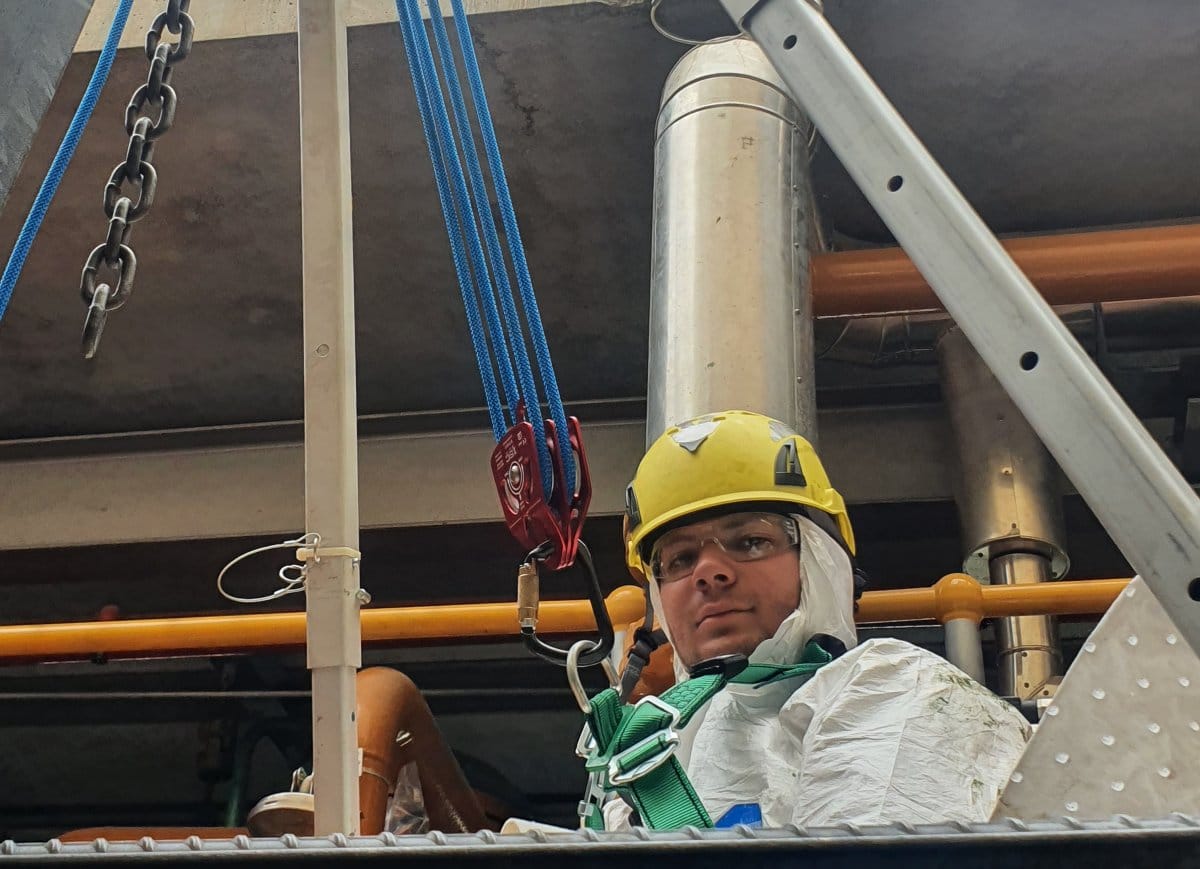
SafeWork Australia reports indicate that atmospheric hazards in restricted zones account for nearly 15% of industrial fatalities annually. You likely recognize the tension between strict AS 2865 protocols and the constant pressure to minimize downtime during critical asset inspections. It’s frustrating when complex paperwork stalls a project; yet, the risk of a workplace accident or a substantial legal liability makes shortcuts impossible. Balancing these priorities requires more than just a checklist; it demands a deep understanding of how technical safety intersects with operational reality.
We’ve designed this guide to help you master the 2026 confined space entry requirements with absolute precision. You’ll learn how to align your safety management systems with the latest WHS legislation to ensure a zero-harm workplace for your crew. We’ll explore the integration of microbial cleaning solutions that reduce hydrocarbon risks and the specific steps required to maintain 100% compliance during your next industrial maintenance cycle. This technical overview provides the clarity needed to protect your assets and your people without sacrificing efficiency.
Key Takeaways
- Learn to apply the three-part legal test under AS 2865:2009 to correctly identify confined spaces based on atmospheric risks and engulfment hazards rather than physical dimensions.
- Master the essential 2026 confined space entry requirements mandated by Australian WHS regulations, including the hierarchy of control and mandatory risk assessments.
- Identify critical safety protocols for oil-wetted environments, specifically managing hydrocarbon off-gassing and toxic residues released when disturbing varnish or sludge.
- Discover how BioKem Oil Services’ advanced high-flow filtration and hot oil flushing technologies significantly reduce the need for manual tank entry, enhancing both safety and efficiency.
- Establish a robust compliance framework through site-specific entry permits and competent supervision to ensure total adherence to Australian industrial safety standards.
Defining Confined Spaces under AS 2865:2009 and WHS Regulations
For plant managers, misidentifying a work area leads to catastrophic safety failures. A confined space isn’t defined by its physical dimensions alone. It’s defined by the presence of specific hazards. Under the Work Health and Safety (WHS) Regulations 2011, a space must meet a three-part criteria. It must be enclosed or partially enclosed. It must not be intended for human occupancy. Finally, it must pose a risk from oxygen deficiency, contaminants, or engulfment. Defining Confined Spaces requires looking beyond the walls to the atmospheric stability within.
Industrial facilities rely on infrastructure that inherently creates these risks. You’ll find these conditions in oil tanks, pressure vessels, turbine housings, and large hydraulic reservoirs. In 2024, SafeWork Australia reported that 28 workers died in confined space incidents over a ten-year period. This data reinforces why the 2026 regulatory environment demands stricter adherence to the Model Code of Practice. Compliance isn’t a suggestion. It’s a mandatory safeguard against microbial gas buildup or hydrocarbon vapors that can turn a routine inspection into a fatality.
The three-part test serves as the legal threshold for classification. First, the space is enclosed or partially enclosed. Second, the area isn’t designed for workers to stay in. Third, it contains a specific hazard like a harmful atmosphere or a risk of engulfment by solids like grain or liquids like sludge. If a vessel meets all three, you must follow strict confined space entry requirements. Managing these environments requires a shift from chemical-heavy cleaning to safer, nature-based alternatives that reduce the hazard at the source.
The Legal Difference Between a Restricted Space and a Confined Space
Many managers confuse restricted spaces with confined ones. A restricted space might have difficult access or limited volume, but it lacks the atmospheric or engulfment hazards that trigger confined space entry requirements. You don’t need a formal permit for every tight crawl space. You do need them when the space is “an enclosed or partially enclosed space that is not intended or designed primarily as a workplace, is at atmospheric pressure during occupancy and has restricted means for entry and exit, and is liable to be a risk to health and safety from specified hazards,” according to AS 2865:2009.
- Restricted Spaces: Require basic safety protocols but no entry permit.
- Confined Spaces: Mandate a written permit, a standby person, and atmospheric testing.
- Volume: Physical size does not determine the legal status.
Duty Holders and Their Legal Responsibilities
The Person Conducting a Business or Undertaking (PCBU) holds the primary duty of care. This responsibility extends to designers and manufacturers. They must eliminate the need for entry during the design phase. If entry’s unavoidable, they must minimize risks. Under the Australian WHS Act, failing these duties carries heavy penalties. Category 1 breaches can result in fines exceeding A$3.8 million for corporations and potential jail time for individuals. Biokem advocates for biological solutions to reduce these risks, but legal compliance remains the foundation of every site’s safety culture. Designers must provide clear documentation on how to maintain equipment without entering the hazard zone.
Local regulators are increasing site audits in 2025 to ensure plant managers maintain up-to-date entry permits. Non-compliance often stems from outdated risk assessments that ignore shifting environmental factors like microbial growth in stagnant tanks. Staying compliant means reviewing your register every 12 months or whenever the process changes.
The Core Requirements for Legal Confined Space Entry
Compliance begins with the hierarchy of control. Australian law requires plant managers to eliminate the risk where possible. This means you must prove the work cannot be performed from the outside before any person crosses the threshold. If a task like sludge removal can be achieved through remote biological treatment or external high-pressure water jetting, entry shouldn’t occur. When entry is unavoidable, the confined space entry requirements dictate a rigorous, task-specific written risk assessment. This document identifies hazards like biological contaminants, structural integrity issues, or the presence of hydrocarbons. It’s a technical roadmap that must be updated if the scope of work changes even slightly.
Every individual involved, from the entrant to the standby person and the supervisor, must hold current competency credentials. In Australia, this typically involves training aligned with RIIWHS202E or similar national standards. Competency isn’t a one-time achievement; it requires regular refreshers to ensure safety protocols remain sharp. You’re responsible for verifying these records before work begins. This level of oversight is a core component of the Model Code of Practice for Confined Spaces, which serves as the primary regulatory guide for Australian industrial sites.
The Entry Permit serves as the final gateway. It’s not a “tick-and-flick” checklist to be filed away and forgotten. It acts as a live safety document that records authorized entrants, communication methods, and specific environmental conditions at the exact time of entry. If a worker leaves the space for a break, the permit must be re-validated before they return. This ensures that the confined space entry requirements are met continuously, rather than just at the start of the shift. A permit is only valid for the duration of the specific task and must be cancelled once the work is completed or if an emergency occurs.
Atmospheric Testing and Monitoring Protocols
Atmospheric hazards are often invisible, making precise testing vital. Oxygen levels must stay within the safe zone of 19.5% to 23.5%. Levels below 19.5% cause asphyxiation, while levels above 23.5% significantly increase fire risk. Technicians must use calibrated gas detectors to test for Lower Explosive Limits (LEL) and toxic contaminants like Hydrogen Sulphide (H2S) or Carbon Monoxide (CO). While initial testing is standard, continuous monitoring is the gold standard for high-risk environments. This ensures that slow-release biological gases or trapped vapours don’t reach dangerous concentrations while your team is inside.
Isolation and Energy Control (LOTO)
Physical isolation prevents the accidental release of energy or materials into the space. This includes blanking, blinding, or double block and bleed systems to eliminate engulfment risks from pipes and valves. Lock-out/Tag-out (LOTO) procedures must be applied to all mechanical agitators, pumps, and electrical circuits. You must verify a “zero energy state” by attempting to start the equipment after it has been locked out. For tanks containing organic waste, using nature-based bioremediation can often reduce the volatile organic compounds (VOCs) present, making the isolation and cleaning process safer for your team by lowering the chemical load before entry occurs.
A failed isolation is a primary cause of industrial fatalities. In 2022, several Australian industrial incidents highlighted the danger of stored mechanical energy. Always ensure that gravity-fed systems and hydraulic pressures are fully discharged. Documenting each isolation point on the permit provides a clear audit trail for the supervisor. This systematic approach reflects a commitment to technical excellence and the long-term ecological health of the facility.
Developing a Compliant Confined Space Entry Procedure
Australian plant managers must implement a systematic approach to satisfy confined space entry requirements. This process starts with a site-specific risk assessment. You have to identify every potential hazard, from residual hydrocarbons to microbial growth that generates toxic hydrogen sulfide. Safe Work Australia records show that 92% of confined space fatalities are linked to inadequate hazard identification or failures in the permit-to-work system. Safety isn’t optional. It’s a technical necessity for operational continuity.
- Step 1: Conduct a documented risk assessment. You must evaluate the physical layout and the potential for atmospheric contamination. If the space previously held organic matter, nature-based decomposition might have depleted oxygen levels.
- Step 2: Issue a formal Entry Permit. This document acts as a final safety checklist. It must be signed by a competent supervisor and clearly define the scope of work and the duration of the entry.
- Step 3: Appoint a dedicated Standby Person. This individual remains outside the entry point and maintains a constant line of sight or communication with the workers inside.
- Step 4: Perform atmospheric testing. Use a calibrated four-gas monitor to ensure oxygen levels sit between 19.5% and 23.5%. The Lower Explosive Limit (LEL) must remain below 5% for safe occupancy.
- Step 5: Finalise the rescue plan. You must have all emergency equipment, such as harnesses and extraction lines, staged at the entry point before anyone enters.
Following WorkSafe Victoria’s Compliance Code provides a structured framework for these steps. It ensures your facility adheres to the OHS Act 2004 and the specific regulations governing high-risk industrial environments. Fines for non-compliance are steep. Under Model WHS laws, a Category 1 failure can result in A$3.5 million penalties for corporations. Investing in proper procedures is a minor cost compared to the legal and human toll of an accident.
The Critical Role of the Standby Person
The Standby Person, or Sentry, is your primary safety link. Their main directive is simple: they never enter the space. Even if an emergency occurs, the Sentry stays at the entry point to coordinate the rescue. They use intrinsically safe radios or hand signals to maintain contact. In high-noise industrial environments, electronic communication is the standard. The Sentry also tracks worker fatigue. If a technician shows signs of heat stress or cognitive decline, the Sentry orders an immediate evacuation. They maintain a precise log of entry and exit times to ensure every individual is accounted for.
Rescue Planning and Emergency Response
A rescue plan is only valid if it’s been practised within the last 12 months. Relying on local emergency services is often insufficient. In many regional industrial zones, 000 response times can exceed 15 minutes. You need onsite capability. This includes specialised hardware like aluminium tripods, mechanical winches, and self-contained breathing apparatus (SCBA). Every piece of equipment must be inspected and tagged. If your space contains biological waste, ensure your rescue protocols account for decontamination. A proactive approach involves using biological industrial solutions to neutralise toxic gases before entry, reducing the overall risk profile of the operation.
Special Hazards in Oil Services: Tanks, Turbines, and Reservoirs
Oil-wetted environments present physical and atmospheric challenges that standard risk assessments often overlook. Slips and falls account for 22% of injuries in Australian industrial maintenance according to a 2023 safety audit. When internal surfaces are coated in high-viscosity lubricants, standard safety footwear doesn’t provide enough traction. Plant managers must ensure degreasing is a primary step in the cleaning protocol before personnel cross the threshold. Beyond physical stability, the chemical profile of these spaces is volatile. During specialised tank cleaning and oil filtration services, fluids are frequently heated to 65°C to facilitate flow. This thermal load increases the rate of hydrocarbon off-gassing, which can quickly overwhelm standard ventilation setups.
The presence of sludge and chemical residues introduces a secondary layer of risk. These deposits act as reservoirs for toxic gases. When a technician disturbs a layer of bottom-sludge with a shovel or high-pressure hose, they release trapped pockets of hydrogen sulphide or volatile organic compounds (VOCs). This sudden change in atmosphere is why strict adherence to confined space entry requirements is non-negotiable. It’s not enough to test the air once; continuous monitoring is the only way to detect these “disturb-release” cycles that occur during active cleaning.
Managing Hydrocarbon Vapours and Flammability
It’s a common misconception that a drained oil tank is safer than a full one. In reality, the “empty” space is often a high-risk zone filled with flammable vapours. Once the liquid is removed, the increased headspace allows hydrocarbons to mix with oxygen, potentially reaching the Lower Explosive Limit (LEL) of 1.4%. To mitigate this, we use mechanical dilution ventilation to replace the entire volume of air every 5 to 7 minutes. All equipment, including lighting and extraction fans, must be Ex-rated and intrinsically safe to prevent a single spark from triggering an ignition event in these vapour-rich environments.
Varnish Mitigation and Chemical Exposure
Varnish isn’t just a performance issue for your machinery; it’s a respiratory hazard for your team. As turbine oils degrade, they form complex chemical byproducts like aldehydes and ketones. When these substances bake onto internal surfaces, they become concentrated. Manual removal of these deposits requires specific PPE, including chemical-resistant Type 4 or 5 suits and supplied-air respirators if VOC levels exceed 50 parts per million. Implementing understanding varnish removal systems before a scheduled shutdown can significantly lower the chemical load, making the eventual manual entry much safer for the crew. A 2022 case study showed that pre-treating reservoirs with biological cleaners reduced toxic off-gassing by 40% during the entry phase. For a detailed example of how high-velocity flushing eliminates varnish precursors and restores ISO cleanliness targets, see this turbine lube oil flush case study from a Victorian peaking power plant.
Properly managing these complex hazards requires a partner who understands the chemistry of oil as well as the mechanics of safety. Ensure your facility stays compliant and your workers stay safe during your next maintenance cycle. Contact Biokem for an expert site assessment.
BioKem’s Approach: Minimising Entry Through Advanced Technology
BioKem prioritises the hierarchy of hazard control by focusing on elimination. The most effective way to manage confined space entry requirements is to remove the need for human presence inside a vessel altogether. We achieve this through high-flow filtration and advanced chemical engineering. By implementing filtration systems that cycle oil at rates exceeding 3,000 litres per minute, we can effectively scrub a system’s internal surfaces using the fluid itself as the cleaning agent. This methodology shifts the focus from reactive manual cleaning to proactive fluid conditioning.
Hot oil flushing serves as a primary tool in this technical arsenal. By heating the oil to 60°C and maintaining a Reynolds number above 4,000, we create turbulent flow conditions that dislodge varnish, sludge, and microbial growth from pipe walls and tank floors. This process removes contaminants without requiring technicians to spend hours in high-risk environments. As demonstrated in our turbine lube oil flush case study restoring system reliability and ISO cleanliness, these techniques can resolve critical varnish-induced failures and return systems to target cleanliness levels without manual internal intervention. We utilise high-specification Filters S.p.A. hardware to ensure that once these particles are mobilised, they’re captured by high-efficiency media with beta ratings of 1000 or higher. This level of precision keeps systems at or below ISO 4406 cleanliness targets of 14/12/9, often making internal manual scrubbing redundant.
Leveraging Remote Monitoring and Filtration
BioKem uses the Particle Pal and real-time analysis technology to verify cleanliness levels from outside the tank. These laser-based counters provide live data on moisture levels and particulate counts, allowing plant managers to make informed decisions based on empirical evidence rather than visual guesses. In 2023, our data showed that proactive oil maintenance extended the intervals between required internal inspections by an average of 36 months for our Australian mining and power generation clients. This approach aligns with AS 2865-2009 standards while promoting bioremediation practices that reduce the environmental footprint of industrial waste.
Why Outsource to Confined Space Specialists?
Managing the logistics of a tank entry is a significant financial and administrative burden for plant managers. Outfitting an internal team with the necessary equipment, such as calibrated four-gas monitors, tripods, and winches, can cost upwards of A$18,000 in initial capital expenditure. Beyond equipment, basic certification for a five-person team typically requires an investment of A$3,500 every two years for refresher training. When you partner with BioKem, you transfer this technical and regulatory burden to experts who maintain permanent HSEQ documentation and pre-certified training records.
- Liability Reduction: We assume the primary responsibility for safe work method statements (SWMS) and rescue planning.
- Technical Precision: Our teams use specialized vacuum systems and pneumatic tools designed specifically for hydrocarbon environments.
- Regulatory Compliance: Every intervention is documented with comprehensive reports that satisfy both WorkSafe Australia and insurance auditors.
- Efficiency: Professional crews typically complete entries 40% faster than general maintenance staff due to specialized experience.
By leveraging BioKem’s national presence across Australia, plant managers ensure that their site remains compliant with all confined space entry requirements while simultaneously improving the long-term health of their lubricants. We don’t just clean tanks; we engineer solutions that keep your people safe and your machines running at peak performance. Contact BioKem today for a compliant oil system maintenance quote to see how we can reduce your site’s risk profile.
Elevate Your Safety Standards for 2026
Adhering to confined space entry requirements under AS 2865:2009 is a fundamental obligation for every Australian industrial operator. You’ve seen how rigorous documentation and risk assessments prevent workplace accidents; however, the most effective safety strategy remains the total elimination of human entry where possible. BioKem brings 15 years of field experience to your site, utilizing our ISO-certified oil analysis laboratory to monitor fluid health without manual intervention. As the exclusive Australian distributor for Filters S.p.A., we deploy advanced filtration systems that keep your turbines and reservoirs running cleanly for longer periods. These biological and technical innovations don’t just meet WHS standards; they exceed them by reducing human exposure to hazardous atmospheres. You can protect your personnel while maintaining peak operational efficiency through smarter, nature-based maintenance cycles. Choosing a partner that understands the intersection of regulatory compliance and environmental responsibility is the best way to safeguard your workforce.
Ensure your next maintenance project is safe and compliant with BioKem’s expert oil services.
Your team’s safety is the foundation of your success, and we’re here to help you build it with confidence.
Frequently Asked Questions
What is the definition of a confined space according to SafeWork Australia?
SafeWork Australia defines a confined space as an enclosed or partially enclosed space that isn’t designed or intended to be occupied by a person. It’s a location that presents a risk from oxygen depletion, harmful atmospheric contaminants, or engulfment. These spaces, such as industrial bioreactors or hydrocarbon storage tanks, require strict adherence to confined space entry requirements to prevent fatalities. Under the Model WHS Regulations, a space is only “confined” if it meets specific hazard criteria beyond just its physical dimensions.
How long is a confined space entry permit valid for in Australia?
A confined space entry permit remains valid only for the specific task and time period recorded on the document, typically not exceeding 24 hours or a single shift. If work is suspended or the site supervisor changes, you must re-validate or re-issue the permit. This ensures a 100% compliance rate for safety checks before any worker re-enters the hazardous environment. It’s a critical control measure that prevents outdated risk assessments from compromising worker safety during multi-day projects.
Do I need a standby person for every confined space entry?
You must station a competent standby person outside the entry point for every confined space operation. This individual monitors the safety of those inside and initiates emergency rescue procedures if sensors detect toxic gases like hydrogen sulfide. They’re prohibited from entering the space themselves and must maintain continuous communication with the entry team throughout the entire procedure. Their presence is a non-negotiable safety requirement under Australian WHS laws to ensure immediate response to any incident.
What training is required for workers entering a confined space?
Workers must complete a nationally recognized training course, such as RIIWHS202E (Enter and work in confined spaces), provided by a Registered Training Organisation. Biokem recommends that staff undergo refresher training every 24 months to stay current with the latest safety protocols and biological cleaning technologies. This training ensures every team member understands the confined space entry requirements and can operate atmospheric monitoring tools effectively. Proper certification reduces the risk of workplace accidents by approximately 60% according to industry safety data.
Can a person enter a confined space alone if they have a radio?
No person should ever enter a confined space alone, regardless of whether they’ve got a radio or other communication devices. Australian WHS Regulations mandate the presence of a standby person to oversee the safety of the entrant at all times. A radio is a tool for communication, but it can’t replace the immediate physical monitoring and emergency response capabilities provided by a dedicated safety observer. Relying on technology alone ignores the risk of sudden unconsciousness from atmospheric hazards where a worker cannot call for help.
What are the specific PPE requirements for oil tank cleaning?
PPE for oil tank cleaning must include chemical-resistant coveralls, nitrile gloves, and Type A organic vapour respirators or supplied-air systems. Because we focus on bioremediation and microbial cleaning, we often use biodegradable surfactants that reduce the need for some heavy-duty chemical suits. However, workers still require AS/NZS 1337.1 approved eye protection and steel-capped boots to handle the physical hazards of the industrial environment. Every piece of equipment must be anti-static to prevent ignition in potentially flammable atmospheres.
How often should atmospheric testing be conducted during entry?
You should conduct initial atmospheric testing before anyone enters the space and maintain continuous monitoring throughout the entire work period. Oxygen levels must stay between 19.5% and 23.5% to ensure worker safety. If sensors detect a 5% change in any gas concentration, workers must evacuate the space immediately. This constant vigilance prevents the buildup of volatile organic compounds during the cleaning of hydrocarbon tanks and ensures the environment remains breathable as the work progresses.
What is the difference between AS 2865 and the WHS Regulations?
The WHS Regulations are legally binding laws that mandate safety outcomes, while AS 2865:2009 is a technical standard that provides a practical guide to achieving those outcomes. Compliance with the Australian Standard is often used by regulators to determine if a business has met its legal duty of care. While the WHS Regulations set the 100% mandatory legal framework, AS 2865 offers the specific technical procedures for risk assessment and hazard control. Following both ensures your facility meets the highest safety and compliance benchmarks.