

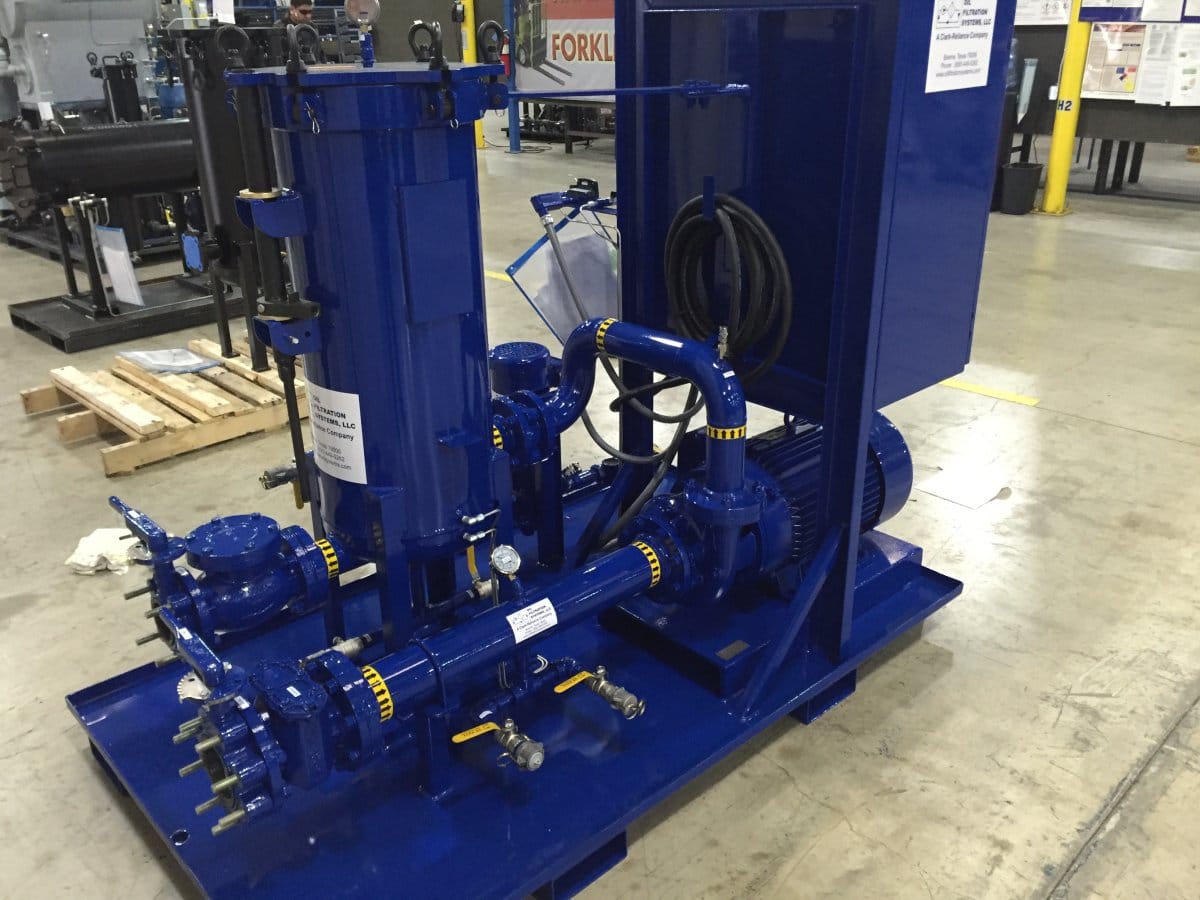
The most expensive asset in your facility is often the one you own outright but only utilize at 40% of its design capacity. In the current Australian industrial market, specialized filtration units frequently sit idle for 220 days a year while their internal seals and sensitive components degrade. When you evaluate the decision to hire vs buy industrial equipment, you’re doing more than comparing a quote to a budget line. You’re weighing the mechanical integrity of your systems against the A$15,000 hidden annual maintenance burden that ownership often entails.
This level of operational security is paramount, not just for filtration tasks but for all high-risk maintenance activities like on-site welding or cutting. In these situations, ensuring worker safety and compliance often involves using specialized equipment. For example, industry specialists such as PetroHab LLC provide modular Hot Work Safety Enclosures that can be leased or purchased, paralleling the hire vs. buy model for other critical industrial assets.
This analytical approach isn’t limited to industrial filtration; it’s a useful model for evaluating any specialized technology purchase. For example, similar considerations apply in advanced wellness and agricultural fields; you can find out more about Biofield PEMF Pro to see how this decision-making process works in a different context.
You likely agree that maintaining high-precision assets like turbines and hydraulics requires absolute adherence to ISO 4406 cleanliness standards without exhausting your CAPEX. This guide provides a technical framework to help you solve the complex OPEX dilemma, ensuring your oil and filtration assets remain at peak performance. We’ll analyze the financial justifications for each model and show you how to eliminate downtime through strategic equipment sourcing in 2026.
Key Takeaways
- Navigate the A$6-figure CAPEX vs. OPEX dilemma by aligning your 2026 maintenance budget with Australia’s shifting economic landscape.
- Resolve the hire vs buy industrial equipment debate by assessing your need for technical agility versus the long-term cost-efficiency of daily filtration tasks.
- Learn to offload the complexities of microbial maintenance and machine calibration to specialised providers to ensure high-precision results.
- Apply a rigorous 5-question framework to determine if your facility possesses the internal technical expertise required to manage sophisticated oil assets.
- Discover the benefits of a hybrid model that bridges the gap between flexible hire services and the customisation of high-standard equipment ownership.
The CAPEX vs. OPEX Dilemma in Industrial Oil Management
Industrial oil management requires a strategic choice between Capital Expenditure (CAPEX) and Operational Expenditure (OPEX). CAPEX involves the outright purchase of assets using A$ capital, placing the equipment on the balance sheet as a fixed asset. In contrast, OPEX treats equipment access as a recurring service cost, typically funded through maintenance or operational budgets. This decision isn’t merely a matter of accounting; it dictates how a facility responds to unexpected contamination events. The 2026 economic landscape in Australia favours flexible maintenance budgets. With the Reserve Bank of Australia maintaining tight fiscal controls, preserving cash flow is a priority for 78% of industrial plant managers surveyed this year. Choosing to hire vs buy industrial equipment allows these managers to maintain high liquidity while still addressing critical oil purity needs.
Precision assets like vacuum dehydrators present a unique challenge compared to general machinery. While a standard pump might have a service life of 20 years with minimal updates, oil purification systems rely on sophisticated sensors and fluid dynamics technology. Owning a high-end dehydrator involves a commitment to its specific technical limitations. Hiring provides a bypass to this commitment. It shifts the responsibility of technical relevance and hardware maintenance to the provider, ensuring the site always uses calibrated, high-performance gear. This choice directly impacts immediate project liquidity, as an A$80,000 purchase can be replaced by a manageable monthly hire fee, freeing up capital for core production activities.
Understanding the Financial Impact on Industrial Projects
CAPEX purchases trigger long-term depreciation schedules under Australian Taxation Office (ATO) guidelines, often spreading the tax benefit over 5 to 10 years. For project-based work in the Pilbara or the Bowen Basin, this long-tail accounting often doesn’t align with 18-month contract cycles. OPEX allows for immediate tax deductions as a business expense, which is highly beneficial for mining and power generation sectors where project timelines are rigid. Some firms utilize Rent-to-own agreements to bridge the gap between testing a unit’s efficacy and committing to a full purchase. Total Cost of Ownership represents the sum of the purchase price, routine maintenance, specialized climate-controlled storage, and interstate transport costs over the asset’s entire lifecycle.
The Role of Technology Obsolescence
Filtration technology for varnish mitigation evolves faster than standard mechanical tools. As turbine oil chemistries change, the methods required to strip sub-micron soft contaminants must also adapt. Owning legacy gear creates a risk where the equipment no longer meets modern ISO 4406 cleanliness standards, potentially voiding component warranties on multi-million dollar turbines. When you hire vs buy industrial equipment, you eliminate the risk of being stuck with an obsolete A$100,000 asset. Hiring ensures your site has access to 2026-spec particle pal ranges and digital sensors that provide real-time data logging. This access to the latest diagnostic technology ensures that oil remains within specification without the heavy burden of constant hardware upgrades.
When Hiring Industrial Equipment Wins: The Case for Technical Agility
Deciding on the right path for hire vs buy industrial equipment requires a deep dive into operational frequency and technical complexity. For many Australian mining and power generation firms, a high-end centrifugal oil purifier or vacuum dehydrator represents a capital expenditure exceeding A$135,000. When a project requires specific cleanliness levels for only a three-week window, that’s an inefficient use of capital. Hiring provides immediate access to this specialised technology without the heavy upfront investment or the long-term depreciation of a permanent asset.
The hire vs buy industrial equipment choice is often settled by the need for immediate, high-spec intervention. This technical agility allows sites to deploy the latest hydrocarbon management technology on a per-project basis. It ensures that the machinery used is exactly suited to the task, whether it’s a high-flow flushing unit for a new installation or a precision dehydrator for a moisture-contaminated transformer. This flexibility is vital for maintaining ISO 4406 cleanliness standards without bloating the balance sheet.
Eliminating the Maintenance Burden
Ownership brings the constant question of who maintains the maintainer. The hidden costs of servicing oil purifiers are significant; an annual service for a large-scale filtration unit can cost upwards of A$7,200 in parts and specialised labour. When you hire, the provider absorbs these burdens. Every unit arrives pre-calibrated and site-ready, having undergone rigorous microbial and mechanical testing. This removes the risk of equipment failure during critical paths.
Storage is another factor often overlooked. A standard industrial oil filtration skid requires roughly 15 square metres of climate-controlled warehouse space to prevent seal degradation and internal corrosion during downtime. By opting for hire, you eliminate these onsite storage requirements. This “try before you buy” advantage also allows your engineering team to test new filtration protocols on live systems. You can verify the efficacy of a specific bioremediation or mechanical process before committing to a permanent A$150,000 purchase. For teams looking to optimise their fluid management without the overhead, exploring specialised industrial filtration options can provide the necessary technical edge.
Emergency Response and Remote Logistics
Unscheduled turbine downtime in the Pilbara or the Northern Territory is a financial catastrophe, with costs often hitting A$28,000 per hour in lost productivity. In these high-stakes scenarios, equipment hire becomes a strategic lifeline. Transporting a 2,200kg filtration skid from a metropolitan hub to a remote site in the Tanami Desert involves complex logistics. Freight costs for such heavy machinery can exceed A$4,500 for a single trip, involving specialised hot-shot delivery services to meet urgent timelines.
Hire agreements in Australia typically bundle this logistics expertise with 24/7 technical support. If a sensor fails or a pump seal leaks at 3:00 AM on a remote site, the responsibility for troubleshooting and replacement parts lies with the provider. This shift in responsibility ensures your internal maintenance team remains focused on the primary objective: restoring operations. Most hire providers also ensure their fleet complies with the latest Australian safety and environmental regulations, meaning you don’t have to worry about out-of-date compliance certifications during a snap audit. This provides a level of operational security that is difficult to maintain with older, occasionally used owned equipment.
When Buying Industrial Equipment is the Superior Strategy
While hiring provides a temporary solution for one-off projects, capital acquisition becomes the definitive choice once equipment utilisation exceeds 180 days per year. For Australian facilities managing high-value rotating assets, owning the purification hardware ensures immediate response times and long-term cost suppression. Ownership isn’t just about possession; it’s about the strategic integration of technology into the plant’s lifecycle. When you analyse the hire vs buy industrial equipment dilemma, the shift toward buying usually occurs when the reliability of the asset becomes a core component of the facility’s uptime. High-end brands like Filters S.p.A. provide significant asset value on the balance sheet, often retaining 40% of their initial purchase price after a decade of consistent service in harsh Australian conditions.
The Threshold of Frequency: When the Math Flips
Calculating the breakeven point requires a direct comparison between daily hire rates and capital depreciation. A standard mobile oil purification unit in Australia often commands hire rates between A$450 and A$900 per day. In contrast, monthly finance repayments for a high-specification permanent system typically range from A$2,800 to A$4,500. If your maintenance schedule requires filtration for more than 8 days a month, the hire model begins to drain operational budgets. Permanent hot oil flushing setups are particularly effective for massive, multi-turbine plants where fluid integrity must be maintained 24/7. Evaluating the lifespan of premium Filters S.p.A. products shows they frequently exceed 15 years of operational life. This durability ensures that the initial A$80,000 investment amortises to a negligible daily cost over the long term.
Strategic Control and Customisation
Ownership grants the freedom to modify filtration housings to fit specific plant footprints, a luxury hire contracts don’t allow. You can integrate the equipment directly into your SCADA or plant monitoring systems, allowing for real-time alerts on ISO cleanliness codes. This level of technical control enables the use of specialist oil filters designed for your specific varnish or particulate challenges. By training a dedicated internal team to master the machinery, you build a culture of self-reliance. This eliminates the 24 to 48-hour lead time required for hire equipment delivery. In a 24/7 industrial environment, having an owned unit ready for immediate deployment can prevent a minor contamination event from escalating into a A$250,000 unplanned shutdown. You aren’t just buying a machine; you’re buying the ability to respond to critical asset threats within minutes.
- Permanent Integration: Direct hard-piping into lube oil systems reduces the risk of external contamination during setup.
- Software Synchronisation: Link your purification data with predictive maintenance software for precise oil life forecasting.
- Resource Allocation: Internal teams develop deep technical expertise, reducing reliance on third-party contractors for routine tasks.
- Compliance Certainty: Ensure your equipment always meets Australian environmental and safety standards without checking hire-fleet logs.
The decision to buy is a commitment to the long-term health of your machinery. It moves the business away from reactive spending and toward a structured, proactive maintenance philosophy. When you own the technology, you control the standards of your fluid management program. This control is the most effective way to guarantee the 20-year design life of your most expensive industrial assets.
A 5-Question Framework for Making the Final Decision
Choosing the right path requires more than a glance at a balance sheet. You must weigh operational realities against long term strategic goals. Before committing to a specific model, project managers should evaluate these five critical questions to determine the most sustainable path for their facility.
- How often will this unit be utilised over the next 36 months? If your projected equipment uptime is less than 35%, the depreciation and storage costs of ownership usually outweigh the benefits.
- Do we have the internal technical expertise to calibrate and repair this specific machine? Modern purification systems require precise calibration every 6 to 12 months to maintain ISO 4406 cleanliness standards.
- What is the environmental cost of failure if our owned equipment isn’t up to date? Outdated systems increase the risk of hydrocarbon leaks. In Australia, environmental breaches can result in fines exceeding A$1,000,000 for corporate entities.
- Is the project location remote enough that hire-transport costs outweigh purchase-logistics? For sites in the Pilbara or Bowen Basin, mobilising heavy gear can cost upwards of A$5,000 per trip, making permanent onsite ownership more attractive.
- Does our current cash flow support a major CAPEX outlay or a recurring OPEX fee? A high-quality vacuum dehydration unit often requires a CAPEX investment of A$75,000 or more, whereas hiring converts this into a predictable monthly operating expense.
The hire vs buy industrial equipment debate often settles when you look at the total cost of ownership. While buying creates an asset, hiring ensures you’re always using the latest, most efficient technology available in the Australian market. For comprehensive guidance on selecting the right filtration solution for your specific requirements, our detailed industrial oil filtration equipment hire guide provides strategic frameworks to achieve ISO 4406 cleanliness targets without long-term ownership commitments.
Assessing Technical Complexity
Simple particle filters are often “set and forget” tools that make sense to purchase for daily use. However, precision instruments require a higher level of oversight. Utilizing professional oil analysis is the only way to validate that your equipment is actually performing to specification. Complex systems like vacuum dehydration units involve sophisticated pumps and condensers that frequently favour hire models. This shift ensures a technician handles the intricate maintenance, so your team doesn’t have to master specialized mechanical repairs.
Environmental Responsibility and Compliance
Australian industrial operations face strict scrutiny regarding waste management. Using high-efficiency hire gear helps reduce hydrocarbon waste and prevents microbial contamination in stored fuels. Modern filtration is also a primary defence against “varnish” in hydraulic systems. Varnish buildup can cause a 12% drop in energy efficiency and lead to premature component failure. By opting for a hire model, you ensure your site uses updated technology that aligns with the latest Australian environmental regulatory standards, effectively lowering your carbon footprint through optimized machine performance.
When you analyze the hire vs buy industrial equipment data, the flexibility of hiring often provides a superior environmental outcome. You aren’t stuck with aging, inefficient hardware that consumes more power and produces more waste as it degrades over a decade of use. The same principle applies to bulk storage assets; implementing a rigorous fuel filtration strategy is equally critical for preventing the microscopic particulates and water ingress that account for 80% of premature engine failures in Australia’s mining and transport sectors.
Ready to optimize your fluid management strategy? Contact Biokem today to discuss our high-performance hire options and technical support services.
BioKem’s Hybrid Solution: Hire the Service, Buy the Standard
Deciding between the merits of hire vs buy industrial equipment often feels like a choice between financial flexibility and operational control. BioKem Oil Services eliminates this friction by acting as a technical bridge. We don’t just supply hardware; we provide a hybrid model that allows Australian businesses to scale their filtration capabilities based on real-time fluid analysis rather than rigid capital budgets. This approach ensures you aren’t stuck with an expensive asset that sits idle, nor are you left vulnerable when a critical system requires immediate, high-level purification.
Our model focuses on the total cost of ownership and the biological health of your lubricants. By integrating high-performance hardware from global leaders with local, expert-led service, we’ve helped facilities reduce their annual lubricant spend by up to 35%. Whether you’re managing a single site in the Hunter Valley or multiple assets across the Pilbara, our hybrid strategy tailors the solution to the specific contamination profile of your machinery. For power generation facilities dealing with critical turbine control systems, specialized EHC fluid maintenance protocols ensure servo-valve reliability and prevent costly unscheduled shutdowns.
Expert-Led Technical Interventions
Hiring the machine without the expert is a high-risk strategy for critical infrastructure. Modern oil purification rigs are sophisticated pieces of engineering that require precise calibration to be effective. A “dry hire” often results in poor flow rates or, worse, cross-contamination if the unit wasn’t properly flushed by the previous user. When you engage BioKem Oil Services for a service-led intervention, you’re hiring a technician who understands the molecular chemistry of your oil. This guarantees that the equipment performs at its peak from the moment it’s powered on.
The value of this approach was proven in October 2023 at a major power generation facility. The site faced a critical turbine trip due to accelerated varnish buildup, with a Membrane Patch Colorimetry (MPC) value peaking at 48. BioKem Oil Services deployed a specialized SVR (Soluble Varnish Removal) unit alongside a senior technician. Within 96 hours of continuous operation, the MPC value dropped to 14, effectively saving the turbine from an extended outage that would’ve cost the operator upwards of A$220,000 per day in lost production. This turnkey success is why many leaders choose services from BioKem Oil Services for high-stakes maintenance rather than attempting DIY equipment hire.
Direct Procurement of World-Class Hardware
There are instances where the frequency of contamination makes ownership the only logical path. For these scenarios, BioKem Oil Services provides a direct route to the world’s most reliable filtration technology. We serve as the sole Australian distributor for Filters S.p.A., an Italian powerhouse known for engineering vacuum dehydrators and oil purifiers that thrive in harsh industrial environments. Buying through a local distributor means you aren’t just getting a crate; you’re getting Australian-based warranty support, spare parts, and technical training for your internal teams.
Transitioning from a hire model to procurement is a sign of a maturing maintenance program. To support this transition, we also provide access to Swift Filters and specialized patch test kits. These kits are essential for any team that has recently purchased their own equipment, as they allow for immediate, onsite verification of oil cleanliness. Instead of waiting weeks for lab results, your team can confirm that your new Filters S.p.A. unit is meeting ISO 4406 targets in real-time. This level of autonomy is the ultimate goal of any robust lubrication management plan.
Our customized plans often see clients buying their primary “polishing” filters while hiring BioKem Oil Services for annual “deep cleans” or complex hot oil flushing. This split model ensures your capital is spent on the assets you use daily, while your operational budget covers the specialized expertise needed for periodic high-intensity tasks. It’s the most efficient way to balance the hire vs buy industrial equipment dilemma. If you’re unsure which path fits your current 2024 maintenance budget, consult with a BioKem Oil Services specialist for a custom hire vs. buy audit today.
Future-Proof Your 2026 Maintenance Strategy
Deciding whether to hire vs buy industrial equipment requires a precise balance between immediate technical agility and long-term asset management. Maintenance managers must weigh the potential 15% reduction in upfront CAPEX against the ongoing necessity of meeting strict ISO 4406 oil cleanliness standards. As the sole Australian distributor for Filters S.p.A., BioKem bridges this gap by providing high-performance filtration technology that ensures your lubricants remain within specification, whether you own the hardware or leverage our specialized service model.
Our nationwide deployment teams remain on standby for emergency hire and service across all Australian territories; this ensures unexpected downtime doesn’t erode your 2026 profit margins. By applying our 5-question framework, you’ll identify where a hybrid approach can maximize your OPEX efficiency and maintain ecological compliance. Don’t leave your machinery’s health to chance when technical expertise is readily available across the country. We’re committed to helping you navigate these complex capital decisions with confidence. A comprehensive industrial fuel filtration program should form a core pillar of this strategy, particularly for facilities operating high-pressure common rail engines and bulk storage assets in remote Australian environments.
Get a custom Hire vs. Buy cost analysis from BioKem to secure your fleet’s future today. We’re ready to help you achieve world-class reliability.
Frequently Asked Questions
Is equipment hire tax deductible for Australian industrial businesses?
Equipment hire is typically 100% tax-deductible as an operating expense for Australian businesses under Section 8-1 of the Income Tax Assessment Act 1997. Unlike purchasing, which requires depreciation over a 5 to 10 year period, hire costs are often fully deductible in the financial year they’re incurred. This immediate deduction improves cash flow by reducing taxable income directly. It’s a strategic way to manage the hire vs buy industrial equipment decision while maintaining modern fleet standards.
What are the typical maintenance requirements for an owned vacuum dehydration unit?
Owning a vacuum dehydration unit requires scheduled maintenance every 500 operating hours to ensure system integrity. Key tasks include replacing particulate filters, changing vacuum pump oil, and inspecting seals for leaks that compromise the 25 inch Hg vacuum level. Owners must also calibrate moisture sensors annually to maintain accuracy. These ongoing costs add roughly 12% to 15% to the annual total cost of ownership compared to the inclusive maintenance provided with hire agreements.
Can I hire equipment for an emergency shutdown in remote Western Australia?
BioKem provides rapid mobilization of oil purification units to remote Western Australian sites within 24 to 48 hours of a request. We regularly support emergency shutdowns in the Pilbara and Goldfields regions, ensuring critical assets like turbines or large gearboxes return to service quickly. Our logistics network handles the transport of heavy filtration skids to mine sites located over 1,000 kilometres from Perth. This ensures site managers meet strict downtime KPIs during unplanned maintenance events.
How do I calculate the ROI of buying an oil filtration system vs. hiring it?
You calculate ROI by comparing the A$150,000 average purchase price plus annual maintenance against the cumulative cost of hiring over a 60 month period. Generally, if your equipment utilization rate exceeds 35% annually, purchasing becomes the more cost-effective path. For projects lasting less than 18 months, hiring usually delivers a higher return by preserving capital for core business activities. This financial analysis is a vital step when evaluating the hire vs buy industrial equipment dilemma for your facility.
Does BioKem offer “try before you buy” options for filtration hardware?
BioKem offers structured hire-to-purchase programs that allow for a 3 month trial period before a final commitment. If you decide to buy the unit, we typically credit 70% of the paid hire fees toward the final purchase price. This approach reduces the technical risk for engineers who need to verify performance on specific hydrocarbon blends. It ensures the hardware meets ISO cleanliness standards in your specific environment before you allocate significant capital expenditure.
What happens if a hired oil purifier breaks down during a critical project?
BioKem provides a 4 hour technical response guarantee for all hired equipment malfunctions. If a breakdown occurs during a critical project, our technicians first attempt remote troubleshooting; if unsuccessful, we dispatch a replacement unit within 24 hours. This minimizes the risk of costly project delays that can exceed A$10,000 per hour in lost production. Our hire fleet undergoes a 25 point inspection before every deployment to prevent these mechanical failures from occurring.
Are there environmental benefits to hiring newer equipment models?
Hiring allows access to the latest filtration technology, which often reduces energy consumption by 20% compared to older, owned models. Newer units utilize high-efficiency motors and advanced centrifugal designs that lower the overall carbon footprint of your oil reclamation process. By cycling through modern hire stock, you ensure your site complies with the latest Australian environmental regulations without the burden of upgrading owned assets. This biological and technical synergy supports long-term ecological health.
How long does the procurement process take for buying Filters S.p.A. products?
Purchasing Filters S.p.A. hardware typically involves a 12 to 16 week lead time from order placement to site delivery. This timeframe includes 8 weeks for Italian manufacturing, 4 weeks for sea freight, and approximately 14 days for Australian customs clearance and local testing. For urgent requirements, BioKem maintains a local buffer stock of standard components to reduce wait times to under 21 days. Planning for these procurement windows is essential to avoid operational gaps during system upgrades.