

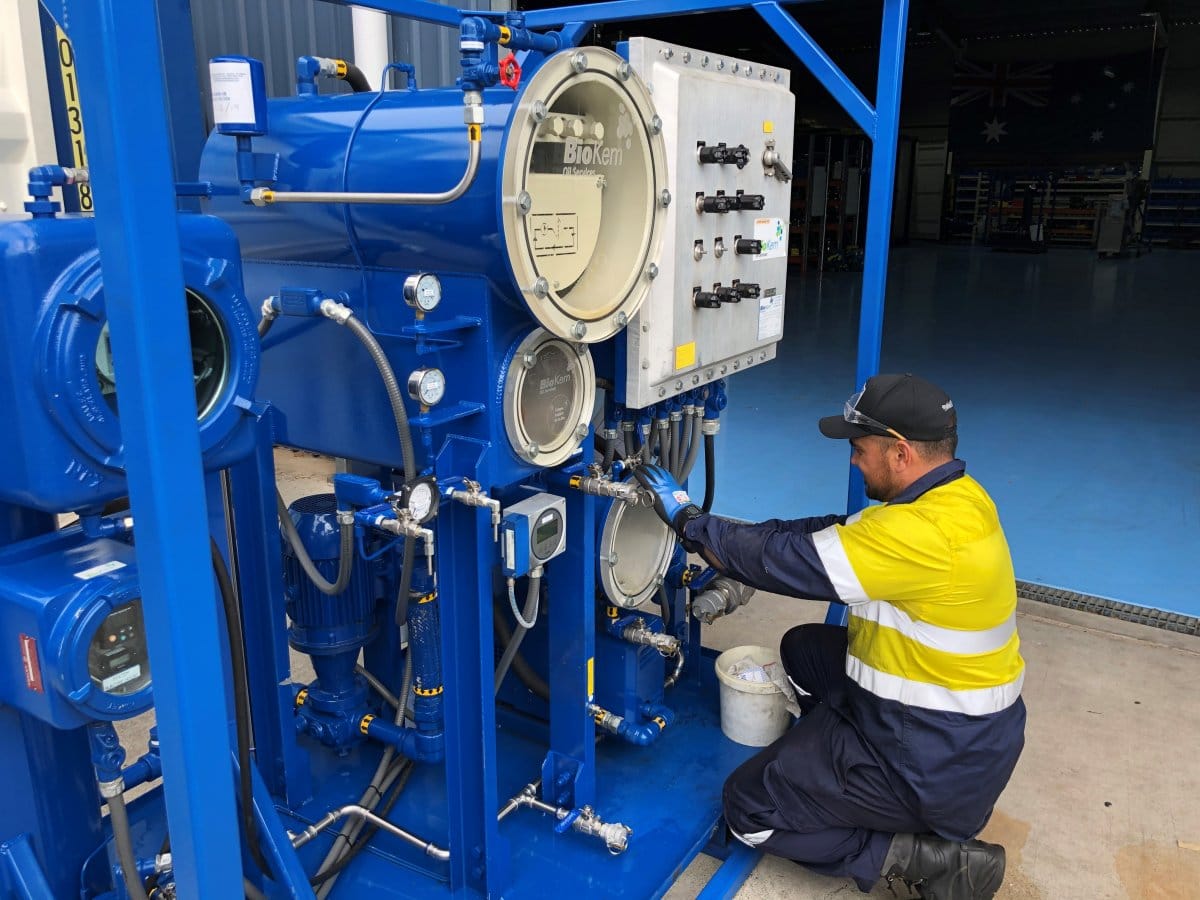
In Australian heavy industry, water contamination is responsible for approximately 75% of premature bearing failures, often leading to unscheduled downtime that can cost a processing facility upwards of A$15,000 per hour. You understand that maintaining oil integrity is vital for operational longevity, yet the rising costs of lubricant replacement and specialized machinery can strain your annual maintenance budget. It’s a frustrating cycle where water-induced corrosion silently degrades your most expensive assets, leading to premature component failure and unnecessary waste.
Selecting a vacuum dehydrator hire allows you to eliminate 100% of free and up to 90% of dissolved water from your critical lubrication systems. This technical intervention restores your oil to ISO 4406 cleanliness standards while avoiding the significant capital expenditure of purchasing specialized machinery outright. This guide explores how to implement a high-efficiency purification strategy that extends lubricant life and protects your infrastructure, ensuring your operations remain both compliant and profitable.
Key Takeaways
- Understand why vacuum dehydration is the only method capable of removing 100% of free and up to 90% of dissolved water from critical lubricants.
- Compare the strategic cost-efficiency of vacuum dehydrator hire against a A$100,000+ capital expenditure, accounting for hidden maintenance and calibration costs.
- Learn the fundamental technical differences between mass-based centrifugal separation and the superior phase-change purification of vacuum-induced systems.
- Determine the exact site requirements, including flow rates (LPM) and 415V power configurations, necessary for rapid and effective unit deployment.
- Discover how BioKem’s proprietary VDOPS technology provides a sustainable, high-performance solution for oil purification across major Australian industrial sectors.
What is Vacuum Dehydration and Why is it Critical for Oil Health?
Vacuum dehydration is a sophisticated purification process that leverages fundamental physics to extract water from industrial lubricants and hydraulic fluids. Unlike standard mechanical separation or basic centrifugal methods, this process uses a vacuum to reduce the atmospheric pressure within a treatment chamber. This shift allows water to evaporate at temperatures well below its standard 100°C boiling point. In industrial applications, water exists in oil in three distinct states: free, emulsified, and dissolved. While standard filtration systems can capture free water, they fail to remove dissolved moisture at the molecular level. This is where a vacuum dehydrator hire becomes a strategic necessity for maintaining equipment longevity. Various Methods of oil purification exist, but vacuum treatment remains the gold standard for pulling moisture out of the oil’s chemical structure before it triggers irreversible oxidation.
To better understand how these systems operate in a practical industrial setting, watch this start-up demonstration:
The Science of the Vacuum Dehydration Process
By creating a controlled vacuum, operators can force water to boil at temperatures as low as 50°C. This is vital for oil integrity because many synthetic and mineral oils begin to suffer thermal degradation when exposed to temperatures exceeding 80°C. By keeping the process cool, we preserve the oil’s additive package and prevent the base stock from cracking. The boiling point shift in a vacuum environment describes the physical phenomenon where water transitions into a gaseous state at significantly lower temperatures due to reduced atmospheric pressure. This mechanism ensures that even the most stubborn emulsified water is stripped away. Eliminating this moisture prevents the formation of acids and sludge, which are responsible for approximately 75% of premature component wear in high-pressure Australian mining and manufacturing circuits. When water interacts with metal surfaces and heat, it acts as a catalyst for oxidation, which permanently alters the oil’s viscosity and lubricating properties.
Contaminants Removed Beyond Just Water
A vacuum dehydrator hire provides a comprehensive cleaning solution that extends far beyond simple moisture removal. These units are engineered to degas the oil, removing entrained air and dissolved gases such as hydrogen, methane, and carbon dioxide. These gases often lead to pump cavitation and erratic actuator response in precision machinery. Additionally, the system incorporates high-efficiency microglass filters, typically rated at a Beta 1000 ratio, to capture solid particulates down to 1 micron. This multi-stage approach is particularly critical for industries managing electrical infrastructure across Australia. Removing moisture and gas significantly improves the dielectric strength of insulating oils, often raising the breakdown voltage from a dangerous 20kV to a stable 60kV or higher. This level of purity is non-negotiable for maintaining grid reliability and preventing catastrophic transformer failure. By addressing both chemical and physical contaminants, vacuum dehydration restores the oil to a “near-new” state, supporting both operational efficiency and environmental sustainability goals.
Vacuum Dehydrators vs. Centrifugal Systems: Which is Better?
Centrifugal systems rely on mass-based separation. They utilize high-speed rotation to force heavier contaminants, such as free water and solid particles, to the outer wall of a bowl. This mechanical process works efficiently for low-viscosity oils with significant density differences between the fluid and the contaminant. However, centrifuges often struggle with high-density lubricants or fluids where the specific gravity exceeds 0.95. When water becomes emulsified, a centrifuge cannot effectively “spin” it out because the bond between the oil and water molecules is too strong for G-force alone to break.
A vacuum dehydrator operates on the principle of phase-change purification. By creating a deep vacuum of approximately 25 to 27 inches of mercury, the boiling point of water is lowered to roughly 50°C. This allows the system to boil off 100% of free and emulsified water, and up to 90% of dissolved water, without exposing the oil to damaging temperatures. This method mirrors the technical precision found in the oil rerefining process documented by NASA, where controlled environments are essential for fluid integrity.
Opting for a vacuum dehydrator hire provides a distinct operational advantage through “kidney-loop” filtration. You don’t need to stop your production line. The unit connects directly to the reservoir while the main plant remains live, pulling oil out, purifying it, and returning it in a continuous cycle. This ensures 100% uptime for your critical assets, which is vital for high-output Australian industrial environments where every hour of downtime can cost thousands of dollars.
Preserving Additive Packages
High-speed centrifuges can exert forces exceeding 6,000 Gs. This intensity often accidentally strips out essential extreme pressure (EP) additives like molybdenum disulphide or heavy anti-wear packages that have a higher molecular weight. BioKem units use a gentle vacuum process that keeps these complex chemical structures intact. A 2023 field study on a hydraulic system showed that centrifugal cleaning reduced molybdenum levels by 15%, while vacuum dehydration maintained 99.2% of the original additive concentration. It’s a safer choice for expensive synthetic lubricants and complex hydraulic fluids.
Efficiency and Real-Time Monitoring
BioKem’s hire fleet includes integrated laser particle counters and moisture sensors. You get immediate, digital feedback on ISO 4406 cleanliness codes and water-in-oil percentages. The “Auto-Water Drain” feature is a specific benefit for 24/7 operations. It allows the unit to run unattended on-site; the machine automatically detects and purges collected water without human intervention. To ensure you’re using the right equipment for your specific contamination levels, we recommend utilizing our oil analysis services for pre-hire baseline testing. This data-driven approach prevents guesswork and ensures the fastest possible cleanup time.
If you’re dealing with persistent moisture issues in your gearboxes or reservoirs, you can consult with a BioKem technician to determine the most efficient flow rate for your application.
Vacuum Dehydrator Hire vs. Purchase: A Strategic Cost Analysis
Procuring a high-performance vacuum dehydrator involves a substantial financial commitment. In the Australian industrial sector, a new, skid-mounted unit typically requires a capital expenditure (CAPEX) exceeding A$125,000. This initial price tag is only the beginning of the investment. For many facilities, the decision to opt for vacuum dehydrator hire is driven by the desire to maintain liquidity while addressing immediate fluid contamination issues. It’s a choice between owning a depreciating asset or paying for a guaranteed result.
Hidden costs often erode the perceived value of ownership. Maintaining these sophisticated machines requires quarterly sensor calibrations, vacuum pump oil changes, and specialized technician training that costs upwards of A$7,500 annually. When equipment sits idle between scheduled maintenance shutdowns, internal seals often perish, leading to costly repairs before the next use. Scientific literature regarding commonly used oil dehydration methods highlights that while vacuum systems are superior for removing dissolved water, their efficiency depends entirely on precise mechanical calibration. Rental ensures these technical standards are met without the overhead of a dedicated maintenance program.
Specific operational scenarios make hire the only logical choice. During 14-day or 21-day annual shutdowns, the demand for water removal is intense, but the equipment isn’t needed for the remaining 11 months of the year. Similarly, emergency water ingress events, such as a heat exchanger failure, require an immediate response that an in-house team might not be equipped to handle. Hiring allows for a rapid surge in capacity, enabling you to deploy multiple units to clear a 30,000-litre reservoir in a fraction of the time it would take with a single owned machine.
The Financial Logic of Rental
Converting a large CAPEX into a manageable operating expense (OPEX) provides significant tax advantages and budgetary flexibility. By choosing a vacuum dehydrator hire, companies avoid the 15% annual depreciation typical of specialized mechanical assets. This approach eliminates the need for long-term climate-controlled storage and the logistics of moving heavy machinery between remote sites. You’re paying for the fluid’s purity, not the hardware’s footprint. It’s about accessing the latest technology without being locked into aging hardware that may become obsolete within five years.
Operational Benefits of BioKem Hire
Partnering with BioKem grants your team immediate access to onsite deployment experts and technical support. We ensure every unit arrives with a current certification of performance, meeting strict Australian safety and environmental standards. This is particularly vital for bioremediation and maintaining the integrity of eco-friendly lubricants. If your site requires a broader contamination control strategy, you can view our alternative filtration hardware options to complement your dehydration process. This flexibility allows you to scale your fleet size based on specific flow requirements, ensuring that your oil remains within the required ISO 4406 cleanliness codes without the risk of equipment downtime. Our experts handle the setup, so your staff can focus on core production tasks.
Site Readiness: Key Specifications for Your Hire Unit
Ensuring your facility is prepared for a vacuum dehydrator hire involves more than clearing floor space. You must align the technical capabilities of the unit with the specific demands of your hydraulic or lubricating system. A primary factor is the flow rate, measured in litres per minute (LPM). For industrial reservoirs, a turnover rate of 10% of total volume per hour is the benchmark for effective moisture extraction. If you’re managing a 10,000-litre reservoir, a unit capable of 60 to 100 LPM ensures efficient moisture removal without causing excessive turbulence or aeration.
Power availability is a frequent site hurdle. Standard Australian industrial units operate on a 415V, three-phase 50Hz supply. If your site is remote and relies on generators, or uses the 1,000V systems found in specific Western Australian mining operations, you’ll need to specify these requirements early. Viscosity also changes the machine’s workload. While ISO 32 hydraulic oils flow easily, high-viscosity ISO 680 gear oils require powerful internal heaters to reduce the oil’s resistance. This allows the vacuum to pull moisture from the fluid more effectively without straining the internal pump systems.
Environmental and safety compliance remains a priority for Australian operators. Every hire unit must feature secondary containment or bunding to prevent accidental spills of hydrocarbons into the local ecosystem. BioKem units are designed to meet or exceed the requirements of AS 1940:2017, which governs the storage and handling of flammable and combustible liquids. This ensures your site maintains its green credentials while performing essential maintenance.
Hazardous Zones and Safety Ratings
Safety compliance is non-negotiable in Australian industrial sectors. Sites classified as hazardous zones, such as offshore gas rigs or underground coal mines, require EX-rated or flame-proof machinery. These units prevent electrical components from becoming ignition sources in volatile atmospheres. BioKem provides both safe-zone and hazardous-area compliant units, ensuring your project meets AS/NZS 60079 standards for explosive atmospheres. Standard units lack these protections and shouldn’t be used near volatile gases.
Logistics and Installation
Integration with your existing infrastructure requires the right hardware. We standardise our units with JIC, BSP, or Camlock fittings to prevent leaks and speed up deployment. Consider the physical footprint; a typical vacuum dehydrator hire unit occupies roughly 1.5 by 2 metres and can weigh over 1,200kg, requiring clear crane or forklift access. For systems with heavy particulate contamination, performing hot oil flushing before starting the dehydration process is essential to protect the vacuum pump and internal filters from premature wear. When dealing with complex contamination scenarios involving both moisture and particulate matter, consider industrial oil filtration equipment hire options that complement your vacuum dehydration strategy for comprehensive fluid purification.
Ready to ensure your site meets the technical requirements for oil purification? Contact BioKem today to discuss your specific equipment specifications.
BioKem: Australia’s Largest Fleet of Vacuum Dehydrators
BioKem operates the most comprehensive inventory of oil purification systems in the country. We facilitate rapid mobilization across QLD, NSW, and WA to support the mining, power generation, and manufacturing sectors. Our fleet features proprietary VDOPS (Vacuum Dehydration Oil Purification System) technology, which represents the 2026 industry standard for moisture and gas extraction. This system operates at lower temperatures to protect the oil’s delicate additive package while achieving moisture levels below 50 ppm. By maintaining these low temperatures, we prevent the thermal degradation often caused by inferior heating elements in older units.
Every vacuum dehydrator hire includes a rigorous scientific protocol. We don’t simply drop off a machine; we provide a complete reliability solution. Our technicians perform on-site oil analysis to establish a baseline before the purification cycle begins. In 2024, BioKem successfully processed over 2.8 million litres of industrial lubricants, preventing unnecessary disposal and significantly lowering the total cost of ownership for our partners. This technical synergy helps companies meet their ESG targets by promoting a circular economy for hydrocarbons. Extending oil life by up to 300% isn’t just a cost-saving measure; it’s a commitment to reducing the environmental footprint of heavy industry. For power generation facilities managing critical turbine systems, our vacuum dehydration expertise complements specialized EHC fluid maintenance protocols to ensure maximum operational reliability.
Why Industry Leaders Choose BioKem
BioKem serves as the exclusive Australian distributor for Filters S.p.A. and Swift Filters. These alliances ensure our hire fleet uses world-class components for superior particulate capture that exceeds standard market offerings. We focus on turbine and compressor reliability, where even microscopic contamination leads to catastrophic failure. The BioKem Advantage provides a level of certainty that generic rental companies cannot match.
- Cleanliness Guarantees: We target specific ISO 4406 cleanliness codes, such as 14/12/9, ensuring your oil is cleaner than when it was first delivered.
- Technical Reporting: Every project concludes with a detailed report outlining particle distribution and moisture reduction data.
- Expert Oversight: Our team brings 25 years of experience in managing complex hydraulic and lubrication systems.
- Scalability: We manage systems ranging from small 500-litre reservoirs to massive 60,000-litre turbine sumps.
How to Get Started with a Hire Quote
Requesting a vacuum dehydrator hire quote is a streamlined process designed for engineering efficiency. Our team requires three primary data points to build an accurate A$ proposal: the lubricant brand and grade, the total reservoir volume, and the specific site coordinates for logistics planning. We provide transparent pricing with no hidden mobilization fees, ensuring your maintenance budget remains predictable.
For critical equipment failures, our Capalaba HQ manages an emergency response network that can often deploy assets within 24 hours to major hubs. This rapid intervention minimizes production losses that can exceed A$100,000 per day in high-output mining environments. Our logistics team handles the entire transport process, ensuring the VDOPS units arrive site-ready and fully calibrated. Contact BioKem today to secure your equipment and protect your critical mechanical assets from the hidden dangers of water contamination.
Securing Operational Continuity Through Advanced Oil Purification
Maintaining peak lubricant health shouldn’t be a logistical burden. By choosing vacuum dehydrator hire, you eliminate the high A$60,000+ upfront capital expenditure of a new unit while gaining access to technology that removes 100% of free and emulsified water. Traditional centrifugal systems often fall short in removing dissolved gases; however, our vacuum systems ensure your oil meets strict ISO 4406 cleanliness standards. BioKem operates Australia’s largest rental fleet, providing the scale needed for rapid deployment across remote mining or industrial sites. Our processes are fully ISO 9001 compliant, ensuring every hire unit meets rigorous safety and performance benchmarks. As an authorized Filters S.p.A. distributor, we integrate world-class filtration components into every mobile system. This technical precision extends your equipment’s life and reduces waste, aligning your operations with modern environmental standards. Don’t let contaminated oil compromise your machinery’s reliability.
Request a Vacuum Dehydrator Hire Quote from BioKem
Your path to cleaner oil and sustainable industrial operations starts with a single technical assessment.
Frequently Asked Questions
How much water can a vacuum dehydrator actually remove?
Vacuum dehydrators remove 100% of free and emulsified water along with 90% of dissolved water. This process reduces moisture levels from saturated states of 50,000 ppm to well below 100 ppm. By lowering the boiling point of water under vacuum, we extract moisture without causing thermal degradation to the oil. This efficiency preserves the lubricant’s chemical integrity and extends the service life of critical components by 200%.
Can I use a vacuum dehydrator while my machine is running?
You can operate a vacuum dehydrator while your machinery remains in full production. The unit functions in a kidney-loop configuration, drawing oil from the reservoir and returning it without interrupting system pressure or flow. This approach eliminates the A$15,000 hourly cost associated with unscheduled downtime. It ensures continuous purification while the system is at operating temperature, which actually improves water extraction efficiency during the process.
What is the difference between a vacuum dehydrator and a coalescing filter?
Vacuum dehydrators remove dissolved, free, and emulsified water, whereas coalescing filters only target free water. Coalescers often fail when oil contains surfactants or high additive packages that prevent water droplets from merging. A vacuum system handles these complex fluids effectively. Choosing a vacuum dehydrator hire ensures you address the invisible dissolved moisture that causes internal corrosion and rapid acid formation in your lubricants.
What power supply do I need for a rental vacuum dehydration unit?
Most industrial rental units require a 415V, 3-phase power supply with either a 32A or 63A 5-pin plug. Smaller mobile units might run on 240V, but these often lack the flow rate needed for large 5,000-litre reservoirs. You should verify your site’s electrical infrastructure before delivery to ensure compatibility. We provide units fitted with IP66 rated enclosures to maintain safety standards in harsh Australian mining and industrial environments.
How long does it take to purify a 5,000-litre hydraulic reservoir?
Purifying a 5,000-litre hydraulic reservoir typically takes 24 to 48 hours to reach targets below 100 ppm. This timeframe assumes an initial moisture level of 2,000 ppm and a machine flow rate of 40 litres per minute. Total duration depends on the oil temperature and the rate of ongoing water ingression. We monitor progress using onboard particle counters and moisture sensors to confirm when the oil meets ISO 4406 standards.
Is vacuum dehydration safe for oils with high additive concentrations?
Vacuum dehydration is completely safe for oils with high additive concentrations because it is a low-temperature process. By creating a vacuum of -25 inches of mercury, water boils at just 45°C. This prevents the thermal cracking and additive depletion that occurs with traditional heating methods. It’s a sustainable way to recover expensive gear oils and fire-resistant fluids without altering their fundamental chemical properties or performance specifications.
Do you provide technicians to operate the equipment on-site?
We provide qualified technicians for on-site operation, or you can opt for a dry hire arrangement. Our field service team manages the entire process, from initial oil analysis to the final certification of the fluid. This managed service reduces the risk of operator error and ensures the vacuum dehydrator hire delivers maximum ROI. We can mobilise personnel to remote sites across the Pilbara or Goldfields within 24 hours.
What is the typical lead time for vacuum dehydrator hire in Western Australia?
Typical lead time for equipment delivery in the Perth metropolitan area is 24 to 48 hours. For remote sites in the Pilbara or Kimberley regions, transport usually takes 3 to 5 business days depending on freight availability. We maintain a fleet of units in Western Australia to ensure rapid response to emergency oil contamination events. Pre-booking 14 days in advance is recommended for planned shutdowns to guarantee specific unit availability. For operations managing both lubrication and fuel systems, implementing a comprehensive industrial fuel filtration strategy alongside vacuum dehydration provides complete protection against water ingress and particulate contamination across all fluid circuits.