

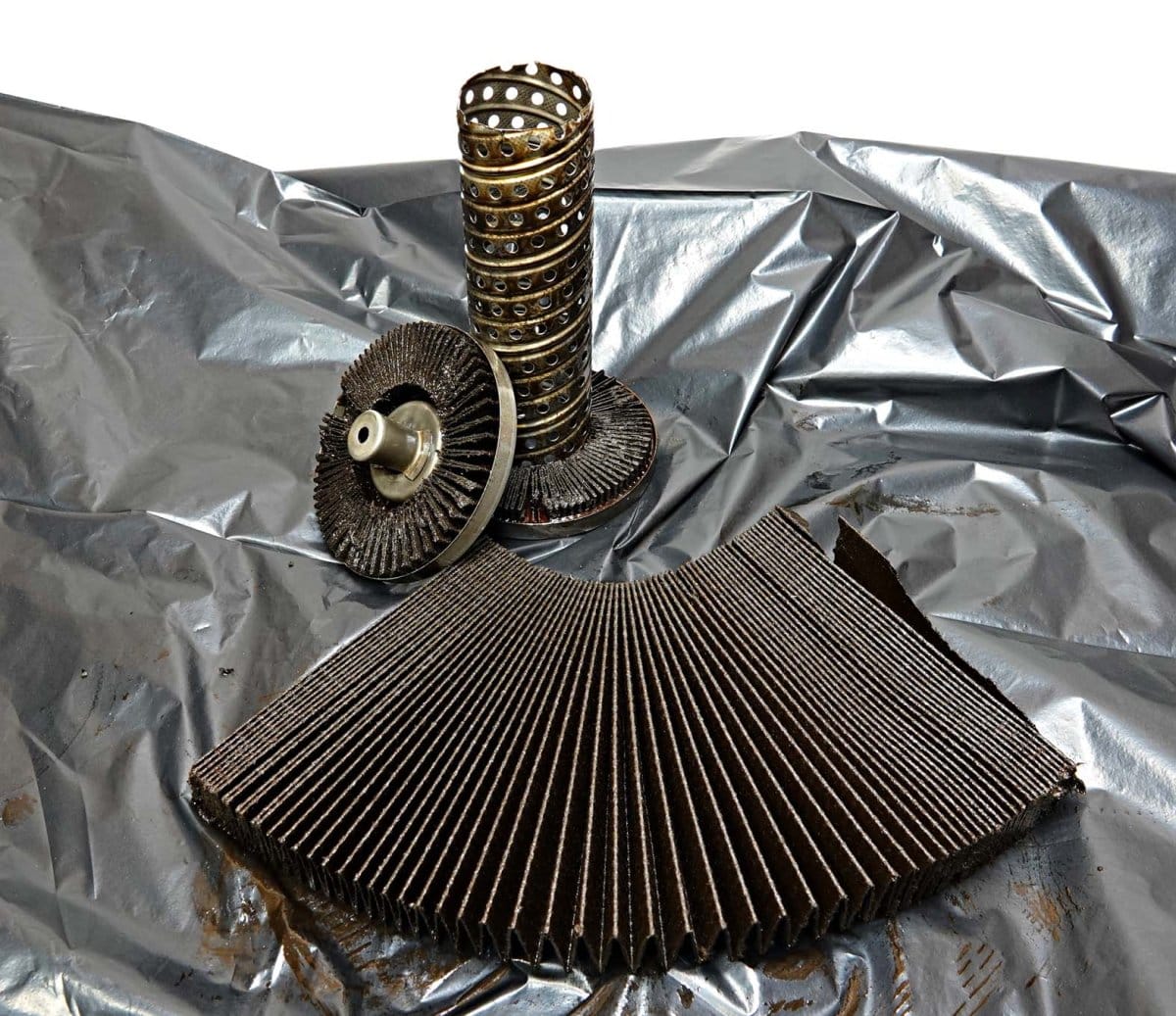
An estimated 75% of hydraulic system failures stem directly from fluid contamination, yet many facilities still treat lubrication as a recurring expense rather than a strategic diagnostic tool. You’ve likely faced the frustration of unscheduled downtime when a critical valve sticks due to varnish buildup, or felt the headache of trying to translate a dense, 15-page laboratory report into a practical maintenance plan. Professional oil analysis services shouldn’t just provide a list of parts per million; they must offer a definitive roadmap for asset reliability.
We agree that maintaining peak operational efficiency requires more than just reactive fixes that ignore the root cause of wear. This guide demonstrates how to transform technical hydrocarbon data into actionable maintenance strategies that prevent catastrophic failure while ensuring strict compliance with Australian regulatory and environmental standards. We’ll explore the transition from basic testing to proactive contamination control and the implementation of clear ‘Go/No-Go’ decision frameworks that extend the life of your most critical machinery.
Key Takeaways
-
Learn to evaluate equipment health by monitoring the three critical pillars of lubricant condition: fluid chemistry, contamination levels, and wear debris analysis.
-
Discover how professional oil analysis services utilize ISO 4406 particle counts and spectrometric data to identify internal damage before it results in catastrophic failure.
-
Compare the high-precision depth of comprehensive laboratory testing against the immediate, actionable results provided by onsite analysis for time-sensitive maintenance decisions.
-
Establish a proactive reliability strategy by setting baseline targets and tailoring sampling schedules to the specific criticality and environmental demands of your assets.
-
Understand why technical intervention is essential to bridge the gap between a lab report and a restored system through the "Analyze-Fix-Verify" workflow.
Table of Contents
What are Oil Analysis Services and Why Do They Matter?
Oil analysis services represent a sophisticated diagnostic protocol used to evaluate both lubricant integrity and internal machine health. This process functions like a blood test for industrial machinery. It provides a data-driven window into the hidden friction and heat within gearboxes, turbines, and hydraulic systems. To understand the foundational methodology, one should ask What is Oil Analysis? in the context of modern reliability engineering. The practice relies on three critical pillars: fluid chemistry to check for additive depletion, contamination levels such as moisture or silica, and wear debris analysis to identify microscopic metal particles.
To better understand this concept, watch this helpful video:
Implementing a rigorous testing schedule directly impacts the Total Cost of Ownership (TCO). Companies utilizing proactive sampling often see a 25% reduction in unplanned downtime and a significant decrease in emergency repair costs. BioKem advocates for a nature-based proactive model. This philosophy rejects the standard reactive sampling cycle. It focuses on maintaining the ecological balance of the fluid to extend its functional life rather than simply replacing it when it fails.
The Preventative Maintenance Evolution
Waiting for visible dirty oil is a mistake that costs Australian heavy industry millions annually. Traditional time-based oil changes often discard perfectly viable lubricants or, conversely, fail to catch internal damage until a breakdown occurs. Transitioning to condition-based changes allows operators to monitor trends. This early warning system identifies potential catastrophic failures before they manifest. Statistics show that 80% of mechanical wear is caused by contaminated fluid. Monitoring these trends prevents the sudden seizure of critical assets and protects the capital investment of the fleet.
Australian Standards and Compliance
Compliance in the Australian industrial sector requires strict adherence to ISO 4406 cleanliness standards. This standard quantifies particulate contamination, which is vital for high-pressure systems. Facilities must choose between NATA accredited laboratory testing for deep forensics or patch test kits for rapid onsite verification. High-quality analysis supports environmental responsibility by enabling extended drain intervals. This reduces the volume of waste oil generated by up to 40%. It aligns operational efficiency with long-term ecological health through reduced hydrocarbon consumption.
Critical Metrics in Industrial Oil Analysis Services
Effective oil analysis services rely on precise data to extend component life and prevent catastrophic failure. The ISO 4406:2017 standard provides a foundation for this by using a three-part code to represent the number of particles per milliliter at 4, 6, and 14 microns. A single-step increase in these numbers represents a doubling of the contaminant level. Keeping an ISO code of 16/14/11 rather than 18/16/13 can extend the life of hydraulic pumps by up to 400%.
Spectrometric analysis complements particle counting by identifying specific wear metals. Finding Iron levels above 100 ppm or Copper exceeding 20 ppm signals accelerated wear in gears or bushings. Chemical health monitoring focuses on Viscosity, Total Acid Number (TAN), and Oxidation. A 10% change in viscosity usually triggers an immediate investigation into shear thinning or fuel dilution. When TAN levels rise by 0.3 mg KOH/g over the baseline, it indicates the fluid is becoming corrosive.
Moisture is a silent killer in industrial systems. It exists in dissolved, emulsified, and free states. Even 500 ppm of water can reduce bearing life by 50% through hydrogen embrittlement and additive depletion. Monitoring these levels ensures that hydraulic and turbine systems maintain their structural integrity and operational efficiency.
Varnish Potential and MPC Testing
Standard particle counts often ignore the sub-micron soft contaminants that lead to varnish. These precursors remain in solution until temperatures drop or pressure changes; then they plate out on cool metal surfaces. Membrane Patch Colorimetry (MPC) testing, governed by ASTM D7843, measures the color intensity of a patch to quantify varnish potential. An MPC value over 35 indicates a high risk of valve sticking. Proactive operators often integrate a varnish removal system to treat the fluid before these deposits compromise turbine reliability.
Interpreting Wear Debris (Ferrography)
Elemental analysis tells you what is in the oil; analytical ferrography tells you why it’s there. While routine oil analysis services detect particles up to 10 microns, ferrography examines larger debris. Technicians use filter ferrograms to assess particle morphology. Cutting wear appears as tiny spirals, while fatigue wear shows as large, flat platelets. Identifying these shapes allows for a precise diagnosis of machine stress. To maintain peak performance, you might consider our on-site monitoring tools for real-time clarity.
Laboratory vs. Onsite Oil Analysis: A Comparison
Asset managers must balance the precision of external facilities with the speed of field testing. Laboratory oil analysis services offer a granular view of fluid chemistry, identifying wear metals and additive depletion with scientific exactness. While these reports are the gold standard for long-term trending, they often suffer from a 10 day turnaround time due to shipping logistics from isolated Australian plant sites. In high-stakes environments, waiting for a courier results in unnecessary downtime. BioKem addresses this through a hybrid strategy; we use onsite screening to identify immediate risks and laboratory deep-dives for historical data integrity.
Remote operations in the Pilbara or the Bowen Basin face unique geographical hurdles. Transporting a 100ml sample across state lines can take 48 to 72 hours before a technician even opens the bottle. BioKem’s approach mitigates this risk by deploying mobile testing capabilities that provide ‘go/no-go’ results in under 30 minutes. We focus on maintaining hydrocarbon stability and reducing the environmental footprint of frequent oil changes by only replacing fluids when the data dictates it’s necessary.
Tools for Onsite Monitoring
Real-time data is essential for maintaining fluid integrity and meeting ISO 4406 cleanliness standards. The particle pal range allows technicians to track particulate counts and water saturation levels instantly. For visual confirmation of sludge or varnish precursors, patch test kits provide a tangible record of insoluble contaminants. When results deviate from the 16/14/11 baseline, our onsite technicians intervene with technical flushing or high-efficiency filtration to prevent component scoring. This immediate response saves critical components from premature failure.
When to Prioritise Laboratory Depth
Complex fluids require the controlled environment of a certified lab to ensure chemical stability. Systems using EHC fluids or phosphate esters demand moisture analysis down to 10 ppm and precise acidity measurements to prevent hydrolysis. Annual health checks for warranty compliance or insurance audits also mandate formal laboratory reports to maintain a legal paper trail. If a catastrophic pump failure occurs, root cause failure analysis (RCFA) relies on the high-resolution data that only laboratory-grade ferrography provides. These oil analysis services ensure that every biological and chemical variable is accounted for during an investigation.
Designing a Proactive Oil Analysis Program
Effective oil analysis services rely on more than just laboratory results. They require a rigorous framework. Establishing a baseline is the first step. For a standard hydraulic system, this means identifying the starting ISO 4406 particle count and elemental concentrations when the fluid is new. Without this 0-hour reference, data lacks context. You can’t manage what you don’t measure, and you can’t measure accurately without a known starting point.
Sampling frequency shouldn’t be a guess. Critical assets often require testing every 500 operating hours or monthly. Less vital machinery might only need quarterly checks. Environmental harshness also dictates the schedule. A gearbox operating in a high-dust mining environment requires more frequent monitoring than a similar unit in a climate-controlled plant. Consistency is the priority here.
Sampling techniques determine if you’re receiving data or noise. Use consistent sampling points, preferably using live-zone sampling valves. Avoid taking samples from the bottom of a reservoir where stagnant sediment settles. This "dirty" data leads to false positives and unnecessary maintenance costs. High-quality oil analysis services depend on these "best practice" collection methods to ensure the fluid represents the actual state of the circulating oil. For comprehensive guidance on proper sampling protocols, refer to our detailed guide on how to take an oil sample for accurate analysis.
Trend analysis is the final pillar. A single report shows a snapshot, but a trend shows the trajectory. If iron levels increase by 12% over three consecutive samples, it signals accelerated wear, even if the total ppm remains within the manufacturer’s "normal" range. Watching the rate of change allows for planned interventions before a component reaches a state of failure.
Integrating Analysis with Filtration
Data serves as the primary metric for hardware performance. By monitoring particle counts, operators can validate the efficiency of specialist oil filters in real-world conditions. When analysis reveals a sudden spike in contaminants, filtration hire provides a rapid solution to restore fluid health without a full oil change. This synergy between oil filtration systems and laboratory data ensures that fluid stays within its designed performance envelope.
Managing the ‘Alert’ State
A proactive program defines clear action levels. A "Cautionary" limit might trigger increased monitoring, while a "Critical" limit demands immediate intervention. If a report shows abnormal results, don’t panic. Perform a secondary sample within 24 hours to verify the finding. Documenting these responses is vital for ISO 9001 compliance and audit trails. Maintaining these records provides a historical map of asset resilience and helps justify maintenance budgets during annual reviews.
Optimize your maintenance strategy by exploring our industrial fluid management products.
The BioKem Difference: Analysis Integrated with Solution
A lab report indicating high oxidation or particulate counts is only 50% of the solution. Data without action leads to avoidable mechanical failure. BioKem moves beyond traditional oil analysis services by implementing an "Analyze-Fix-Verify" workflow. This methodology ensures that technical data translates directly into onsite mechanical intervention. We don’t just identify a problem; we deploy the specialized equipment needed to resolve it. Our teams utilize vacuum dehydration to remove moisture down to 50 ppm and high-velocity flushing to clear internal scale that standard filtration misses.
In a 2022 intervention for a Queensland power station, BioKem identified rising varnish potential in a critical turbine system. By deploying a varnish removal system before the MPC (Membrane Patch Colorimetry) values reached critical thresholds, we prevented a projected $250,000 emergency turbine trip. This proactive approach maintains asset uptime and extends the lifecycle of expensive synthetic fluids, reducing the environmental footprint of the operation.
Technical Interventions Triggered by Analysis
When oil analysis services reveal particulate contamination exceeding ISO 4406 standards, we often execute a hot oil flushing procedure. This is essential for new commissions or after major overhauls where debris can compromise bearings. For industrial heat transfer systems, our analysis detects fluid degradation that impairs thermal efficiency. We restore chemical balance in heat transfer systems through targeted filtration and additive replenishment. In the power generation sector, managing EHC fluid health is vital. We use precision analysis to monitor acidity and resistivity, preventing the servo-valve erosion that often plagues high-pressure hydraulic circuits.
Securing Your Assets with BioKem
BioKem is committed to Australian industrial reliability and strict environmental standards. We understand that local operators need more than just a PDF report. Our equipment hire fleet allows your team to bridge the gap between analysis and repair without heavy capital expenditure. We provide the technical expertise to ensure your lubrication program meets both NATA-accredited standards and internal ESG goals. Our focus remains on reducing waste through fluid life extension, moving away from the "drain and replace" mentality that harms both budgets and the environment. It’s about creating a sustainable loop where analysis dictates precise, eco-friendly action—a philosophy of professional planning also championed by EcoShine Kft. in the field of sustainable garden design.
This commitment to bringing specialized expertise directly to where it is needed is also a hallmark of modern healthcare; for instance, you can discover Healix360 for advanced mobile wound care services.
Ready to move beyond basic data? Contact BioKem for a comprehensive oil analysis consultation to integrate technical analysis with field-proven solutions.
Securing the Future of Your Industrial Infrastructure
Effective asset management requires moving beyond reactive maintenance to a data-driven strategy. Integrating comprehensive oil analysis services ensures your machinery operates within optimal parameters while identifying microscopic contaminants before they cause catastrophic failure. By balancing precise laboratory metrics with immediate onsite interventions, your facility maintains peak operational efficiency and adheres to the specific Australian industrial standards we’ve championed since our founding in 2011.
BioKem provides a unique advantage as the sole Australian distributor for Filters S.p.A., delivering world-class filtration technology through our specialist onsite technical intervention teams. This combination allows for a seamless transition from diagnostic data to practical mechanical resolution. Don’t leave your equipment’s health to chance when expert precision and technical transparency are available.
Optimize Your Asset Reliability with BioKem Oil Analysis
Your journey toward total asset reliability starts with a commitment to technical excellence and sustainable practices.
Frequently Asked Questions
What is the primary benefit of oil analysis services for industrial plants?
The primary benefit of oil analysis services is the transition from reactive to predictive maintenance, which reduces overall maintenance costs by 30% according to ISO 17359 standards. By identifying microscopic wear debris and chemical degradation before mechanical failure occurs, you protect high-value assets from catastrophic downtime. This proactive approach ensures your plant operates with maximum efficiency while minimizing the environmental impact of premature component disposal.
How often should I have my industrial oil analyzed?
You should have your industrial oil analyzed every 3 to 6 months for critical machinery, or every 500 operating hours for heavy-duty engines. High-stress systems like hydraulic presses often require monthly testing to maintain peak performance. Consistent scheduling allows you to establish a baseline. This data helps you identify trends in oxidation or contamination before they exceed ASTM D4378 limits.
Can oil analysis detect varnish before it causes a system trip?
Oil analysis detects varnish precursors through Membrane Patch Colorimetry (MPC) testing before a system trip occurs. An MPC value exceeding 30 on the CIE dE scale indicates a high risk of deposit formation on valves and bearings. Monitoring these levels allows for the implementation of varnish removal systems. This prevents the 15% increase in operating temperatures often associated with varnish-related heat exchanger fouling.
What is the difference between ISO 4406 and elemental analysis?
ISO 4406 reports the quantity and size of solid particles per milliliter of fluid, while elemental analysis identifies the specific chemical composition of those particles in parts per million (ppm). An ISO 4406 code like 18/16/13 quantifies cleanliness levels. Elemental analysis uses Inductively Coupled Plasma (ICP) to detect specific metals like copper or iron. This distinction helps you pinpoint whether wear originates from a brass bushing or a steel gear.
Is onsite oil analysis as accurate as laboratory testing?
Laboratory testing is more accurate than onsite kits because it utilizes calibrated instruments like Fourier Transform Infrared (FTIR) spectrometers that offer 99.9% precision. While onsite screening provides immediate feedback on water content or basic viscosity, it lacks the sensitivity to detect trace wear metals below 5 microns. Professional oil analysis services provide a comprehensive diagnostic report that complies with NATA or ISO 17025 accreditation standards.
How do I take a proper oil sample for analysis?
You must take the sample while the machine is running at its normal operating temperature for at least 15 minutes to ensure a representative mixture. Use a clean vacuum extraction pump or a dedicated sampling valve located upstream of filters. Flush at least 100ml of fluid through the sampling point before collecting the final 100ml into a certified clean bottle. This process prevents external contaminants from skewing your laboratory results. For detailed step-by-step instructions, consult our comprehensive guide on professional oil sampling techniques.
Can oil analysis help extend the life of my hydraulic fluids?
Professional oil analysis services help extend hydraulic fluid life by identifying when to perform targeted filtration or additive replenishment instead of a full oil change. Since 80% of hydraulic system failures stem from fluid contamination, maintaining high cleanliness levels can double the service life of your lubricants. This strategy reduces waste and aligns with Biokem’s commitment to sustainable industrial practices by minimizing the volume of waste oil generated annually.
What should I do if my oil analysis report shows a ‘Critical’ alert?
You should immediately resample the unit to confirm the finding and then perform a physical inspection of the asset. If the ‘Critical’ alert involves high silicon levels, check your air breathers and seals for leaks that allow environmental dust to enter. Addressing these issues within 48 hours prevents the exponential wear rates that lead to unplanned outages. Always document your corrective actions to maintain a complete reliability history for your plant.