

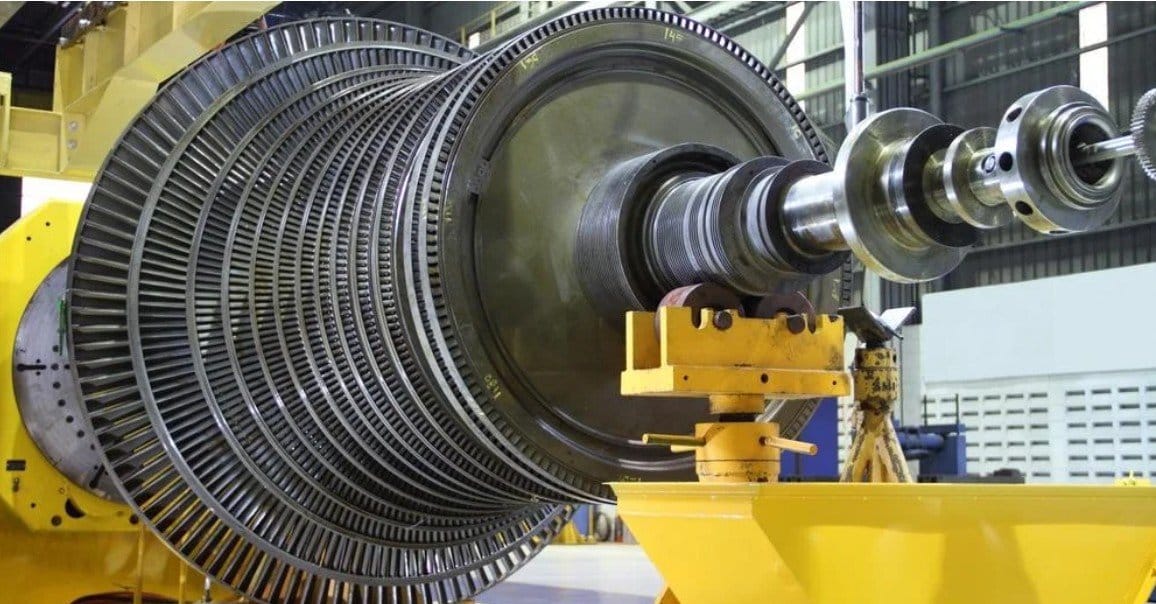
The most expensive component in your facility isn’t the turbine itself, but the friction currently destroying it from the inside out. It’s exhausting to manage unexplained machinery downtime or face the mounting costs of premature component replacement. You’re right to feel that traditional maintenance often misses the microscopic root causes of system instability. This guide to tribology for beginners provides the scientific clarity needed to shift your maintenance strategy from reactive repairs to proactive asset management.
We’ll examine the fundamental mechanics of friction and wear while exploring how specialized lubrication and purification techniques can extend the operational life of your critical infrastructure. By understanding the interfacial forces at play, you’ll learn to interpret oil analysis reports with confidence and implement solutions like varnish mitigation to protect your turbines and compressors. This journey into the science of rubbing surfaces will help you reduce unscheduled downtime and embrace a more sustainable, efficient approach to industrial health.
Key Takeaways
- This guide to tribology for beginners explains how the fundamental interactions between surfaces in motion dictate the lifespan of your critical assets.
- Learn to identify the three pillars of a tribosystem—friction, wear, and lubrication—to diagnose the root causes of unexplained machinery failure.
- Discover why contamination is the primary threat to industrial reliability and how to establish target cleanliness levels using ISO 4406 standards.
- Understand how proactive measures like regular oil analysis and hot oil flushing act as a technical reset for compromised internal systems.
- Shift your operational strategy from reactive repairs to science-driven maintenance that reduces unscheduled downtime and extends the life of turbines and compressors.
What is Tribology? Understanding the Science of Interacting Surfaces
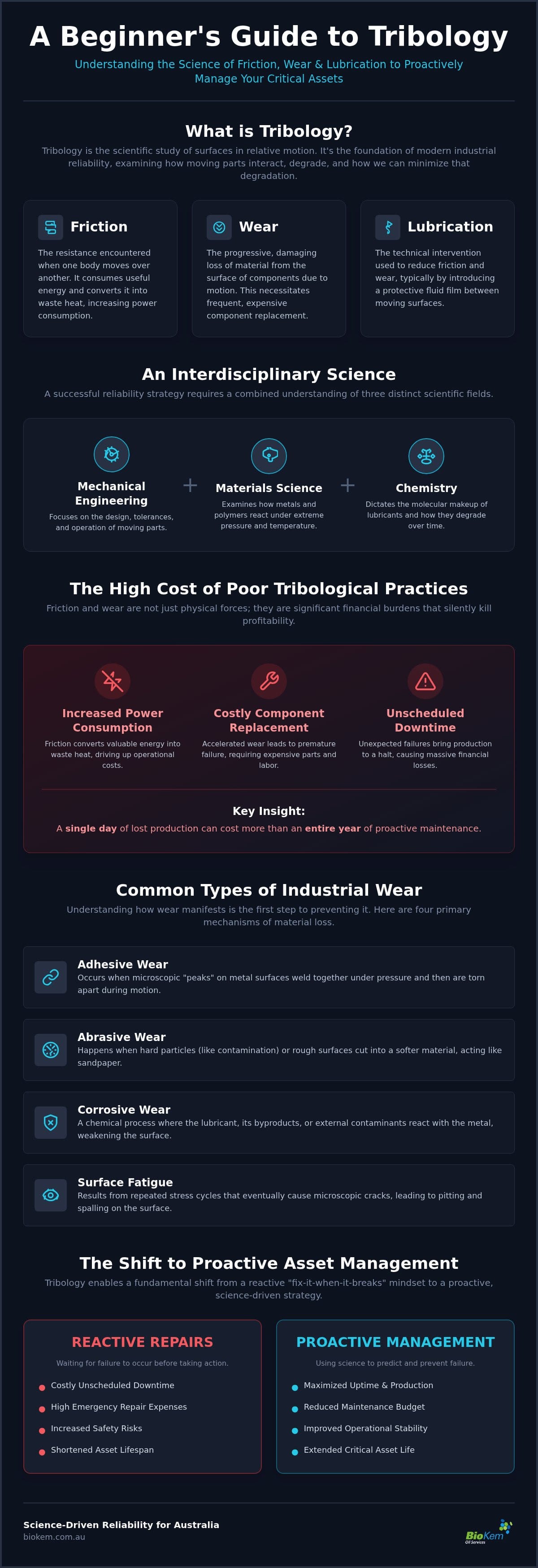
Tribology is the scientific study of surfaces in relative motion. While the term sounds complex, this guide to tribology for beginners simplifies the interaction between friction, wear, and lubrication. It’s the foundation of modern industrial reliability. At its core, tribology examines how moving parts interact, how they degrade over time, and how we can use specialized fluids to minimize that degradation. This isn’t just about oil; it’s about the entire lifecycle of your machinery.
The field relies on three fundamental pillars. Friction is the resistance encountered when one body moves over another. Wear is the progressive loss of material from the surface of those bodies. Lubrication is the technical intervention used to reduce friction and wear, typically by introducing a film between the moving parts. When these three elements are balanced, a machine operates at peak efficiency. When they’re ignored, the system begins a slow, expensive descent toward failure.
The term was first coined by Sir Peter Jost in 1966. His landmark report highlighted that friction and wear were causing massive economic losses that were entirely preventable through better engineering and maintenance. In 2026, the relevance of this science has only grown. As industrial operators face higher energy costs and stricter environmental regulations, mastering tribology is the most effective way to ensure asset life extension and reduce carbon footprints through improved energy efficiency.
The Interdisciplinary Nature of Tribology
Tribology isn’t a isolated field; it’s a sophisticated blend of three distinct sciences. Mechanical engineering focuses on the design and tolerances of moving parts. Materials science examines how different metals, polymers, and coatings react under extreme pressure and temperature. Finally, chemistry dictates the molecular makeup of lubricants and how they degrade when exposed to heat or oxygen. A successful maintenance strategy requires a basic understanding of all three disciplines to ensure that the right materials are paired with the right chemical protections.
The Economic Impact of Poor Tribological Practices
Friction isn’t just a physical force; it’s a financial burden. In a typical industrial environment, friction converts useful energy into waste heat, significantly increasing power consumption. Wear necessitates frequent component replacement and expensive labor. For those learning tribology for beginners, the most critical takeaway is the cost of unscheduled downtime. In the Australian industrial sector, a single day of lost production on a turbine or compressor can cost more than an entire year of proactive maintenance. By focusing on the health of the tribosystem, businesses can eliminate these hidden profit killers and ensure long term operational stability.
The Mechanics of Friction, Wear, and Lubrication
Understanding how machines fail requires a closer look at the microscopic battleground between moving parts. Friction is the resistance encountered when one body moves over another, consuming energy and generating heat. Wear is the progressive loss of material from the surface of a solid body as a direct result of that motion. While friction and wear are often linked, they aren’t the same. High friction doesn’t always mean high wear, but in industrial assets like turbines, both must be managed to prevent catastrophic failure.
The Stribeck Curve is the primary tool for visualizing these interactions. It maps the relationship between the coefficient of friction and a dimensionless parameter involving lubricant viscosity, speed, and load. For anyone studying tribology for beginners, the Stribeck Curve demonstrates why maintaining the correct operating conditions is vital. It shows that as speed increases or load decreases, the system moves through different lubrication regimes, each offering varying levels of protection. Moving outside these ideal parameters often leads to the very downtime maintenance managers dread.
Types of Friction and Wear in Industrial Systems
Wear manifests in several distinct ways within a heavy industrial environment. Adhesive wear occurs when surface asperities—the microscopic “peaks” on a metal surface—weld together and tear apart during motion. Abrasive wear happens when hard particles or rough surfaces cut into a softer material, acting much like sandpaper on a finish. Corrosive wear is a chemical process where the lubricant or external contaminants react with the metal, weakening the surface over time. Finally, surface fatigue results from repeated stress cycles, eventually causing cracks and pitting in bearings or gears. Identifying these patterns through expert ferrogram analysis allows maintenance teams to pinpoint exactly which failure mode is active before it causes a total system shutdown.
The Role of the Lubricant Film
The goal of any lubrication strategy is to maintain a specific film thickness between moving parts. In boundary lubrication, the fluid film is so thin that surface contact is frequent, leading to high friction and wear. This often occurs during machine startup or shutdown when speeds are too low to generate pressure. Mixed lubrication is a transition phase where the load is supported by both the lubricant and the surface peaks. The ideal state is hydrodynamic lubrication, where a full fluid film completely separates the surfaces. In this regime, the physical properties of the oil dictate the system’s efficiency and longevity, effectively eliminating metal-to-metal contact and the associated risks of component failure.
Identifying Failures in the Industrial Tribosystem
A tribosystem is more than just two pieces of metal rubbing together. It’s an integrated structure comprising the machine components, the lubricant, and the surrounding environment. For those exploring tribology for beginners, understanding this holistic view is vital. If one element changes, such as an increase in ambient temperature or the introduction of dust, the entire system’s equilibrium is threatened. You can’t treat the oil in isolation from the machine it protects or the atmosphere it breathes.
Contamination remains the primary enemy of hydraulic and lubrication systems. Even particles invisible to the naked eye can cause significant internal damage through abrasive wear. The industry uses ISO 4406 as the global language for measuring oil cleanliness. This standard provides a three-part code representing the number of particles at 4, 6, and 14 microns. By establishing target cleanliness levels based on these ISO standards, maintenance teams can move from guessing to data-driven decision making. It’s a precise way to quantify the health of your fluid before a failure occurs.
Varnish: The Modern Tribological Challenge
Modern high-pressure systems often face a complex failure known as varnish. This isn’t a hard particle but a soft contaminant resulting from oil oxidation and thermal degradation. When oil is stressed by heat, it forms sub-micron polar molecules that eventually plate out on cooler metal surfaces. These sticky deposits are particularly dangerous in high-precision equipment. They cause servo-valves to stick or seize, leading to catastrophic turbine trips and expensive unscheduled downtime. Managing this requires specialized varnish mitigation solutions that target these soluble contaminants before they can solidify on critical internal components.
Environmental Factors Affecting the Tribosystem
The Australian climate introduces specific challenges to tribological health. Extreme heat can cause a rapid drop in lubricant viscosity, pushing a system from hydrodynamic lubrication into the high-risk boundary regime. This change in fluid thickness directly impacts the machine’s ability to support heavy loads. Moisture and high humidity are equally dangerous. They catalyze rust and cause oil hydrolysis, which breaks down the lubricant’s chemical structure and reduces its protective capabilities. In mining and heavy industry, external particulates like silica dust are constant threats. Without robust sealing and filtration, these abrasive particles enter the tribosystem and accelerate surface wear, leading to premature asset failure.
Applying Tribology to Proactive Asset Management
Theoretical knowledge of tribology for beginners serves little purpose until it’s translated into a rigorous maintenance strategy. Moving from a reactive “fix-on-fail” mindset to a proactive model requires a structured approach to fluid health. This transition ensures that the interfacial mechanics discussed earlier remain within safe operational limits. By following a sequence of technical interventions, operators can effectively manage the lifespan of their most critical assets.
A proactive strategy typically involves five foundational steps. First, implement regular oil analysis to establish a baseline for system health. Second, define target cleanliness levels based on the ISO 4406:2021 standard to quantify acceptable contamination. Third, utilize high-performance filtration to remove abrasive particles that cause surface fatigue. Fourth, perform hot oil flushing to reset the system after a component failure or during the commissioning of new assets. Finally, monitor for oxidation and soft contaminants to prevent the onset of varnish before it compromises valve functionality.
The Power of Oil Analysis
Oil analysis is the primary window into the internal condition of your machinery. By tracking wear metal trends, you can predict component failure long before it manifests as a physical breakdown. For instance, a sudden spike in copper or lead often indicates bearing wear, while rising silicon levels suggest a breach in the system’s seals. It’s equally important to monitor additive depletion. Lubricants contain a complex package of antioxidants and anti-wear agents that eventually sacrifice themselves to protect the metal surfaces. Understanding when your oil is “chemically dead” prevents you from running a system on fluid that no longer provides a protective film. You can access these insights through our laboratory testing and analysis services.
Hot Oil Flushing: Restoring Tribological Balance
While a standard oil change removes some contaminants, it often leaves significant debris trapped in dead legs and horizontal pipe runs. Hot oil flushing is a superior alternative that uses high-velocity, turbulent flow to lift and remove particles that static draining cannot reach. This process is essential for removing “built-in” contamination, such as welding slag or preservative coatings, from new system installations. It acts as the ultimate technical reset for a compromised tribosystem. For a deeper technical dive, read The Ultimate Guide to Hot Oil Flushing. To ensure your system achieves peak ISO cleanliness, consider booking a professional hot oil flushing and filtering service today.
BioKem’s Approach: Science-Driven Reliability for Australia
BioKem Oil Services bridges the gap between theoretical science and industrial application. For those concluding this introduction to tribology for beginners, the next step involves applying these principles to real-world assets to ensure long-term stability. We provide comprehensive onsite solutions across Australia, including hot oil flushing, vacuum dehydration, and varnish mitigation. These services aren’t just maintenance tasks; they’re precise technical resets designed to restore the equilibrium of your tribosystem and protect your most valuable infrastructure.
As the sole Australian distributor for Filters S.p.A., we combine global engineering excellence with deep local expertise. This partnership allows us to supply specialist oil filters that meet the rigorous ISO 4406 standards required for modern industrial reliability. By focusing on sustainable lubrication practices, we help facilities extend the life of their existing fluids. This approach reduces the environmental impact of frequent oil changes, lowers waste, and minimizes the overall carbon footprint of your operations.
Onsite Technical Expertise
We deploy specialized machinery directly to your facility, regardless of its location in Australia. Our team focuses on managing the health of your fluids through technical purification rather than relying on frequent, costly oil replacements. This method ensures your equipment remains in peak condition while maintaining strict regulatory compliance and long-term ecological health. It’s a solution-oriented approach that values the integrity of the machine and the environment equally.
Next Steps for Your Facility
Managing your assets effectively begins with a clear understanding of your current fluid health. We recommend auditing your current lubrication practices against the tribological best practices outlined in this guide. Identifying gaps in your filtration or monitoring protocols can prevent the next unscheduled shutdown of your turbines or compressors. Contact BioKem Oil Services today for a strategic consultation to secure the reliability and efficiency of your critical assets.
Advancing Your Strategy for Industrial Reliability
Mastering the science of interacting surfaces is the most effective way to eliminate the hidden costs of friction and wear. This guide to tribology for beginners has outlined how understanding your machine’s internal environment allows for a shift from reactive repairs to proactive reliability. By focusing on fluid cleanliness and monitoring wear trends, you protect both your equipment and your operational budget from the risks of unscheduled downtime.
BioKem Oil Services is your dedicated partner in this technical journey. As the sole Australian distributor for Filters S.p.A. with full national coverage, we provide the specialist onsite hot oil flushing and varnish mitigation services needed to reset your tribosystems. It’s time to apply these scientific principles to your facility’s maintenance program. Optimise your asset reliability with BioKem’s expert oil services and ensure your critical infrastructure operates with peak efficiency for years to come. Your assets deserve a maintenance strategy as sophisticated as the engineering they protect.
Frequently Asked Questions
What is the primary goal of tribology in an industrial setting?
The primary goal is to optimize the interaction of moving surfaces to minimize energy loss and maximize asset lifespan. By controlling friction and wear, industrial operators ensure operational reliability and reduce the frequency of component replacements. This holistic approach prevents catastrophic failures and maintains the technical integrity of critical systems like turbines and compressors. It’s about achieving peak efficiency while minimizing environmental waste.
How does tribology differ from simple lubrication management?
Tribology is a broader scientific discipline that encompasses friction, wear, and lubrication as an integrated system. While simple lubrication management often focuses on oil changes and top-ups, tribology examines the interfacial mechanics between surfaces. It looks at the root causes of material loss and chemical degradation. This deeper level of analysis is essential for anyone studying tribology for beginners to move beyond basic maintenance into proactive reliability.
What are the most common signs of a tribological failure in a hydraulic system?
Increased operating temperatures and sluggish valve response are the most frequent indicators of a tribological failure. You might also notice unusual audible noise from pumps or see visible darkening of the fluid, which suggests oxidation. These symptoms often point to underlying issues like varnish buildup or high particulate contamination. Catching these signs early prevents the total seizure of precision hydraulic components and avoids expensive unscheduled downtime.
Can tribology help in reducing the carbon footprint of my plant?
Applying tribological principles directly reduces a plant’s carbon footprint by improving energy efficiency and extending oil life. Friction consumes significant amounts of energy as waste heat; reducing this resistance lowers power consumption. Additionally, technical purification methods like vacuum dehydration allow you to reuse existing lubricants. This minimizes the environmental impact associated with the production, transport, and disposal of new synthetic oils.
What is an ISO 4406 code and why should I monitor it?
The ISO 4406 code is a standardized reporting method that quantifies the number of solid particles in a fluid sample. It uses three numbers to represent particle counts at 4, 6, and 14 microns. Monitoring this code is vital because it provides a precise measurement of fluid cleanliness. Maintaining target ISO levels is the most effective way to prevent abrasive wear and ensure the longevity of high-pressure industrial systems.
How often should I perform oil analysis to maintain tribological health?
Most industrial facilities should perform oil analysis quarterly, though critical assets like power generation turbines may require monthly testing. The frequency depends on the system’s operating environment, load, and criticality to production. Regular sampling allows you to establish a baseline and identify wear trends before they lead to failure. It’s a fundamental step in any proactive strategy for those learning tribology for beginners.
Is hot oil flushing necessary for new equipment?
Hot oil flushing is essential for new equipment to remove “built-in” contaminants like welding slag, dust, and preservative coatings. These particles are often left behind during the manufacturing and installation processes. If they aren’t removed before startup, they can cause immediate abrasive wear on precision surfaces. A high-velocity flush ensures the system starts its operational life at the required ISO cleanliness level, preventing early-life failures.
What is the difference between adhesive and abrasive wear?
Adhesive wear occurs when microscopic surface peaks weld together and tear apart during motion, while abrasive wear involves hard particles cutting into a softer surface. Think of adhesive wear as “scuffing” between similar metals and abrasive wear as “sandpaper” action from external contaminants. Both mechanisms degrade component tolerances; however, they require different mitigation strategies, such as improved lubricant film thickness or more robust particulate filtration.