

Did you know that unplanned downtime costs industrial manufacturers an average of A$260,000 every single hour? This staggering figure often forces Australian site managers into a cycle of high capital expenditure just to keep operations running. You’ve likely felt the frustration of a critical system failing due to varnish-related valve sticking or a bearing seal giving way at the worst possible moment. Can You Extend the Life of Your Rotational Equipment? The answer is a definitive yes, provided you look beyond mechanical fixes to the integrity of your industrial fluids.
We understand that maintaining reliability while managing tight budgets is a constant challenge. This article promises to show you how to bypass expensive replacement cycles by mastering lubrication and fluid management strategies that can double your asset lifespans. We’ll provide a clear roadmap to extend equipment life by five to ten years through evidence-based maintenance. You’ll learn how precision techniques like oil analysis and varnish mitigation can reduce emergency repair costs and ensure your facility remains compliant with the evolving 2026 environmental standards.
Key Takeaways
- Identify why original equipment manufacturers often prioritize unit replacements over life-extension programmes and how to recognize the “replacement trap.”
- Understand the core question, Can You Extend the Life of Your Rotational Equipment?, by uncovering the sub-micron particles and thermal varnish that bypass traditional filtration.
- Discover a 5-step roadmap for asset longevity that begins with advanced oil analysis and ferrography to establish a precise health baseline.
- Compare the return on investment between mechanical refurbishment and high-velocity hot oil flushing to determine the most efficient path for your operations.
- Learn how onsite technical interventions, such as varnish mitigation and vacuum dehydration, protect critical Australian industrial infrastructure from premature failure.
The Longevity Challenge: Why Rotational Equipment Fails Prematurely
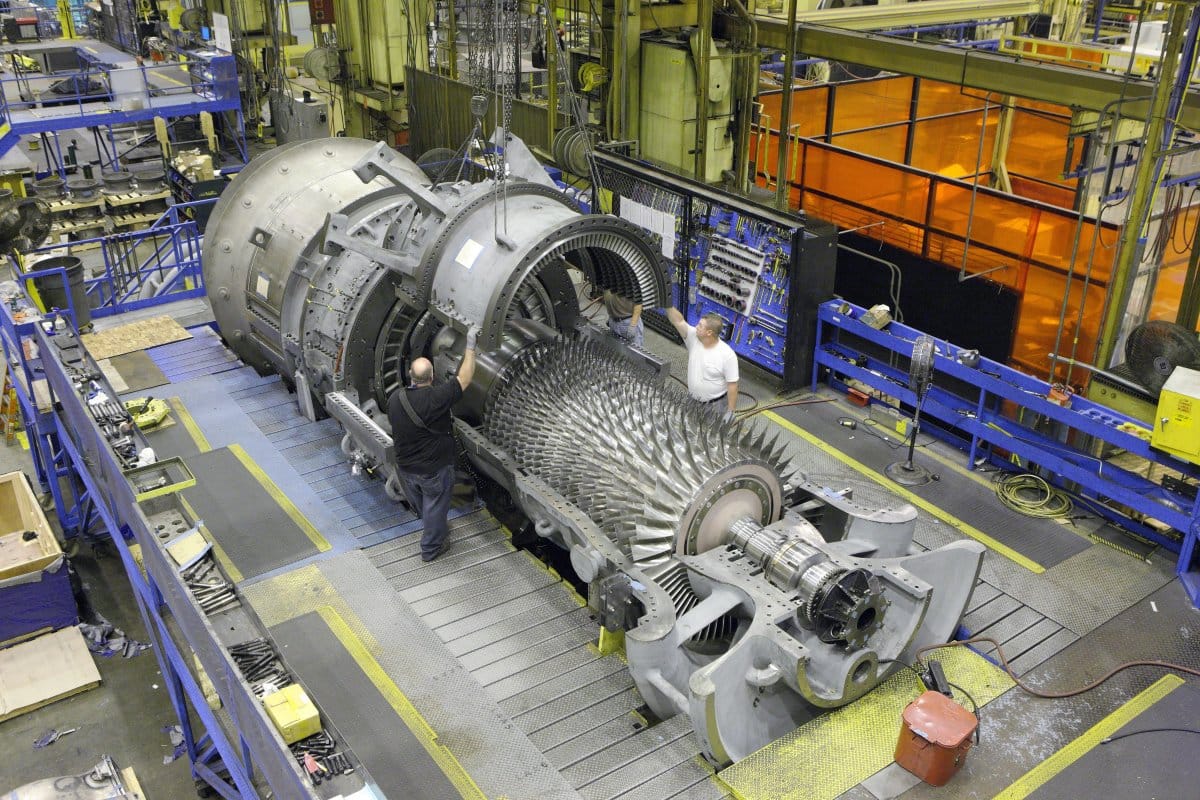
Critical rotational assets like turbines, compressors, and high-pressure pumps are the heart of Australian industrial operations. Their lifecycles are theoretically decades long, yet many fail prematurely due to accumulated stress and fluid contamination. The central question for site managers often becomes: Can You Extend the Life of Your Rotational Equipment? Understanding the lifecycle requires looking past the standard wear-and-tear models provided by manufacturers. It requires a focus on the micro-environments within the machine where failure actually begins.
Many businesses fall into the “Replacement Trap.” Original Equipment Manufacturers (OEMs) often prioritize the sale of new units, downplaying the viability of targeted life-extension programmes. This creates an artificial tipping point where replacement seems like the only option to avoid catastrophic failure. However, by identifying the root causes of wear early, you can bypass this expensive cycle and maintain operational integrity. It’s about recognizing that mechanical longevity is often a byproduct of fluid health rather than just mechanical robustness.
To better understand this concept, watch this helpful video:
The Economic Reality of Asset Life Extension
Choosing between a new capital expenditure (CAPEX) and an operational expenditure (OPEX) for life extension is a critical financial decision. In Australia, the lead times for large-scale industrial assemblies can stretch into months, or even years, due to global supply chain constraints. Extending the life of an existing asset by just 20% can significantly improve long-term profitability. It avoids the massive upfront costs of new machinery while ensuring your production remains steady. This strategy isn’t just about saving money; it’s about maintaining a competitive edge in a market where equipment availability is never guaranteed.
Common Failure Mechanisms in Heavy Industry
Mechanical failure isn’t an overnight event. It’s a progression. Bearing fatigue, shaft deflection, and seal degradation are usually symptoms of a deeper issue. Standard preventive maintenance schedules often miss the sub-micron contaminants that cause these issues. There’s a direct correlation between fluid health and mechanical stress. When oil becomes contaminated, it loses its ability to protect surfaces, leading to friction and heat. This thermal stress eventually breaks down the lubricant further, creating a destructive feedback loop.
To shift the failure curve, you must understand the P-F Interval. This is the time between when a potential failure is first detectable and when the actual failure occurs. By using advanced techniques like oil analysis and ferrography, you can detect issues long before they require a full replacement. This proactive approach turns maintenance from a reactive cost into a strategic asset management tool that doubles the effective life of your machinery.
The Invisible Killers: How Contamination and Varnish Compromise Asset Life
Traditional filtration methods often provide a false sense of security. While they capture large debris, they frequently fail to address the sub-micron particles that cause the most significant damage. These microscopic contaminants act like a fine abrasive, creating a “sandblasting” effect within high-velocity oil streams. Over time, this accelerates mechanical erosion and compromises the tight tolerances required for turbines and compressors. When asking, Can You Extend the Life of Your Rotational Equipment?, one must first address these invisible threats that bypass standard maintenance protocols. These particles are often smaller than the lubricant film thickness, allowing them to grind away at metal surfaces without being trapped by conventional filters.
Varnish is a primary culprit in premature failure. It begins as a chemical byproduct of thermal and oxidative stress. As oil temperatures fluctuate, soluble contaminants precipitate out of the fluid, forming a sticky, resilient film on internal surfaces. This film doesn’t just look unsightly; it creates significant operational risks. Moisture and aeration further exacerbate the issue by weakening the oil film strength, leaving bearings vulnerable to metal-to-metal contact. This degradation of the fluid physical properties is why industry data suggests roughly 80% of mechanical failures are actually lubrication-related issues. By ignoring the chemical health of the oil, operators inadvertently shorten the lifespan of their most expensive assets.
Varnish: The Silent Threat to Turbines and Hydraulics
Varnish is particularly dangerous because it targets critical components like servo valves and heat exchangers. It causes valve sticking and restricted oil flow, which can lead to unscheduled trips or catastrophic system failure. In high-temperature systems, varnish exists in two states: dissolved and suspended. Managing this requires specialized varnish removal systems that can treat the fluid while the equipment is online. These systems act as a critical life-extension tool, pulling precursors out of the oil before they can settle as a destructive film. Addressing the fluid chemistry directly prevents the mechanical seizing that often leads to premature decommissioning.
Particulate Contamination and ISO 4406 Standards
The industry uses a specific metric to quantify fluid health and predict wear rates. ISO 4406 is the global benchmark for oil cleanliness. It represents the number of particles at 4, 6, and 14 microns per millilitre of fluid. Maintaining a specific ISO cleanliness code can double bearing life by reducing the abrasive wear that occurs at the microscopic scale. Even a small reduction in particulate count can result in years of additional service life for your machinery. For precise monitoring, utilizing a particle pal range sensor provides real-time data to ensure your system stays within safe operational limits. This data-driven approach is essential for anyone wondering, Can You Extend the Life of Your Rotational Equipment? in a high-demand industrial environment.
Refurbishment vs. Fluid-Centric Preventive Maintenance
When a critical pump or compressor nears the end of its predicted service life, the traditional response is a full mechanical rebuild. This usually involves stripping the unit, machining surfaces, and replacing bearings. While these actions restore the metal, they don’t address the environment the metal operates in. Can You Extend the Life of Your Rotational Equipment? The answer depends on whether you treat the machine as a set of parts or as a complete system. Mechanical refurbishment restores the asset to its baseline, but fluid-centric maintenance ensures it stays there. A mechanical rebuild for a large industrial turbine can easily exceed A$250,000. If the underlying cause of failure was fluid contamination, that new metal will degrade at the same accelerated rate as the old components.
We advocate for a “Clean Start” philosophy. This strategy dictates that fluid purification must precede or accompany any mechanical refurbishment. It’s useless to replace a precision bearing if the lubrication lines are still coated in the abrasive grit and varnish that destroyed the previous one. By making hot oil flushing a standard pre-commissioning requirement, you ensure that refurbished components enter a pristine environment. This proactive step significantly increases the ROI of your maintenance spend by protecting the integrity of the new parts from their first hour of operation.
The Limitations of Mechanical-Only Repair
New bearings often fail within months if the lubrication system remains contaminated. The repair process itself can introduce “built-in” debris, such as welding slag, grinding dust, or sealant fragments. Systemic cleaning is the only way to remove these latent threats. Without a thorough flush, these particles circulate through the system, causing immediate scoring on fresh surfaces. This is why many Australian site managers find themselves in a cycle of repetitive repairs that never seem to solve the root cause of the issue.
Strategic Fluid Purification Technologies
Modern reliability strategies rely on advanced technologies to maintain fluid integrity. Vacuum dehydration is essential for removing 100% of free and 90% of dissolved water, which prevents oil oxidation and hydrogen embrittlement in bearings. For removing solid deposits, high-velocity flushing is required. This process uses turbulent flow, achieved at specific Reynolds numbers, to dislodge stubborn internal contaminants that static oil changes leave behind. Utilizing specialist oil filters during this purification process ensures that the fluid reaches the stringent ISO cleanliness codes required for long-term asset health. These technical interventions aren’t just maintenance tasks; they’re essential investments in your plant’s operational future.
5 Steps to Extending Rotational Equipment Life through Advanced Lubrication
Achieving technical longevity requires more than following a calendar. It demands a systematic approach to fluid health. If you are asking, Can You Extend the Life of Your Rotational Equipment?, these five steps provide the technical roadmap required to double asset lifespans. While traditional maintenance focuses on mechanical adjustments, this roadmap prioritizes the chemical and physical state of the lubricant. This ensures your turbines and compressors operate in an environment that actively prevents wear rather than just reacting to it.
- Step 1: Baseline Analysis – Use precision ferrography and particle counting to map the current health of your system and identify existing wear patterns.
- Step 2: System De-Contamination – Execute a high-velocity hot oil flush to clear the “arteries” of the machine, removing latent debris that standard oil changes miss.
- Step 3: Varnish Mitigation – Implement chemical-specific filtration to remove soft contaminants and prevent the formation of sticky films on critical valves.
- Step 4: Water Removal – Utilize vacuum dehydration to restore dielectric strength and lubricity, removing 100% of free and 90% of dissolved water.
- Step 5: Continuous Monitoring – Move to a proactive sampling schedule with real-time sensors to prevent re-contamination and catch issues before they escalate.
Precision Oil Analysis and Ferrography
Actionable reliability data starts with looking at the shape and size of wear particles. A filter ferrogram analysis identifies specific wear metals long before a component reaches the point of failure. Unlike standard lab reports that only provide elemental counts, ferrography tells you if a particle came from a bearing race, a gear tooth, or an external source. This level of detail allows site managers to make informed decisions about when to intervene, shifting the maintenance model from reactive to truly predictive. It’s the difference between guessing your equipment health and knowing it with scientific certainty.
Implementing a High-Velocity Flush
Static oil changes are remarkably inefficient, often removing only 10-20% of total system contaminants. The remaining debris stays trapped in dead legs and on pipe walls, ready to contaminate the fresh oil immediately. To achieve a truly clean system, you must implement a high-velocity flush that reaches specific Reynolds numbers to ensure turbulent flow. This turbulence is what dislodges stubborn internal deposits. “High-velocity hot oil flushing is the only method capable of removing the microscopic debris that initiates bearing fatigue.” This process is essential for any facility looking to extend the service life of high-value rotational assets. Ensure your system is protected from the start by scheduling a professional hot oil flush to remove latent contaminants.
BioKem Oil Services’ Integrated Reliability Solutions: Beyond Standard Oil Changes
BioKem Oil Services operates as an authoritative partner for Australian industrial sectors, providing the technical interventions necessary to break the expensive replacement cycle. When considering the question, Can You Extend the Life of Your Rotational Equipment?, the answer lies in the application of specialized technologies that standard maintenance teams often lack. We provide the expertise required to transition from basic oil changes to sophisticated fluid management. This shift ensures that critical assets like turbines and compressors reach their full design potential, even in the harsh operating conditions found in the Australian mining and power generation sectors. Our focus remains on scientific precision, ensuring every intervention is backed by data and results in a measurable extension of mechanical service life.
Onsite Technical Interventions across Australia
Managing complex fluid systems requires more than just equipment; it requires deep technical expertise. BioKem Oil Services offers a national capability for hot oil flushing and varnish mitigation, delivering turnkey solutions that range from initial analysis to final certification. Our technicians understand the regional regulatory standards and the specific needs of local infrastructure. By performing these services onsite, we minimize logistical delays and ensure your equipment returns to service with a documented baseline of cleanliness. This comprehensive approach addresses the root causes of wear and supports your sustainability goals by significantly reducing the volume of waste oil generated through premature fluid disposal.
Specialist Equipment and Distribution
Access to world-class hardware is a cornerstone of any life-extension project. Through BioKem Oil Services’ distribution partnerships, Australian operators can source Filters S.p.A. technology, which provides the high-efficiency filtration required for critical asset protection. For facilities managing short-term projects or specific contamination events, we offer flexible equipment hire options. You can find detailed information on choosing the right hardware in our industrial oil filtration equipment hire guide. This allows your team to utilize vacuum dehydration units and high-velocity flushing rigs without the need for significant capital expenditure. Whether you require a permanent filtration upgrade or a temporary intervention, we provide the tools necessary to maintain ISO cleanliness standards and protect your mechanical investments.
Ready to secure the future of your machinery? Contact BioKem Oil Services for a comprehensive asset health assessment and discover how our evidence-based strategies can double your equipment lifespans.
Securing the Future of Your Industrial Assets
The path to industrial reliability requires a fundamental shift from reactive replacement to proactive fluid management. By addressing the sub-micron particles and chemical varnish that standard filtration misses, you can double the service life of your turbines and compressors. We’ve outlined a technical roadmap that prioritizes fluid integrity as the primary driver of mechanical health. Can You Extend the Life of Your Rotational Equipment? With the right technical interventions, the answer is a definitive yes.
BioKem Oil Services brings over 15 years of specialized industrial lubrication expertise to your facility. As the sole Australian distributor for Filters S.p.A., we combine world-class hardware with a national onsite service capability tailored for the mining and power generation sectors. Don’t wait for the next unscheduled trip to address your system’s health. Take the first step toward long-term asset security by choosing to Request an Onsite Oil Analysis and System Audit. Our team is ready to help you achieve a clean, efficient, and sustainable operational future.
Frequently Asked Questions
Can oil analysis really predict rotational equipment failure?
Oil analysis acts as a predictive diagnostic tool by identifying microscopic wear metals and chemical changes before mechanical failure occurs. Advanced techniques like ferrography allow technicians to determine the exact origin of wear particles. This data enables site managers to answer the question, Can You Extend the Life of Your Rotational Equipment?, by intervening during the early stages of the failure curve rather than reacting to a catastrophic breakdown.
What is the difference between an oil change and a hot oil flush?
An oil change simply replaces the fluid, whereas a hot oil flush uses high-velocity turbulent flow to remove contaminants from the internal pipework and reservoirs. A standard drain and fill often leaves behind a significant portion of the system’s total debris and varnish. High-velocity flushing ensures the entire circulatory system of the machine is decontaminated, providing a clean environment for both new and existing components.
How much does varnish actually impact the lifespan of a turbine?
Varnish significantly reduces turbine lifespan by causing servo-valve sticking and restricting oil flow to critical bearings. It acts as an insulator on heat exchangers, leading to higher operating temperatures that accelerate oil oxidation. Left untreated, varnish creates a destructive cycle of thermal stress and mechanical wear that can force a turbine into premature decommissioning years before its intended design life ends.
Is it better to repair or replace a bearing housing that shows signs of wear?
The decision depends on the extent of the wear, but repairing is often viable if the underlying lubrication issue is addressed simultaneously. Simply replacing a housing without fixing the fluid contamination that caused the wear is a short-term fix. We recommend a comprehensive system audit to ensure that any mechanical repair or replacement is protected by a high-velocity flush and improved filtration protocols.
How often should high-velocity flushing be performed on critical assets?
High-velocity flushing is typically required during initial commissioning, after major mechanical repairs, or when oil analysis indicates a rise in particulate or varnish levels. It isn’t a calendar-based task like a filter change. Instead, it serves as a strategic intervention to restore a system to its baseline cleanliness when routine maintenance can no longer keep up with contamination rates.
Can vacuum dehydration be performed while the equipment is still in operation?
Yes, vacuum dehydration units are designed to be connected to the reservoir for kidney-loop filtration while the equipment remains online. This allows for the continuous removal of free and dissolved water without requiring unscheduled downtime. Maintaining low moisture levels is a core component of how you protect your assets by preventing oil degradation and hydrogen embrittlement.
What ISO cleanliness code is required for high-speed rotational bearings?
High-speed rotational bearings typically require a minimum ISO 4406 cleanliness code of 16/14/11 or better to ensure long-term reliability. Achieving these levels usually requires the use of specialist oil filters and advanced purification technologies. Maintaining this standard significantly reduces the risk of abrasive wear and surface fatigue, which are the primary causes of bearing failure in turbines and compressors.
Does BioKem Oil Services provide equipment hire for remote industrial sites in Australia?
BioKem Oil Services provides a comprehensive range of equipment hire options specifically for remote industrial sites across Australia. This includes vacuum dehydration units, high-velocity flushing rigs, and varnish mitigation systems. Our equipment is built to withstand harsh environments, allowing local teams to execute critical maintenance projects in mining or power generation facilities without the need for immediate capital expenditure on hardware.