

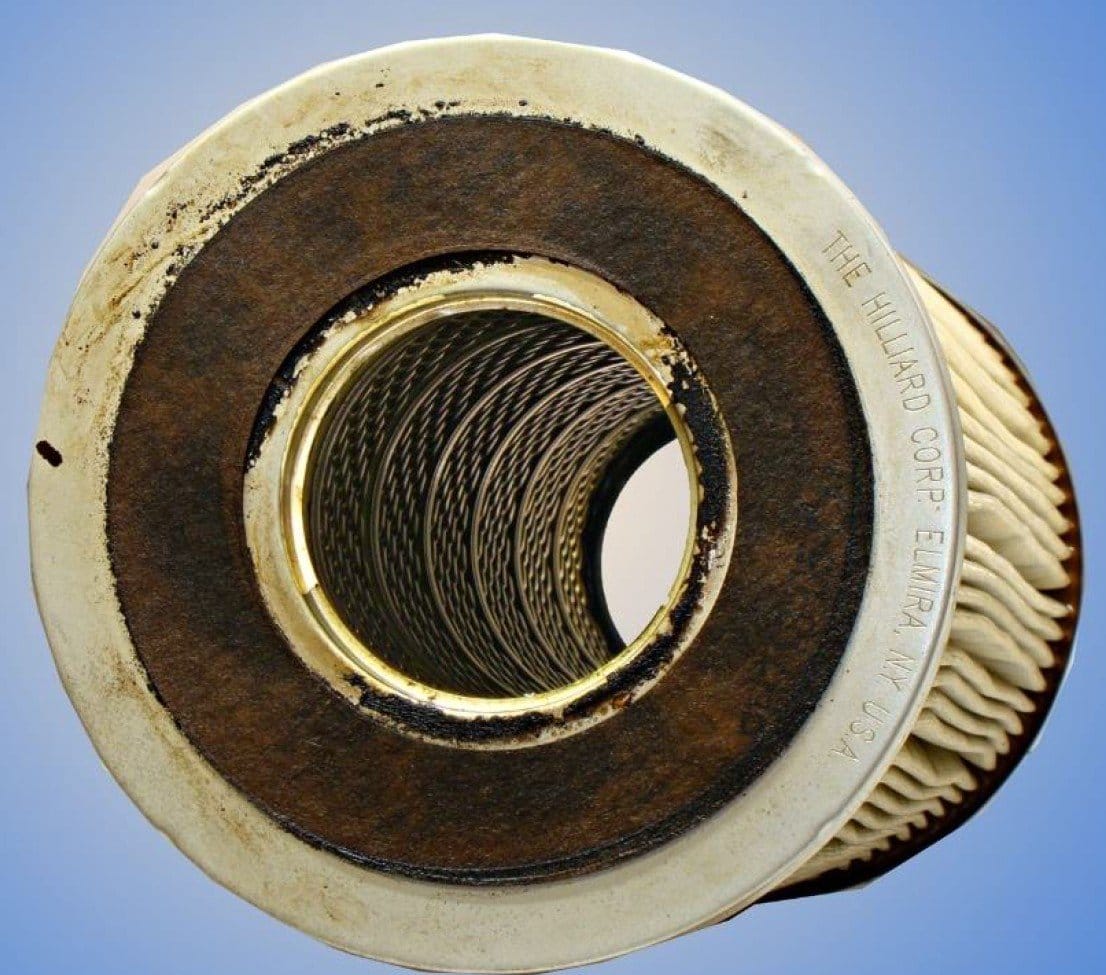
Research indicates that a mere 1 millimetre of carbon buildup can slash thermal efficiency by 40 percent, directly increasing energy overheads for Australian facilities. Most maintenance managers understand that oil degradation is a constant challenge, yet they often treat the symptoms of varnish rather than the root cause of carbonisation. You’ve likely dealt with the frustration of sticking valves or the sudden, expensive reality of unscheduled downtime when filters plug during peak production. Understanding the benefits of decoking carbon deposits is essential for reclaiming your system’s original design parameters and protecting your high value capital assets.
This guide explains how professional decoking and carbon removal restore thermal efficiency and prevent catastrophic failure in critical industrial machinery. We’ll show you how to return system performance to OEM specifications while extending the remaining useful life of your oil and your assets. By adopting a proactive approach to system hygiene, you can avoid the financial sting of component failure and ensure your operations remain both profitable and sustainable.
Key Takeaways
- Understand how thermal decomposition creates hard carbonaceous residues and why identifying these deposits early is critical for preventing catastrophic asset failure.
- Discover the benefits of decoking carbon deposits, specifically how removing these insulating barriers restores thermal conductivity and system efficiency.
- Learn to distinguish between “soft” varnish and “hard” carbon coke to ensure your oil analysis and maintenance strategies are targeting the correct contaminants.
- Explore how professional chemical cleaning clears narrowed oil galleries, ensuring proper lubrication flow and film strength for critical industrial machinery.
- Identify the specialized onsite technical support and equipment BioKem provides across Australia to maintain high-performance heat transfer systems and turbines.
Understanding Carbon Deposits and Coking in Industrial Systems
Coking refers to the accumulation of solid carbonaceous residue formed by the thermal decomposition of hydrocarbons. In industrial lubrication, this process occurs when lubricant molecules break down under extreme heat. To understand the root cause, one must look at what is petroleum coke; a byproduct of oil refining that mirrors the hard, insoluble deposits found in high-performance machinery. These deposits act as insulators, trapping heat and accelerating further degradation. It’s a self-reinforcing cycle that eventually leads to component failure if left unaddressed.
To better understand this concept, watch this helpful video:
The science of thermal oxidation drives this process. When oil is exposed to temperatures exceeding 200°C in the presence of air, oxygen reacts with the hydrocarbon chains. Modern Group II base oils, while highly refined to remove impurities like sulfur, often possess lower solubility than older Group I oils. This means that once oxidation products form, they precipitate out of the fluid more quickly. This leads to rapid carbonisation. Realising the benefits of decoking carbon deposits is essential for maintaining equipment longevity in Australia’s harsh industrial environments.
Common hot spots include bearing housings where localised heat can spike, heat exchanger tubes where fluid velocity slows, and high-pressure valves. In these zones, the oil film is thinnest and the thermal stress is highest. Even a thin layer of carbon can reduce heat transfer efficiency by up to 20% in some applications.
The Lifecycle of Oil Degradation
Oil doesn’t turn into coke overnight. It follows a three-stage progression. Phase 1 begins with oxidation, creating polar molecules that increase fluid acidity. Phase 2 involves varnish precipitation, where these molecules coalesce into a sticky film on metal surfaces. Finally, Phase 3 sees polymerisation. The varnish bakes under sustained heat, transitioning into hard, brittle carbon coke. This material is nearly impossible to remove without specialised chemical or mechanical intervention.
Identifying the Symptoms of Carbon Buildup
Operators must monitor specific performance indicators to catch buildup early. Early detection is key to capturing the benefits of decoking carbon deposits before a total system seizure occurs. Key symptoms include:
- Rising bearing temperatures: A 5°C to 10°C increase above baseline often signals that carbon is insulating the bearing or restricting oil flow.
- Reduced flow rates: Carbon in heat transfer systems can cause pressure drops exceeding 15% of the design specification.
- Erratic valve performance: Stiction in hydraulic circuits, particularly in servo valves, indicates varnish or carbon is interfering with tight tolerances.
The Primary Benefits of Decoking Carbon Deposits
Decoking is a critical maintenance protocol for any high-temperature industrial system. The benefits of decoking carbon deposits are realized immediately through the restoration of thermal conductivity. Carbon buildup functions as an unintended insulator. In heat transfer systems, a 1mm layer of carbon can reduce heat transfer efficiency by as much as 25 percent. Removing this barrier ensures that heat exchangers operate at their design capacity, allowing for precise temperature control.
Research into the carbonization of lubricating oils highlights how high-temperature environments accelerate deposit formation, which eventually chokes oil galleries and orifices. When these pathways are cleared, the system maintains proper oil film strength. This prevents the abrasive wear caused by hard carbon particles that have broken loose into the oil stream.
Operational efficiency improves because the system doesn’t have to work as hard to move fluid. Systems operating with heavy carbon loads consume more energy. Pumps must work harder to push fluid through restricted pathways. Eliminating these deposits typically results in a 3 to 7 percent reduction in electricity consumption for large-scale pump sets. Additionally, carbon particles act as a catalyst for further oxidation. By removing them, you extend the functional life of the lubricant, which reduces the frequency of oil changes and lowers procurement costs.
Operational Reliability and Downtime Prevention
Carbon deposits often cause the sudden death of critical bearings by blocking vital lubrication points. This leads to unscheduled downtime, which can cost Australian mining or manufacturing operations upwards of A$50,000 per hour depending on the facility’s scale. Regular decoking schedules reduce these unplanned events by approximately 40 percent. The ROI of decoking is realized the moment it prevents a single day of lost production, as the cost of a 24-hour shutdown often exceeds the cost of the maintenance procedure by a factor of ten. For complex systems, integrating hot oil flushing and filtering provides a comprehensive cleaning solution.
Environmental and Sustainability Gains
Carbon vs. Varnish: Why Terminology Matters for Maintenance
Distinguishing between soft varnish and hard carbon coke is essential for effective asset management. Varnish is a soluble precursor that coats internal surfaces with a tacky, resinous film. When this film undergoes extreme thermal stress or oxidation, it polymerises into hard carbon coke. Traditional oil analysis often misses these deposits because the carbon has already precipitated out of the fluid and adhered to metal surfaces. This makes the oil appear cleaner than the system actually is.
Membrane Patch Colorimetry (MPC) is the primary diagnostic tool for predicting this transition. By measuring the colour intensity of sub-micron contaminants on a 0.45-micron patch, an MPC test identifies the potential for varnish to solidify into coke. Relying on mechanical scraping to remove these deposits is a common but inefficient practice. It’s labor-intensive and cannot reach the intricate internal geometries of modern heat exchangers. High-velocity chemical cleaning or hot oil flushing is far more effective. These methods provide the benefits of decoking carbon deposits by reaching every internal surface, ensuring a level of cleanliness that mechanical tools simply can’t match.
The Insulation Effect of Carbon Coke
Carbon acts as a highly effective thermal insulator, which is disastrous for lubrication systems designed to dissipate heat. In a standard heat exchanger, a 1mm layer of carbon coke can reduce heat transfer efficiency by 22%. This thermal barrier forces the system to run hotter to compensate, creating localized hot spots. These temperature spikes frequently lead to cracked heat exchanger tubes, a failure that can cost Australian industrial operators upwards of A$50,000 in emergency repairs and lost production. A documented case study of a gas turbine installation showed that carbon buildup in lube oil supply lines caused bearing temperatures to rise by 8°C, which significantly accelerated component wear and oil degradation.
When Decoking Becomes Urgent
Maintenance teams must act when specific warning signs appear in their oil analysis reports. Rising insoluble levels and a rapid decline in antioxidant concentrations are clear indicators that the fluid can no longer hold contaminants in suspension. Visual indicators during routine borescope inspections are also vital. If you observe a “crocodile skin” texture or a matte black finish on pipe walls, the system has reached a critical threshold. In hydraulic systems, carbon levels are considered critical when they begin to affect valve response times or cause pump cavitation. Proactive intervention ensures you capture the benefits of decoking carbon deposits before a catastrophic component failure occurs, maintaining the long-term ecological and operational health of the plant.
Professional Methods for Industrial Decoking and Cleaning
Industrial restoration begins with a rigorous diagnostic phase. We start with a comprehensive system audit and oil analysis to quantify the exact level of contamination. This data determines whether the coking is localized or systemic. Chemical cleaning follows, using specialized solvents designed to dissolve the carbon matrix without damaging internal seals. For high-risk areas like bearing housings or intricate galleries, we use borescope-guided mechanical intervention to ensure no deposit remains. The benefits of decoking carbon deposits become evident during this stage; removing these insulators immediately improves thermal conductivity and reduces operational strain on pumps. Finally, we verify results against ISO 4406 cleanliness codes to ensure the fluid meets OEM specifications.
While internal system hygiene is paramount, external facility maintenance is equally important for overall site integrity; for those sourcing professional-grade exterior cleaning tools, you can visit J Racenstein to explore their range of specialized equipment.
The Power of Hot Oil Flushing
Industry experts recognise hot oil flushing as the gold standard for removing stubborn carbon. The process relies on achieving a Reynolds Number above 4,000 to ensure turbulent flow. This turbulence creates the kinetic energy needed to dislodge adhered particles from pipe walls that laminar flow would simply pass over. To track progress, we utilise paddle flushing screens. These tools allow for real-time monitoring of debris capture, providing physical evidence of the cleaning efficiency before the system returns to service. It’s a method that ensures the entire circuit, not just the reservoir, is free from damaging particulates.
Varnish Removal as a Pre-emptive Strike
Preventing carbon formation is more cost-effective than reactive cleaning. Implementing a varnish removal system targets the soft contaminants that eventually bake into hard coke. These systems use resin-based or electro-magnetic technologies to extract sub-micron oxidation products while they’re still in a soluble state. By integrating these tools into a proactive maintenance strategy, Australian plant managers can extend oil life by 200 percent or more. This approach ensures that the benefits of decoking carbon deposits are maintained long-term by stopping the cycle of thermal degradation at its source. It’s a shift from fixing failures to managing asset health through scientific fluid maintenance.
Optimise your system’s efficiency today by requesting a professional hot oil flushing assessment.
BioKem: Australia’s Experts in Industrial Decoking
BioKem delivers nationwide onsite technical support across Australia’s most demanding industrial sectors, including mining, power generation, and heavy manufacturing. We deploy specialized equipment engineered specifically for heat transfer systems and large-scale turbines where precision is mandatory. Choosing a local Australian partner ensures your operations remain compliant with regional environmental standards and NPI reporting requirements. We don’t just clean. We provide comprehensive laboratory support to validate every intervention, ensuring that the removal of hydrocarbons and oxidized residues meets strict ISO 4406 cleanliness standards. This data-driven approach gives asset managers the confidence that their systems are restored to peak performance.
Customized Technical Interventions
Standard “one size fits all” cleaning agents often fail in complex industrial circuits because they don’t account for specific flow dynamics or the unique chemical composition of the varnish present. BioKem’s approach prioritizes site-specific chemistry. We analyze the thermal degradation markers before selecting a targeted solvent or microbial agent. Our technical capability is bolstered by our role as the distributor for Filters S.p.A., giving our clients access to world-class hardware that integrates seamlessly with our decoking protocols. Understanding the benefits of decoking carbon deposits starts with recognizing that every system requires a bespoke flow rate and temperature profile to achieve total decontamination. We focus on the molecular breakdown of contaminants rather than just surface-level scrubbing.
Securing Your Industrial Assets
The long-term value of professional decoking far outweighs the cost of reactive repairs or unplanned outages. A 10% reduction in heat transfer efficiency due to carbon buildup can increase energy consumption by up to 15% in large industrial boilers. BioKem ensures minimal operational disruption by utilizing high-velocity flushing and bypass filtration techniques that work alongside your production schedules. The benefits of decoking carbon deposits include extended component life and a lower total cost of ownership for critical assets. It’s a proactive strategy that prevents the catastrophic failure of bearings and valves. Our team is available for national system audits to identify potential failure points before they escalate into expensive downtime. We help you maintain a sustainable, eco-friendly operation by optimizing the life of your lubricants and reducing your carbon footprint through improved thermal efficiency.
Optimise Your System Performance with Precision Decoking
Maintaining the integrity of high-temperature lubrication systems requires a proactive approach to thermal degradation. By addressing hard carbon buildup rather than just surface varnish, operators prevent catastrophic component failure and restore heat transfer efficiency. The benefits of decoking carbon deposits extend beyond immediate performance gains; they represent a commitment to sustainable asset management and reduced operational waste. BioKem leverages over 15 years of national industrial experience to deliver ISO 4406 certified cleanliness results across Australia. As the specialist Australian distributor for Filters S.p.A., we provide technical solutions that align with local regulatory standards and environmental goals. Choosing precision cleaning over chemical-heavy alternatives ensures your machinery remains reliable while maintaining a smaller ecological footprint. It’s a strategic investment in the longevity of your infrastructure. Your equipment deserves a maintenance partner that understands the nuances of Australian industrial conditions. We look forward to helping you achieve peak operational health.
Request a Technical Audit for Your Industrial System
Frequently Asked Questions
What is the difference between engine carbon cleaning and industrial decoking?
How often should industrial heat transfer systems be decoked?
Systems typically require decoking every 3 to 5 years depending on the fluid’s degradation rate. Monitoring the Total Acid Number and viscosity provides clear indicators; a 15% increase in viscosity often signals carbon buildup. Regular analysis helps identify when the benefits of decoking carbon deposits will most effectively restore heat transfer coefficients. Following Australian industry guidelines ensures operational safety and long term machinery longevity.
Can carbon deposits be removed without a full system shutdown?
No, a complete offline procedure is usually required to ensure thorough removal of hardened varnish and coke. While some online additives claim to clean systems, they often lack the potency to dissolve structural carbon deposits. BioKem’s process involves a controlled shutdown to safely circulate cleaning agents. This method prevents dislodged debris from clogging narrow orifices or damaging pumps during the 48 to 72 hour cleaning cycle.
Does high-quality synthetic oil prevent carbon buildup entirely?
Synthetic oils reduce the rate of oxidation but don’t eliminate carbon formation under extreme thermal stress. Even high grade Group IV synthetics can crack when temperatures exceed their flash point by 10 degrees Celsius. Over time, these degraded molecules coalesce into stubborn deposits. Understanding the benefits of decoking carbon deposits is essential for maintaining systems even when using premium lubricants that cost A$15 per litre or more.
What are the risks of leaving carbon deposits in a hydraulic system?
Unresolved carbon deposits act as insulators, causing system temperatures to rise by up to 20%. This heat accelerates seal failure and increases the risk of pump cavitation. In Australian industrial settings, a 10% increase in operating temperature can halve the life of a lubricant. Eventually, these particles cause abrasive wear on precision valves, leading to unplanned downtime that costs facilities upwards of A$5,000 per hour.
How does BioKem verify that all carbon has been removed from the system?
BioKem utilizes post service laboratory analysis and borescope inspections to confirm system cleanliness. We measure the particulate count according to ISO 4406 standards, aiming for a target of 16/14/11 or better. Flow rate testing also validates that blockages are cleared. By comparing pre service and post service thermal imaging, we provide empirical evidence that heat transfer efficiency has returned to the designed baseline.
Is decoking environmentally friendly?
BioKem prioritizes sustainability by using biodegradable cleaning agents and responsible waste management protocols. Our biological approach minimizes the use of harsh solvents that carry high VOC levels. We ensure all flush fluids are disposed of through EPA licensed facilities in accordance with the Protection of the Environment Operations Act 1997. This reduces the ecological footprint of industrial maintenance while extending the lifespan of expensive machinery.
What is the typical ROI for a professional decoking service?
Industrial plants often see a full return on investment within 12 to 18 months through energy savings and reduced oil consumption. Restoring heat transfer efficiency can lower fuel or electricity usage by 15% in thermal oil systems. Additionally, preventing a single day of unplanned downtime saves many Australian enterprises between A$50,000 and A$200,000. These financial gains make professional decoking a critical component of any proactive maintenance strategy.