

Hydraulic downtime is easier to prevent when fluid condition is treated as an operating signal, not just a consumable. Preventing hydraulic downtime in manufacturing plants starts with predictive maintenance, effective contamination control and fluid suited to the equipment’s operating conditions. These practices help teams spot developing issues and limit avoidable wear before it interrupts production.
Unplanned stops affect more than machine availability: they can also mean lost output, repairs and time spent restarting operations. A downtime cost calculator helps organise these factors, while a prevention plan targets the causes. This article explains how to use condition monitoring and maintenance findings, control contamination through suitable filtration and handling, and select hydraulic fluid for reliable operation. Together, these steps provide a practical framework for maintenance decisions that support production continuity and long-term resource use.
Key Takeaways
- Use changes in cycle speed, temperature, sound and vibration to help trigger condition-based maintenance work orders before faults interrupt production.
- Monitor fluid condition for particles, water, viscosity changes and wear indicators so developing contamination issues can be addressed early.
- Match hydraulic fluid and filtration to the system’s operating conditions; general industrial systems and servo systems may require different cleanliness targets.
- When fluid degradation or contamination needs attention, BioKem Oil Services offers Oil Analysis, Hot Oil Flushing, Vacuum Dehydration and Varnish Mitigation.
1. Predictive maintenance and condition-based work orders
Preventive maintenance follows planned service intervals; predictive maintenance uses condition data to time work; reactive maintenance begins after a failure. Predictive monitoring combines machine readings with operator observations, such as unusual vibration, sound, slower cycles or temperature spikes. Recording these signals helps teams identify developing problems and schedule repairs before damage stops production.
Inspect hydraulic hoses regularly for wear, leaks and damage, and promptly replace any that are worn or damaged. Include seals, cylinders, pumps and connections in the inspection routine. Leaking seals, misaligned cylinders or unusual vibration can signal a developing problem. Record the component, its observed condition and the action taken to inform work orders and reliability decisions.
Maintenance schedules should reflect site conditions and operating demands, not just a fixed calendar. Regional industries working with heavy loads, dust or temperature changes can use inspection findings and operating history to adjust work timing. A computerised maintenance management system (CMMS) can record condition reports and link them to work orders. The research estimate contrasts 15-25% unplanned downtime with manual tracking against less than 5% for CMMS-enabled maintenance. Connecting a machine’s PLC to monitoring can also record stops as short as 5 seconds.
Food production requires an additional safety step after equipment repairs. Before returning conveyor equipment to service, include cleaning, sanitising and inspection for foreign objects in the completion process. These checks address both equipment condition and cleanliness in product areas.
2. Hydraulic fluid contamination and particle-related wear
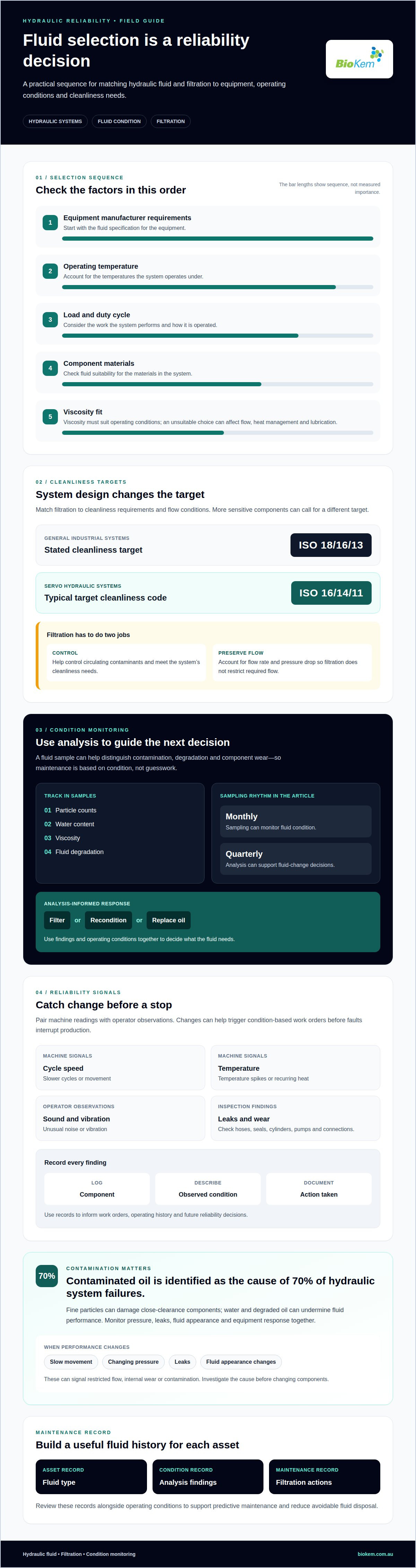
Contaminated oil accelerates wear inside pumps, valves and other hydraulic components. Fluid contamination is identified as the cause of 70% of hydraulic system failures. Fine particles can damage close-clearance components, while water and degraded oil can undermine fluid performance. Operators should monitor pressure, leaks, fluid appearance and equipment response together. Slow movement or changing pressure can signal restricted flow, internal wear or contamination.
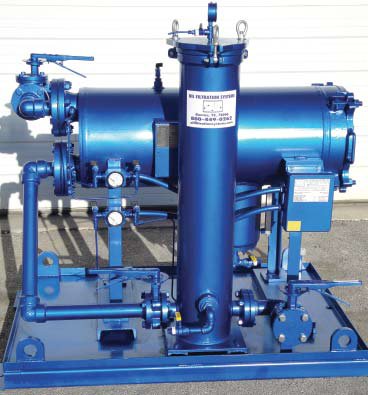
Use filtration and hydraulic fluid suited to the machine’s duty and operating environment. For general industrial systems, the stated cleanliness target is ISO 18/16/13. Set a sampling routine that tracks particle counts, water content, viscosity and degradation; monthly sampling can monitor fluid condition, while quarterly analysis can support fluid-change decisions. Hydraulic oil filtration can help control circulating contaminants.
Failing hoses and seals can leak oil, creating slip hazards and risking contamination of surrounding areas. In Australia, the WHS Act and Regulations apply to equipment maintenance and hazardous plant. If a leak or failure occurs, stop and isolate the equipment using site procedures, contain the escaped fluid, then identify the cause before repair. Test serviced components at operating pressures before returning them to production.
Unplanned downtime can mean lost output, repair work and restart delays. Its cost depends on production value, the duration of the stop, labour, component damage and recovery requirements, so assess these factors against the plant’s own records. For recurring fluid problems, discuss contamination-control options suited to the system.
3. Hydraulic fluid selection and filtration
Choose fluid according to the equipment manufacturer’s requirements, then account for operating temperature, load, duty cycle and component materials. Viscosity must suit the system’s operating conditions because an unsuitable choice can affect flow, heat management and component lubrication. Preventing hydraulic downtime in manufacturing plants means treating fluid selection as part of production reliability, not routine purchasing.
Filtration should match the system’s cleanliness requirements and flow conditions. Servo hydraulic systems have a typical target cleanliness code of ISO 16/14/11. This target shows why a custom filtration strategy should reflect component sensitivity and system design. Filter selection also needs to account for flow rate and pressure drop, so filtration supports cleanliness without restricting required flow.
Use oil analysis to guide fluid decisions. A sample can help identify contamination, fluid degradation and component wear, informing whether to filter, recondition or replace the oil. Reviewing trends alongside operating conditions supports predictive maintenance. To help prevent hydraulic downtime in manufacturing plants, record each asset’s fluid type, analysis findings and filtration actions, building a useful maintenance history.
A production line with recurring heat or slow movement needs more than a fluid change. Check the specified fluid, filtration performance and operating conditions together, then use analysis to identify the cause before changing components. This approach can reduce avoidable fluid disposal. Discuss fluid selection and filtration support for your equipment and operating requirements.
BioKem Oil Services
BioKem Oil Services helps manufacturing teams address oil-condition and contamination issues that can contribute to hydraulic faults. Its services are relevant when fluid analysis indicates contamination or degradation, or when deposits and water need attention as part of a maintenance plan.
Oil Analysis can help identify fluid condition and signs of wear. Depending on the system’s needs, Hot Oil Flushing, Vacuum Dehydration or Varnish Mitigation can support oil cleanliness and system maintenance. These services can complement predictive maintenance by providing condition information and targeted treatment options, rather than relying on fluid replacement alone.
Discuss the equipment, operating conditions and oil concerns so the appropriate maintenance approach can be considered. Contact BioKem Oil Services to discuss your hydraulic oil maintenance needs.
Turn maintenance findings into a practical plan
A practical next step in preventing hydraulic downtime in manufacturing plants is to connect maintenance findings with production planning. Assign responsibility for reviewing condition reports, recording decisions and scheduling work around operational priorities. This creates a repeatable process instead of treating each fault as an isolated event.
BioKem Oil Services supports oil-condition management through Hot Oil Flushing, Varnish Mitigation and Vacuum Dehydration. These services can suit maintenance plans where findings point to fluid treatment. The appropriate approach depends on the system’s condition and operating needs.
Build the next maintenance discussion around the equipment involved, the symptoms observed and the production impact. Contact BioKem Oil Services to discuss your hydraulic maintenance needs and take a considered next step towards more reliable operations.
Frequently Asked Questions
What are the most common causes of hydraulic system downtime in manufacturing plants?
Common causes include fluid contamination, leaks from hoses or seals, internal leakage, restricted flow, unsuitable viscosity, overheating and worn pumps or cylinders. Faults can overlap: a pressure change may affect actuator speed, while heat can accelerate fluid degradation. Compare symptoms with operating conditions and recent repair history to distinguish a component fault from a fluid or system-wide issue.
How can preventive maintenance reduce hydraulic equipment failures?
Preventive maintenance reduces failure risk by identifying deterioration before it causes a production stop. Use equipment records to connect recurring faults with likely causes, then adjust maintenance tasks to address them. For example, repeated leakage at a connection may warrant checking the installation as well as replacing the affected seal, rather than treating every leak as an isolated repair.
What hydraulic maintenance schedule should Australian manufacturing plants follow?
Build the schedule around equipment requirements, operating duty, site conditions and previous fault history. Daily machinery inspections can reveal visible leaks or unusual changes; inspect systems after heavy-load cycles as well. Set task intervals for each asset, record findings and revise the schedule when operating conditions or failure patterns change.
How can hydraulic fluid contamination be detected and prevented?
Oil analysis can reveal particle contamination, water, viscosity changes and signs of fluid degradation. Reduce the risk of contamination by keeping transfer equipment clean, protecting fluid containers from exposure and filtering oil during transfer or servicing. If a filter contains unusual debris, investigate it as a clue to the source rather than simply replacing the filter.
What condition-monitoring technologies help predict hydraulic failures?
Useful tools include pressure and temperature monitoring, vibration observations, programmable logic controller (PLC) data and maintenance-management software. Their value comes from combining signals: relate a pressure alarm or temperature rise to the operating state and work-order history. This context helps teams distinguish a brief process variation from a developing hydraulic fault that needs investigation.

Article by
James McAllister
James McAllister is an industry professional with BioKem Oil Services, specialising in lubrication reliability, oil filtration, contamination control and asset performance. Drawing on BioKem's extensive field experience across turbines, compressors, hydraulic systems and critical rotating equipment, James writes practical, insight-driven articles that help maintenance and reliability teams improve equipment performance, extend asset life and reduce operational risk.