

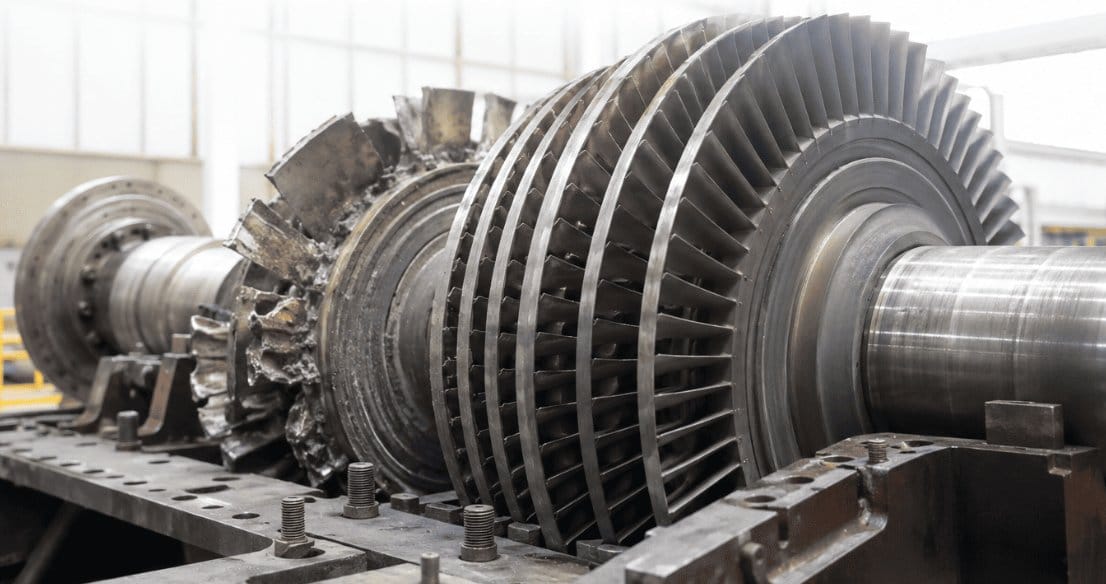
Choosing to bypass a high-velocity hot oil flush during commissioning isn’t a strategic cost-saving measure; it’s an unhedged high-stakes bet against the laws of fluid dynamics. While it’s tempting to shave days off a tight schedule to meet a project deadline, the reality is that the “savings” are often erased by a single bearing failure or an unscheduled trip during the first 100 hours of operation. We understand the immense pressure to stay within budget while ensuring asset reliability. You need a startup that works the first time without the lingering fear of internal contamination. In this article, we’ll explore The Cost of Skipping Oil Flushing Before Startup and quantify the mechanical risks that lead to premature asset failure. You’ll gain the technical evidence needed to justify a flushing budget to stakeholders and understand why specialized high-velocity skids are non-negotiable for long-term reliability. We’ll examine the specific mechanisms of particulate damage and how a proactive approach to cleanliness protects both your equipment and the environment.
Key Takeaways
- Understand why factory-sealed components often contain built-in debris like welding slag. These contaminants threaten your system from day one.
- Evaluate The Cost of Skipping Oil Flushing Before Startup. Compare the investment in prevention against the high price of component replacement and voided OEM warranties.
- Learn why onboard pumps lack the velocity needed to achieve turbulent flow. A high Reynolds Number is essential for dislodging deep-seated particulates.
- Discover how initial contamination acts as a catalyst for varnish formation. This leads to premature oil oxidation and reduced asset lifespan.
- Identify how to integrate professional flushing and onsite oil analysis into your commissioning plan. This ensures a reliable startup without unscheduled downtime.
The Hidden Risks of System Startup Without Hot Oil Flushing
Engineers often encounter the “New System Paradox” where a factory-sealed asset is assumed to be pristine. In reality, the fabrication process is a significant source of contamination. During assembly, components are exposed to welding slag, metal shavings, and grinding dust. These materials are often trapped behind internal baffles or within complex pipework. Manufacturers also use chemical preservatives to prevent rust during sea freight, but these substances can react poorly with operational lubricants. Ignoring these factors contributes significantly to The Cost of Skipping Oil Flushing Before Startup.
Early-stage corrosion is another overlooked threat. Hydro-testing is a standard procedure for pressure vessels, but if the water isn’t perfectly evacuated, residual moisture triggers oxidation. This creates “infant mortality” for industrial assets, where critical bearings or seals fail within the first few hundred hours of service. This premature failure isn’t just a mechanical setback; it’s a massive financial burden that could’ve been avoided with proper preparation. By ensuring the system is clean from day one, you protect both the machinery and your project’s bottom line.
The Reality of Construction Debris
Construction debris isn’t limited to microscopic dust. Pipe scale, casting sand, and even stray plastic caps find their way into systems during transport and onsite assembly. These larger particles often settle in “dead-legs” or valve manifolds where flow is low. A simple visual inspection of the reservoir is insufficient. While the tank might look clean, the miles of interconnecting piping hold the real danger. Without a high-velocity flush, these contaminants remain dormant until the system reaches full operational speed. Once the system is live, these particles are swept into high-tolerance components, causing immediate scoring and wear.
ISO 4406: The Industry Benchmark for Startup
Relying on a visual “clear and bright” assessment is a dangerous gamble. Modern machinery requires precision that the human eye cannot verify. We use the ISO 4406 standard to quantify cleanliness, targeting specific codes that match the sensitivity of your bearings and servo valves. Professional oil analysis is the only way to validate that the system has reached these benchmarks. By verifying particle counts before the first rotation, you mitigate the risk of catastrophic failure. This data-driven approach is essential when calculating The Cost of Skipping Oil Flushing Before Startup. It provides the technical evidence that your asset is truly ready for operation, ensuring long-term reliability and environmental sustainability by preventing early oil degradation.
Direct Financial Consequences: Repair Costs vs. Prevention
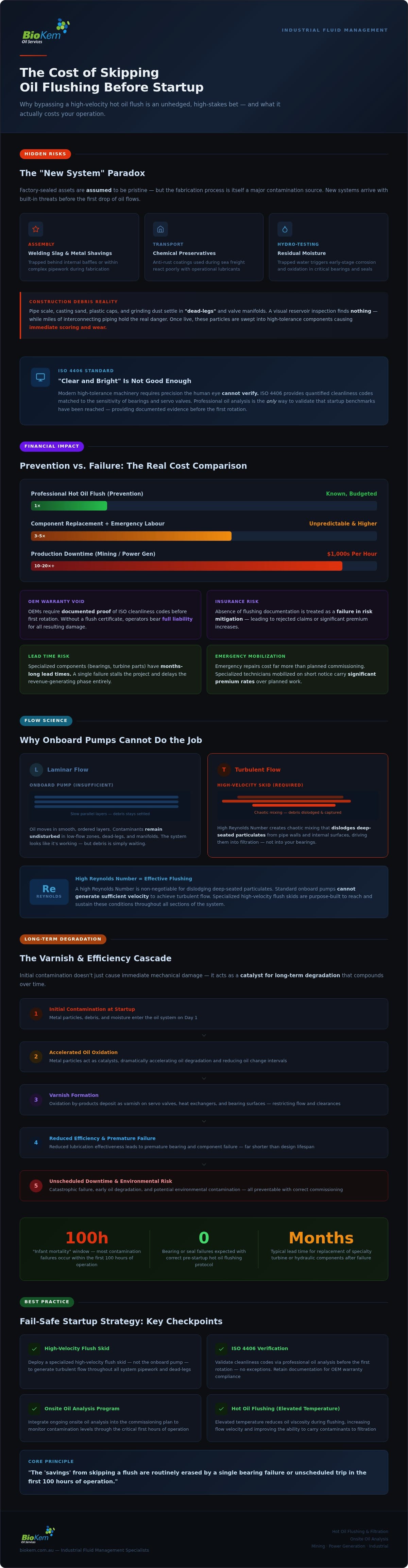
Skipping a high-velocity flush is often marketed as a way to save time and budget during the final stages of commissioning. This is a false economy. The Cost of Skipping Oil Flushing Before Startup manifests quickly when microscopic debris enters high-tolerance zones. While the upfront cost of a professional flush is a known variable, the cost of a mechanical failure is unpredictable and almost always higher.
Original Equipment Manufacturers (OEMs) are increasingly stringent regarding startup protocols. Many will void warranties immediately if they don’t receive documented proof that the system reached specified ISO cleanliness codes before the first rotation. This leaves the operator fully liable for any damage. Insurance providers also view the absence of a verified flush as a failure in risk mitigation. In the event of a catastrophic failure, a lack of flushing documentation can lead to rejected claims or significant increases in future premiums.
Component Replacement and Labour Costs
High-precision turbine bearings and hydraulic pumps are significant capital investments. If contamination causes scoring or seizing during startup, the repair bill includes more than just the parts. It requires emergency mobilization of specialized technicians. Emergency repairs are inherently more expensive than planned commissioning activities. Furthermore, lead times for specialized components can span several months. This stalls the entire project and delays the transition from the construction phase to the revenue-generating operational phase.
The Ripple Effect of Production Loss
In critical industries like mining and power generation, downtime is measured in thousands of dollars per hour. The “Cost of Unavailability” for a primary asset often dwarfs the initial repair bill. Contractual penalties for late startup or failure to meet supply agreements can be staggering. Integrating a proactive maintenance strategy starts with a clean system. By investing in professional hot oil flushing, you protect the asset’s long-term ROI and ensure it remains available for its intended lifecycle. This technical due diligence is the most effective way to prevent the cascading financial losses associated with premature equipment failure.
Laminar vs. Turbulent Flow: Why Onboard Pumps Fail
A common misconception in industrial commissioning is that running the system’s onboard pumps through standard filters is sufficient for cleaning. This approach fails because of the fundamental physics of fluid dynamics. Onboard pumps are specifically engineered to maintain laminar flow. This smooth, layered movement of oil is designed to protect delicate components during normal operation by reducing friction and turbulence. However, laminar flow is ineffective for cleaning. To dislodge contaminants, you must prioritize flow velocity over system pressure. High pressure alone won’t scrub the internal surfaces of your piping.
The Reynolds Number is the critical metric here. This dimensionless value determines whether a fluid’s flow is laminar or turbulent. To effectively dislodge particulate stuck to pipe walls by surface tension, the Reynolds Number must exceed 4,000. Onboard pumps rarely achieve this threshold. These trapped contaminants are “The Sleeping Giant” of industrial startups. They remain dormant during low-load commissioning but break free once the system reaches full operational temperature and vibration. This sudden release of debris into the oil stream is a primary driver behind The Cost of Skipping Oil Flushing Before Startup, as it often leads to immediate component scoring.
The Myth of Onboard Filtration
Standard filters only remove particles that are already suspended in the oil. They cannot address debris that is physically attached to the piping walls or hidden in dead-legs. During the initial hours of operation, high contamination surges can cause filter bypass valves to open to protect the filter housing from over-pressurisation. This allows raw, unfiltered oil to circulate directly into critical bearings. We utilize paddle flushing screens during the cleaning process. These specialized screens capture and identify debris that standard filters might hide, providing the empirical evidence needed to verify that a system is truly clean.
High-Velocity Hot Oil Flushing (HVOF) Mechanics
Our specialized flushing skids are designed to outperform onboard systems by achieving 3-5x the normal operational flow rate. This massive increase in velocity ensures a high Reynolds Number and consistent turbulence throughout the entire circuit. We also heat the oil to specific temperatures. Increasing the oil’s temperature reduces its viscosity, which further boosts the Reynolds Number and enhances the scrubbing action. Thermal cycling is another essential technique. By inducing controlled temperature shifts, we cause the metal piping to expand and contract. This mechanical movement breaks the bond between stubborn particulate and the pipe walls. This rigorous technical process is the only way to mitigate the long-term operational risks that define The Cost of Skipping Oil Flushing Before Startup.
Long-Term Operational Costs: Varnish and Efficiency
While the immediate mechanical risks of a dirty startup are well-documented, the long-term chemical consequences are often ignored. Initial particulate contamination doesn’t just damage surfaces; it acts as a potent catalyst for oil oxidation and thermal degradation. Microscopic metal fines, such as iron and copper, function as pro-oxidants. These particles accelerate the breakdown of the lubricant’s additive package, leading to a rapid loss of protection. This chemical instability is a hidden element in The Cost of Skipping Oil Flushing Before Startup. It forces operators into a cycle of frequent oil changes and premature fluid disposal.
Contamination also creates the “Varnish Seed.” During the first hours of operation, oxidation by-products are produced as the system reaches its thermal equilibrium. These by-products are polar and look for surfaces to cling to. Fine particulate provides the perfect nucleation points for these soft contaminants to agglomerate. This process leads to the formation of varnish on critical components like servo valves and heat exchangers. Once this cycle begins, it’s difficult to stop without specialized intervention. Energy efficiency also suffers. Contaminated lubrication films increase friction at the boundary layer, which raises operating temperatures and forces the system to work harder to maintain performance.
Accelerated Varnish Formation
The relationship between fine particulate and soft contaminants is direct. When a system isn’t properly flushed, the concentration of sub-micron particles remains high. This environment fast-tracks the transition from dissolved oxidation products to solid varnish deposits. Performing varnish mitigation once a system is fully operational is significantly more complex and costly than preventing its onset. We recommend utilizing filter debris analysis to monitor these trends early. This diagnostic tool identifies the specific types of wear particles present, allowing you to predict potential valve sticking before it leads to a system trip.
Asset Longevity and Sustainability
Extending the Mean Time Between Failures (MTBF) is a core objective for any industrial facility. A clean startup is the foundation of this goal. By removing contaminants before they can catalyze oil breakdown, you significantly extend the life of both the lubricant and the asset. This approach aligns with modern sustainability goals. Reducing the frequency of oil changes minimizes the volume of waste oil and lowers the carbon footprint associated with manufacturing replacement parts. BioKem is committed to providing environmentally conscious industrial solutions that prioritize long-term ecological health. If you are planning a commissioning project, contact BioKem today to discuss our high-velocity flushing services.
Implementing a Fail-Safe Startup Strategy with BioKem
Avoiding The Cost of Skipping Oil Flushing Before Startup requires more than a reactive mindset; it demands technical integration into the earliest stages of your commissioning plan. We recommend treating the flush as a critical milestone rather than a final hurdle. By engaging with specialized services early, you ensure that system cleanliness benchmarks are achieved without delaying the project timeline. Our approach combines high-velocity hardware with precision oil analysis to provide a transparent, data-driven path to startup reliability. For a structured framework to guide your preparation, refer to our Commissioning Lubrication Systems: A Practical Checklist, which outlines the cleanliness-first steps needed to achieve a zero-failure startup.
The BioKem Flushing Protocol
Our methodology is designed to eliminate both macroscopic debris and microscopic particulates. We follow a structured three-step process to ensure every circuit is verified clean:
- Step 1: System Isolation and Jumper Installation. We isolate sensitive components like bearings and servo valves. Temporary bypass jumpers are installed to allow the oil to circulate at high velocities through the entire pipe network without damaging critical assets.
- Step 2: High-Velocity Circulation with External Filtration Skids. Using specialized skids that outperform onboard pumps, we induce turbulent flow. This scrubbing action dislodges contaminants that laminar flow cannot reach.
- Step 3: Particle Counting and Target ISO Code Verification. We perform onsite particle counting to monitor progress in real-time. Final samples are verified against ISO 4406 standards to confirm the system meets OEM specifications.
Strategic Equipment and Expertise
Project managers often face the challenge of balancing onsite results with budget constraints. Utilizing BioKem’s specialized equipment hire allows you to access world-class technology without the capital expenditure of purchasing hardware. As the sole Australian distributor for Filters S.p.A., we provide access to advanced filtration components and high-flow skids that are specifically tailored for turbines and compressors.
Our technicians bring years of experience in managing complex onsite projects across Australia. We don’t just provide equipment; we provide the expertise needed to navigate regional regulatory standards and environmental requirements. At the conclusion of every project, we provide a comprehensive documentation package. This “Birth Certificate” for your system serves as the definitive proof of cleanliness. It’s essential for maintaining OEM warranties and provides the peace of mind that your asset is ready for a long, efficient operational life. By prioritizing this technical due diligence, you protect your investment and uphold a commitment to sustainable industrial practices.
Securing Your Asset’s Operational Future
A successful industrial startup relies on meticulous preparation rather than luck. We’ve explored how built-in contaminants and the physical limitations of laminar flow create a high-risk environment for new machinery. The Cost of Skipping Oil Flushing Before Startup isn’t just an unexpected repair bill; it’s a fundamental compromise on asset longevity and environmental efficiency. By prioritizing high-velocity turbulence and precision filtration now, you prevent the catalytic oxidation and mechanical scoring that lead to premature failure in critical components.
BioKem stands as your reliable partner for these high-stakes transitions. As the authorized Australian distributor for Filters S.p.A., we combine world-class technology with specialized onsite technicians who understand the complexities of turbines and compressors. Every project concludes with a comprehensive oil analysis report. This provides the documented validation needed to satisfy OEM requirements and ensure total operational readiness. Taking these technical steps today protects your investment and supports long-term ecological health through reduced waste and extended fluid life.
Protect your assets with BioKem’s professional Hot Oil Flushing services.
Frequently Asked Questions
Why is high-velocity oil flushing better than just changing the oil?
High-velocity flushing uses turbulent flow to scrub internal pipe walls, whereas a simple oil change only replaces the fluid. Changing the oil leaves behind particulates stuck to surfaces or trapped in dead-legs. These contaminants re-enter the new oil once the system reaches operational speed and temperature. High-velocity flushing ensures the entire circuit is clean, effectively mitigating the long-term risk of component scoring and premature oil degradation.
Can we use our own system pumps if we upgrade the filters?
Onboard system pumps are generally insufficient because they’re designed for laminar flow, which lacks the velocity to dislodge debris. Upgrading filters doesn’t solve the problem if the contaminants never reach the filter. Professional flushing skids typically provide 3-5x the flow rate of onboard pumps. This higher velocity is necessary to achieve the turbulent flow required for a comprehensive mechanical cleaning that protects your high-precision bearings and valves.
How long does a typical hot oil flush take during commissioning?
The duration of a flush depends on system complexity and initial contamination levels, but it typically ranges from several days to a week. The process continues until onsite particle counting confirms the oil has reached the target ISO cleanliness code. Rushing this stage increases The Cost of Skipping Oil Flushing Before Startup, as premature termination often leaves behind enough particulate to trigger early-life component failure or unplanned downtime.
What are the most common contaminants found in new industrial systems?
New systems often contain built-in debris such as welding slag, metal shavings, casting sand, and pipe scale. You’ll also find preservatives used for shipping and residual moisture from hydro-testing. These materials are highly abrasive and cause immediate damage to bearings and valves if they aren’t removed before the first rotation. A professional flush ensures these construction-related contaminants are fully evacuated, protecting the asset’s long-term mechanical integrity and reliability.
Does skipping the oil flush affect my equipment manufacturer warranty?
Yes, many Original Equipment Manufacturers (OEMs) require documented proof of a high-velocity flush to maintain warranty coverage. If a failure occurs during startup and you can’t provide particle count data or flushing logs, the OEM may void the warranty. This shifts the full financial burden of repairs and downtime onto your project budget. Proper documentation acts as a “Birth Certificate” for your clean system, ensuring compliance and peace of mind.
What ISO cleanliness code should I target for a turbine startup?
Turbine systems generally require a target cleanliness code of ISO 16/14/11 or better, depending on the specific OEM requirements. High-precision components like servo valves are extremely sensitive to microscopic particulates. Achieving these codes is nearly impossible without a dedicated flushing protocol. Using onsite analysis allows us to verify these levels in real-time. This ensures the asset is protected before the first high-load rotation, minimizing the risk of catastrophic failure.
How does temperature affect the success of an oil flush?
Temperature is critical because heating the oil reduces its viscosity, which significantly increases the Reynolds Number and enhances turbulent flow. Higher temperatures also cause the metal piping to expand slightly, helping to break the bond between the pipe walls and stubborn particulates. We use thermal cycling to maximize this effect. This technical approach ensures a more thorough cleaning than cold-oil circulation could ever achieve, promoting better long-term system efficiency.
Can BioKem provide the equipment for us to perform the flush ourselves?
BioKem offers specialized equipment hire for projects where onsite teams have the capacity to manage the process. We provide high-flow flushing skids and advanced filtration units, including Filters S.p.A. products, to ensure professional-grade results. This is a cost-effective way to manage The Cost of Skipping Oil Flushing Before Startup while maintaining access to world-class hardware. We also provide technical guidance to ensure your team achieves the target cleanliness benchmarks.