

Approximately 80% of hydraulic system failures in Australian heavy industry are the direct result of particle contamination. For maintenance managers, this often translates to thousands of dollars in lost productivity and avoidable component wear every single year. You likely recognise that tracking iso 4406 cleanliness codes is essential for long-term reliability. Precision is no longer optional. However, it’s frustrating when complex laboratory data makes it difficult to determine if your oil is actually fit for purpose or if you’re risking a catastrophic breakdown.
Mastering these technical standards is the most effective way to transition from reactive repairs to proactive asset management. In this comprehensive guide, we provide the technical clarity you need to set accurate cleanliness targets and interpret oil analysis reports with absolute confidence. We’ll break down the three-digit code system, explain how to set realistic targets for 2026, and demonstrate how cleaner oil directly reduces your environmental footprint. By aligning your maintenance strategy with these global benchmarks, you ensure your industrial assets perform at peak efficiency while supporting a more sustainable, low-impact operation across your entire facility.
Key Takeaways
- Gain a technical understanding of how to interpret iso 4406 cleanliness codes to accurately quantify particulate contamination and assess the health of your lubricants.
- Learn to establish realistic, pressure-based cleanliness targets that balance operational reliability with cost-efficiency in Australian industrial environments.
- Discover the “Clean In” approach and the importance of high-efficiency breathers in mitigating atmospheric ingress to maintain strict fluid standards.
- Explore how BioKem leverages Filters S.p.A. technology and precision onsite interventions to reduce system wear and extend the lifecycle of critical industrial assets.
Understanding ISO 4406: The Global Standard for Fluid Cleanliness
ISO 4406:2017 serves as the definitive international benchmark for quantifying particulate contamination in lubricants and hydraulic fluids. This system provides a standardized language for engineers to communicate the health of fluid power systems, ensuring that machinery operates within its original design parameters. In modern industrial settings, maintaining specific iso 4406 cleanliness codes isn’t just a technical requirement; it’s a fundamental component of proactive maintenance. By focusing on oil contamination control, Australian operators can extend component life and significantly reduce the environmental impact of frequent oil changes.
To better understand how these codes are structured and why they matter for your equipment, watch this helpful video:
The Role of Particle Contamination in System Failure
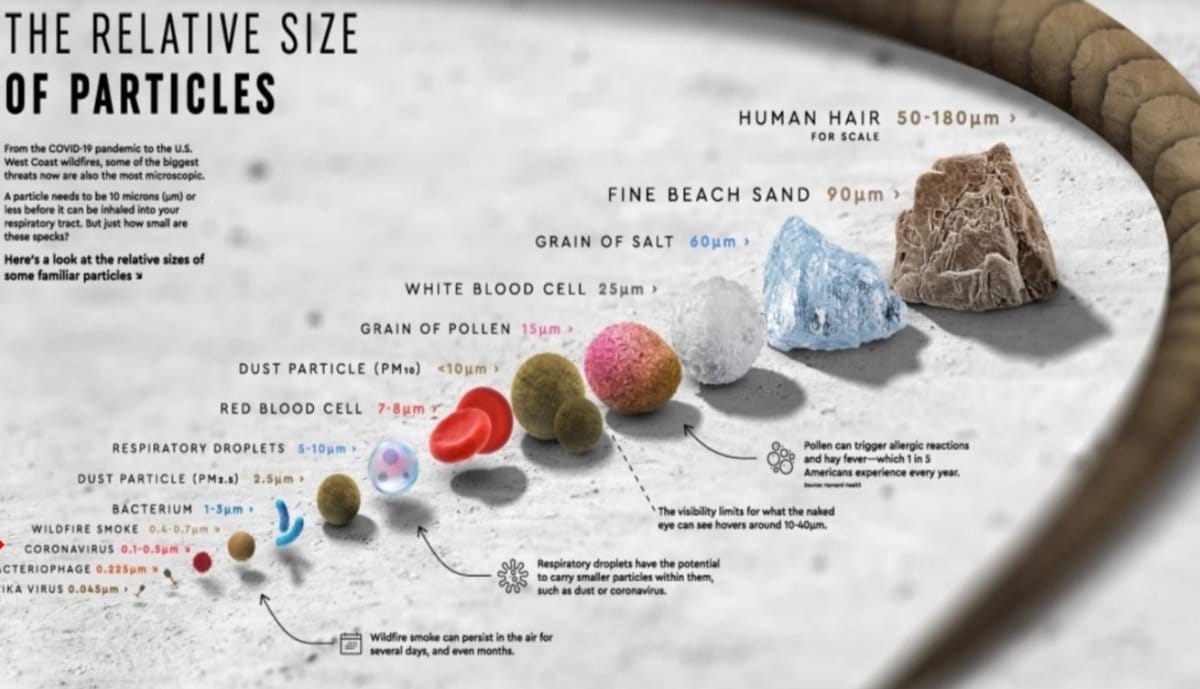
Particle contamination accounts for approximately 80% of mechanical wear in hydraulic systems. Microscopic particles, often smaller than 5 microns, bypass standard filters and enter critical tolerances between moving parts. These invisible threats cause abrasive, adhesive, and fatigue wear, leading to gradual performance decline or catastrophic failure. For Australian mining and manufacturing sectors, the financial burden of contamination-induced downtime often exceeds A$5 billion annually across the industry. These particles increase internal friction, which elevates operating temperatures and accelerates the degradation of the lubricant’s molecular structure, creating a cycle of inefficiency.
Why ISO 4406 Replaced Older Standards
The industry shifted from NAS 1638 to ISO 4406 to achieve higher levels of precision in reporting. While the older NAS 1638 standard relied on the total mass of contaminants within a sample, ISO 4406 utilizes a three-digit code based on the actual count of particles at 4, 6, and 14 microns per millilitre of fluid. This granular view allows for more accurate monitoring of silt and larger debris that specifically damage valves and pumps. Modern reporting relies on automated particle counters calibrated to ISO 11171 standards, ensuring global consistency. This precision is vital for implementing high-performance oil filtration systems that target the specific contamination profile of a site.
Adhering to these iso 4406 cleanliness codes directly correlates with a reduced carbon footprint for industrial operations. Clean fluid minimizes friction, which lowers energy consumption and reduces heat generation. It also extends the functional lifecycle of the lubricant, drastically reducing the volume of waste oil generated and the frequency of disposal. Biokem views this technical adherence as a vital step in merging industrial reliability with ecological responsibility, proving that what’s good for the machine is ultimately good for the environment.
Deconstructing the Code: 4μm, 6μm, and 14μm Explained
The ISO 4406 standard provides a systematic method for quantifying particulate contamination in industrial fluids. It’s expressed as a three-part code, such as 18/16/13, where each number represents the quantity of particles found in a one-millilitre sample. These digits correspond to specific size thresholds: 4 microns (μm), 6 microns (μm), and 14 microns (μm). The first digit tracks particles larger than 4μm, the second tracks those larger than 6μm, and the third monitors those larger than 14μm.
It’s important to understand that these numbers are cumulative. Every particle counted in the 14μm tier is also included in the 6μm and 4μm counts. This hierarchy allows engineers to identify the distribution of contaminants. For instance, a high first digit relative to the others suggests a high concentration of silt-sized particles, while a high third digit indicates larger, potentially more damaging debris. Consistent sampling from established points is vital to ensure the validity of these digits over time, as erratic sampling locations will produce data that cannot be reliably trended.
The Logarithmic Nature of the ISO Table
The ISO 4406 scale is logarithmic, meaning each increment in the code number represents a doubling of the particle concentration range. This structure allows the standard to cover a vast range of cleanliness levels within a simple numerical format. An ISO code of 18 means there are between 1,300 and 2,500 particles per millilitre. By Understanding ISO 4406 and its range table, operators can convert abstract codes into actual particle counts to assess fluid health against Australian equipment manufacturer specifications.
How Automatic Particle Counters (APC) Generate Data
Modern laboratories and onsite technicians rely on Automatic Particle Counters (APC) to generate precise iso 4406 cleanliness codes. These instruments typically use laser-based light obscuration. As fluid passes through a sensing cell, particles block a portion of the laser beam, creating a shadow that the device measures to determine particle size and count. Integrating onsite monitoring with the Particle Pal range provides real-time cleanliness data, which is essential for proactive maintenance in remote Australian mining or industrial sites.
However, APC results aren’t infallible. Common pitfalls include air bubbles or water contamination, which the laser often misinterprets as solid particles. This “noise” can lead to inaccurately high iso 4406 cleanliness codes, potentially triggering unnecessary oil changes or filtration cycles. Ensuring samples are properly degassed and moisture-free is a critical step in maintaining data integrity. If you’re seeing unexpected spikes in your counts, it might be time to review your monitoring equipment for better accuracy.
Establishing Target Cleanliness Levels for Industrial Assets
Aiming for “zero contamination” in industrial systems is a logistical impossibility and a financial drain. Every hydraulic and lubrication system has a specific tolerance level where the cost of filtration balances against the risk of component failure. The ISO 4406:2021 Standard provides the technical framework to quantify these targets, but the actual numbers must reflect the asset’s operational reality. For Australian operators, setting iso 4406 cleanliness codes involves a disciplined analysis of mechanical demands and environmental stressors. Achieving a code that’s cleaner than necessary provides diminishing returns, while failing to meet the target can lead to catastrophic component bypass.
Effective management requires defining “Alarm” and “Action” limits. An Alarm limit signals that contamination is trending upward, often triggered when a code rises by one increment (e.g., from 16/14/11 to 17/15/12). An Action limit requires immediate intervention, such as off-line kidney loop filtration, to prevent permanent damage. In the harsh conditions of Australian mining and power generation, airborne dust and moisture ingress make these targets harder to maintain. Utilizing a comprehensive hydraulic oil filtration guide helps engineers match filter beta ratings to their specific ISO targets, ensuring the hardware is capable of meeting the required fluid quality.
Critical Factors: Pressure, Duty Cycle, and Sensitivity
System pressure is the primary driver of fluid cleanliness requirements. High-pressure systems operating above 3000 PSI (210 bar) require significantly cleaner oil, often targeting 16/14/11, because higher pressure forces smaller particles into tighter clearances. Component sensitivity also dictates the iso 4406 cleanliness codes needed. A sensitive servo valve has clearances as small as 1 to 4 microns, making it far more vulnerable than a simple gear pump with 20-micron clearances. Additionally, a heavy duty cycle with frequent shock loading increases internal particle generation, necessitating more frequent fluid monitoring to prevent a chain reaction of abrasive wear.
Industry-Specific Benchmarks
Benchmarks vary significantly across Australian sectors. Steam turbines in power generation typically target 18/16/13 to ensure long-term bearing reliability and prevent varnish. In contrast, heavy mining equipment operating in high-dust environments often requires a target of 17/15/12 for hydraulic systems to meet warranty compliance. It’s a common misconception that “fresh” oil from a drum is ready for use. New oil frequently tests at 20/18/15 or worse, which is why Biokem advocates for pre-filtering all lubricants during commissioning. This proactive step ensures that the fluid meets the asset’s biological and mechanical requirements from the first hour of operation, supporting both reliability and ecological health by extending the lubricant’s lifecycle.
Strategies for Achieving and Maintaining ISO 4406 Compliance
Achieving target iso 4406 cleanliness codes requires a systemic shift from viewing oil as a consumable to treating it as a critical asset. This process begins with a “Clean In” policy. Many Australian operators mistakenly assume that new oil delivered in drums or bulk is pristine. In reality, new fluid often arrives at an ISO 21/19/16 level, which is far too abrasive for modern, high-pressure hydraulic systems. Pre-filtering all top-up fluids ensures that every litre added to the reservoir improves rather than degrades the system’s baseline cleanliness.
Atmospheric ingress remains a primary source of contamination, particularly in Australia’s harsh mining and industrial environments. High-efficiency breathers serve as the first line of defence; they prevent dust and moisture from entering the headspace as fluid levels fluctuate. Without these, atmospheric particles can account for up to 80% of the total contaminant load. To monitor the success of these barriers, routine oil analysis is essential. This data allows maintenance teams to track cleanliness trends over time and identify spikes before they lead to component failure.
- Pre-filter all new oil to reach at least two levels cleaner than the target code.
- Use desiccant breathers to manage both particulate and water ingress.
- Install permanent sampling ports to ensure consistent, representative data.
Proactive vs. Reactive Contamination Control
Reactive maintenance typically costs up to 10 times more than a proactive strategy. Shifting to a proactive model means targeting the root cause of wear rather than waiting for a “fix-on-fail” event. By investing in superior filtration to maintain lower ISO codes, you preserve the chemical integrity of additive packages. Clean oil lasts longer and protects base oils from premature oxidation. This approach significantly delays the need for full fluid replacements, which reduces environmental waste and lowers your total cost of ownership.
The Impact of High-Efficiency Purification
Water is a silent catalyst for mechanical wear. Using coalescing filters removes free and emulsified water that often masks or exacerbates particulate issues. Depth filtration is equally vital for hitting iso 4406 cleanliness codes. It captures the fine 4μm particles that define the first digit of the code. Selecting the right filter media involves balancing high capture efficiency with appropriate flow rates. This ensures you reach your targets without causing excessive pressure drops that trigger bypass valves.
Ensure your systems meet the highest standards of reliability with professional hot oil flushing and filtering services.
BioKem’s Precision Approach to Fluid Cleanliness
BioKem applies a data-driven methodology to fluid maintenance, using iso 4406 cleanliness codes as the primary benchmark for every technical intervention. We don’t guess; we measure. By integrating high-performance technology from the Filters S.p.A. range, our team achieves superior particulate removal in critical systems that standard filtration often misses. This precision ensures that Australian industrial operators meet both rigorous manufacturing tolerances and local environmental regulations. We view clean oil as a vital performance indicator that bridges the gap between mechanical reliability and corporate responsibility. Our approach treats fluid not as a consumable, but as a critical asset that requires constant monitoring and precise purification to maintain its chemical and physical integrity.
Onsite Interventions: Hot Oil Flushing and Varnish Mitigation
Heavy machinery requires more than just a filter change to maintain peak performance. Our technicians restore system integrity through professional hot oil flushing and filtering services, which remove built-up debris and scale from internal galleries. For turbines and high-pressure hydraulics, we address “invisible” degradation products using specialized varnish removal systems. These units target the sub-micron soft contaminants that cause valve sticking and heat exchanger fouling. BioKem technicians verify all cleanliness results onsite. We provide immediate confirmation that the system meets its target iso 4406 cleanliness codes before commissioning, ensuring an immediate and safe return-to-service for your most expensive assets.
Sustainable Lubrication Management
Precision purification allows Australian industrial sites to reduce their total oil consumption significantly. By extending fluid life, we help partners lower their disposal costs and reduce the environmental impact of resource extraction. BioKem stands as the authoritative partner for national industries seeking biological and nature-based maintenance alternatives. Our strategies align with modern ESG goals by focusing on the following:
- Volume Reduction: Minimising the frequency of full oil changes through constant purification.
- Waste Mitigation: Reducing the volume of hazardous waste oil that requires transport and processing.
- Operational Efficiency: Lowering the energy footprint of machinery by reducing internal friction and heat.
We prioritize long-term ecological health, proving that industrial efficiency and environmental stewardship are not mutually exclusive goals. Our team provides the technical expertise needed to transition from traditional “drain and fill” habits to a sophisticated, circular lubrication model.
Future-Proofing Your Assets Through Technical Precision
Maintaining hydraulic health in 2026 requires more than just regular oil changes. It demands a rigorous understanding of iso 4406 cleanliness codes to protect critical components from microscopic wear. By deconstructing the three-part code, operators can identify specific contaminant concentrations at the 4μm, 6μm, and 14μm levels. This precision prevents the premature failure of high-pressure pumps and valves. Such failures often lead to costly unscheduled downtime in Australian industrial sectors like mining and energy production. BioKem’s provided environmentally conscious lubrication management across Australia since 2011. We’re the authorized Australian distributor for Filters S.p.A., combining world-class filtration technology with specialist onsite technical interventions for critical assets. These services ensure your machinery meets stringent regulatory benchmarks while prioritizing long-term ecological health. Establishing data-driven targets today safeguards your equipment for the years ahead. Our team’s ready to help you optimize your fluid systems with technical expertise and sustainable practices.
Consult with BioKem’s experts to establish your ISO 4406 target cleanliness levels today.
Frequently Asked Questions
What is the ISO 4406 cleanliness code?
The ISO 4406 cleanliness code is an international reporting standard that quantifies the level of particulate contamination in a fluid per millilitre. It uses three distinct scale numbers to represent the concentration of particles larger than 4, 6, and 14 microns. This system allows Australian maintenance managers to monitor fluid health and prevent abrasive wear in sensitive hydraulic and lubrication systems.
How do you read an ISO 4406 three-digit code?
You read the code as three numbers separated by slashes, such as 18/16/13, where each digit represents a quantity range on the ISO scale. The first number tracks particles ≥4µm, the second ≥6µm, and the third ≥14µm. Each increase in a scale number indicates that the particle count has approximately doubled, making it easy to track contamination trends over time.
What is a “good” ISO cleanliness code for hydraulic oil?
A target of 16/14/11 is generally considered a high standard for modern high-pressure hydraulic systems. Maintaining iso 4406 cleanliness codes at this level protects sensitive components like servo valves, which often have clearances smaller than 5 microns. Industry data suggests that achieving this level of purity can extend the service life of hydraulic components by up to 300 percent compared to dirtier fluids.
Can industrial oil be “too clean” for certain components?
Oil can’t be too clean for mechanical reliability, but it can reach a point of diminishing financial returns. While some engineers worry about additive depletion, modern synthetic lubricants remain stable even at ultra-clean levels like 13/11/8. However, the cost of filtration typically increases by 20 percent for every scale level reduced below the manufacturer’s original specification, so it’s best to target the specific needs of your equipment.
How often should I perform particle counting for my critical assets?
Critical industrial assets require particle counting every 500 to 1,000 operating hours or at least once per quarter. For machinery operating in harsh Australian mining or coastal environments, you should increase this frequency to every 250 hours. Regular testing ensures you detect contamination spikes early, preventing the 70 percent of mechanical failures that originate from poor fluid cleanliness.
What is the difference between ISO 4406 and NAS 1638 standards?
ISO 4406 uses three scale numbers for specific micron sizes, while the older NAS 1638 standard uses a single class number based on particle distributions across five size ranges. NAS 1638 was officially inactivated for new designs in 2001. Most Australian operations now prefer iso 4406 cleanliness codes because they provide more precise data regarding the fine silt that causes modern component wear.
Does new oil from the drum meet ISO 4406 cleanliness standards?
New oil from a drum rarely meets the requirements of high-performance machinery and often tests at a dirty 21/19/16 level. This is significantly higher than the 16/14/11 target required by most Australian OEMs. You must filter all new oil through a 3-micron or 5-micron kidney loop system before it enters your reservoir to avoid introducing contaminants into your clean system.
How does water contamination affect ISO 4406 particle counts?
Water contamination interferes with laser particle counters by causing the sensor to misidentify water droplets as solid particles. If your oil sample contains more than 500 ppm of moisture, the resulting particle count will be inaccurately high. Biokem recommends using vacuum dehydration to remove moisture before performing a final analysis to ensure your data reflects the actual solid contaminant levels in the fluid.