

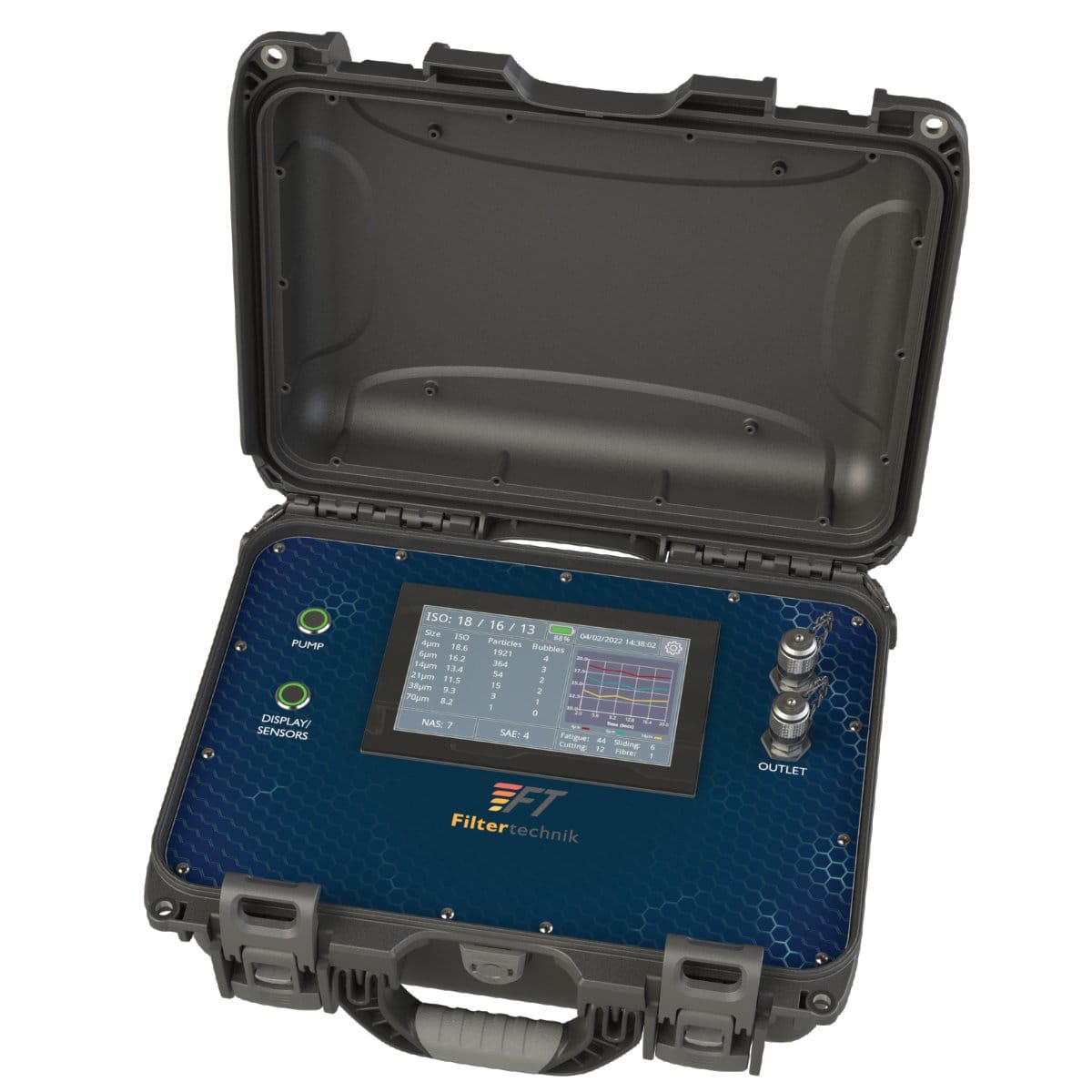
Industry research indicates that 80% of hydraulic system failures in Australian heavy industry are caused by fluid contamination. You likely already recognize that maintaining oil purity is the most effective way to prevent unscheduled downtime and extend the life of your machinery. However, interpreting a three-digit sequence on a laboratory report often feels unnecessarily complex. Understanding how iso 4406 cleanliness codes explained in a technical context can prevent a routine maintenance task from turning into a A$50,000 repair bill. It’s often startling to realize that a single step up the scale, such as moving from 17/15/12 to 18/16/13, actually represents a doubling of the solid contaminants present in your system.
This guide provides the technical expertise you need to interpret oil analysis reports with absolute confidence. You’ll learn how to establish precise cleanliness targets for your critical assets and justify the operational costs of high-efficiency filtration or flushing services. We’ll examine the logarithmic scale, clarify the particle size categories, and outline a sustainable approach to fluid management that protects both your bottom line and your equipment’s longevity. This structured overview ensures your maintenance strategy aligns with global standards and local operational requirements.
Key Takeaways
-
Understand the ISO 4406:99 standard as the global benchmark for fluid health, serving as a vital diagnostic "blood test" for your industrial lubrication and hydraulic systems.
-
Learn to navigate the "Rule of Two" and the logarithmic scale to accurately quantify how small changes in code numbers reflect a doubling of contamination levels.
-
Master the technical nuances of oil sampling and analysis to ensure the iso 4406 cleanliness codes explained in your reports provide a precise foundation for maintenance decisions.
-
Identify how to set specific cleanliness targets for your facility’s assets, such as turbines and gearboxes, tailored to Australian industrial standards and component sensitivity.
-
Shift from passive monitoring to active contamination control by leveraging high-performance filtration hardware and local technical expertise for sustainable asset protection.
Table of Contents
What is the ISO 4406 Cleanliness Code?
The ISO 4406:99 standard is the international benchmark used to quantify particulate contamination in hydraulic and lubrication fluids. In the Australian mining, energy, and manufacturing sectors, it functions as a diagnostic "blood test" for machinery. This code provides a precise, universal language that allows engineers, laboratory technicians, and equipment manufacturers to communicate fluid health without ambiguity. It translates complex laboratory data into a clear snapshot of a system’s internal environment.
Implementing effective contamination control protocols is essential for operational stability. By using this standardised reporting method, facilities can move away from reactive repairs that lead to expensive downtime. Instead, they can establish a proactive maintenance strategy that targets the root causes of mechanical failure. Having the iso 4406 cleanliness codes explained is the first step toward achieving long-term asset health and operational efficiency.
To better understand this concept, watch this helpful video:
The Triple-Number Format Explained
The code uses three distinct values to represent the number of particles per millilitre of fluid at specific sizes: >4μm, >6μm, and >14μm (microns). These specific sizes are critical because they represent the clearance gaps in modern high-pressure components. The 4μm and 6μm particles are often responsible for silt-lock and abrasive wear; the 14μm count identifies larger debris that signals catastrophic failure risks. This system simplifies complex raw particle counts into a manageable three-part ratio, such as 18/16/13, which makes it easier to track contamination trends over time.
Why Cleanliness Standards Matter for Asset Longevity
Industry data indicates that 75% to 80% of hydraulic system failures stem from fluid contamination. Microscopic particles cause surface fatigue and abrasive wear that degrade components long before their intended service life ends. In Australia, maintaining strict ISO codes is often a mandatory requirement for machinery warranty compliance. When fluid remains clean, component life can increase by 200% to 300%. This significantly reduces the environmental footprint of industrial operations by extending oil drain intervals and reducing the volume of waste hydrocarbons generated by the site.
Adhering to these standards doesn’t just protect the hardware; it ensures that the biological and technical balance of the system remains intact. High particle counts often correlate with increased oxidation and varnish formation, which can be mitigated through precise filtration and monitoring. By mastering the iso 4406 cleanliness codes explained in this guide, operators can ensure their systems meet both Australian regulatory standards and global performance benchmarks.
Decoding the Logarithmic Scale: The Rule of Two
The most common error in interpreting oil analysis reports is treating the numbers as a linear sequence. An ISO code increase isn’t a minor fluctuation; it’s a mathematical doubling of the contaminant load. This logarithmic structure is defined in the ISO 4406:2021 standard to allow for the representation of vast particle concentrations in a simple three-digit format. When you understand iso 4406 cleanliness codes explained through this lens, you realize that small numerical shifts represent massive changes in fluid health. A system that moves from a code of 14 to 16 hasn’t just become slightly dirtier; it now contains four times the original amount of debris.
The "Double or Half" Principle in Practice
The ISO Range Table assigns a code to a specific quantity of particles per millilitre of fluid. Each step up the scale represents a 100% increase in the number of particles. For instance, an ISO code of 19 contains twice the particles of an 18. To see the impact, compare a dirty system at 18/16/13 to a clean target of 16/14/11.
-
Code 18: 1,300 to 2,500 particles per ml.
-
Code 16: 320 to 640 particles per ml.
Transitioning from 18 down to 16 isn’t just a two-point drop. It’s a 75% reduction in the total particle count. In Australian mining and industrial sectors, achieving this reduction often doubles the life of sensitive hydraulic components. Maintaining these levels requires precise monitoring, which is why having iso 4406 cleanliness codes explained alongside real-time data is vital for site managers.
The Impact of the 4μm, 6μm, and 14μm Ranges
The three-part code tracks particles at different sizes to help identify specific wear mechanisms occurring within your machinery. The 4μm and 6μm numbers track silt and fine fines. While they don’t cause immediate jams, they lead to long-term surface erosion and sandblasting of internal valves. This silt build-up eventually compromises the efficiency of the entire hydraulic circuit.
The 14μm number tracks larger particles. These are the primary culprits for catastrophic failures and rapid abrasive wear. If the 14μm number is high relative to the others, it often indicates fatigue wear or external ingress. If the 4μm count is disproportionately high, you’re likely facing internal silt build-up or microbial growth. Monitoring these ratios allows maintenance teams to intervene before a breakdown occurs, supporting both operational efficiency and environmental sustainability by extending the service life of expensive lubricants.
How ISO Cleanliness Levels are Measured
Reliable data is the foundation of any predictive maintenance program. To ensure the iso 4406 cleanliness codes explained in your technical reports are accurate, the process must begin with meticulous oil sampling techniques. A sample contaminated by atmospheric dust or a dirty valve doesn’t reflect the actual state of the machine. In Australian industrial environments, where dust and humidity are prevalent, using vacuum sampling pumps and pre-cleaned bottles is mandatory to avoid "false positives" in contamination readings.
Standardisation in measurement is governed by the ISO 11171 calibration protocol. This international standard ensures that Automatic Particle Counters (APCs) across different laboratories yield consistent results. Since its introduction in 1999, ISO 11171 has replaced older, less precise methods by using NIST-traceable calibration fluids. Despite this precision, technicians must account for interference. Air bubbles, water droplets, and even certain additives can be misidentified as solid contaminants. Proper lab procedures, such as ultrasonic degasification, are essential to remove air and ensure the laser only counts solid matter.
Automatic Particle Counters (APC)
APCs are the primary tool for modern fluid analysis due to their speed and efficiency. These devices use light-extinction sensors where a laser beam passes through the oil stream onto a photo-detector. When a particle interrupts the beam, the sensor measures the drop in light intensity to determine the particle’s size. It’s a highly repeatable process that allows for rapid testing of large batches. However, APCs struggle with fluids that are opaque or contain high levels of emulsified water. If the oil is too dark for the laser to penetrate, the results will be skewed. In these scenarios, the laboratory must revert to solvent dilution or manual methods to obtain a clear reading.
Visual Analysis and Patch Testing
Data points only provide a partial view of system health. Many operators utilise patch test kits for immediate, onsite verification of oil condition. By drawing a sample through a 0.8-micron or 1.2-micron membrane, technicians can physically examine the debris under a microscope. This visual step is critical because it identifies the nature of the contaminant. Seeing bright metallic flakes suggests internal component wear, while translucent crystals indicate silica ingress. These qualitative insights complement the iso 4406 cleanliness codes explained by the lab, allowing for more targeted bioremediation or filtration strategies. This integrated approach ensures compliance with Australian regulatory standards while promoting long-term ecological health through reduced fluid waste.
Setting Target Cleanliness Levels for Your Facility
Establishing an ISO target isn’t a "set and forget" task. It’s a strategic decision based on the most sensitive component in your system and the operating pressure. When we look at how iso 4406 cleanliness codes explained in practice, the goal is balancing reliability with maintenance costs. A system running at 210 bar requires much tighter tolerances than one at 70 bar because high pressure accelerates the "sandblasting" effect of particles on internal surfaces. Every facility must determine its baseline by evaluating the criticality of its assets and the environmental conditions of the Australian landscape, where dust and moisture are constant threats.
Cleanliness Benchmarks by Component Type
Precision systems like those using high-pressure servo valves are incredibly unforgiving. These components often have clearances as small as 1 to 5 microns, requiring an ultra-clean target of 14/12/9 or better. For standard industrial hydraulics found in manufacturing plants, aiming for the 17/15/12 range is usually sufficient to prevent premature pump failure. Heavy-duty gearboxes in mining or material handling can handle higher tolerance levels, typically operating reliably at 19/17/14. If your actual oil analysis shows a gap of even two codes above these targets, you’re looking at a 50% reduction in component life due to accelerated mechanical wear.
Corrective Actions for Failing Codes
When a system fails to meet its target code, immediate intervention is necessary to prevent a catastrophic breakdown. For new builds or systems that have suffered a major failure, hot oil flushing is the most effective way to strip internal contaminants and scale from the pipework. This process utilizes high-velocity turbulent flow to lift settled solids that standard filtration cannot reach.
Ongoing maintenance relies heavily on kidney-loop filtration. This bypass system works while the machinery operates, providing steady-state cleaning without requiring downtime. For systems showing high water content alongside elevated particle counts, vacuum dehydration is required. This technology removes dissolved water and gases that traditional particulate filters miss, preventing oil oxidation and the formation of acids that corrode internal metals.
In the Australian industrial sector, effective oil contamination control can reduce the total cost of ownership by up to 30%. These savings come from reduced replacement part costs and the avoidance of unplanned downtime, which can cost thousands of A$ per hour in lost production. Maintaining these standards ensures compliance with local regulations while extending the functional life of your lubricants. It’s a proactive approach that prioritises long-term ecological health by reducing oil waste.
Request a technical consultation for your facility’s filtration needs.
Advanced Contamination Control with BioKem
BioKem provides the technical expertise required to move beyond simply reading laboratory reports. We focus on solving the underlying engineering problems that cause oil degradation. While having iso 4406 cleanliness codes explained helps identify a baseline, maintaining those standards in harsh Australian environments requires a proactive approach. Our team specialises in achieving and maintaining difficult ISO targets through precise onsite technical services and high-performance hardware.
We’ve observed that standard particle counts don’t always tell the whole story. Soluble contaminants and sub-micron particles often bypass traditional filters, leading to chemical degradation and mechanical wear. This is why varnish mitigation is a critical component of our contamination control strategy. Varnish can cause valve sticking and bearing failure even when your ISO code appears healthy. BioKem integrates varnish removal with traditional filtration to ensure total system health and operational longevity.
Specialised Filtration Solutions
As the Australian distributor for Filters S.p.A., BioKem deploys world-class technology capable of sub-micron efficiency. We design and deploy customised filtration skids specifically for high-viscosity lubricants or high-volume systems that standard off-the-shelf units can’t handle. These systems often achieve Beta 1000 efficiency ratings, which means they remove 99.9% of targeted contaminants in a single pass. We ensure your new oil meets stringent ISO standards before it enters your machinery. Industry data shows that 70% of new oil delivered in Australia fails to meet the cleanliness requirements of modern hydraulic components without secondary pre-filtration.
Partnering for Reliability
BioKem’s national reach allows us to provide onsite oil purification and system cleaning across all Australian states and territories. Our technical reports do more than list numbers; they translate iso 4406 cleanliness codes explained into clear engineering actions. We identify the source of ingress and provide a roadmap for long-term reliability. Our goal is to reduce your total cost of ownership by extending fluid life and preventing unscheduled downtime. We don’t just report on the problem; we provide the mechanical and chemical solutions to fix it.
Effective contamination control starts with an accurate assessment of your current assets and fluid condition. Contact BioKem today to schedule a comprehensive system audit and ensure your operations remain compliant with international cleanliness standards.
Securing Your Infrastructure Through Precise Contamination Control
Mastering the iso 4406 cleanliness codes explained in this guide is the first step toward extending the operational life of your hydraulic and lubrication systems. By applying the logarithmic "Rule of Two," facility managers can identify when particle counts have doubled before critical component wear occurs. Implementing these standards isn’t just a matter of compliance; it’s a strategic move to protect high-value assets across Australia’s industrial landscape. As the authorized Australian distributor for Filters S.p.A., BioKem provides the technical precision required to meet these stringent benchmarks. We utilize 22nd-century hot oil flushing technology to remove sub-micronic contaminants that traditional filtration methods often miss. Our team delivers national onsite technical support for critical infrastructure, ensuring your operations align with Australian regulatory standards and environmental best practices. Proactive oil analysis reduces unplanned downtime and minimizes the ecological footprint of frequent oil changes. Contact BioKem for professional oil analysis and contamination control solutions to maintain your facility’s peak performance. Your equipment deserves the highest standard of care.
Frequently Asked Questions
What is a "good" ISO 4406 code for a standard hydraulic system?
A standard hydraulic system operating at pressures below 2000 psi typically requires an ISO 4406 code of 18/16/13 to maintain reliable operation. High-pressure systems above 3000 psi demand a cleaner 16/14/11 target to prevent accelerated component wear. Maintaining these specific levels reduces equipment failure rates by 70% according to industry benchmarks. It’s essential to monitor these figures to ensure your machinery operates within the 95% efficiency range required for sustainable industrial performance.
Can water in the oil affect the ISO cleanliness code results?
Water contamination directly interferes with optical laser particle counters, often resulting in falsely elevated ISO cleanliness codes. Dissolved water doesn’t affect the count, but free or emulsified water appears as solid particles to the sensor. If your oil exceeds the 200 ppm saturation point, the laser will register these droplets as contaminants. We recommend using a Karl Fischer titration method to verify water levels before interpreting your iso 4406 cleanliness codes explained in laboratory reports.
Why does the ISO 4406 code have three numbers instead of just one?
The ISO 4406 code utilizes three numbers to represent the quantity of particles at the 4μm, 6μm, and 14μm thresholds per millilitre of fluid. This tripartite scale provides a granular view of contamination distribution across different particle sizes. A single number wouldn’t distinguish between fine silt that causes abrasive wear and large particles that lead to catastrophic pump failure. This structured data allows maintenance teams to identify specific mechanical issues based on which size category is increasing.
What is the difference between ISO 4406 and NAS 1638?
ISO 4406 is the current international standard based on cumulative particle counts, while NAS 1638 is a retired 1964 standard that measured particles in discrete size intervals. ISO 4406 provides a more accurate representation of modern high-pressure systems. NAS 1638 was officially replaced by AS4059 in many Australian aerospace and industrial sectors. Today, 90% of global industrial laboratories use ISO 4406 because it offers better consistency across different testing equipment.
How often should I sample my oil to monitor ISO cleanliness codes?
Critical hydraulic systems should undergo oil analysis every 500 operating hours or on a monthly basis to ensure stability. For less demanding stationary equipment, quarterly sampling every 2,000 hours is usually sufficient. Consistent monitoring helps detect a 15% deviation in cleanliness before it leads to component degradation. Regular testing is a core part of a responsible, nature-based maintenance strategy that extends the life of your lubricants and reduces industrial waste.
Can I achieve a lower ISO code just by changing my filters?
You can lower your ISO code by installing filters with a higher Beta rating, such as a Beta 1000 element. However, simply replacing a filter won’t solve the problem if the ingress rate exceeds the filter’s capture capacity. Effective contamination control requires a 100% sealed system and high-efficiency breathers. This holistic approach ensures your iso 4406 cleanliness codes explained in your reports stay within the 16/14/11 range without constant, costly filter replacements.
Does a low ISO code guarantee the absence of oil varnish?
A low ISO 4406 code doesn’t guarantee the absence of varnish because varnish precursors are often smaller than 0.1 microns. Standard ISO tests only measure particles 4μm and larger. Varnish is a chemical degradation product that requires a Membrane Patch Colorimetry (MPC) test for accurate detection. You might have a "clean" 14/12/9 oil that’s actually saturated with soft contaminants, leading to valve sticking and heat exchanger inefficiency.
What is the most common cause of a sudden spike in the 14μm ISO number?
A sudden increase in the 14μm value usually indicates a breach in the system’s external seals or a failing breather. Large particles at this scale are typically 80% likely to be environmental dust entering the system. If the increase is accompanied by metallic debris, it signals the final stages of component fatigue. Addressing these 14μm spikes immediately can prevent a total system shutdown, saving an estimated A$5,000 to A$50,000 in repair costs depending on the pump size.