

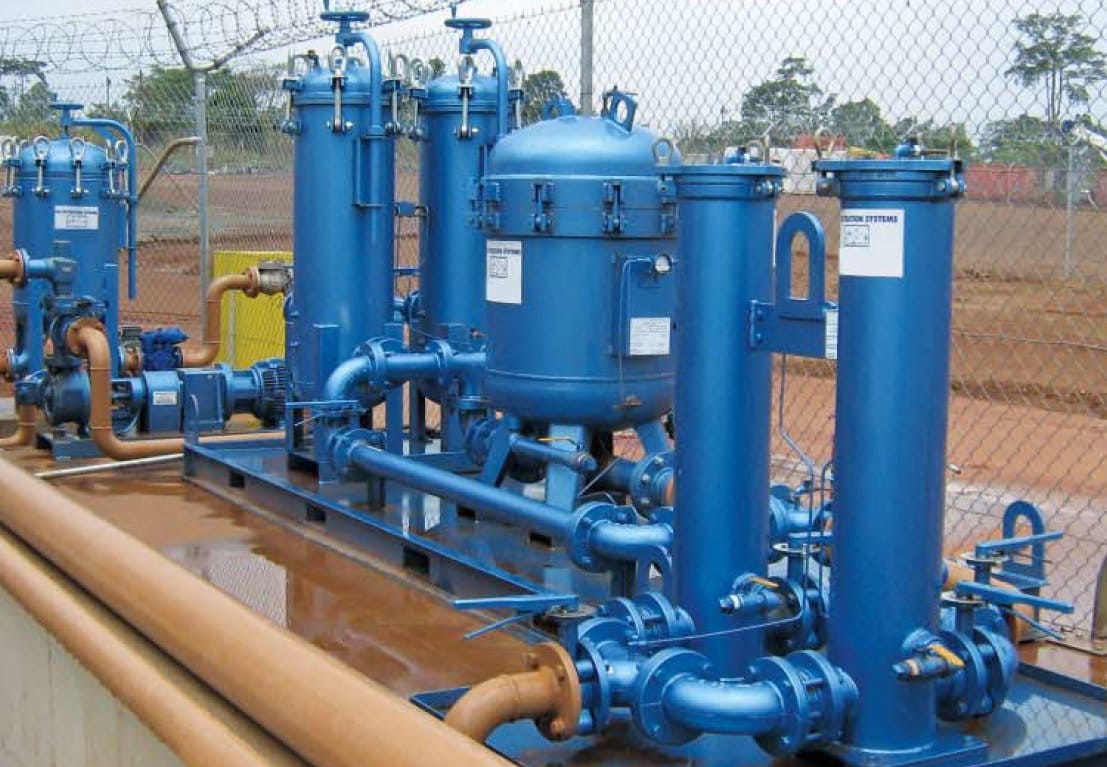
Did you know that just 500 parts per million of water can reduce the service life of a rolling element bearing by nearly 75%? In the demanding Australian mining and manufacturing sectors, this hidden contamination often results in unscheduled downtime that costs operators upwards of A$50,000 per hour in lost productivity. You’re likely already aware that moisture is a primary catalyst for oxidation and acid formation within your lubricants. It’s a frustrating cycle where frequent oil replacements often feel like the only way to prevent catastrophic component failure and bearing corrosion.
This guide demonstrates how a high-performance coalescing filter provides a sustainable, cost-effective alternative by removing free and emulsified water to restore oil integrity. You’ll learn how to achieve ISO 4406 cleanliness codes that exceed standard requirements while protecting your high-value assets from the inside out. We will examine the specific technical mechanisms of liquid-liquid separation and how to select hardware capable of withstanding the harshest Australian industrial environments.
Key Takeaways
- Understand the technical two-phase mechanism that merges microscopic droplets into manageable volumes for efficient water removal.
- Learn to determine when a coalescing filter provides a more cost-effective and sustainable solution than vacuum dehydration for low-viscosity industrial oils.
- Discover how to protect high-value Australian assets in mining and power generation from the accelerated wear caused by humidity and emulsified water.
- Identify the critical performance metrics, including residence time and differential pressure, required to maintain optimal system health and prevent downtime.
- Implement proactive oil purification strategies that reduce operational waste and align with modern environmental standards for industrial compliance.
What is a Coalescing Filter and Why is it Critical for Oil?
A coalescing filter represents a sophisticated stage in industrial oil purification, specifically designed to address the persistent challenge of moisture ingress. Unlike traditional media that simply traps solid debris, this technology merges microscopic water droplets into larger, heavier masses that easily settle out of the hydrocarbon stream. This process is vital for maintaining the integrity of high-value lubricants across Australian mining, power generation, and heavy manufacturing sectors. Without this intervention, moisture remains trapped, leading to a rapid decline in the oil’s lubricating properties.
Water exists in three distinct states within industrial oil. Dissolved water is chemically bound and invisible to the naked eye, similar to humidity in the air. Emulsified water creates a cloudy or milky appearance as tiny droplets remain suspended through high-shear mixing. Free water sits as a distinct layer at the bottom of a reservoir or tank. Standard particulate filters fail to remove emulsified water because the droplets are small enough to pass through the pore structure of the media. Effective removal requires a change in the physical state of the contaminant, which is where the coalescing mechanism becomes indispensable.
To better understand this concept, watch this helpful video:
The Problem of Water Contamination in Industrial Systems
Water contamination triggers a cascade of mechanical and chemical failures that can cost an operation thousands in unplanned downtime. It accelerates oxidation by as much as 10 times in certain synthetic and mineral blends, leading to rapid additive depletion and the formation of corrosive acids. In fuel systems, water provides the oxygen necessary for microbial growth, often referred to as “diesel bug,” which clogs injectors and corrodes tank linings. The critical water limit for turbine oils is typically maintained below 500 ppm to prevent catastrophic film strength loss. When moisture exceeds this threshold, the oil’s ability to support heavy loads vanishes, resulting in direct metal-on-metal contact.
Coalescing vs. Standard Filtration
Standard filtration relies on direct interception, where a physical barrier stops solid particles based on size. In contrast, a coalescing filter facilitates a liquid-liquid separation process that utilizes the molecular attraction of water molecules. Inside the housing, specialized media layers slow the fluid flow, allowing How the Process Works to manifest as droplets collide and grow into larger spheres. These larger drops eventually become too heavy to stay suspended and fall to a collection sump for drainage.
This method is essential for achieving the stringent ISO 4406 cleanliness codes required for modern high-pressure hydraulic systems. While a standard filter might keep the oil clear of dirt, it doesn’t stop the chemical breakdown caused by moisture. By integrating coalescing technology, Australian operators can extend oil life by 50% or more, significantly reducing the environmental footprint of their maintenance cycles. It’s a proactive approach that prioritizes long-term component health over reactive repairs.
The Mechanics of Coalescence: How the Process Works
The operation of a coalescing filter relies on a three-stage mechanical sequence designed to exploit the physical properties of fluids. This process is engineered to remove water and aerosols that standard particulate filters cannot capture. Initially, the process begins with interception. As contaminated oil passes through the specialized inner media, microscopic water droplets are trapped by a dense matrix of fine fibers. These droplets are often smaller than 5 microns in diameter, making them nearly impossible to remove through basic mechanical straining.
Once captured, the system enters the growth phase. Here, the microscopic process of coalescence occurs as these tiny droplets collide and merge into larger globules. This transition is essential because larger drops possess enough mass to be influenced by physical forces like gravity. Surface tension plays a critical role during this stage; the filter media is designed to encourage water molecules to bind together while the hydrocarbon stream continues its path relatively unimpeded.
The final phase involves gravity-driven separation. Because water has a higher specific gravity, approximately 1.00, than most industrial oils, which typically range between 0.85 and 0.92, the heavy water drops sink to the bottom of the filter housing. These droplets collect in a sump area for manual or automatic drainage. This physical disparity ensures that even stable emulsified water is successfully liberated from the oil. For operators managing heavy machinery in the Pilbara or Hunter Valley, implementing a site-specific fluid management plan can prevent costly downtime caused by this type of water contamination.
The Role of Specialized Filter Media
Efficiency in a coalescing filter depends on high-performance materials like micro-fiberglass and borosilicate. These fibers provide a high-surface-area matrix that facilitates hydrophilic interactions, essentially attracting water while allowing oil to pass through the voids. A critical component is the outer drainage layer, often referred to as a “sock.” This secondary barrier prevents re-entrainment. It ensures that large water droplets don’t get swept back into the clean oil flow as it exits the housing, maintaining a clear separation between the two phases.
Factors Affecting Coalescing Efficiency
Operational variables significantly impact the success of water removal. High oil viscosity can impede the movement of water droplets, which is why hot oil flushing is a standard practice in Australian industrial maintenance. Increasing the fluid temperature to 50°C or 60°C reduces viscosity, allowing droplets to merge up to 40% faster than at room temperature.
Additionally, the presence of surfactants and detergents can “poison” the filter media by reducing surface tension, which prevents droplets from coalescing effectively. Maintaining a slow flow velocity is also vital for performance. Data from field applications suggests that a 20% reduction in flow rate below the maximum rated capacity often results in a measurable 15% increase in water separation efficiency. This controlled approach ensures that the microscopic droplets have sufficient residence time within the media to merge and drop out of suspension.
Coalescing vs. Vacuum Dehydration: Choosing the Right Technology
Selecting the appropriate moisture removal technology depends heavily on the physical state of the water and the lubricant’s viscosity. A coalescing filter excels in systems where water exists as a separate phase. In low-viscosity turbine oils, typically ISO VG 32 or 46, these filters can remove 99% of free and emulsified water in a single pass. This efficiency drops when dealing with high-viscosity gear oils, such as ISO VG 320 or 460, because the thicker fluid resists the movement of water droplets toward the media surface. Vacuum dehydration is the necessary choice when water is dissolved at the molecular level or when surfactants in detergent-heavy oils prevent droplets from merging.
Operational costs fluctuate based on the energy profile of each system. Coalescing is a passive process that relies on existing fluid pressure, consuming zero additional electricity beyond the primary pump. Vacuum dehydration units are active systems that require heaters to reach 50°C to 70°C, alongside vacuum pumps and condenser motors. For a standard 2,000-litre reservoir, the energy footprint of a vacuum system can be five times higher than a passive coalescing setup. This makes coalescing the more sustainable, eco-friendly option for Australian operations looking to reduce their carbon intensity while maintaining fluid cleanliness.
Maintenance requirements in the field also differ. Coalescing systems are simple, requiring only periodic element replacements when the differential pressure reaches a specific limit, usually around 1.5 to 2.0 bar. Vacuum systems involve more complexity, including pump oil changes, seal inspections, and sensor calibrations. In remote Western Australian mining sites, the simplicity of a coalescing filter often translates to higher uptime and lower technician costs, as it doesn’t require the specialised electrical troubleshooting that vacuum units might demand.
The Centrifuge Alternative
Mechanical separation via centrifuge offers a high-speed alternative to media-based separation. While centrifuges handle high volumes of water effectively, they carry a high initial capital expenditure (CAPEX), often exceeding A$75,000 for industrial-grade models. Operational expenditure (OPEX) is equally demanding due to high-speed rotating parts that require precise balancing and frequent seal replacements. BioKem has observed that 80% of modern processing plants are moving toward coalescing technology. It provides “set and forget” reliability without the mechanical risks or the high A$5,000 annual service costs associated with centrifuge bowls.
Hybrid Purification Strategies
Industrial applications with extreme contamination levels often benefit from a multi-stage approach. Using a coalescing stage as a pre-treatment for vacuum dehydration units protects the vacuum pump from liquid water slugs, extending the life of the more expensive machinery. BioKem utilises Filters S.p.A. technology to engineer these high-performance systems for complex Australian projects. Integrating these components into existing hydraulic circuits ensures that moisture levels remain below 100 ppm, even in humid coastal environments. This tiered strategy maximises asset life and ensures strict compliance with local environmental and safety standards.
Applications in the Australian Industrial Sector
Australia’s industrial landscape presents unique challenges, from the corrosive salt air of the North West Shelf to the extreme humidity of the Bowen Basin. In these environments, a high-performance coalescing filter isn’t just an accessory; it’s a critical component for asset longevity. When moisture enters a closed hydraulic or lubrication system, it doesn’t just sit there. It emulsifies, creating a milky sludge that accelerates chemical wear and component fatigue.
In the mining sector, heavy mobile equipment like excavators and haul trucks face constant moisture ingress. Data shows that a 15% increase in water content can reduce bearing life by nearly 75% due to hydrogen embrittlement. By integrating coalescing technology into fixed plant hydraulics, operators protect A$5 million assets from internal corrosion. This is particularly vital for equipment that remains stationary during wet season shutdowns, where stagnant oil is most vulnerable to saturation.
Power generation facilities rely on these systems to maintain turbine oil integrity. At rotational speeds of 3,000 RPM, even minor water contamination causes “bearing wipes,” which are catastrophic mechanical failures that lead to immediate shutdowns. Coalescing systems ensure oil remains below 100 ppm of water, preventing unplanned outages that can cost utilities over A$100,000 per day in lost revenue and emergency repairs.
Other key applications include:
- Marine and Offshore: Systems manage seawater ingress in propulsion units and steering gear, preventing salt-induced corrosion in Bass Strait operations.
- Manufacturing: Precision hydraulic presses and plastic injection moulding machines require clean oil to maintain cycle times. Water removal prevents “spongy” hydraulic response and valve sticking.
Managing Condensation in High-Humidity Regions
Assets operating in Queensland and the Northern Territory face extreme diurnal temperature swings. When temperatures drop 15°C overnight, warm air in a 5,000-litre tank’s headspace cools rapidly, causing moisture to condense directly into the oil. This seasonal spike in water content quickly overwhelms standard particulate filters. Utilizing specialist oil filters designed for high-efficiency water separation allows sites to maintain ISO 4406 cleanliness codes despite tropical conditions. It’s a proactive way to stop the “breathing” effect of tanks from ruining expensive synthetic fluids.
Regulatory and Environmental Compliance
Australian industry must adhere to strict hydrocarbon discharge regulations, such as those outlined in AS 1940:2017. A coalescing filter supports these standards by significantly extending the service life of industrial lubricants. Instead of disposing of 2,000 litres of contaminated oil every 12 months, companies can often double or triple that interval. This reduction in waste oil volume aligns with corporate ESG goals and reduces the environmental footprint of heavy industry. Biokem’s focus on biological-friendly oil maintenance ensures that compliance isn’t just a box-ticking exercise but a step toward long-term ecological health through reduced resource consumption.
Selecting and Maintaining Your Coalescing System
Choosing the right coalescing filter involves more than matching port sizes to existing pipework. Effective separation depends heavily on “residence time,” which is the duration the fluid spends within the filter housing. If your flow rate is too high for the vessel size, the internal velocity prevents water droplets from colliding and growing large enough to fall out of suspension. For high-viscosity lubricants common in Australian mining and energy sectors, we calculate housing dimensions to ensure the fluid velocity remains low enough for gravity to take effect. A system running at 100% capacity with zero margin for residence time often results in “carryover,” where moisture is pushed straight through the media and back into the reservoir.
Performance monitoring is your first line of defence against system failure. We rely on differential pressure (DP) gauges to track the health of the element. A clean coalescer typically operates with a DP of less than 5 psi (34.5 kPa). Once this reaches 15 psi (103 kPa), the element is likely blinded by solid contaminants and requires immediate replacement. However, pressure isn’t the only metric. Integrating water-in-oil sensors provides real-time data on moisture levels in parts per million (ppm). If your DP is low but your ppm count is rising, it’s a clear signal that the media is failing to perform its primary separation function.
Troubleshooting Common Coalescer Issues
One of the most frustrating issues in fluid conditioning is “disarming.” This occurs when surfactants, detergents, or specific oil additives coat the glass fibres of the media. This coating neutralises the surface tension required for droplets to attach and grow. When a filter is disarmed, it looks perfectly clean but allows free water to pass right through. To stay ahead of this, we recommend regular oil analysis to monitor additive depletion and contaminant levels. If you see water bypassing the system despite a new element, it’s often a sign of chemical interference or extreme saturation from a sudden cooler leak.
Hire vs. Purchase for Australian Plants
Deciding between capital expenditure and operational hire depends on your site’s specific moisture profile. For emergency water ingress events, such as a burst seal or heavy tropical rainfall affecting outdoor bulk tanks, equipment hire is the most efficient path. It allows for rapid decontamination without the A$25,000 to A$60,000 upfront cost of a permanent skid. For critical assets like turbine reservoirs or large hydraulic power units, the long-term ROI of a permanent installation is undeniable. Most Australian plants see a full return on investment within 14 to 18 months through extended oil life and reduced component wear.
BioKem serves as the national distributor for world-class brands including Filters S.p.A. and Swift Filters, ensuring that Australian operators have access to Tier-1 technology. Our approach balances technical precision with environmental responsibility. We don’t just supply hardware; we provide a biological and mechanical strategy to keep your hydrocarbons clean and your site compliant with local environmental regulations. Whether you’re managing a remote mine site in the Pilbara or a manufacturing plant in Western Sydney, our team provides the local expertise needed to maintain peak system integrity.
Protect Your Assets Through Precision Fluid Management
Maintaining oil purity isn’t just a routine task; it’s a vital strategy for protecting your industrial infrastructure. Implementing a high-efficiency coalescing filter allows your facility to remove free and dispersed water to levels below 100 ppm, preventing the oxidative stress that leads to component failure. While vacuum dehydration has its place, coalescence offers a faster, more energy-efficient solution for high-flow systems in the Australian mining and power sectors. Staying ahead of contamination means your operations remain compliant with environmental regulations while avoiding the high costs of unplanned downtime.
BioKem is the authorized Australian distributor for Filters S.p.A., bringing world-leading Italian engineering to local sites. We’re specialists in onsite hot oil flushing and varnish mitigation, ensuring your lubricants meet strict ISO 4406 cleanliness standards. Every project includes comprehensive oil analysis and laboratory reporting so you’ve got documented proof of your system’s health. Contact BioKem for expert oil purification solutions and Filters S.p.A. products to enhance your plant’s reliability. It’s time to give your machinery the protection it needs to perform.
Frequently Asked Questions
What is the difference between a coalescing filter and a particulate filter?
A particulate filter captures solid debris like silica or metal shavings, whereas a coalescing filter separates liquid contaminants such as water from oil. While particulate filters rely on pore size to trap 4-micron or 6-micron solids, a coalescer uses specialized media to merge microscopic water droplets into larger masses. This process is vital for maintaining ISO 4406 cleanliness codes in Australian mining and industrial equipment.
Can a coalescing filter remove dissolved water from oil?
No, a coalescing filter can’t remove dissolved water from oil; it only targets free and emulsified moisture. Dissolved water exists at the molecular level within the oil’s chemical structure, similar to humidity in the air. To extract dissolved water once saturation levels exceed 100%, operators must use vacuum dehydration units or specialized adsorbent depth filters to maintain fluid integrity.
How do I know when to replace my coalescing element?
You should replace your coalescing element when the differential pressure reaches the manufacturer’s limit, typically between 103 kPa and 151 kPa. Monitoring these levels via a pressure gauge prevents element collapse and ensures consistent water separation efficiency. In high-flow Australian industrial systems, 6-month or 12-month scheduled intervals are standard practice to ensure long-term ecological and operational health.
Does oil temperature affect how well a coalescing filter works?
Yes, oil temperature significantly impacts performance because it alters the fluid’s viscosity and surface tension. Most systems operate optimally between 38°C and 54°C. If temperatures exceed 70°C, the interfacial tension drops, making it harder for the coalescing filter to merge water droplets effectively. This results in lower separation rates and increases the risk of downstream component corrosion.
Are coalescing filters suitable for high-viscosity gear oils?
Coalescing filters aren’t typically suitable for high-viscosity gear oils such as ISO VG 220 or 320. These thick fluids create high resistance, leading to excessive pressure drops across the media. For effective water separation, the oil’s viscosity should ideally remain below 46 centistokes. For heavier gear sets, Australian engineers often specify vacuum dehydration or centrifugal separation to achieve the required dryness.
What causes a coalescing filter to ‘disarm’ or stop working?
Surfactants and specific detergent additives cause a coalescing filter to ‘disarm’ by coating the media fibers. This coating reduces the surface tension difference between the oil and water, preventing droplets from attaching and merging. In 85% of cases, disarming occurs because of chemical incompatibility with modern engine oils or the presence of polar contaminants that neutralize the media’s hydrophobic properties.
Can coalescing filters be used for diesel fuel as well as oil?
Yes, coalescing filters are highly effective for diesel fuel and are a standard requirement for Tier 4 final engines across Australia. They remove water that causes microbial growth and injector corrosion. By maintaining water levels below 200 ppm, these filters protect high-pressure common rail systems from the A$10,000 to A$30,000 repair costs associated with fuel contamination and component failure.
Is a coalescing filter better than a centrifuge for water removal?
A coalescing filter is often superior for removing fine emulsified water, but a centrifuge is better for bulk water removal in heavily contaminated systems. Coalescers have no moving parts, which reduces maintenance costs by approximately 40% compared to mechanical centrifuges. However, if your oil contains more than 5% water by volume, a centrifuge provides a more robust initial stage for moisture extraction.