

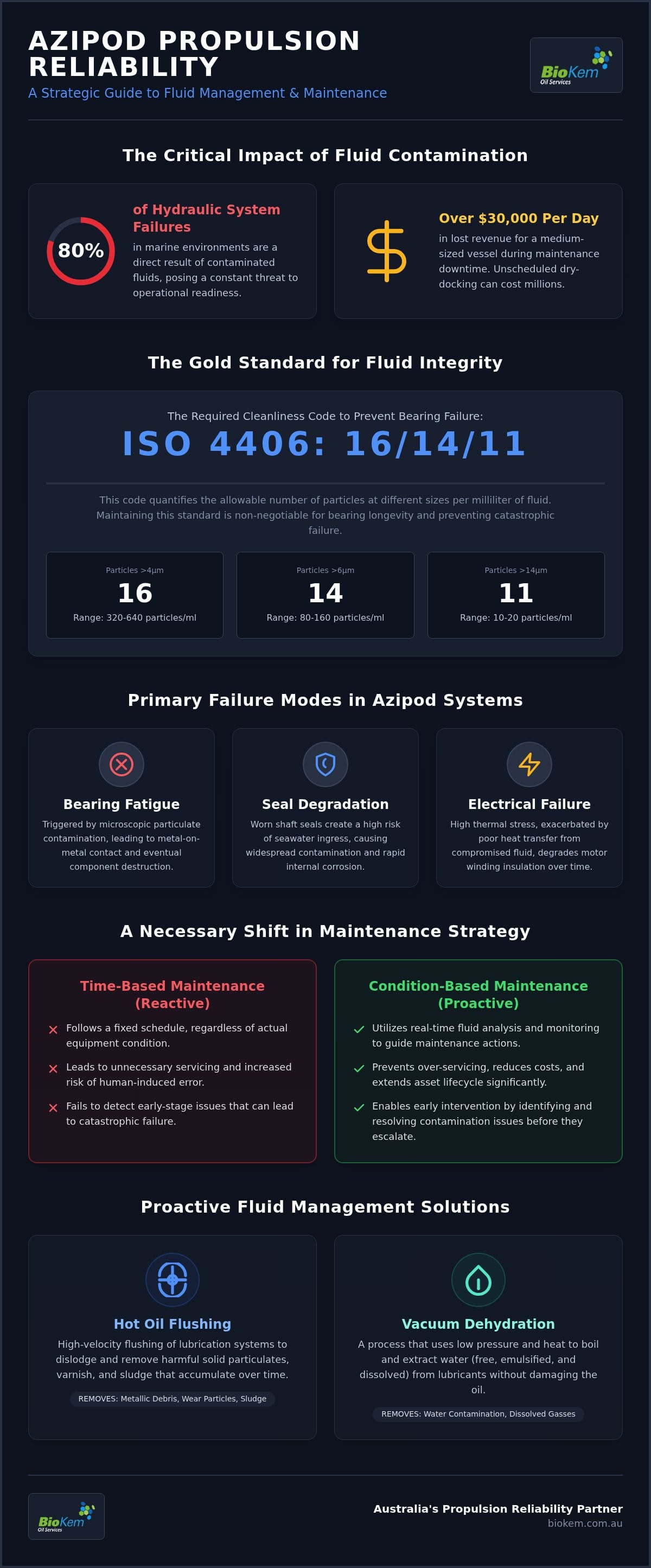
Did you know that approximately 80% of hydraulic system failures in marine environments are the direct result of fluid contamination? For vessel operators, this statistic isn’t just a technical detail; it’s a significant financial risk that makes rigorous azipod maintenance a baseline necessity for operational survival. When a medium-sized vessel can lose upwards of $30,000 in daily revenue due to maintenance downtime, the stakes for your propulsion systems couldn’t be higher. You’re likely already familiar with the complexity of podded lubrication and the rigid OEM standards that govern it. It’s a demanding discipline where the margin for error is microscopic, requiring a shift from reactive repairs to condition-based precision.
This article provides a strategic guide to ensuring podded propulsion reliability, focusing on the technical requirements for fluid integrity and proactive contamination control. You’ll discover how maintaining an ISO 4406 cleanliness code of 16/14/11 is essential to prevent unscheduled dry-docking and catastrophic bearing failure. We’ll outline the specific mechanisms of vacuum dehydration and high-velocity flushing that help secure predictable budgets and extend your asset’s lifecycle through scientific precision and environmental responsibility.
Key Takeaways
- Understand why podded propulsion shifts the maintenance focus from simple mechanical checks to complex fluid management disciplines.
- Learn how to implement azipod maintenance protocols that achieve the specific ISO 4406 cleanliness standards required for bearing longevity.
- Discover the operational advantages of condition-based monitoring over traditional time-based intervals to prevent over-servicing and human-induced error.
- Identify the technical roles of hot oil flushing and vacuum dehydration in removing harmful contaminants and extending the lifecycle of your lubricants.
- Explore how specialized Australian expertise and high-performance filtration hardware can effectively mitigate the risk of costly, unscheduled dry-docking.
What is Azipod Maintenance and Why is it Critical?
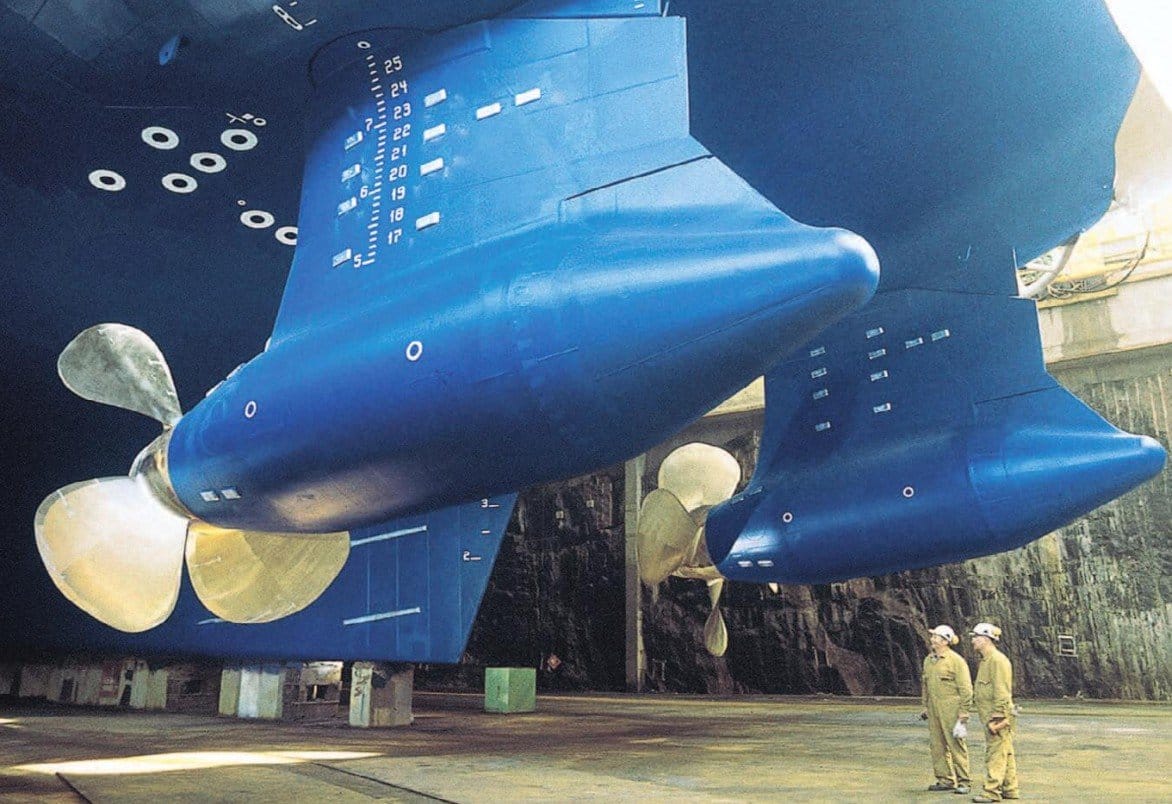
Azipod maintenance encompasses the systematic inspection, lubrication, and repair of podded electric propulsion units. While traditional shaftlines rely on internal combustion engines and long mechanical shafts, the Azipod propulsion system places the electric motor inside a submerged, rotatable pod. This shift significantly increases hydrodynamic efficiency and maneuverability, though it introduces a layer of maintenance complexity that traditional systems don’t possess. Proper oversight ensures that the complex interplay between electrical, mechanical, and hydraulic systems remains stable during extended deployments.
To better understand the mechanical intricacies involved in these systems, watch this helpful video:
The financial consequences of a failure are significant. Propulsion downtime represents the single most expensive risk in modern shipping. Beyond the loss of daily revenue, which can exceed $30,000 for medium-sized vessels, the cost of an unscheduled dry-docking for a pod overhaul can reach millions. Effective azipod maintenance isn’t just about keeping parts moving; it’s about protecting the vessel’s primary revenue-generating asset from catastrophic failure through disciplined fluid management and mechanical oversight.
The Architecture of Podded Propulsion
Primary Failure Modes in Azipod Systems
System reliability is often compromised by three specific failure modes that demand proactive monitoring:
- Bearing Fatigue: This is often triggered by particulate contamination in the lubricating oil. Even microscopic debris can disrupt the hydrodynamic film, leading to metal-on-metal contact and eventual bearing destruction. Implementing hot oil flushing during maintenance can remove these contaminants before they cause damage.
- Seal Degradation: Worn shaft seals create an immediate risk of seawater ingress. This contaminates the lubrication system and can lead to rapid corrosion of internal components.
- Electrical Insulation Failure: High thermal stress on the motor windings can degrade insulation over time. This is often exacerbated by poor heat transfer if the cooling systems or fluid integrity are compromised.
The Role of Lubrication and Hydraulic Fluid Integrity
Azipod systems differ from conventional shaftline drives because their bearings operate under extreme pressure within a submerged, self-contained pod. To maintain a stable hydrodynamic film, the lubricating oil must remain ultra-clean. Any compromise in fluid integrity leads to metal-on-metal contact. Contamination typically enters through three main pathways: atmospheric moisture ingress, metallic wear debris from internal components, and thermal degradation of the oil itself. Rigorous azipod maintenance protocols must therefore center on maintaining the chemical and physical properties of these lubricants to prevent premature component fatigue.
Effective maintenance requires a shift in perspective, viewing oil not just as a consumable, but as a critical mechanical component. Citing the operational and maintenance benefits of podded systems often highlights their efficiency, but these gains are only realized when fluid health is prioritized. Standard shipboard filtration often lacks the precision to capture sub-micron particles, leaving the system vulnerable to accelerated wear. Without specialized intervention, the high-performance components within the pod are subjected to abrasive forces that standard filters simply can’t mitigate.
ISO 4406 Standards for Marine Propulsion
Marine propulsion OEMs specify strict targets for fluid cleanliness to protect sensitive bearing surfaces. For podded units, the industry standard is typically an ISO 4406 code of 16/14/11. This three-digit code quantifies the number of particles per milliliter at sizes of 4, 6, and 14 microns. ISO 4406 is a standardized method for reporting the level of solid particulate contamination in a fluid based on particle count per unit volume. Achieving these targets can extend bearing life by up to 300% by minimizing the abrasive wear that leads to spalling and surface fatigue. Maintaining this level of purity is the core of modern azipod maintenance strategies.
Varnish Mitigation in Propulsion Units
Varnish is the silent killer of modern propulsion systems. In podded units, extreme temperature fluctuations accelerate the oxidation of the lubricating oil, leading to the formation of soft, sticky deposits. These deposits, or varnish, accumulate on steering actuators and control valves, resulting in sluggish steering response or complete valve sticking. This degradation can be managed through specialized varnish removal systems that extract soluble contaminants before they precipitate onto metal surfaces. To ensure your system meets these rigorous standards, conducting a professional oil analysis is the first step toward a proactive reliability strategy.
Condition-Based Maintenance vs. Time-Based Intervals
Traditional maritime maintenance historically relied on rigid calendar intervals. This time-based approach often leads to over-servicing, where components are replaced regardless of their actual state. Disassembling complex podded units simply because a date has passed introduces the risk of human-induced error and unnecessary mechanical stress. Modern azipod maintenance has shifted toward Condition-Based Maintenance (CBM). This predictive lifecycle management strategy uses empirical data to drive dry-docking decisions, ensuring that interventions occur only when the hardware requires it.
The transition to CBM allows for a more predictable maintenance budget. By identifying potential issues before they escalate, operators avoid the high costs of emergency repairs. This logical progression from reactive to proactive care mirrors the scientific rigor required to maintain ultra-clean environments for high-performance bearings. Integrating real-time sensor data with laboratory-grade oil analysis provides a holistic view of the system’s operational health, anchoring global efficiency goals in practical, data-driven reality.
Remote Diagnostic Systems (RDS)
The Value of Oil Analysis Reports
While electronic sensors provide real-time alerts, laboratory oil analysis reveals the chemical reality inside the pod. Interpreting elemental analysis for wear metals like Iron, Copper, and Lead allows technicians to track degradation trends over time. Water-in-oil detection remains the most critical early warning system for shaft seal failure, preventing seawater ingress from compromising the entire lubrication circuit. For a definitive assessment of internal health, a BioKem filter ferrogram provides a detailed wear particle study. This microscopic analysis identifies the specific morphology and composition of debris, allowing for the pinpointing of failing components without invasive teardowns.
Proactive Fluid Management: Flushing and Dehydration
Proactive fluid management represents the bridge between identifying a contamination issue and restoring system reliability. While many operators view oil changes as the default solution for degraded fluid, purification technologies offer a more sustainable and technically superior alternative. Integrating these methods into your azipod maintenance schedule reduces the environmental footprint of your operations by minimizing hazardous waste. Utilizing vacuum dehydration can extend the life of lubricants by two to three times, maintaining the chemical stability of the fluid while removing the particulate and moisture threats that lead to bearing failure.
Adopting these purification strategies allows for onsite remediation, often while the vessel is at-berth. This avoids the logistical nightmare of transporting large volumes of new oil and disposing of contaminated waste. It’s a logical, scientific approach that prioritizes the long-term ecological health of the marine environment while securing the operational result of a reliable propulsion system.
The Hot Oil Flushing Process for Propulsion
Hot oil flushing is the gold standard for cleaning internal galleries after a major repair or during the commissioning of new units. This process utilizes high-velocity turbulent flow to dislodge stubborn contaminants that remain trapped during stagnant oil changes. To be effective, the flow must reach a Reynolds number high enough to ensure turbulence, physically scouring the internal surfaces of the pod’s lubrication circuit. Technicians utilize paddle flushing screens to capture and inspect debris, providing a visual and quantifiable verification of cleanliness. For comprehensive technical specifications on these procedures, refer to the BioKem hot oil flushing services documentation.
Vacuum Dehydration for Seal Leakage Mitigation
Moisture ingress is a constant threat to submerged propulsion units, often occurring through minor seal wear or atmospheric condensation. Vacuum dehydration is the most efficient method for removing this moisture without the need for costly oil disposal. These units are capable of removing 100% of free water and up to 90% of dissolved water from the lubricant. By creating a controlled environment, the system lowers the vapor pressure of the fluid. In a 25-inch Hg vacuum, the boiling point of water is reduced to approximately 56 degrees Celsius, allowing moisture to evaporate at temperatures that don’t compromise the oil’s critical additive package. This process ensures the lubricant’s dielectric and load-bearing properties remain intact, even when minor seal leakage occurs.
Accessing this level of technical precision in Australia doesn’t require permanent capital investment. Operators can utilize specialized equipment hire for onsite maintenance, allowing for rapid response to contamination events. If you’re facing moisture ingress or particulate contamination, you can hire specialist filtration equipment to restore your propulsion fluid to OEM specifications today.
BioKem Oil Services: Australia’s Propulsion Reliability Partner
BioKem Oil Services serves as the essential technical partner for vessel operators across Australia, providing the specialized fluid management required to sustain podded propulsion. While mechanical repairs are often the focus of dry-docking, the day-to-day reliability of these systems depends on the chemical and physical integrity of their lubricants. BioKem offers nationwide support, bridging the gap between OEM mechanical service and high-level fluid engineering. By maintaining the ultra-clean environments Azipod bearings demand, we help superintendents reduce the total cost of ownership (TCO) and avoid the catastrophic financial impact of unscheduled downtime mentioned earlier.
Our approach integrates onsite technical reporting with laboratory-grade oil analysis. This ensures that marine superintendents have a clear, data-driven understanding of their asset’s health without relying solely on remote sensors. We provide the expertise needed to navigate strict OEM requirements while focusing on long-term ecological health. This balance of technical proficiency and environmental responsibility positions us as a reliable partner in solving the most complex propulsion challenges in the Australian maritime sector.
Specialist Filtration Hardware for Marine Use
Effective azipod maintenance requires hardware that can withstand the rigors of the marine environment while meeting precise cleanliness targets. As the authorized distributor for Filters S.p.A. Australia, BioKem provides high-beta ratio filters designed for critical propulsion loops. These specialist oil filters are essential for removing sub-micron particulates that standard elements miss. We also develop custom filtration solutions for unique podded motor cooling systems, ensuring that every fluid circuit remains within specified ISO limits. For vessels facing immediate contamination threats, our equipment hire options provide rapid response capabilities, delivering industrial-grade filtration hardware directly to the wharf.
Strategic Maintenance Planning with BioKem
Reliability is not an accident; it’s the result of a deliberate, proactive maintenance strategy. BioKem works with fleet managers to move beyond reactive cycles, implementing condition-based audits that identify wear trends before they manifest as mechanical breakdowns. By combining our onsite oil health audits with advanced services like filter ferrogram analysis, we provide a holistic view of propulsion integrity. This strategic planning ensures that maintenance budgets remain predictable and asset lifecycles are maximized through scientific discipline. If you’re ready to secure your fleet’s reliability, contact BioKem for a propulsion fluid audit today to begin your journey toward optimized asset health.
Securing the Future of Podded Propulsion Reliability
Sustaining the operational efficiency of podded systems requires a shift from traditional mechanical oversight to a data-driven fluid management discipline. By prioritizing ISO 4406 compliant purification services, vessel operators don’t just prevent bearing failure; they actively extend the lifecycle of their most critical assets. This proactive approach to azipod maintenance ensures that lubricants remain a stable component of the propulsion loop, rather than a pathway for contamination. It’s a logical progression that aligns operational results with environmental responsibility.
BioKem Oil Services provides the Australian maritime sector with onsite fluid management for critical marine assets. As the sole Australian distributor for Filters S.p.A., we combine high-performance hardware with laboratory-grade analysis to deliver predictable maintenance outcomes. Protecting your propulsion system from unscheduled downtime is a matter of scientific precision and local expertise. We’re here to help you navigate the complexities of fluid integrity with quiet confidence.
If you’re ready to optimize your maintenance intervals and safeguard your fleet’s performance, Request a Technical Consultation for Your Propulsion System today. Let’s ensure your systems operate with the reliability and efficiency they were designed to deliver.
Frequently Asked Questions
How often should Azipod oil be sampled for analysis?
Operators should sample Azipod gearbox oil at least quarterly or semi-annually to monitor for early signs of degradation. This frequency allows for the detection of gradual wear trends before they escalate into mechanical failures. For vessels operating in demanding environments, more frequent sampling provides a more granular view of fluid health. Consistent oil analysis remains the most effective way to identify contamination pathways such as moisture ingress or particulate buildup.
Can hot oil flushing be performed without dry-docking the vessel?
Hot oil flushing can be performed while the vessel is afloat or at-berth, provided there is sufficient access to the pod’s lubrication circuit. This allows for critical cleaning after minor repairs or contamination events without the logistical burden of dry-docking. By utilizing portable high-velocity flushing units, technicians can achieve the required turbulent flow to dislodge internal debris. This onsite approach minimizes downtime and maintains the system’s operational readiness.
What are the first signs of Azipod bearing failure?
The earliest indicators of bearing fatigue include abnormal vibration signatures and a steady rise in operating temperatures within the pod housing. Remote diagnostic systems often detect these anomalies before they are physically noticeable to the crew. If left unaddressed, these symptoms lead to metal-on-metal contact and the production of large wear particles. Regular monitoring of these parameters is a core component of effective azipod maintenance and predictive lifecycle management.
Is seawater ingress always a reason for immediate pod removal?
Seawater ingress does not always necessitate immediate pod removal if the moisture is detected early and managed through vacuum dehydration. While salt is corrosive, removing the water promptly can stabilize the lubricant and prevent catastrophic corrosion of internal bearings. However, the root cause of the seal leakage must be identified and monitored closely. Continuous dehydration can buy critical operational time until a scheduled dry-docking allows for permanent seal replacement.
How does varnish affect the steering speed of a podded unit?
Varnish buildup creates a sticky residue on the internal surfaces of steering actuators and hydraulic control valves, leading to sluggish or erratic steering response. This resistance forces the steering motors to work harder, increasing thermal stress and potential electrical failure. In extreme cases, varnish can cause a valve to seize entirely, compromising the vessel’s maneuverability. Implementing a varnish mitigation strategy ensures that steering remains responsive and reliable during critical maneuvers.
What is the difference between OEM and independent oil maintenance?
OEM services typically prioritize the mechanical overhaul and replacement of hardware components during scheduled intervals. In contrast, independent specialists focus on the technical engineering of the fluid itself, such as achieving ISO 4406 standards through high-end filtration. This specialized approach complements OEM mechanical work by ensuring the internal environment is clean enough to support the new hardware. Independent maintenance often provides more flexible, onsite solutions for fluid purification.
Can vacuum dehydration remove salt from propulsion oil?
Vacuum dehydration is designed to remove free and dissolved water, but it cannot remove dissolved salt or solid minerals from the oil. If seawater ingress has introduced significant salt content, the oil must be analyzed to determine if the additive package is compromised. While dehydration stops the immediate corrosive action of the water, salt crystals can remain as abrasive particulates. In cases of high salinity, a complete fluid change may be required.
How do ISO 4406 codes impact the warranty of podded propulsion?
Most propulsion manufacturers mandate specific ISO 4406 cleanliness targets, often 16/14/11, as a condition of their equipment warranty. Failure to document and maintain these standards can lead to the denial of warranty claims in the event of a bearing failure. Keeping detailed records of oil analysis and purification efforts is essential for regulatory compliance. Adhering to these standards during azipod maintenance protects the operator’s financial investment and ensures long-term asset reliability.