
A single microscopic particle left behind during the installation of an 11,785 kW asset can turn a multi-million dollar investment into a catastrophic failure before it even reaches its first service interval. Commissioning lube oil systems on new Bergen B36:45V20 gas-fired reciprocating engines requires more than just a standard oil circulation; it demands a rigorous approach to removing "built-in" debris that accumulates during assembly and transport. With lubricant prices seeing cumulative increases approaching 30% in early 2026, the cost of getting this process wrong has never been higher.
You recognize that the complexity of a large-bore V20 engine leaves no room for error when it comes to bearing protection and warranty compliance. This guide provides the technical roadmap to mastering the cleanliness standards and critical flushing procedures necessary for these sophisticated systems. We’ll examine high-velocity hot oil flushing techniques and the ISO 4406:2021 targets required to ensure your Bergen B36:45V20 operates with maximum reliability from day one while meeting all manufacturer requirements.
Key Takeaways
- Understand why commissioning lube oil systems on new Bergen B36:45V20 gas-fired reciprocating engines is the most critical window for removing “built-in” debris that threatens long-term bearing reliability.
- Learn how to execute high-velocity hot oil flushing at 60-70°C to achieve the turbulent flow necessary for dislodging contaminants from complex internal pipework.
- Identify the verification protocols required by the ISO 4406:2021 standard and the role of laser particle counters in providing immediate feedback on fluid integrity.
- Discover the essential pre-commissioning inspections and pressure tests that protect your 11,785 kW asset during its initial startup phase.
- Gain insights into leveraging specialized equipment hire and professional oil analysis to meet strict manufacturer warranty conditions and environmental compliance standards.
Table of Contents
- The Criticality of Lube Oil Commissioning for Bergen B36:45V20 Engines
- Technical Requirements and Pre-Commissioning Checks
- The Hot Oil Flushing Process for Large-Bore Gas Engines
- Verification: ISO 4406 Cleanliness and Oil Analysis
- BioKem Solutions for Bergen Engine Commissioning
The Criticality of Lube Oil Commissioning for Bergen B36:45V20 Engines
The Bergen B36:45V20 is a powerhouse of engineering, delivering up to 11,785 kW of electrical output. However, its sophisticated 20-cylinder design means the lubrication system is complex, featuring narrow galleries and high-tolerance components that require ultra-clean oil to function. Commissioning lube oil systems on new Bergen B36:45V20 gas-fired reciprocating engines represents the only window of opportunity to purge the system of "built-in" debris. This includes welding slag, metal shavings, and atmospheric dust that inevitably enters the system during manufacturing, transport, and site installation.
Relying on the engine’s integrated pumps for this initial cleaning is a common but dangerous oversight. Onboard pumps are sized for operational circulation, not the high-velocity turbulent flow required to dislodge stubborn particulates. The science of tribology teaches us that even microscopic contaminants can lead to surface fatigue and abrasive wear on critical contact points. Without an external, high-capacity flushing unit, these particles remain trapped in crevices, waiting to be swept into the bearings during the first few hours of operation.
To better understand this concept, watch this helpful video:
Understanding the B36:45V20 Lubrication Architecture
The V20 configuration demands a massive oil volume to protect its extensive internal architecture. Critical lubrication points include the main crankshaft bearings, high-speed turbochargers, and the complex camshaft assemblies. While Bergen Engines designs these units for maximum reliability, the internal filtration system is meant to capture operational wear particles, not the heavy debris load found in a newly installed system. Specialized hot oil flushing and filtering equipment is necessary to achieve the Reynolds numbers required to lift and transport these heavy contaminants out of the engine block and into high-efficiency filtration media.
Risks of Improper System Cleaning
Failing to achieve the required ISO 4406:2021 cleanliness targets during commissioning carries severe financial and operational risks. In high-stakes environments like AI data centers, where these engines provide critical backup or prime power, unscheduled downtime can result in massive revenue losses. Beyond immediate mechanical failure, there’s the issue of regulatory and warranty compliance. Bergen Engines, now under Langley Holdings plc, maintains strict initial oil cleanliness specifications. If a bearing failure occurs and the commissioning logs don’t reflect that the oil met these standards, the asset owner faces the full cost of repairs on a multi-million dollar engine.
Technical Requirements and Pre-Commissioning Checks
Before the first drop of oil circulates, technicians must conduct a meticulous physical audit of the lubrication circuit. This begins with a manual inspection of the engine sump and accessible oil galleries to remove any visible particulate matter. Even a small piece of plastic wrap or a stray bolt can compromise the entire flushing sequence. It’s vital to ensure the internal surfaces are bone-dry and free from the preservatives used during shipping, as these can react with the operational oil and lead to premature varnish formation.
All external pipework connecting the engine to auxiliary systems must be verified for correct installation and subjected to rigorous pressure testing. According to the Bergen B36:45V Engine Specifications, these units are designed for precise operational parameters where any deviation in flow can impact cooling and lubrication efficiency. Any leakage during the high-pressure flushing phase not only delays the project but also presents an environmental hazard on-site. Verification of the oil grade is equally vital. Using a lubricant that doesn’t match Bergen’s gas-fired engine requirements can lead to chemical incompatibilities that degrade seals and gaskets over time.
Establishing the Flushing Loop
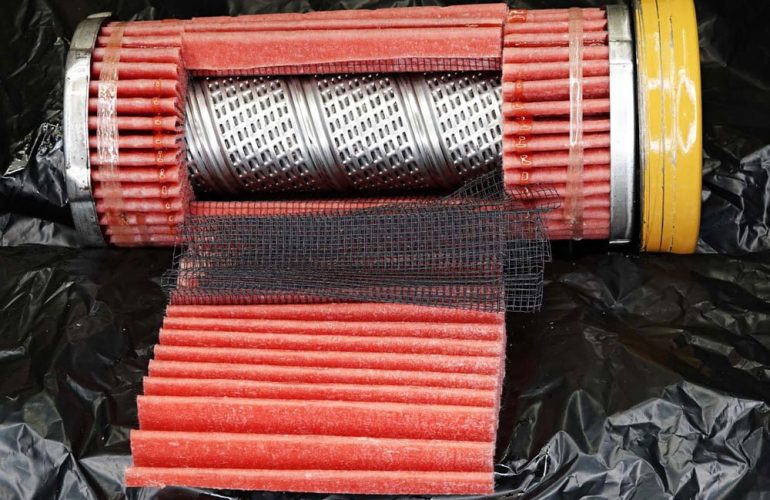
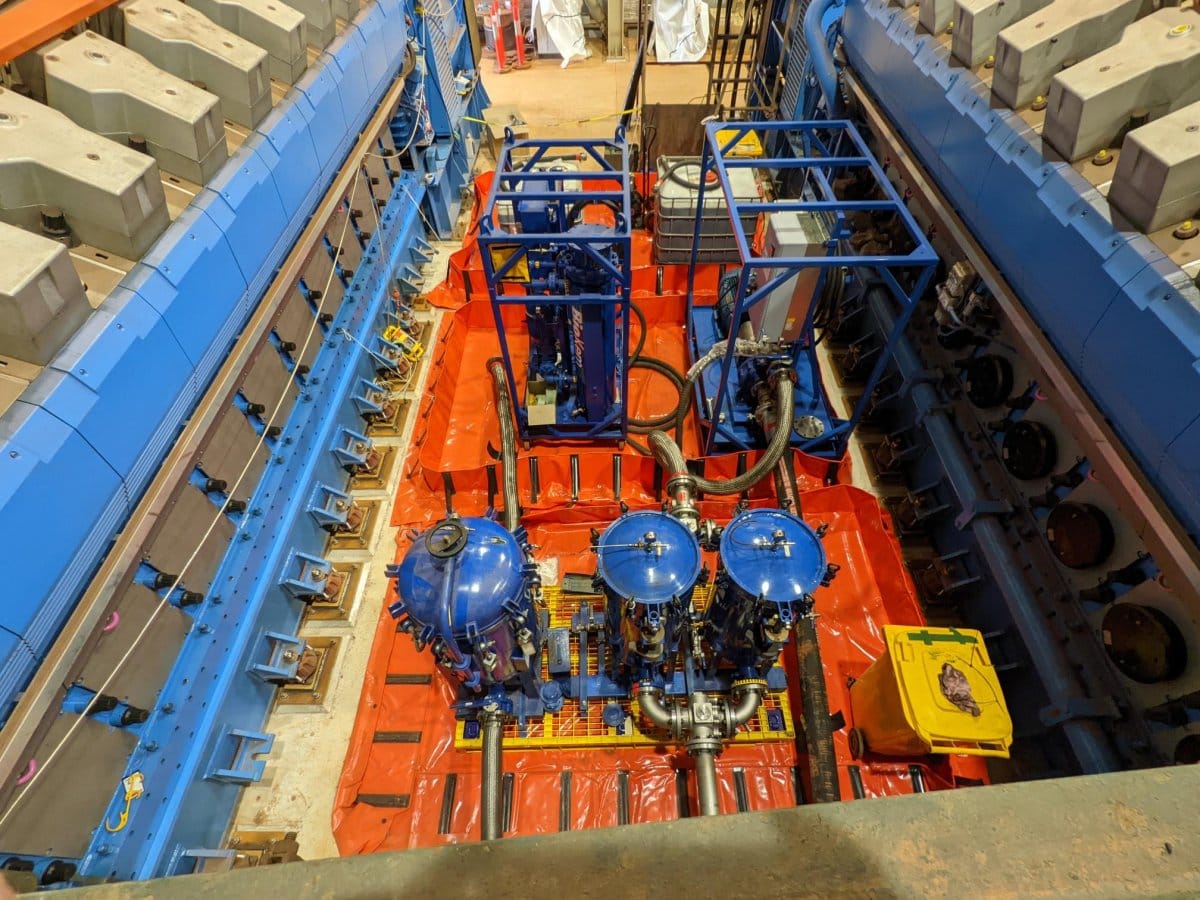
Commissioning lube oil systems on new Bergen B36:45V20 gas-fired reciprocating engines involves the creation of a dedicated, isolated flushing circuit. The primary objective is to bypass the engine’s main bearings, camshafts, and turbochargers. High-velocity flow rates, which are essential for cleaning the pipework, can cause cavitation or physical erosion in these sensitive components if they aren’t protected. By integrating external high-capacity filter housings and specialist oil filters, the system can capture contaminants without recirculating them through the engine block. This setup allows for the high Reynolds numbers required to ensure the "boundary layer" of the pipe is scrubbed clean of fine silts.
Oil Selection and Environmental Considerations
Choosing the right viscosity is a technical necessity for flushing efficiency. While the operational oil is typically used, it must be heated to reduce viscosity and maximize turbulence. In the Australian industrial landscape, environmental responsibility isn’t optional. Rigorous spill containment and fluid handling protocols must be in place to prevent ground contamination. Rather than a wasteful "drain and fill" approach, professional oil purification offers a sustainable alternative that maintains fluid integrity while reducing hazardous waste volumes. Consulting with experts on hot oil flushing protocols ensures these technical and environmental hurdles are cleared efficiently before the engine is ever fired.
The Hot Oil Flushing Process for Large-Bore Gas Engines
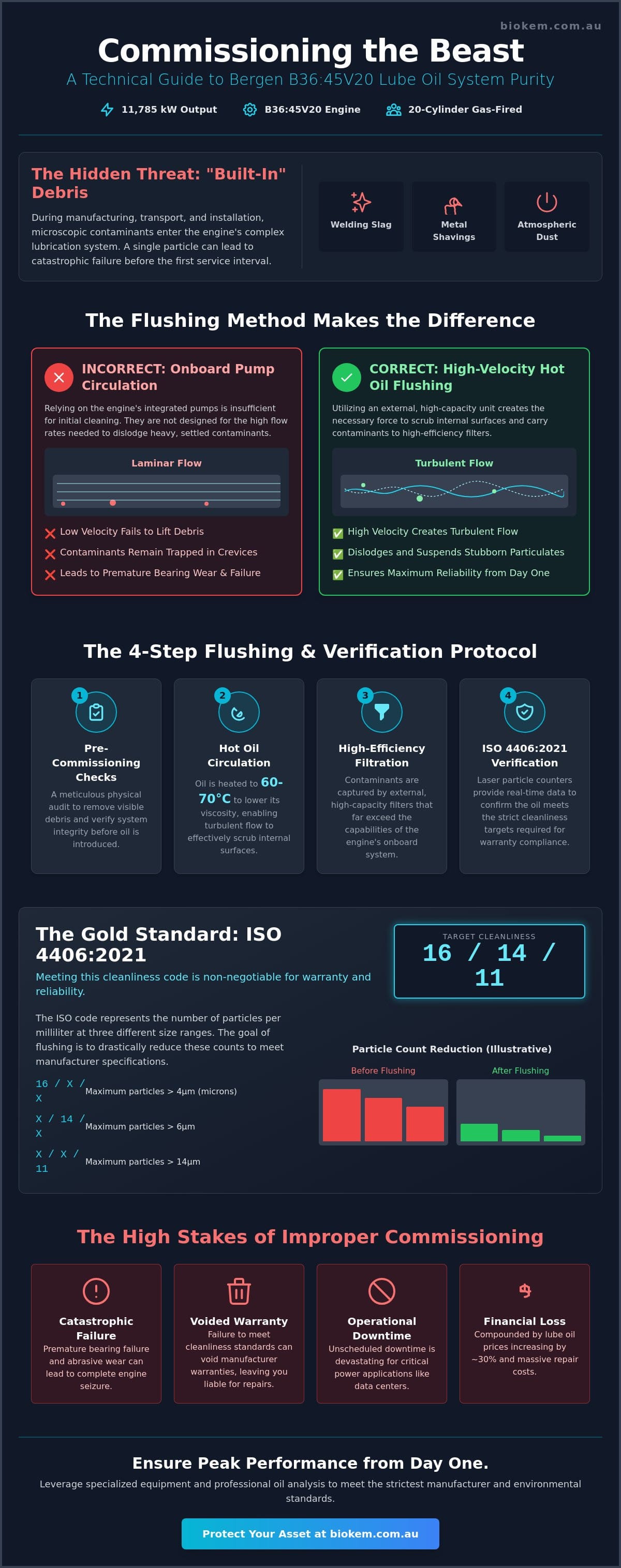
The transition from a static system to a dynamic flush is where the actual cleaning begins. Hot oil flushing is the most effective method to ensure internal cleanliness, but it relies on specific thermodynamic principles. By heating the lubricant to between 60°C and 70°C, the fluid’s viscosity drops significantly. This change is vital; it allows the oil to reach the high Reynolds numbers necessary to transition from laminar to turbulent flow. Unlike laminar flow, where oil slides smoothly through the center of the pipe, turbulent flow creates a chaotic scrubbing action against the internal walls. This energy is what physically dislodges "stuck" contaminants like weld slag or fine grit.
During the process, technicians must monitor the differential pressure (DP) across the commissioning filters. Rapid spikes in DP indicate a successful "hit" where a pocket of debris has been released and captured. Commissioning lube oil systems on new Bergen B36:45V20 gas-fired reciprocating engines isn’t a "set and forget" task. It’s a dynamic operation that requires constant adjustment of flow rates and temperatures based on the particulate load being recovered. Once the heavy debris is removed, the process moves into a final polishing stage to reach the ultra-clean targets required for modern gas engine reliability.
Achieving Turbulent Flow in V20 Systems
The B36:45V20 features large-diameter headers that require substantial volume to clean effectively. Standard engine-driven pumps simply don’t have the capacity to generate the required velocities for a proper flush. To achieve a Reynolds number that guarantees turbulence, external pump sets are utilized to push oil at 2-3 times the engine’s normal operational flow rate. Technicians use paddle flushing screens at various exit points to visually verify the size and type of particulates being removed. This provides immediate evidence of the flushing progress before moving to the final verification stage.
Thermal Cycling and Mechanical Agitation
Stubborn scale and silica often bond to pipe walls through surface tension or manufacturing residues. To break these bonds, we implement thermal cycling. By rapidly varying the oil temperature within the 40°C to 70°C range, the metal pipework undergoes subtle expansion and contraction. This "thermal shock" helps flake off brittle contaminants that constant flow alone might miss. When combined with strategic mechanical vibration on external pipework, the success rate of the flush increases. Real-time data from hot oil flushing filtering units guides the duration of the flush, ensuring we don’t stop until the particulate count stabilizes at the target level.
Verification: ISO 4406 Cleanliness and Oil Analysis
Verification acts as the technical bridge between high-velocity flushing and the first firing of the engine. Once the turbulent flow has dislodged contaminants, the focus shifts to quantifying fluid integrity. The ISO 4406:2021 standard provides the framework for this assessment, utilizing a three-part code to represent the concentration of particles at 4µm, 6µm, and 14µm. For a high-output asset like the Bergen B36:45V20, meeting these targets isn’t optional; it’s a fundamental requirement for warranty validation under Langley Holdings’ ownership.
The 2021 revision of ISO 4406 specifically permits the use of Particle Contamination Monitors (PCMs). These laser-based counters provide immediate onsite feedback, allowing technicians to see the impact of the flushing process in real time. This data is vital for deciding when to transition from bulk flushing to the final polishing phase. However, onsite data should be backed by a certified laboratory report to ensure the baseline fluid chemistry is correct before startup.
Onsite Testing and Patch Analysis
While digital counters offer speed, utilizing patch test kits provides a necessary visual cross-reference. A patch analysis allows technicians to identify the type of debris remaining, whether it’s metallic shavings, silica, or elastomer fragments. For commissioning lube oil systems on new Bergen B36:45V20 gas-fired reciprocating engines, a typical target might be an ISO code of 16/14/11. Reaching this level signifies that the fluid is clean enough to enter the final polishing phase, where sub-micron filtration removes the last traces of silt that could compromise bearing surfaces.
Comprehensive Oil Analysis Reports
The final laboratory analysis goes beyond simple particle counts. It establishes a baseline for additive levels and checks for moisture content, which can be introduced during the flushing process. This data forms the foundation of a long-term asset management plan that extends the life of the B36:45V20. By documenting that the oil is fit for its first 1,000 hours of operation, you protect the engine’s bearings and meet all regulatory requirements for emission-controlled areas. To ensure your system meets these rigorous standards, professional hot oil flushing and analysis provides the necessary documentation for your Bergen engine.
BioKem Solutions for Bergen Engine Commissioning
BioKem provides the technical infrastructure and specialized expertise required for commissioning lube oil systems on new Bergen B36:45V20 gas-fired reciprocating engines. As industrial projects scale across Australia, maintaining compliance with local environmental and safety standards becomes a primary operational hurdle. Our approach integrates high-velocity hot oil flushing and filtering with a rigorous commitment to ecological health. By utilizing high-efficiency filtration and precise thermal management, we ensure that the initial system cleanup doesn’t result in unnecessary hazardous waste or environmental degradation.
A cornerstone of our capability is our role as the Australian distributor for Filters S.p.A.. This partnership grants our clients access to specialist oil filters and high-capacity housings specifically engineered for the heavy particulate loads encountered during large-bore engine commissioning. These components are essential for capturing the microscopic debris that standard engine filters might miss. Having these resources available nationwide ensures that Bergen engine projects can proceed without the delays often associated with sourcing specialized international components.
Specialized Equipment for High-Velocity Flushing
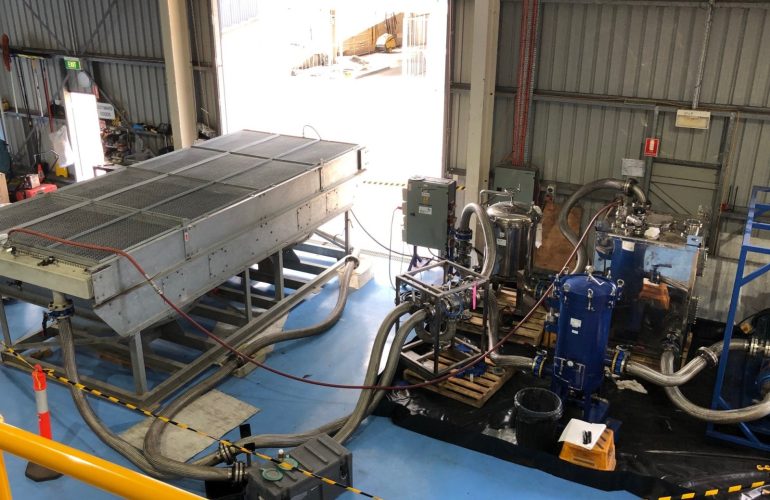
Achieving the turbulent flow rates discussed in previous sections requires more than just standard hardware. BioKem maintains a fleet of high-flow pump sets and heating units tailored for the massive oil volumes of the V20 configuration. For sites that manage their own commissioning teams, we offer flexible equipment hire options. This includes onsite particle counting tools and mobile laboratory-grade oil analysis capabilities. These tools provide the empirical data needed to satisfy Bergen’s strict warranty requirements and verify the success of the flushing operation before the engine is ever energized.
The BioKem Advantage: Expert Technical Support
The value of professional commissioning lies in the reduction of early-life failures. Our technicians understand the nuances of the B36:45V20 architecture, from its complex oil galleries to its sensitive turbocharger bearings. We implement a comprehensive contamination control strategy from day one, focusing on long-term asset longevity rather than just short-term results. This proactive stance protects your capital investment and ensures that your gas engine meets the stringent Tier III NOx limits and methane emission guidelines established for 2026. By choosing a partner with local expertise and global technical standards, you anchor your operational goals in a dependable, localized context.
Securing Operational Excellence for Your Bergen Power Assets
The path to long-term reliability for a high-output asset begins with a rigorous commitment to fluid cleanliness long before the first ignition. Successfully commissioning lube oil systems on new Bergen B36:45V20 gas-fired reciprocating engines relies on achieving the specific turbulent flow rates required to purge "built-in" contaminants. Adhering to the ISO 4406:2021 standard isn’t just a technical recommendation; it’s a fundamental step in securing manufacturer warranty compliance and preventing premature component fatigue. By removing microscopic debris during this critical window, you protect the engine’s bearings and ensure the system is prepared for the demands of the modern energy landscape.
BioKem brings specialized technical expertise to every project as the authorized Australian distributor for Filters S.p.A. products. Our team combines specialist experience in high-velocity hot oil flushing with comprehensive onsite laboratory analysis to provide immediate, verifiable results. This structured approach reduces the risk of early-life failures and ensures your equipment meets the latest environmental performance guidelines. Contact BioKem for expert Bergen B36:45V20 commissioning services to anchor your project in technical precision and operational confidence. We’re ready to help you achieve maximum reliability for your critical power infrastructure.
Frequently Asked Questions
What is the target ISO 4406 cleanliness code for a new Bergen B36:45V20?
A target cleanliness of ISO 16/14/11 is generally required for these high-tolerance assets to ensure long-term reliability. Adhering to the ISO 4406:2021 standard allows technicians to quantify solid particle contamination accurately across three specific micron levels. This level of purity is vital for protecting the engine’s main bearings and high-speed turbochargers from abrasive wear during the initial hours of operation.
How long does a typical hot oil flush take for a 20-cylinder gas engine?
A typical flush for a V20 engine system usually takes between 24 and 72 hours of continuous high-velocity circulation. The exact duration isn’t fixed by a clock but is determined by real-time particle counts and the complexity of the external pipework. The process continues until the contamination levels stabilize at the target ISO code, ensuring all "built-in" debris is fully recovered.
Do I need to flush the system if the engine is brand new from the factory?
Yes, flushing is essential because manufacturing, assembly, and transport inevitably introduce contaminants into the system. Commissioning lube oil systems on new Bergen B36:45V20 gas-fired reciprocating engines is the only opportunity to remove welding slag, metal shavings, and atmospheric dust before they reach critical components. Skipping this step significantly increases the risk of bearing failure during the engine’s first load trial.
Can I use the engine’s main lube oil pump for the commissioning flush?
You shouldn’t use the engine’s internal pump for the initial commissioning flush. Onboard pumps are designed for operational lubrication, not the high-velocity turbulent flow required to scrub internal pipe walls. Utilizing an external high-flow pump set allows you to bypass sensitive engine internals, preventing damage while achieving the Reynolds numbers necessary for a successful clean.
What are the most common contaminants found during commissioning?
The most frequent contaminants recovered include welding slag, metal filings, silica, and preservative residues from the manufacturing process. Site-installed pipework is a primary source of these particulates. Without a professional flush, these contaminants migrate directly into the engine’s high-tolerance galleries, where they can cause immediate surface fatigue and abrasive wear on contact points.
How does temperature affect the efficiency of a lube oil system flush?
Temperature is the primary driver of flushing efficiency because it directly impacts fluid viscosity. Heating the oil to between 60°C and 70°C reduces viscosity, which is necessary to achieve the turbulent flow required for cleaning. Additionally, thermal cycling causes the pipework to expand and contract slightly, which helps to physically dislodge stubborn scale and grit from the pipe walls.
Is onsite oil analysis sufficient for Bergen warranty requirements?
While onsite testing provides vital real-time feedback, it’s rarely sufficient for official warranty validation on its own. Bergen Engines typically requires a baseline report from a certified laboratory to confirm the oil’s chemistry and moisture levels. This comprehensive analysis provides a permanent legal record that the lubrication system met all manufacturer specifications before the engine was energized.
What are the benefits of using a third-party specialist for commissioning?
Third-party specialists provide access to high-flow equipment and technical expertise that most site teams don’t have in-house. By utilizing professional oil analysis and specialized filtration, you shift the technical risk away from the owner and ensure the project meets strict warranty conditions. This approach protects your multi-million dollar capital investment and ensures the engine is prepared for long-term operational health.