

Did you know that a mere 1 millimetre of carbonised sludge on your heat exchanger surfaces can increase energy consumption by as much as 25%? For an Australian manufacturing plant operating 24/7, this inefficiency translates to thousands of dollars in wasted power and unnecessary thermal stress. You’re likely already dealing with the frustration of unscheduled downtime or the looming threat of pump failure caused by stubborn varnish. Cleaning Heat Transfer Oil Systems effectively requires more than a simple fluid change; it demands a technical approach that prioritises both performance and environmental responsibility.
By adopting advanced flushing and varnish mitigation strategies, you’ll restore your system’s original thermal conductivity while ensuring strict compliance with local safety and environmental standards. This guide details how to eliminate carbon deposits, extend the lifespan of your industrial fluids, and implement nature-based solutions that protect your assets. We’ll walk through the specific steps needed to transition from a clogged, inefficient circuit to a high-performing system that meets Australian regulatory requirements and reduces your carbon footprint.
Key Takeaways
- Understand how carbon deposits and varnish act as insulators, and learn to identify the “silent killers” of oxidation and thermal cracking that compromise thermal efficiency.
- Compare the benefits of online additive cleaning versus offline mechanical methods to determine the most efficient strategy for Cleaning Heat Transfer Oil Systems without disrupting active production.
- Discover why achieving turbulent flow through high-velocity flushing is scientifically superior to standard circulation for dislodging settled solids and contaminants.
- Learn the critical preparation steps for a successful restoration, including pre-clean oil analysis and the mechanical configurations required for safe, compliant execution.
- Explore how BioKem’s technical intervention teams provide turnkey, onsite solutions across Australia to restore asset reliability and ensure long-term environmental health.
Why Cleaning Heat Transfer Oil Systems is Critical for Reliability
Industrial thermal efficiency relies on the unhindered flow of energy from the burner to the process. The physics of heat transfer is delicate; it requires clean metallic surfaces to maintain optimal conductivity. When a Heat-transfer fluid begins to degrade, it forms carbon deposits and varnish that act as high-resistance insulators. A carbon layer as thin as 0.8 millimetres can reduce heat transfer efficiency by approximately 25%, forcing the system to consume significantly more energy to maintain target temperatures.
To better understand the practical implications of system fouling, watch this video detailing the maintenance process for high-temperature heaters:
Many operators attempt to resolve these issues by simply draining and refilling the system. This approach often fails because up to 10% of the degraded fluid and residual sludge remains trapped in low points and dead legs. This residual contamination immediately catalyses the degradation of the new oil, shortening its lifespan by as much as 50% from day one. Effective Cleaning Heat Transfer Oil Systems requires a more comprehensive approach to remove the underlying carbon chemistry.
The Role of Varnish and Carbon Sludge
Varnish starts as a soluble byproduct of fluid degradation. In high-temperature environments, these sub-micron particles reach a saturation point and precipitate onto cooler metal surfaces. Over time, these soft films undergo a thermal curing process, transitioning into hard, baked-on carbon deposits. This buildup is particularly destructive to pump seals and valves, often causing mechanical seal failure or sluggish actuator response. Biokem’s approach focuses on removing these hydrocarbons through targeted heat transfer system cleaning protocols that restore the metal-to-fluid interface.
Signs Your System Requires Immediate Cleaning
Monitoring the temperature differential, or Delta T, across heat exchangers is the most effective way to identify fouling. If the Delta T begins to narrow while the heater works harder, it indicates an insulating layer of carbon is present. Other critical indicators include:
- Increased pump discharge pressure indicating flow restrictions.
- Slow response times in temperature-sensitive production stages.
- Membrane Patch Colorimetry (MPC) varnish potential ratings exceeding a value of 30 in oil analysis reports.
Proactive Cleaning Heat Transfer Oil Systems ensures these technical indicators don’t escalate into catastrophic equipment failure or environmental compliance issues.
Evaluating Cleaning Methods: Additive vs. Offline Systems
Selecting the right strategy for cleaning heat transfer oil systems depends on the level of degradation and production requirements. Industrial operators in Australia face a choice between maintaining flow during production or performing a deep restoration during a scheduled shutdown. Both methods rely on non-aqueous cleaners to ensure water-induced steam explosions don’t occur within the circuit. It’s critical to match the cleaner’s chemistry with the existing fluid, as mixing incompatible hydrocarbons can lead to further sludge formation. Consistency in fluid analysis helps determine which path is safest for the asset’s lifecycle.
Additive Cleaners: Pros and Cons
Additive cleaners function by circulating alongside the existing thermal fluid while the system is under load. These concentrated detergents work by breaking down carbonaceous deposits and suspending sludge within the fluid stream. The primary advantage is the elimination of immediate downtime; the system continues to operate at its standard temperature, often between 150°C and 250°C. This approach is ideal when production schedules are tight. However, this process requires rigorous monitoring. As the cleaner mobilises accumulated debris, the risk of filter plugging increases by 40% or more in neglected systems. If filters aren’t cleared promptly, pump cavitation can lead to mechanical failure. It’s vital to ensure the additive is compatible with the base chemistry, whether it’s a mineral oil or a synthetic aromatic.
Offline System Restoration
Offline cleaning is the preferred route for systems with heavy internal fouling or when a complete fluid change is scheduled. High-solvent liquids are introduced to the system to dissolve tough varnish and coke that additives might leave behind. This method provides a rapid restoration of heat transfer efficiency, often returning the system to 95% of its original thermal performance within a 24 to 48-hour window. A secondary flush is mandatory here. This step removes residual solvents that could otherwise lower the flash point of the new charge of oil. In Australia, the disposal of these spent cleaning fluids must follow strict environmental guidelines. Operators must account for the volume of waste generated, which typically equals the total system volume plus the flushing charge. For those managing complex industrial setups, professional heat transfer system maintenance ensures these cleaning agents are applied without compromising long-term asset integrity.
- Chemical Compatibility: Ensure cleaners align with Australian EPA standards for hydrocarbon waste.
- Monitoring: Use differential pressure gauges to track filter loading during the cleaning cycle to prevent pump damage.
- Efficiency: Offline methods are significantly faster for removing “baked-on” carbon than long-term additive programmes.
- Safety: Always verify that the cleaning agent’s boiling point exceeds the system’s operating temperature during the cleaning phase.
The Technical Process of Hot Oil Flushing and Filtration
Standard circulation is insufficient for effective Cleaning Heat Transfer Oil Systems because it lacks the kinetic energy to lift heavy carbon deposits. We rely on high-velocity flushing to create turbulent flow. This physical phenomenon occurs when the Reynolds Number exceeds 4,000. At this threshold, the fluid moves in chaotic eddies that scour the internal pipe walls, dislodging stubborn solids that laminar flow would simply bypass.
Effective flushing requires flow rates 2 to 3 times the system’s normal operating speed. We integrate side-stream loops using specialist oil filters to trap these contaminants in real-time. This prevents the re-deposition of sludge elsewhere in the circuit while the system is under load. By removing particles as they’re dislodged, we ensure the fluid doesn’t become a grinding paste that damages pump seals or valves.
High-Velocity Flushing Mechanics
Calculating the target flow rate is the first technical step. It’s determined by the pipe diameter and the fluid’s kinematic viscosity. We heat the oil to approximately 60°C to 80°C. This temperature range reduces viscosity, which makes it easier to achieve turbulence with less pump pressure. Technicians use paddle flushing screens to monitor the progress. These screens provide a visual and physical audit of the debris being removed. If a 100-mesh screen remains clear after a high-velocity cycle, it confirms the mechanical cleaning of that circuit is complete.
Precision Filtration and Dehydration
Once solids are suspended, they must be removed down to the sub-micron level. We target varnish precursors using specialized adsorption media that standard filters miss. Moisture is equally destructive. It accelerates oil oxidation and causes pump cavitation. We use vacuum dehydration units to pull dissolved water from the oil, often achieving water content levels below 100 ppm. Maintaining oil cleanliness to ISO 4406 standards, such as 16/14/11, is essential for long-term reliability. This precision approach to Cleaning Heat Transfer Oil Systems ensures that the heat exchanger surfaces remain free of insulating films, which keeps energy costs low and heat transfer efficiency at its peak.
Planning Your System Restoration: Preparation and Safety
Mechanical readiness involves installing high-point vents and low-point drains where they don’t already exist. These modifications ensure 100% of the contaminated fluid is removed from the circuit. Safety is paramount when handling fluids that can exceed 200°C. Technicians must follow strict WHS protocols, including the use of thermal-rated PPE and the establishment of exclusion zones during the high-temperature cleaning phase. Proper flange access and bypasses allow for the isolation of sensitive components like expansion tanks or heaters that may require separate attention.
Pre-Cleaning System Audit
A successful project relies on technical precision. Engineers must map the entire circuit to identify “dead legs” where stagnant oil accumulates. These areas often harbour 85% of the system’s total sludge. Reviewing the last 3 years of maintenance logs helps predict where blockages might occur. We calculate the required volume by adding the system’s static capacity to a 15% buffer for the flushing loop. This ensures the Cleaning Heat Transfer Oil Systems process maintains turbulent flow throughout the restoration, which is essential for dislodging heavy deposits.
Execution and Post-Clean Verification
The charging phase requires a gradual, logical approach. Once the system is filled with the flushing or new charge fluid, the initial run-up should happen in 20°C increments. This allows for controlled thermal expansion and the safe monitoring of all connection points. Venting is critical during this stage. Any trapped moisture or air can cause pump cavitation or dangerous pressure spikes. During the final circulation, we use patch test kits for immediate onsite verification. This provides a visual and quantifiable measure of fluid cleanliness before the system returns to full production. A 0.8-micron patch test provides the resolution needed to confirm the removal of sub-micronic varnish particles, ensuring the Cleaning Heat Transfer Oil Systems project meets its reliability targets.
Professional Cleaning Services and Equipment Hire in Australia
Maintaining thermal efficiency requires more than simple fluid replacement. BioKem provides a comprehensive turnkey approach for heat transfer system services across all Australian states. Our technical teams address the root causes of system degradation, such as carbonaceous sludge and internal oxidation, to restore design-spec performance. We focus on the intersection of mechanical integrity and fluid chemistry to ensure your operations remain efficient.
A truly efficient facility also prioritises the removal of industrial clutter and decommissioned equipment. While BioKem focuses on internal systems, professional removal services like Move&Haul offer specialized junk removal that helps maintain a safe and organised workspace on a broader scale.
Onsite Technical Support
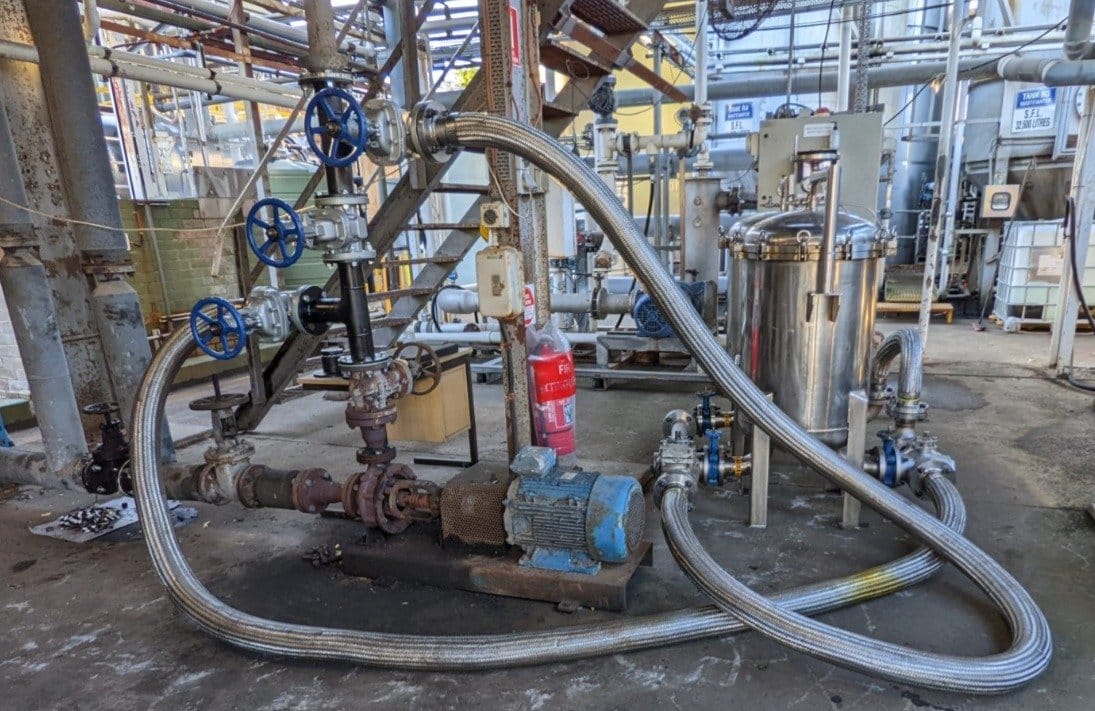
Our onsite intervention teams are available for rapid deployment to remote mining sites and metropolitan manufacturing hubs. They utilize purpose-built machinery for hot oil flushing, achieving the turbulent flow necessary to dislodge stubborn particulates. Every intervention includes detailed analysis and reporting to document the ISO cleanliness levels achieved. We also provide onsite training for your personnel. This empowers your team to conduct effective fluid health monitoring between professional service intervals, reducing the risk of unplanned downtime.
Maintaining site efficiency also involves the upkeep of your mobile equipment. For companies operating in Melbourne, Washify provides expert mobile cleaning for trucks and heavy machinery, ensuring that your fleet remains as clean and reliable as your internal systems.
In addition to mechanical upkeep, the physical preservation of your facility’s surfaces is vital for preventing corrosion and maintaining a safe environment. Companies like Roll On Painting exemplify the professional approach needed for industrial and commercial painting projects that protect assets from environmental wear.
Specialised Equipment Hire
BioKem offers flexible rental options for high-performance industrial hardware. This allows facilities to perform self-managed maintenance during scheduled shutdowns without the capital expenditure of purchasing specialized units. Our fleet includes advanced dehydration and filtration systems capable of handling high-volume thermal fluid circuits. As the authorized Australian distributor for Filters S.p.A., we ensure our hire equipment meets global benchmarks for reliability and efficiency. Hire terms are tailored to match your specific project timelines, ensuring you have the right tools exactly when they’re needed.
Optimising Your Thermal Infrastructure for the Future
Maintaining peak thermal performance requires more than just reactive repairs. Proactive Cleaning Heat Transfer Oil Systems ensures you avoid the catastrophic carbon buildup and oxidation that lead to costly downtime. By implementing high-velocity hot oil flushing and precision filtration, operators restore system efficiency while meeting strict Australian safety and environmental standards. Choosing the right methodology, whether it’s an offline mechanical flush or a targeted additive treatment, determines the long-term reliability of your industrial assets.
Biokem brings over 15 years of industrial oil management expertise to your facility. As the sole Australian distributor for Filters S.p.A., we provide world-class filtration technology backed by national onsite service deployment. Our team delivers technical solutions that balance operational output with ecological responsibility, ensuring your system remains compliant and efficient. It’s vital to address contamination before it compromises your heat exchangers or pump seals.
Contact BioKem for a Technical Consultation on Your Heat Transfer System
We look forward to helping you achieve a cleaner, more sustainable production environment through expert fluid management.
Frequently Asked Questions
How often should a heat transfer system be cleaned?
You should clean your heat transfer system every 3 to 5 years, or whenever fluid analysis indicates a carbon level exceeding 1% by weight. Regular monitoring allows you to identify oxidation and thermal cracking before they cause efficiency losses. We recommend annual fluid testing to track degradation trends and determine the precise interval for cleaning heat transfer oil systems.
Can I clean my thermal oil system without shutting down production?
Yes, you can clean your system while it’s operational by using online cleaning additives. These additives circulate with the existing fluid at temperatures up to 300°C to dissolve sludge and varnish without halting your production line. This method avoids the 48 to 72 hours of downtime typically required for a full drain and flush, maintaining your facility’s output in the competitive Australian industrial market.
What is the difference between flushing fluid and system cleaner?
Flushing fluid is a light-viscosity oil used to rinse out loose debris and residual old oil after a system drain. In contrast, a system cleaner contains concentrated detergents or solvents designed to chemically break down hard carbon and varnish deposits on heat exchanger surfaces. While flushing fluid acts as a mechanical rinse, a system cleaner provides the chemical action necessary for deep decontamination.
Is it necessary to replace all the oil after a system flush?
You must replace the entire oil volume after a system flush to prevent cross-contamination of the new charge. Even a 5% residual of degraded oil or cleaning agent can reduce the flash point of the new fluid by 20°C or more. Full replacement ensures the new thermal fluid achieves its maximum service life and maintains the safety specifications required by Australian standards.
How do I know if my heat transfer fluid has reached the end of its life?
Your fluid has reached the end of its life when its Total Acid Number (TAN) exceeds 0.4 mg KOH/g or its viscosity increases by more than 10% from the original specification. A drop in the closed-cup flash point below 170°C also signals critical degradation. These metrics indicate that the fluid can no longer transfer heat efficiently and poses a fire risk to your facility operations.
What are the risks of leaving varnish in a thermal oil system?
Leaving varnish in your system reduces heat transfer efficiency by up to 30%, forcing your heaters to work harder and consume more fuel. Varnish also acts as an insulator on pipe walls and can cause mechanical seal failures in pumps. If you neglect cleaning heat transfer oil systems, these deposits eventually harden into coke, which can lead to localized hotspots and catastrophic pipe ruptures.
Can BioKem provide onsite oil analysis during the cleaning process?
BioKem provides onsite oil analysis using portable testing equipment to monitor fluid health in real-time during the cleaning process. Our technicians measure viscosity, moisture content, and particle counts to ensure the cleaning agents have effectively suspended contaminants. This immediate data allows us to verify that the system is clean before you introduce the new heat transfer fluid, reducing overall project timelines.
What safety certifications are required for technicians performing hot oil flushing?
Technicians must hold current certifications for High Pressure Water Jetting and Confined Space Entry (RIIWHS202E) if they’re accessing internal components. Because thermal systems operate at high temperatures, personnel also require training in “Hot Work” permits and chemical handling under Australian Work Health and Safety (WHS) regulations. BioKem ensures all onsite staff meet these rigorous safety standards to mitigate risks during the decontamination process.