

Did you know that nearly 80% of hydraulic system failures in marine environments stem directly from fluid contamination? For a fleet manager, this isn’t just a technical statistic; it’s a precursor to expensive component replacements and unscheduled downtime in Australia’s busiest ports. Maintaining peak operational efficiency requires a rigorous approach to fluid health across all advanced steerable units, including tugboat azipod systems. When moisture ingress or particulate matter enters these complex assemblies, the mechanical degradation of the lubricant begins almost immediately, often leading to a 50% reduction in component life if left unaddressed.
You’re likely aware that even a microscopic amount of salt water can compromise the integrity of your propulsion gear. We’ll show you how specialized hot oil flushing and proactive contamination control extend the life of your steerable assets while ensuring your fleet remains compliant with Australian marine safety standards. This guide examines the technical protocols for achieving verified ISO 4406 cleanliness levels through sustainable, high-precision maintenance strategies that protect your operational bottom line and the local marine ecology.
Key Takeaways
-
Understand the critical role of steerable podded drives in modern port efficiency and why their gearless design demands specialized technical care.
-
Identify how to combat moisture ingress and varnish build-up to ensure responsive maneuverability for advanced marine assets, including tugboat azipod systems.
-
Discover why high-velocity hot oil flushing is the only effective method for removing deep-seated contaminants from complex internal propulsion galleries.
-
Learn to transition from costly reactive repairs to a proactive maintenance strategy using regular oil analysis to predict and prevent system failures.
-
Explore how local Australian expertise and specialized filtration solutions support the long-term integrity and environmental compliance of your marine fleet.
Table of Contents
-
The Evolution of Marine Propulsion: Including Tugboat Azipod Systems
-
Proactive Maintenance Strategies for Australian Marine Fleets
The Evolution of Marine Propulsion: Including Tugboat Azipod Systems
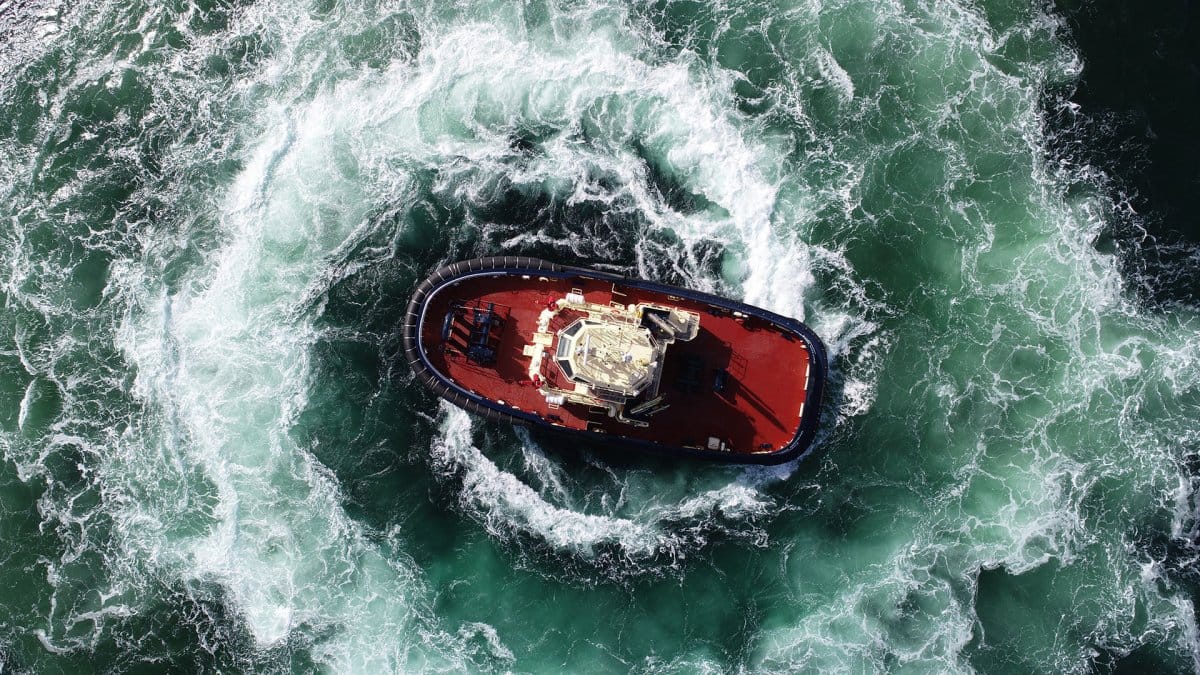
The maritime industry has shifted toward high-efficiency solutions, including tugboat azipod systems, to meet the demands of modern global trade. An Azipod propulsion system is a gearless, steerable podded drive where the electric motor resides in a submerged pod outside the ship’s hull. This design replaces traditional rudder and shaft arrangements. By rotating 360 degrees, these units provide vector thrust in any direction. This capability is vital for tugboats tasked with guiding 400-meter container ships through narrow channels.
To better understand the scale and complexity of these systems, watch this helpful video:
Reliable operation depends entirely on the integrity of the internal lubrication circuits. These circuits protect the heavy-duty bearings and seals from the extreme torque generated during ship-handling maneuvers. If these circuits fail, the risk of catastrophic mechanical breakdown increases. Port operational safety relies on the propulsion reliability of the tug fleet. A single failure during an escort can lead to groundings or collisions, threatening the local marine environment and port infrastructure.
Why Tugboats Depend on Podded Propulsion
Precision is the hallmark of modern ship-handling. In tight Australian berths like those in the Port of Melbourne, tugboats must provide instantaneous counter-pressure to stabilize vessels. The 360-degree thrust improves safety by allowing tugs to operate in confined spaces where traditional propulsion would be ineffective. However, this flexibility places immense mechanical stress on Azipod bearings and seals. Constant directional changes require high-performance lubricants and meticulous fluid management to prevent wear. Since the mid-1990s, these systems have become the standard for vessels requiring maximum agility.
The High Cost of Propulsion Failure
Unscheduled downtime represents a massive financial burden. Industry data suggests that a medium-sized tugboat can lose upwards of $30,000 in daily revenue when sidelined. Beyond lost earnings, repairing a podded drive often requires dry-docking. This is a logistical nightmare because specialized facilities are limited and often booked months in advance. Implementing proactive maintenance strategies, such as hot oil flushing, acts as a primary cost-saving measure. It ensures that contaminants don’t compromise the system’s longevity. Maintaining including tugboat azipod systems in peak condition isn’t just about performance; it’s about protecting the bottom line and the environment.
-
Precision: High-torque maneuvers require 100% thrust availability.
-
Safety: Reliable propulsion prevents multi-million dollar port accidents.
-
Efficiency: Proactive maintenance reduces the 15% to 20% fuel penalty associated with poorly maintained drives.
Lubrication Challenges in Steerable Propulsion Units
Steerable propulsion units, including tugboat azipod systems, operate under extreme mechanical and environmental stress. These systems rely on high-performance lubricants to manage heat and reduce friction in the main bearings and steering gears. However, the proximity to saltwater creates a constant risk of ingress. Even a minor seal failure can introduce brine into the lubrication circuit, triggering a series of chemical reactions that compromise oil integrity. Maintaining these assets requires a deep understanding of how contaminants behave under pressure.
Moisture and Saltwater Contamination
The introduction of saltwater into a propulsion system is more than a physical contaminant; it’s an aggressive chemical catalyst. When sodium chloride meets industrial gear oil, it accelerates the oxidation process. This reaction produces acidic byproducts that etch metal surfaces and lead to rapid pitting in high-load bearings. Water also reduces the load-carrying capacity of the oil film, which often results in metal-to-metal contact during high-torque maneuvers.
Centrifugal filters typically used on vessels have significant limitations. While they can remove free water, they often struggle with emulsified water that has chemically bonded with the oil. This trapped moisture promotes rust and accelerates bearing wear, leading to premature component failure. Adhering to Australian marine maintenance standards requires more sophisticated dehydration techniques to ensure the system remains within safe operating limits. Proper moisture control is the first line of defense in preventing catastrophic mechanical breakdown.
Varnish Formation in Critical Bearings
Varnish is a soft, sticky byproduct of thermal degradation that forms in high-pressure systems. In the complex hydraulic and mechanical circuits of including tugboat azipod systems, localized "hot spots" can exceed 200 degrees Celsius. These temperatures cause oil molecules to break down and oxidize. These degraded molecules eventually precipitate out of the fluid as a brownish, resinous film that coats internal components.
This film is particularly dangerous for the steering mechanism. Varnish buildup causes steering valves to "stick" or respond sluggishly, which is a critical safety risk during precise harbor operations. This residue also acts as an insulator, trapping heat within the bearings and further accelerating oil breakdown. To prevent this cycle of degradation, operators should implement a specialized varnish removal system to capture sub-micron oxidation products before they plate out on internal metal surfaces.
The steering mechanism of the pod depends entirely on the precision of hydraulic fluids. These fluids must maintain a specific viscosity and cleanliness level to ensure instant drive response. Data suggests that approximately 75% of hydraulic system failures are directly linked to fluid contamination. Regular testing and proactive filtration help maintain the reliability of the entire drive train. For fleets looking to optimize their maintenance schedules, exploring professional hot oil flushing and filtering services can significantly extend the life of your lubricants and the mechanical components of the pod.
Hot Oil Flushing for Azipod Reliability
Hot oil flushing is a high-velocity cleaning process specifically engineered to purge internal galleries of contaminants that standard maintenance routines often miss. While a simple oil change removes the bulk of degraded fluid, it’s incapable of addressing the particulate matter adhered to internal surfaces or trapped in stagnant areas. For complex machinery, including tugboat azipod systems, these residual contaminants act as catalysts for premature component wear and accelerated fluid oxidation. By circulating heated oil at high speeds through the lubrication circuit, we dislodge stubborn debris and ensure the entire internal architecture is restored to a pristine state. This proactive measure is essential for preventing the buildup of sludge and varnish that can compromise steering sensitivity and propulsion efficiency.
The Technical Process of High-Velocity Flushing
Cleaning efficiency depends on achieving a high Reynolds Number rather than simply increasing system pressure. To dislodge particles from internal walls, the flow must transition from laminar to turbulent. We typically target a Reynolds Number exceeding 4,000 to create the necessary scrubbing action required for deep cleaning. This turbulence creates a chaotic flow pattern that reaches into every corner of the housing. Heating the fluid to approximately 55 degrees Celsius reduces viscosity significantly. This reduction allows for higher velocities and more effective penetration of intricate pathways within the Azipod housing. External filtration units are integrated into the loop to capture these dislodged contaminants. These units often feature multi-stage filters that catch particles down to 3 microns, ensuring that hydrocarbons remain clean and the system isn’t re-contaminated during the process.
Achieving ISO 4406 Cleanliness Standards
Maintaining precise fluid quality is non-negotiable for the longevity of marine propulsion. ISO 4406 is the international standard for quantifying fluid cleanliness by particle size. Standard maintenance cycles often fail to reach the stringent 16/14/11 or 14/12/09 codes required by original equipment manufacturers for high-load operations. Utilising hot oil flushing allows operators to hit these aggressive targets by removing the microscopic debris that traditional filters overlook during normal operation.
We rely on paddle flushing screens to verify the success of the procedure. These screens provide a physical benchmark for system cleanliness, capturing any remaining solid matter before the propulsion unit is returned to active duty. If the screen remains clear after a set duration of high-velocity flow, the system is deemed clean. This rigorous approach ensures that up to 98% of potential failure-inducing particles are removed, safeguarding the vessel’s operational uptime in demanding maritime environments. It’s a technical necessity that balances mechanical reliability with a commitment to long-term hardware sustainability.
Proactive Maintenance Strategies for Australian Marine Fleets
Shifting from reactive "run-to-fail" models to proactive strategies reduces unscheduled downtime by up to 35% in marine operations. For complex propulsion units, including tugboat azipod systems, this transition is essential to manage the high torque and thermal stresses these components endure. Australian fleet managers face unique challenges with remote coastal operations; this makes early detection of component fatigue a logistical necessity rather than a luxury. By focusing on the root causes of wear, operators can move away from the high costs of emergency repairs and toward a predictable maintenance budget.
Implementing an Oil Analysis Program
Standard laboratory tests often miss the early warning signs of gear fatigue or bearing spall. Utilizing filter ferrogram analysis allows technicians to examine wear particles under high magnification. This process identifies the specific morphology of metals, which helps distinguish between normal "break-in" wear and critical fatigue. By analyzing trending data over 12 month periods, operators can schedule repairs during planned port stays. This avoids the 20% to 50% price premium often associated with emergency dry-docking and parts procurement.
An effective monitoring program for marine lubricants should include these essential parameters:
-
Kinematic Viscosity at 40°C and 100°C to check for shear or oxidation.
-
ISO 4406 Particle Count to verify fluid cleanliness levels.
-
Water content by Karl Fischer titration, measured in ppm, to detect seal leaks.
-
Total Acid Number (TAN) to monitor the depletion of protective additives.
-
Elemental analysis for copper, lead, and iron concentrations.
Sustainability in Marine Lubrication
Environmental stewardship is now a core requirement under Australian maritime regulations. Traditional oil changes generate thousands of liters of hydrocarbon waste per vessel. Oil purification through vacuum dehydration offers a green alternative by removing 100% of free and emulsified water and up to 90% of dissolved water. This process extends lubricant life by 2 to 3 times, which significantly reduces the carbon footprint associated with oil manufacturing and disposal. BioKem champions these nature-based industrial solutions to ensure compliance with local environmental standards while maintaining peak mechanical efficiency in critical hardware, including tugboat azipod systems.
Extending the life of existing fluids through purification also offers a clear cost-benefit. It eliminates the logistical nightmare of transporting bulk oil to remote Australian ports and reduces the risks associated with oil spills during transfer. BioKem’s commitment to biological and technical precision ensures that your fleet meets both operational goals and ecological responsibilities.
Protect your propulsion assets by scheduling a comprehensive hot oil flushing and filtering service today.
BioKem: Specialist Solutions for Marine Asset Integrity
BioKem functions as a dedicated technical partner for the Australian maritime industry, offering national onsite services that prioritize mechanical reliability and environmental compliance. As the official Australian distributor for Filters S.p.A., BioKem provides access to world-class filtration technology specifically engineered for harsh marine environments. This partnership allows Australian fleet operators to implement the same high-standard maintenance protocols used by international shipping conglomerates. BioKem’s expertise is vital for complex propulsion flushing projects, including tugboat azipod systems, where even microscopic contamination can lead to steering or propulsion failure. By offering specialized equipment for port-side interventions, BioKem eliminates the logistical burden of transporting heavy machinery to inland facilities. This onsite capability ensures that tugboat operators maintain their vessels’ integrity without compromising tight port schedules. Fleet managers often see a 15% to 20% reduction in service-related downtime by utilizing these localized interventions instead of traditional off-site repairs.
Onsite Technical Expertise
The deployment of specialized technicians to Australian ports is a core component of BioKem’s service model. These professionals arrive with the mobile infrastructure necessary to handle large-volume flushing for multiple units in a single mobilization. In high-traffic hubs like Port Hedland or the Port of Melbourne, where every hour of downtime carries a financial penalty, this efficiency is indispensable. The onsite teams are trained to manage the unique hydraulic requirements of modern vessels, including tugboat azipod systems, ensuring every internal component is free from abrasive wear particles. Technicians utilize patch test kits to provide immediate, visual evidence of fluid cleanliness. This onsite testing allows for a rapid assessment of the contaminants that compromise lubrication systems, replacing laboratory wait times with instant, actionable data.
High-Performance Filtration Hardware
Effective maintenance of marine assets depends heavily on the quality of the components used during servicing. BioKem provides specialist oil filters designed to handle the high flow rates and viscosity fluctuations common in marine propulsion. These filters aren’t generic replacements; they’re high-performance tools sourced from global technology leaders and adapted for the specific demands of the Australian coastline. By integrating these advanced filtration solutions, BioKem helps operators prevent the buildup of varnish and sludge that leads to valve sticking. Research indicates that 80% of mechanical failures in hydraulic systems stem from fluid contamination, making high-grade filtration a primary defense against unplanned capital expenditure. Fleet managers looking to enhance their maintenance strategy should contact BioKem for a marine propulsion maintenance consult to discuss long-term asset protection.
Future-Proofing Your Marine Assets
The transition toward advanced propulsion, including tugboat azipod systems, necessitates a rigorous approach to lubrication management. Maintaining these steerable units requires more than routine oil changes; it requires achieving strict ISO 4406 cleanliness standards to prevent premature component wear. Implementing proactive hot oil flushing removes the sub-micron contaminants that traditional filtration misses. This technical precision ensures your fleet remains operational in demanding Australian maritime environments. BioKem is the sole Australian distributor for Filters S.p.A., providing specialized equipment that meets global engineering benchmarks. Our national onsite technical deployment team brings these solutions directly to your vessel. By prioritizing asset integrity now, you’re investing in the long-term sustainability of your maritime operations. It’s about ensuring every voyage is backed by verified fluid cleanliness. We’re ready to help you navigate these technical challenges with confidence and expertise. Your fleet’s operational readiness is our primary focus.
Secure your fleet’s reliability with BioKem’s marine flushing services
Frequently Asked Questions
What is the primary cause of Azipod propulsion failure in tugboats?
Particulate contamination and moisture ingress account for approximately 80% of premature failures in podded drives. These contaminants compromise the lubricating film, leading to accelerated wear on bearings and gear sets. In the harsh Australian maritime environment, salt air and humidity contribute to oil oxidation. Regular monitoring ensures these systems, including tugboat azipod systems, remain operational without the risk of sudden mechanical seizure or hydraulic component degradation.
How often should hot oil flushing be performed on marine propulsion systems?
Hot oil flushing should be performed every 5 years or whenever fluid analysis indicates ISO cleanliness levels have exceeded manufacturer specifications. This procedure is also mandatory following any major component failure or system breach to remove residual metallic debris. By maintaining a strict 60 month schedule, operators prevent the accumulation of sub-micron particles that traditional filtration cannot capture. This proactive approach extends the service life of critical steering and propulsion seals.
Can hot oil flushing be done while the tugboat is in the water?
Technicians can perform hot oil flushing and oil purification while the tugboat remains in the water, provided there’s internal access to the hydraulic circuits. This onsite service reduces vessel downtime by 40% compared to traditional dry dock requirements. Using portable filtration skids, we circulate the oil through the internal loops to reach turbulent flow. This method ensures the vessel stays mission-ready in ports like Port Hedland or Botany Bay without needing a slipway.
What is the difference between an oil change and a hot oil flush for Azipods?
An oil change simply replaces the fluid, while a hot oil flush uses high velocity and heat to scrub the internal surfaces of the piping. A standard drain and refill leaves behind 15% of the old, contaminated oil and most of the adhered sludge. Hot oil flushing creates turbulent flow, characterized by a Reynolds Number above 4,000, to dislodge stubborn deposits. This ensures the new lubricant enters a truly clean environment, preventing immediate re-contamination.
How does varnish affect the steerability of a podded drive system?
Varnish creates a sticky residue that causes precision hydraulic valves to lag or seize, directly reducing steering response times. Even a microscopic layer of 5 microns can interfere with the tight tolerances of servo valves used in podded drives. This friction leads to erratic maneuvering and increased fuel consumption as the system struggles to maintain course. Eliminating varnish through chemical cleaning or specialized filtration restores the 100% fluid responsiveness required for tight harbor operations.
What ISO cleanliness code is required for Azipod lubrication systems?
Azipod lubrication systems generally require an ISO 4406 cleanliness code of 16/14/11 to ensure optimal component longevity. Maintaining this specific particulate count prevents the "sandblasting" effect that occurs when high-pressure oil carries microscopic solids through the system. We use laser particle counters to verify these levels in real-time during the flushing process. Adhering to these international standards reduces the probability of valve failure by nearly 70% over the lifecycle of the drive.
Is it possible to remove saltwater contamination from Azipod oil without replacing it?
Vacuum dehydration technology allows for the removal of 100% of free water and up to 90% of dissolved water from Azipod oil without needing a full replacement. This process is essential when saltwater ingress occurs, as it prevents the formation of corrosive acids and rust. By treating the oil onsite, operators save on the cost of disposing of thousands of liters of lubricant. It’s an eco-friendly solution that aligns with Australian environmental regulations for maritime waste reduction.
What equipment is needed for onsite marine oil purification?
Onsite marine oil purification requires a combination of vacuum dehydrators, high-flow filter skids, and laser particle monitoring equipment. These tools work together to remove moisture, gases, and solid particulates from the lubricant used in various propulsion units, including tugboat azipod systems. Portable centrifuges may also be employed to handle heavy sludge or high volumes of free water. This specialized kit allows for laboratory-grade oil restoration directly on the vessel’s deck or engine room.