

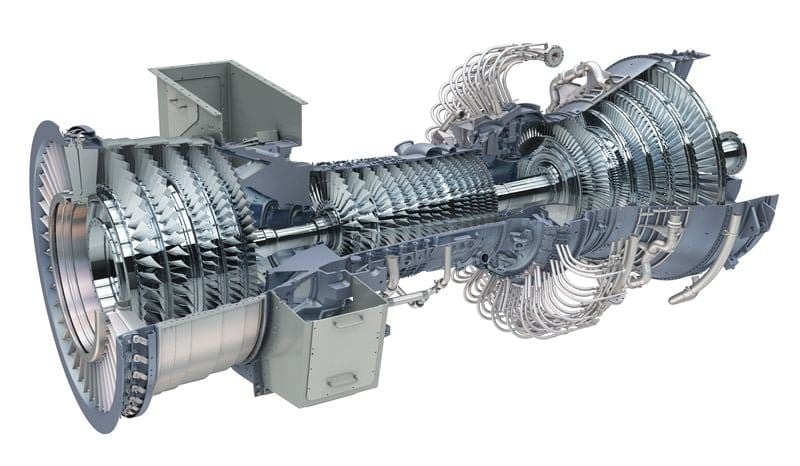
Skipping a high-velocity oil flush on a new A$28 million GE LM aeroderivative turbine isn’t a clever time-saving strategy. It’s a calculated gamble with a high probability of catastrophic bearing failure during the first 72 hours of operation. You’ve likely felt the immense pressure of meeting tight Australian energy grid deadlines while balancing the rigid technical specifications required for manufacturer warranty sign-off. This tension highlights the importance of oil flushing when commissioning new GE LM turbines as your most vital risk mitigation step before the unit ever turns over.
It’s understandable that you want to move from installation to generation as quickly as possible to meet 2024 production targets. However, ensuring your lube oil system meets the precise ISO 4406 cleanliness standards demanded by GE is the only way to protect your investment. This article demonstrates why high-velocity hot oil flushing is the non-negotiable insurance policy for the reliability and longevity of your new assets. We’ll explore the technical pathway to a zero-failure startup, compliance with GE specifications, and how Biokem’s methodology ensures your project stays on track without compromising asset integrity.
Key Takeaways
-
Identify why "new" does not mean "clean" and how built-in contaminants from manufacturing and transport pose a direct threat to your commissioning schedule.
-
Understand the importance of oil flushing when commissioning new GE LM turbines through the application of High-Velocity Hot Oil Flushing (HVHOF) to achieve the Reynolds Number required for effective cleaning.
-
Examine the critical technical differences between aeroderivative and frame turbines, specifically how tighter bearing clearances in LM2500 and LM6000 models demand stringent cleanliness standards.
-
Learn why utilizing external filtration skids instead of the turbine’s internal pumps is the industry-standard approach for ensuring a successful, high-standard commissioning flush.
-
Discover how BioKem’s Australian-based technical excellence and specialized equipment hire provide a cost-effective, compliant solution for securing the long-term reliability of your power assets.
Table of Contents
-
Understanding the Challenge of "Built-in" Contamination in New Turbines
-
Why GE LM Aeroderivative Turbines Demand Higher Cleanliness Standards
Understanding the Challenge of "Built-in" Contamination in New Turbines
Commissioning a GE LM turbine in Australia requires more than just mechanical assembly; it demands a rigorous approach to fluid cleanliness. Many operators assume that factory-fresh equipment is pristine. This is a dangerous misconception. Manufacturing processes, long-distance transport, and onsite installation all introduce foreign matter into the lubrication circuit. Commissioning oil flushing is the process of removing these "built-in" contaminants before they reach critical components. Cleanliness isn’t optional.
The importance of oil flushing when commissioning new GE LM turbines cannot be overstated. Even a small amount of welding slag or grinding dust can cause catastrophic damage to mechanical bearings and high-speed shafts. A single early-life failure on an LM6000 unit can result in unplanned downtime costs exceeding A$250,000 per day in lost power generation revenue. This financial risk makes professional hot oil flushing and filtering a standard requirement for insurance compliance and operational longevity.
To better understand the technical nuances of this process, watch this detailed overview of pre-commissioning practices:
Types of Contaminants Found in New Systems
New systems are rarely biologically or chemically inert. During the assembly of onsite pipework, several types of debris inevitably enter the system. These include:
-
Construction debris: Welding slag, metal shavings, and grinding dust generated during the final fit-out.
-
Environmental ingress: Fine silica dust and moisture introduced during the assembly phase, particularly at Australian remote mining or energy sites.
-
Preservatives and coatings: Residual rust inhibitors applied at the factory. While useful for storage, these chemicals can react with the final turbine oil, leading to foaming or premature oxidation.
The Limitations of Factory Testing
Factory-clean standards often fail during the "last mile" of installation. While a turbine core might leave the factory meeting ISO 4406 cleanliness codes, the journey to the site changes the equation. Vibrations during sea or road freight dislodge internal pipe scale and microscopic metallic particles that were previously dormant.
Stagnant oil left in the lines during the 4 to 8 months between factory testing and onsite startup can also lead to localized corrosion. This creates a layer of iron oxide that flushes directly into the turbine’s sensitive components during the first start cycle. High-velocity flushing validates system integrity by ensuring every internal surface is stripped of these hazards. It’s the only way to guarantee that the system’s "biological" health is protected from day one. Using high-quality paddle flushing screens during this phase allows technicians to physically verify the capture of these particulates, providing a transparent audit trail for the commissioning team.
The Science of High-Velocity Hot Oil Flushing (HVHOF)
Effective cleaning of a turbine’s lubrication system isn’t achieved by simply circulating oil at standard operating speeds. It requires a fundamental shift in fluid dynamics. During normal operation, oil moves in a laminar fashion, where the fluid travels in parallel layers with minimal lateral mixing. This creates a stagnant boundary layer at the pipe wall that shields microscopic debris from removal. To extract these particles, technicians must induce turbulent flow, where chaotic eddies physically scrub the internal surfaces. This transition is a core reason why the importance of oil flushing when commissioning new GE LM turbines is prioritised by engineers; it is the only reliable method to eliminate "built-in" debris before it reaches sensitive bearings.
Achieving Turbulent Flow via Reynolds Number
The Reynolds Number (Re) is the mathematical value used to predict flow patterns within a pipe. For a successful HVHOF procedure, the minimum target is an Re greater than 4,000, which marks the transition from laminar to fully turbulent flow. BioKem utilizes specialized external pumping units designed to achieve velocities 2 to 3 times higher than the turbine’s operational flow. This intensity ensures that contaminants, which would otherwise settle in low-velocity zones or horizontal pipe runs, are forced into suspension. Adhering to the protocols outlined in ASTM D6439 & GEK Oil Flushing procedures provides a structured framework for calculating these flow requirements based on the specific pipe diameters and oil viscosities found in GE LM installations.
-
Vessel Diameter: Smaller pipes require less flow to reach turbulence, while main headers demand high-volume pumps.
-
Velocity: Higher speeds increase the kinetic energy available to dislodge scale.
-
Contaminant Suspension: Turbulence keeps particles moving until they reach the filtration skid.
The Role of Temperature in Contaminant Removal
Heat acts as a critical variable for both chemical and mechanical cleaning. BioKem typically targets a temperature range of 60°C to 70°C during the flushing process. Elevating the temperature reduces the oil’s kinematic viscosity, which makes it easier to achieve high Reynolds Numbers. From a chemical perspective, heat increases the solubility of soft contaminants like manufacturing preservatives and varnishes.
We also employ thermal cycling, where temperature fluctuations cause the steel piping to expand and contract. This micro-movement helps fracture brittle mill scale and loosen debris trapped in welds. Managing these high temperatures requires strict adherence to Australian safety standards to protect both the equipment and the personnel on-site. Understanding the importance of oil flushing when commissioning new GE LM turbines involves recognizing that without this thermal energy, the flush is merely a rinse rather than a deep clean. For projects requiring this level of technical precision, our hot oil flushing and filtering services offer a proven solution for meeting stringent OEM cleanliness codes.
Why GE LM Aeroderivative Turbines Demand Higher Cleanliness Standards
GE LM2500 and LM6000 turbines aren’t just smaller versions of heavy-frame units; they’re high-performance aeroderivative engines adapted from aviation technology. This distinction is vital for Australian operators to understand. While a heavy-frame turbine might tolerate minor variations in lubricant quality, the LM series operates with significantly higher power densities and rotational speeds. The importance of oil flushing when commissioning new GE LM turbines is driven by the fact that these units rely on rolling element bearings rather than the hydrodynamic journal bearings found in frame units. These bearings require a constant, pristine film of oil to prevent metal-to-metal contact at speeds exceeding 3,600 RPM.
Even "new" oil delivered to a site in Western Australia or Queensland rarely meets the stringent requirements for a GE LM start-up. In many cases, fresh oil arrives with a particulate count of ISO 18/16/13, which is far too "dirty" for an aeroderivative’s sensitive internals. This oil often contains "silt," or sub-5-micron particles, that aren’t visible to the naked eye but act as an abrasive slurry. This silt is notorious for causing premature servo valve sticking, which leads to erratic control and costly commissioning delays. Following the ASTM D6439 industry standard ensures that the flushing process removes these microscopic threats before they can compromise the system.
Precision Tolerances in the GE LM Series
The internal clearances in an LM6000 are incredibly tight, often measured in increments of 2 to 5 microns. To put this in perspective, a human hair is approximately 70 microns wide. In a high-RPM environment, a single metal shard or a cluster of silica dust can cause "skidding" in the rolling elements or permanent scoring of the races. Standard ISO 4406 16/14/11 targets, often sufficient for older industrial equipment, don’t provide a high enough safety margin for these units. Biokem recommends targeting levels closer to ISO 14/12/9 to ensure long-term reliability. The risks of ignoring these tolerances include:
-
Accelerated bearing fatigue and spalling.
-
Clogging of the fine-mesh strainers protecting the bearing sumps.
-
Loss of signal integrity in hydraulic control circuits due to silt build-up.
-
Increased heat generation within the lube oil consoles.
Warranty and Compliance Requirements
Protecting an asset that costs upwards of A$20 million requires strict adherence to GE’s Technical Procedure (TP) guidelines. During the commissioning phase, GE field service representatives require documented evidence that the lubrication system has been flushed to specification. Using a professional service ensures you have the necessary oil analysis reports to prove compliance. Without this documentation, any bearing failure or servo malfunction during the initial 12-month warranty period could lead to a "denial of claim" by the OEM. It’s a risk that Australian power generators can’t afford to take. The importance of oil flushing when commissioning new GE LM turbines isn’t just about mechanical health; it’s about financial risk mitigation. A verified, high-velocity hot oil flush provides the definitive "birth certificate" for the turbine’s lubrication system, ensuring that the project moves from commissioning to commercial operation without the shadow of future mechanical liability.
Best Practices for a Successful Commissioning Flush
Success begins with a comprehensive flushing plan developed weeks before the turbine reaches the Australian site. You can’t rely on the turbine’s internal pumps because they’re not designed for the high-velocity turbulent flow required to lift particulate matter. Professional teams utilize external filtration skids capable of moving 3,000 to 5,000 litres per minute. This ensures a Reynolds Number greater than 4,000; the specific threshold for turbulent flow needed to scrub internal pipe surfaces. Understanding the importance of oil flushing when commissioning new GE LM turbines means acknowledging that high flow rates are the only way to remove microscopic construction debris.
The flushing protocol step-by-step
The protocol starts with a total system bypass. Technicians isolate sensitive bearings and servo valves to prevent damage from circulating debris. The team then executes a staged flush, starting with the primary headers before moving to smaller branch lines. To increase efficiency, we use the thermal shock technique. By rapidly cycling the oil temperature between 25°C and 65°C, the pipework expands and contracts. This mechanical stress dislodges stubborn scale and weld slag that steady-state flow might miss. It’s a biological approach to mechanical cleaning, ensuring the system is purged without harsh chemical solvents.
Verification and ISO Cleanliness Targets
Verification requires more than a visual check. We utilize paddle flushing screens to capture physical evidence of debris. Simultaneously, the particle pal range provides real-time digital monitoring of oil cleanliness levels. For a GE LM turbine, the target is usually a stable ISO 4406 code of 14/12/9 or better, maintained over a 4-hour period. Final validation must come from an independent NATA-accredited laboratory. This third-party report provides the necessary documentation for the commissioning certificate and warranty compliance. Failure to achieve these standards can lead to turbine trips costing upwards of A$120,000 per day in lost generation revenue.
Once targets are met, the flushing oil is replaced with the final operational lubricant. This transition is managed carefully to avoid cross-contamination or the retention of sacrificial flushing fluids. By following these rigorous steps, operators ensure the long-term ecological and operational health of the plant.
Request a technical consultation for your hot oil flushing requirements to protect your capital investment.
BioKem’s Technical Excellence in Turbine Oil Management
BioKem serves as Australia’s premier specialist in hot oil flushing and filtering, providing the technical backbone for power generation projects across the continent. We recognize that the importance of oil flushing when commissioning new GE LM turbines is vital for long-term asset health and operational reliability. Even a minor contaminant can lead to bearing wipes or servo valve sticking in high-performance aeroderivative engines. Our team bridges the gap between theoretical cleanliness and operational reality. We’ve established a strategic partnership with Filters S.p.A. to supply Australia with world-leading filtration hardware capable of capturing sub-micron particles before they reach critical components.
For short-term commissioning phases, BioKem offers flexible industrial oil filtration equipment hire solutions. This allows project managers to access high-velocity flushing units and real-time particle counters without the A$150,000 investment required for permanent hardware. This model is particularly effective for peak-load plants where commissioning happens in tight windows and requires immediate, high-impact results.
Specialized Equipment and Expertise
We deploy high-flow flushing rigs that achieve turbulent flow regimes, which is essential for dislodging particles from internal pipework. These rigs are capable of servicing the largest GE units, including the LM6000 and LM2500 series. Our onsite technicians possess deep knowledge of aeroderivative systems, ensuring they don’t bypass critical components accidentally during the flush. We also incorporate varnish removal systems to address oxidation by-products in oil that may have sat idle during long construction cycles. Our goal is to reach ISO 4406 cleanliness levels of 14/12/9, ensuring the turbine starts its life in optimal condition.
Environmental Responsibility and Sustainability
BioKem’s commitment to "green" industrial solutions distinguishes us in the Australian market. We focus on oil purification rather than disposal, which significantly reduces the carbon footprint of new turbine projects. By reclaiming and polishing the initial oil fill, we can extend its service life by several years from day one. This prevents the unnecessary transport and incineration of thousands of liters of hydrocarbons. Our onsite interventions strictly adhere to Australian environmental protection guidelines and local state regulations. We provide a path where technical excellence and environmental compliance work in tandem to protect both the machinery and the Australian landscape.
Securing Reliability for Your GE LM Turbine Assets
Successful commissioning requires more than just mechanical assembly; it demands the total removal of particulate matter that accumulates during manufacturing and transit. Ignoring these "built-in" contaminants risks significant damage to high-precision bearings within the first 100 hours of service. BioKem’s specialized High-Velocity Hot Oil Flushing (HVHOF) protocols eliminate these hazards by achieving cleanliness levels that exceed standard factory specifications. For those managing major installations in the oil, gas, and renewable energy sectors, working with a consultancy like Poseidon Offshore Energy ensures that engineering and project management standards are upheld throughout the commissioning phase. The importance of oil flushing when commissioning new GE LM turbines isn’t just about maintenance; it’s about protecting a multi-million dollar investment from premature wear or unexpected downtime.
As the sole Australian distributor for Filters S.p.A., BioKem brings global technical standards to the local energy and industrial sectors. We’re specialists in NAS/ISO cleanliness verification with a deep portfolio of successful LM2500 and LM6000 projects across Australia. Our process ensures compliance with Australian regulatory standards while maximizing the biological and mechanical integrity of your lubrication systems. Don’t leave your asset’s performance to chance during the critical startup phase.
Contact BioKem Today for a Technical Consultation on Your Next Turbine Commissioning Project
We look forward to helping you achieve operational excellence from the very first rotation.
Frequently Asked Questions
How long does a typical GE LM turbine oil flush take during commissioning?
A standard high-velocity oil flush for a GE LM turbine typically requires 72 to 120 hours of continuous circulation to meet strict cleanliness specifications. This timeframe includes the initial system setup, the oil heating phase, and the final verification stages. The importance of oil flushing when commissioning new GE LM turbines is evident here, as rushing this 5-day process often leads to particle counts that exceed the 14/12/9 ISO threshold.
Can I use the turbines internal pumps to perform the commissioning flush?
You can’t use the turbine’s internal lube oil pumps for the commissioning flush because they lack the flow capacity to achieve the necessary Reynolds numbers. Effective flushing requires an external pump skid capable of moving 3,500 to 5,000 litres per minute. Using internal pumps risks damaging the precision components you’re trying to protect; instead, external skids bypass sensitive bearings to ensure contaminants are removed safely.
What is the required ISO 4406 cleanliness code for a GE LM6000 startup?
The GE LM6000 requires a minimum oil cleanliness level of ISO 14/12/9 before the first fire. This specific code ensures that there are fewer than 160 particles per millilitre in the 4-micron range. Achieving this standard is a non-negotiable requirement for Australian power generation sites to prevent premature wear on the high-speed bearings and sensitive hydraulic control elements during the critical first 500 hours of operation.
Why is hot oil preferred over cold oil for flushing new systems?
Hot oil is preferred because it lowers the fluid’s viscosity, which allows for a higher Reynolds number and creates the turbulent flow needed to dislodge debris. We typically heat the oil to between 60 and 70 degrees Celsius. This thermal energy also causes the pipework to expand and contract slightly; this effectively breaks loose mill scale and welding slag that cold oil would leave behind.
Do I need to flush the system if the pipework was cleaned at the fabrication shop?
Yes, you must perform a full system flush even if the individual pipes were chemically cleaned or pickled off-site. Transport, storage, and on-site assembly introduce new contaminants like atmospheric dust, moisture, and metallic shavings from field welds. The importance of oil flushing when commissioning new GE LM turbines ensures that the entire integrated loop is free of the 5 to 10 grams of debris typically collected during a final site flush.
What happens if I skip the oil flushing step during commissioning?
Skipping the oil flush leads to immediate bearing scoring and the failure of servo valves, often resulting in unplanned outages within the first 24 hours. In Australia, a major turbine failure can cost an operator upwards of A$1,500,000 in parts and lost revenue. Beyond the physical damage, failing to follow GE’s recommended flushing protocols will void your equipment warranty and increase long-term maintenance costs by 30 percent.
Is it possible to perform oil flushing while other commissioning activities are underway?
You can perform oil flushing concurrently with electrical testing or instrumentation loops, provided no hot work occurs near the oil reservoir. We recommend a 5-metre exclusion zone for welding and grinding to prevent airborne metallic particles from entering the system. Coordinating these schedules effectively can save a project up to 48 hours in the overall commissioning timeline without compromising the safety or the mechanical integrity of the site.
What documentation is required to satisfy GE warranty requirements for oil cleanliness?
GE requires a comprehensive flushing report that includes independent laboratory analysis of the oil and real-time particle counter logs. You’ll need to provide ISO 4406 certificates, moisture content results below 200 ppm, and photos of the 100-mesh screen captures showing no visible particles. These documents must be signed off by a certified technician to ensure the A$50 million asset remains fully covered under the manufacturer’s warranty terms.